
Introduction to Salvadoran Street Foods
El Salvador is a small Central American country known for its rich culture, history, and delicious street food. Salvadoran cuisine is a blend of indigenous, Spanish, and African influences, resulting in a unique and flavorful culinary experience. Street food is widely available throughout the country, with vendors selling everything from savory pupusas to sweet corn drinks.
Pupusas: The National Dish of El Salvador
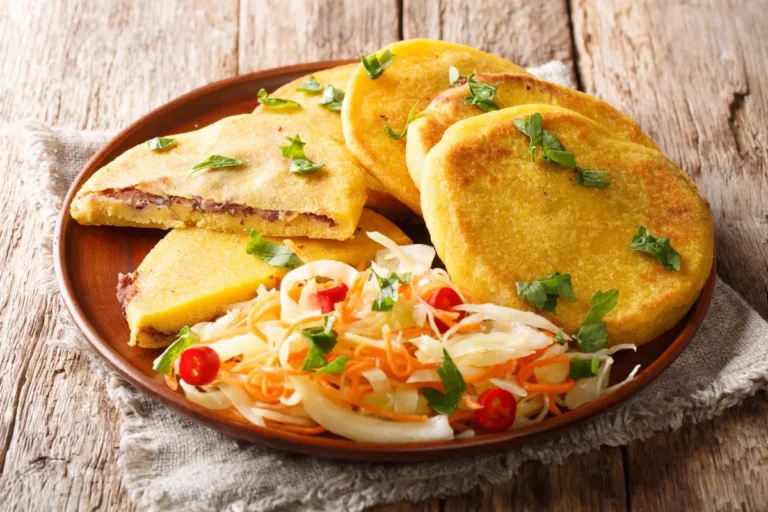
Pupusas are the most famous and beloved street food in El Salvador. These thick, handmade tortillas are filled with a variety of ingredients such as cheese, beans, pork, and vegetables. Pupusas are typically served with curtido, a pickled cabbage slaw, and tomato sauce. The process of making pupusas is an art form, with vendors skillfully shaping the dough and fillings into perfect circles. Pupusas can be found at almost every street corner in El Salvador, and they are a must-try for any visitor.
Tamales: A Traditional Street Food Delight
Tamales are another popular street food in El Salvador. These steamed corn cakes are traditionally filled with a mixture of pork, potatoes, and vegetables, wrapped in banana leaves, and then steamed to perfection. Tamales are often served with tomato sauce or salsa, making them a delicious and satisfying meal. In El Salvador, tamales are often eaten for breakfast, but they can be enjoyed any time of the day.
Yuca Frita: A Tasty Fried Cassava Dish
Yuca frita is a popular street food in El Salvador made from cassava, a starchy root vegetable. The yuca is peeled, sliced into sticks, and then deep-fried until crispy and golden. It is usually served with a tangy tomato sauce or topped with a sprinkle of cheese. Yuca frita is a delicious and filling snack that is perfect for munching on while exploring the streets of El Salvador.
Enchiladas: A Hearty and Satisfying Meal
Enchiladas in El Salvador are quite different from their Mexican counterparts. These hearty street foods consist of a thick corn tortilla topped with shredded chicken, lettuce, tomato sauce, cheese, and pickled onion. Enchiladas are a popular lunch or dinner meal, and they are often eaten with a side of rice and refried beans.
Pastelitos: A Savory Pastry with Various Fillings
Pastelitos are savory pastries filled with a variety of ingredients such as chicken, cheese, and vegetables. These tasty snacks are made from a dough similar to puff pastry, which is then filled with the desired ingredients and deep-fried until golden and crispy. Pastelitos are a great on-the-go snack and can be found at many street food vendors throughout El Salvador.
Atol de Elote: A Sweet Corn Drink for Dessert
Atol de elote is a sweet, creamy corn drink that is often served as a dessert. This drink is made from ground corn, milk, cinnamon, and sugar, and is heated until thick and creamy. Atol de elote is typically served in a tall glass and garnished with a sprinkle of cinnamon on top. It is a delicious way to end a meal and is a popular drink during the holiday season.
Ceviche: A Refreshing Seafood Dish to Try
Ceviche is a refreshing seafood dish that is perfect for hot days in El Salvador. This dish is made by marinating fresh seafood such as shrimp or fish in lime juice, onions, cilantro, and chili peppers. The acid from the lime juice cooks the seafood, resulting in a delicious and tangy dish. Ceviche is often served with tortilla chips or avocado and is a popular street food in coastal regions of El Salvador.