
Tag

common

Browsing

Introduction to Senegalese Soups and Stews

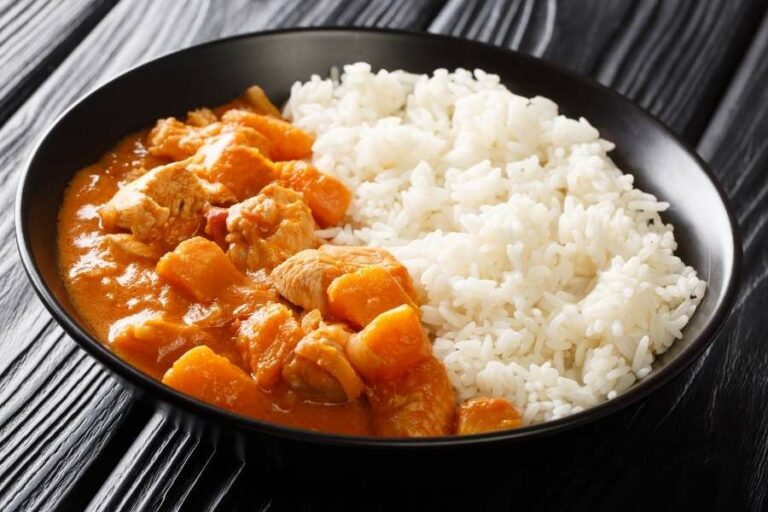
Senegalese cuisine is a vibrant and diverse mix of African, French, and Portuguese influences. Senegal’s geographical location on the Atlantic coast is reflected in the country’s cuisine, which features a variety of seafood dishes. Soups and stews are a staple of Senegalese cuisine and are often served as a main course.

Base Ingredients: The Holy Trinity of Senegalese Cuisine

The base ingredients used in Senegalese soups and stews are known as the “holy trinity” of Senegalese cuisine: onions, tomatoes, and peppers. These ingredients are sautéed together to create a flavorful base for the dish. Onions provide a sweet and savory flavor, tomatoes add acidity, and peppers bring heat to the dish. Garlic is also a common addition to the base ingredients, adding depth of flavor.

Vegetables: Essential Components of Soups and Stews

Vegetables are an essential component of Senegalese soups and stews. Okra, eggplant, cabbage, carrots, and sweet potatoes are some of the most commonly used vegetables. Okra is particularly important, as it also acts as a natural thickener for the soup or stew. Leafy greens such as spinach and kale are also used to add flavor and nutrition to the dish.

Spices and Herbs: Elevating Flavors and Aromas

Spices and herbs are used to elevate the flavors and aromas of Senegalese soups and stews. Common spices include cumin, coriander, turmeric, and ginger. Herbs such as thyme, parsley, and cilantro are also used to add freshness and complexity to the dish. Maggi cubes, a type of bouillon cube, are often used to enhance the flavor of the soup or stew.

Proteins: From Fish to Beef, Chicken and Lamb

Proteins such as fish, beef, chicken, and lamb are commonly used in Senegalese soups and stews. Fish is a particularly important protein, as Senegal is a coastal country with a thriving fishing industry. Seafood such as shrimp, crab, and mussels are also used in soups and stews. Beef, chicken, and lamb are typically stewed and added to the dish for added protein and richness.

Other Ingredients: Adding Texture and Flavor to Soups and Stews

Other ingredients such as rice, lentils, and peanuts are often added to Senegalese soups and stews to add texture and flavor. Rice is often served alongside the dish, or added directly to the soup for added substance. Lentils are a common addition to vegetarian soups and stews. Peanuts are used to thicken and add richness to the dish, and are often ground into a paste and added to the soup or stew.

Introduction to Senegalese cuisine

Senegalese cuisine is a fusion of French, African, and Arab influences, resulting in a unique and vibrant culinary culture. With a focus on fresh, locally-sourced ingredients and bold flavors, Senegalese dishes are known for their use of herbs and spices. From the national dish of thieboudienne to the sweet dessert ngalakh, spices and herbs play a crucial role in the cuisine of Senegal.

Popular spices and herbs in Senegalese cooking

One of the most prominent spices in Senegalese cuisine is thyme, which is used in everything from stews to fish dishes. Other popular herbs include parsley, cilantro, and mint, which are often used to add freshness and brightness to dishes. Cumin, cinnamon, and ginger are also commonly used spices in Senegalese cooking, adding depth and warmth to dishes.

Ngalakh’s spice blend

Ngalakh is a traditional Senegalese dessert made from millet, peanut butter, and baobab fruit. The spice blend used in ngalakh includes cinnamon, nutmeg, and cloves, adding a warm and comforting flavor to the dish. The baobab fruit also adds a tangy, slightly sour note, making ngalakh a unique and beloved dessert in Senegal.

Thieboudienne’s flavor profile

Thieboudienne is Senegal’s national dish, a hearty stew made with fish, rice, and vegetables. The dish gets its bold flavor from a spice blend that includes chili pepper, garlic, and ginger. Thieboudienne is also traditionally served with a sauce made from tomato paste, onion, and mustard, adding even more depth and complexity to the dish.

Yassa’s signature tang

Yassa is a popular Senegalese dish made with marinated chicken or fish, onions, and a tangy sauce made from lemon juice and mustard. The dish is then seasoned with thyme, garlic, and chili pepper, adding a savory and spicy flavor to the tangy sauce. The result is a dish that is both bright and bold, making it a favorite among Senegalese and food lovers around the world.

How to use Senegalese spices in your cooking

If you want to incorporate Senegalese spices into your cooking, start with some of the most commonly used herbs and spices like thyme, parsley, and cinnamon. Try adding thyme to stews or using parsley in a salad dressing. You can also experiment with Senegalese spice blends like the one used in ngalakh or thieboudienne. These blends can be used to add flavor to a variety of dishes, from roasted vegetables to grilled meats. With a little bit of experimentation, you can add some Senegalese flair to your own cooking.

Introduction: Surinamese Cuisine

Suriname, located on the northeastern coast of South America, is a melting pot of cultures, which is reflected in its cuisine. Surinamese dishes incorporate flavors from Dutch, Indian, African, Indonesian, Chinese, and indigenous cultures. The country’s tasty and diverse cuisine has gained attention from foodies worldwide.

The Role of Seasonings and Spices

Spices and seasonings are the backbone of Surinamese cuisine. They bring the dishes to life, adding aroma, color, and flavor to the food. Surinamese cooking is known for its bold and robust flavors that delight the taste buds. The use of spices and seasonings in Surinamese cuisine is not only for taste but also for their medicinal properties. Some of the spices used in Surinamese cuisine have anti-inflammatory and digestive benefits.

The Spices of Suriname: A Brief Overview

Surinamese cuisine is a fusion of various cultures, and its spices reflect the same. A majority of the spices used in Surinamese cuisine have their roots in India and Indonesia. The most commonly used spices include cumin, clove, cinnamon, cardamom, and nutmeg. Other staples in Surinamese cooking include black pepper, ginger, garlic, and chili.

Top Common Seasonings Used in Surinamese Cuisine

When it comes to seasoning, Surinamese cuisine has a few staples. Masala, a blend of Indian spices like cumin, coriander, and turmeric, is used to flavor most of the dishes. Ketjap, a sweet and salty soy sauce, is another essential seasoning in Surinamese cuisine. Additionally, Surinamese dishes are often sprinkled with saoto herbs, a combination of lemongrass, ginger, and garlic.

Unique Spice Blends in Surinamese Cooking

Surinamese cuisine has a few unique spice blends that add depth and flavor to the dishes. One of them is the five-spice blend, which combines star anise, cinnamon, cloves, fennel, and Sichuan peppercorns. It’s used in marinades for meat and poultry and also sprinkled on stir-fried vegetables. Another blend is the Java Mix, consisting of coriander seeds, cumin seeds, fennel seeds, and mustard seeds. It’s used to marinate meat and seafood before grilling or roasting.

Conclusion: Embrace the Flavors of Suriname

Surinamese cuisine is a hidden gem, and its unique blend of spices and seasonings is what makes it stand out. From bold and spicy to sweet and savory, Surinamese dishes offer a taste of different cultures in one plate. If you haven’t tried Surinamese cuisine, now is the time to try it and embrace the flavors that it has to offer.

Introduction: Surinamese Cuisine

Suriname is a small country located on the northeastern coast of South America. Its cuisine is a blend of various cultures, including African, Indian, Chinese, Dutch, and Indigenous influences. Surinamese cuisine is known for its bold flavors and use of spices, herbs, and condiments. One of the most important aspects of Surinamese cuisine is the use of condiments and sauces, which add depth and complexity to dishes.

The Importance of Condiments and Sauces

Condiments and sauces are a crucial component of Surinamese cuisine. They are used to add flavor, moisture, and texture to dishes. They also serve as a way to balance out the heat and spiciness of certain dishes. Many Surinamese condiments and sauces are made from ingredients like peanuts, chili peppers, and soy sauce. They are often served alongside dishes like rice, noodles, and meats.

Peanut Sauce: The Most Popular

Peanut sauce, or pindasaus, is one of the most popular condiments in Surinamese cuisine. It is a creamy, savory sauce made from ground peanuts, garlic, ginger, and other spices. It is often served with dishes like chicken satay, noodles, and vegetables. Peanut sauce is also a popular dipping sauce for snacks like cassava chips and plantain chips.

Pindasaus Recipe: How to Make Peanut Sauce

To make peanut sauce, you will need the following ingredients:

  • 1 cup of unsalted peanuts
  • 2 cloves of garlic, minced
  • 1 tsp of grated ginger
  • 1 tbsp of soy sauce
  • 1 tbsp of brown sugar
  • 1/2 cup of water

Instructions:

  1. Roast the peanuts in a dry pan until they are golden brown.
  2. In a food processor, blend the peanuts until they are finely ground.
  3. Add the garlic, ginger, soy sauce, brown sugar, and water to the food processor.
  4. Blend until the mixture is smooth and creamy.
  5. Adjust seasoning to taste.

Sambal Oelek: A Spicy Staple

Sambal oelek is a spicy condiment made from chili peppers, garlic, and vinegar. It is used to add heat and flavor to dishes like noodles, meats, and eggs. Sambal oelek is also used as a dipping sauce for snacks like spring rolls and dumplings. It is a staple condiment in Surinamese cuisine.

Ketjap Manis: A Sweet Soy Sauce

Ketjap manis is a sweet soy sauce that is commonly used in Surinamese cuisine. It is made from soy sauce, palm sugar, and various spices. Ketjap manis is used as a marinade for meats, as a dipping sauce for snacks, and as a condiment for rice dishes. It adds a rich, sweet flavor to dishes and helps to balance out the heat of other condiments like sambal oelek.

Introduction: Exploring Swedish Cuisine

Swedish cuisine is known for its simplicity and use of fresh, natural ingredients. The cuisine is heavily influenced by the country’s geography and climate, with a focus on hearty, comforting dishes that are perfect for the cold and dark winters. While Swedish cuisine may not be as well known as other European cuisines, it has a rich culinary history that is worth exploring.

Salt and Pepper: The Foundation of Swedish Seasoning

Salt and pepper are the foundation of seasoning in Swedish cuisine. Simple yet powerful, these two seasonings are used in almost every dish. In fact, traditional Swedish cuisine is not known for being particularly spicy or heavily seasoned. Instead, the focus is on highlighting the natural flavors of the ingredients. Salt is used to enhance the flavor of meats, fish, and vegetables, while pepper adds a subtle kick to dishes.

Dill: A Beloved Herb in Swedish Cooking

Dill is a beloved herb in Swedish cooking, and it is used in a variety of dishes. It is particularly popular in seafood dishes, such as gravlax (cured salmon) and pickled herring. Dill is also used in sauces, soups, and salads. Its fresh, bright flavor adds a unique dimension to dishes and is a staple in Swedish cuisine.

Allspice: A Versatile Spice in Swedish Dishes

Allspice is a versatile spice that is used in many Swedish dishes. It has a warm, slightly sweet flavor that is reminiscent of cinnamon and cloves. Allspice is often used in meat dishes, such as meatballs and sausages, as well as in sweet dishes like gingerbread cookies. It is also used in pickling and marinades, adding a depth of flavor to these preparations.

Juniper Berries: A Unique Ingredient in Swedish Meat Dishes

Juniper berries are a unique ingredient in Swedish meat dishes. They have a slightly bitter flavor that is similar to pine and are often used to flavor game meats, such as venison and elk. Juniper berries are also used in traditional Swedish sausages, and they add a distinctive flavor to these dishes. While not commonly used in other cuisines, juniper berries are an essential ingredient in Swedish meat dishes.

Cinnamon: A Sweet and Savory Spice in Swedish Baking

Cinnamon is a sweet and savory spice that is commonly used in Swedish baking. It is particularly popular in sweet treats like cinnamon buns and gingerbread cookies. Cinnamon is also used in savory dishes, such as meatballs and stews, adding a warm and comforting flavor. In Swedish cooking, cinnamon is often paired with other warm spices like ginger and allspice, creating a complex and delicious flavor profile.

In conclusion, Swedish cuisine is full of delicious flavors and unique ingredients. From the simplicity of salt and pepper to the unique flavors of juniper berries, there is something for everyone to enjoy in Swedish cooking. By exploring the common seasonings and spices used in Swedish cuisine, you can gain a better understanding of the country’s rich culinary history.

Introduction: Swedish Cuisine

Swedish cuisine is known for its simplicity and focus on fresh, seasonal ingredients. Meat and fish are staples of the Swedish diet, and meals are often accompanied by a variety of condiments and sauces. Swedish food is not particularly spicy or heavily seasoned, but rather emphasizes the natural flavors of the ingredients.

Traditional Swedish Condiments

Some of the most traditional Swedish condiments include pickled herring, gravlax, and dill. Pickled herring is a popular dish that is often served as an appetizer, and can be found in a variety of flavors such as mustard, onion, or curry. Gravlax is a cured salmon dish that is typically served with mustard dill sauce, and is a staple of the Swedish holiday table. Dill is a common herb used in Swedish cooking, and can be found in many dishes such as creamy cucumber salad.

Ketchup’s Swedish Cousin: “Tomat Sallad”

While ketchup is a staple condiment in many countries, in Sweden it is often replaced by “tomat sallad,” which translates to “tomato salad.” Tomat sallad is a cold sauce made from chopped tomatoes, onions, and vinegar, and is often served with meatballs or hot dogs. It has a slightly sweet and tangy flavor, and is a favorite of many Swedes.

The Tangy and Sweet “Lingonberry Sauce”

Lingonberry sauce is a staple of Swedish cuisine, and is often served with meat dishes such as meatballs, pork chops, or game. It is made from lingonberries, sugar, and water, and has a sweet and tangy flavor. Lingonberries are a common berry found in Sweden, and are often harvested in the fall.

Classic Creamy “GräddsÃ¥s”

Gräddsås, or cream sauce, is a classic Swedish condiment often served with meat dishes such as beef or chicken. It is made from cream, butter, and flour, and has a rich and creamy flavor. Gräddsås can also be flavored with herbs such as dill or parsley.

The Versatile “Senap” (Mustard)

Mustard, or “senap” in Swedish, is a versatile condiment that can be found in many different variations in Sweden. It is often served with hot dogs, sausages, or sandwiches, and can be either sweet or spicy. Some popular variations of senap include honey mustard, dijon mustard, and hot mustard.

In conclusion, Swedish cuisine offers a wide variety of condiments and sauces, ranging from sweet and tangy lingonberry sauce to the simple but flavorful tomat sallad. These condiments and sauces are an important part of Swedish cuisine, and are essential for enhancing the natural flavors of the fresh and seasonal ingredients.

Introduction

Switzerland is known for its delicious chocolates and cheese, but its lesser-known condiments and sauces are equally as tasty. These condiments and sauces are crafted with precision and attention to detail, and they add an extra dimension of flavor to any dish. Switzerland’s unique blend of Italian, German, and French influences has led to the creation of a variety of condiments and sauces that are both sweet and savory.

Mustard-based sauces

Switzerland is known for its mustard, and it is no surprise that mustard-based sauces are popular in this country. A popular Swiss condiment is the Aargauer Rüeblitorte, which is a sweet and savory carrot mustard sauce. It is made with grated carrots, onions, and mustard seeds, and it is often served as a dip for meat dishes. Another popular mustard-based sauce is the Basler Läckerli sauce, which is a sweet and spicy sauce made with honey, mustard, and ginger. It is usually served with ham or cheese.

Cheese-based condiments

Switzerland is also known for its cheese, and it is no surprise that cheese-based condiments are popular in this country. A popular Swiss condiment is the Fondue, which is a cheese sauce made with Emmental and Gruyère cheese, white wine, and garlic. It is often served as a dip for bread or vegetables. Another popular cheese-based condiment is the Raclette, which is a cheese sauce made with Raclette cheese, milk, and garlic. It is usually served with potatoes and vegetables.

Tomato-based sauces

Tomato-based sauces are popular in Switzerland, and they are often served with pasta or meat dishes. A popular Swiss condiment is the Zürcher Geschnetzeltes, which is a tomato-based sauce made with cream, white wine, and mushrooms. It is usually served with veal or chicken. Another popular tomato-based sauce is the Bündner Gerstensuppe, which is a soup made with barley, tomatoes, and vegetables.

Vinegar-based dressings

Vinegar-based dressings are popular in Switzerland, and they are often served with salads or meat dishes. A popular Swiss condiment is the Birnenbalsamico, which is a vinegar-based dressing made with pear juice, balsamic vinegar, and honey. It is usually served with salads. Another popular vinegar-based dressing is the Berner Platte, which is a meat dish served with a mustard and vinegar-based sauce.

Herb-infused sauces

Herb-infused sauces are popular in Switzerland, and they are often served with meat or fish dishes. A popular Swiss condiment is the Kräuterbutter, which is a herb-infused butter made with parsley, chives, and garlic. It is usually served with steak or fish. Another popular herb-infused sauce is the Grüne Sauce, which is a sauce made with seven different herbs, sour cream, and mustard. It is usually served with boiled potatoes or meat dishes.

In conclusion, Switzerland has a variety of delicious condiments and sauces that are worth trying. Mustard-based sauces, cheese-based condiments, tomato-based sauces, vinegar-based dressings, and herb-infused sauces are just a few examples of the many flavors and taste combinations that can be found in Swiss cuisine. So, the next time you visit Switzerland, be sure to try some of these delicious condiments and sauces!

Introduction: Swiss Cuisine and its Flavors

Swiss cuisine is known for its hearty and comforting dishes, which are often made with fresh and locally sourced ingredients. The flavors of Swiss cuisine are diverse, ranging from rich and savory to sweet and spicy. Swiss cuisine is heavily influenced by the neighboring countries of Germany, France, and Italy, as well as by traditional Swiss ingredients and preparation methods.

Salt and Pepper: The Basics of Swiss Seasoning

Salt and pepper are the most fundamental seasonings used in Swiss cuisine. While they may seem unexciting, they are essential for bringing out the natural flavors of meats, vegetables, and grains. Swiss chefs tend to use high-quality sea salt and freshly ground black pepper for their dishes. Some recipes call for smoked salt or pepper for added depth of flavor.

Aromatic Herbs: Thyme, Rosemary, and Sage

Aromatic herbs like thyme, rosemary, and sage are commonly used in Swiss cooking to add depth and complexity to dishes. These herbs are typically used to season meats, stews, and roasted vegetables. Thyme is often used in Swiss cheese dishes like fondue and raclette, while rosemary is a popular seasoning for lamb and poultry. Sage is commonly used in Swiss sausages and stuffing.

Mustard: The Classic Swiss Condiment

Mustard is a classic Swiss condiment that is enjoyed with meats, cheeses, and bread. Swiss mustard is typically made with brown or black mustard seeds, vinegar, and spices. It has a sharp and tangy flavor that complements the rich flavors of Swiss cuisine. Mustard is often served alongside sausages, ham, and roasts.

Nutmeg and Cinnamon: Sweet and Spicy Flavors

Nutmeg and cinnamon are spices that are commonly used in Swiss desserts and baked goods. Nutmeg has a warm and sweet flavor that is often used in creamy desserts like custards and puddings. Cinnamon has a sweet and spicy flavor that is used in classic Swiss dishes like apple strudel and Christmas cookies.

Paprika and Curry: Exotic Influences in Swiss Cooking

Paprika and curry are exotic spices that have made their way into Swiss cuisine. Paprika is a sweet and smoky spice that is commonly used in sausages and stews. Curry is a blend of spices that is used in Swiss dishes with Indian and Asian influences, such as chicken curry and vegetable stir-fry. These spices add a new dimension of flavor to Swiss cuisine, which is already rich and varied.

Introduction

Syrian cuisine boasts a wide variety of flavors, owing to its rich history and diverse cultural influences. Spices and sauces are integral to Syrian cooking, adding depth and complexity to the dishes. Here are some of the most common Syrian condiments and sauces that are used to flavor and enhance the taste of the food.

Za’atar: The Popular Spice Blend

Za’atar is a versatile spice blend that is commonly used in Syrian cuisine. It is made from a mixture of dried thyme, oregano, marjoram, sumac, sesame seeds, and salt. Za’atar is used as a seasoning for meats, vegetables, and bread. It can be sprinkled over hummus, labneh, and other dips to add a distinct flavor. Za’atar is also used as a rub for meats before grilling or roasting. It gives a unique aroma and flavor that is both savory and tangy.

Tahini: The Creamy Staple

Tahini is a creamy paste made from ground sesame seeds. It is a staple in Syrian cuisine and is used in a variety of dishes, including dips, sauces, and pastries. It has a nutty flavor and a smooth, creamy texture. Tahini is used to make hummus, baba ghanoush, and other dips. It is also used as a dressing for salads and as a sauce for falafel and shawarma. Tahini can be sweetened with honey and used as a spread for bread and toast.

Muhammara: The Red Pepper Dip

Muhammara is a spicy dip made from roasted red peppers, walnuts, breadcrumbs, and spices. It has a rich, smoky flavor and a smooth, creamy texture. Muhammara is typically served as an appetizer or a side dish with flatbread or vegetables. It is also used as a topping for grilled meats and fish. Muhammara is a popular dip in Syria, and its variations can be found in other Middle Eastern countries.

Toum: The Garlic Sauce

Toum is a garlic sauce that is popular in Syrian cuisine. It is made from garlic, lemon juice, vegetable oil, and salt. Toum has a strong garlic flavor and a creamy texture. It is used as a condiment for grilled meats and vegetables, as a dipping sauce for bread and fries, and as a spread for sandwiches. Toum is a versatile sauce that adds a burst of flavor to any dish.

Sumac: The Tangy Spice

Sumac is a tangy spice that is used in Syrian cuisine to add acidity and flavor to dishes. It is made from dried and ground sumac berries, which have a sour taste. Sumac is used as a seasoning for meats, vegetables, salads, and dips. It is also sprinkled over hummus and other dips to add a tangy flavor. Sumac is a popular spice in Syrian cuisine and is often used in combination with other spices to create a unique flavor profile.

Introduction: Syrian culinary culture

Syrian cuisine is known for its rich and diverse flavors, which are influenced by the country’s history and geography. Syrian food is a blend of Mediterranean, Middle Eastern, and Persian flavors, with a unique twist that sets it apart from other regional cuisines. The use of spices and herbs is central to Syrian cooking, and they are often combined in complex blends that create a depth of flavor that is both aromatic and delicious.

Aromatic flavors: the essence of Syrian cuisine

Aromatic flavors are the hallmark of Syrian cuisine. Spices and herbs are used to create a range of aromas that are both enticing and mouthwatering. Common spices used in Syrian cooking include cinnamon, cardamom, cloves, nutmeg, and allspice. These spices are often used in sweet dishes such as desserts and drinks, as well as savory dishes like stews and meat dishes. Other aromatic spices commonly used in Syrian cuisine include cumin, coriander, paprika, and turmeric, which are used to season meat and vegetable dishes.

Spices: the key to Syrian cuisine

Spices are the key to Syrian cuisine, and they are used in a range of dishes to add depth and complexity to the flavors. Some of the most popular spices used in Syrian cooking include sumac, which has a tangy, lemony flavor and is often used in salads and dips. Another popular spice is za’atar, which is a blend of dried herbs, sesame seeds, and sumac, and is commonly used to season flatbreads and dips. Aleppo pepper, a type of mild chili pepper, is also commonly used in Syrian cooking to add a bit of heat and flavor to meat and vegetable dishes.

Herbs: the seasoning secret of Syrian cuisine

Herbs are an essential part of Syrian cuisine, and they are used to season a range of dishes. Some of the most commonly used herbs in Syrian cooking include mint, parsley, cilantro, and dill. These herbs are often used to add freshness and a bright flavor to dishes like salads and dips. Other herbs commonly used in Syrian cooking include thyme, oregano, and sage, which are used to season meat and vegetable dishes.

Common seasoning blends: a unique taste of Syria

Syrian cuisine is known for its unique seasoning blends, which are often passed down through generations. One of the most popular blends is baharat, which is a mix of spices that typically includes cinnamon, cardamom, cloves, and black pepper. Baharat is used to season meat, poultry, and fish dishes, as well as savory pies and stews. Another popular seasoning blend is ras el hanout, which is a North African blend of spices that typically includes cumin, coriander, cinnamon, and turmeric. Ras el hanout is often used to season meat dishes, as well as rice and couscous.

Conclusion: the importance of spices and herbs in Syrian cuisine

Spices and herbs are an essential part of Syrian cuisine, and they play a crucial role in creating the unique and delicious flavors that are characteristic of Syrian cooking. From aromatic spices like cinnamon and cardamom to flavorful herbs like mint and parsley, Syrian cuisine offers a wide range of flavors and seasonings that are both delicious and healthy. Whether you’re a home cook or a professional chef, incorporating the spices and herbs of Syrian cuisine into your cooking is a great way to add depth and complexity to your dishes.