Tag

events

Browsing

Introduction: Exploring Kyrgyz Cuisine

Kyrgyz cuisine is a reflection of the country’s rich cultural heritage, geography, and nomadic lifestyle. It is characterized by hearty meat dishes, dairy products, and a variety of bread. The cuisine has evolved over time, incorporating influences from neighboring countries and conquerors. From the Silk Road to the Soviet era, Kyrgyz cuisine has adapted and transformed while retaining its unique identity.

Kyrgyz History: A Land of Nomads

Kyrgyzstan has a long and rich history dating back to the 10th century. The country has been ruled by numerous empires and conquerors, including the Mongols, Uzbeks, and the Soviet Union. However, the Kyrgyz people have remained resilient and maintained their nomadic way of life. The harsh environment and the nomadic lifestyle have influenced the country’s cuisine, with a focus on hearty and filling meals that can sustain the people during long journeys.

Influences from Conquerors: Silk Road and Beyond

The Silk Road played a significant role in the development of Kyrgyz cuisine. The trade route connected China to Europe and brought with it new ingredients and cooking techniques. Spices like cumin, coriander, and black pepper were introduced, as well as methods such as steaming and boiling. The influence of the Silk Road is evident in traditional Kyrgyz dishes like laghman, a noodle dish with Chinese origins, and samsa, a meat-filled pastry similar to the Middle Eastern samosa. Other conquerors like the Mongols and Uzbeks also left their mark on Kyrgyz cuisine, with dishes like beshbarmak, a meat and noodle dish, and manty, a dumpling filled with meat and onions.

Traditional Kyrgyz Dishes: A Blend of Cultures

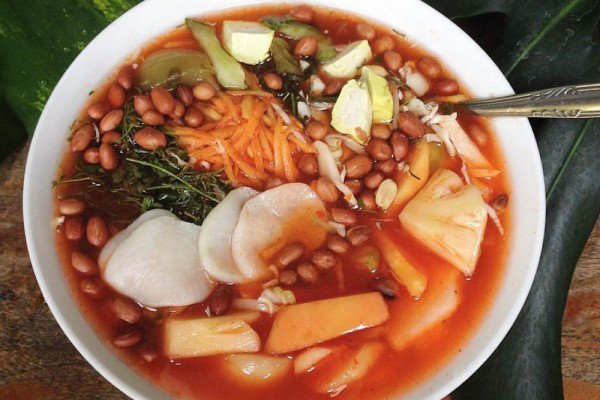
Kyrgyz cuisine is a fusion of various cultures and influences. Traditional dishes like kuurdak, a stew made with lamb or beef, and ashlyamfu, a cold noodle soup, reflect the country’s nomadic lifestyle and the harsh environment. Other dishes like plov, a rice pilaf with carrots and meat, and shashlik, grilled meat skewers, demonstrate the influence of neighboring countries like Uzbekistan and Kazakhstan. Dairy products like kymyz, a fermented mare’s milk, and kurut, a dried yogurt ball, are also an essential part of Kyrgyz cuisine.

Ingredients and Techniques: A Culinary Journey

Kyrgyz cuisine uses a variety of ingredients and techniques to create unique flavors and textures. Meat, especially lamb and beef, is a staple in many dishes. Dairy products like sour cream and butter are used to add richness and flavor. Vegetables like onions, potatoes, and carrots are also common. Techniques like boiling, steaming, and grilling are used to prepare dishes, while spices like cumin, coriander, and chili pepper add depth to flavors.

Conclusion: Kyrgyz Cuisine and Its Rich Heritage

Kyrgyz cuisine is a testament to the country’s rich cultural heritage. The influence of conquerors, the nomadic lifestyle, and the harsh environment have all played a role in shaping the cuisine. From hearty meat dishes to dairy products and bread, Kyrgyz cuisine offers a unique culinary journey. With a focus on simplicity and flavor, it is a reflection of the country’s nomadic roots and its ability to adapt and transform over time.

Introduction: Lebanese cuisine and its history

Lebanese cuisine is renowned for its rich flavors, diverse ingredients, and intricate preparation techniques. It is an amalgamation of various culinary traditions that have been shaped by the country’s long and complex history. Lebanese cuisine reflects the influence of various civilizations and empires that have ruled the country throughout the centuries. The cuisine has been influenced by the Phoenicians, the Ottomans, the French, and the Syrians, among others.

The Phoenician influence on Lebanese cuisine

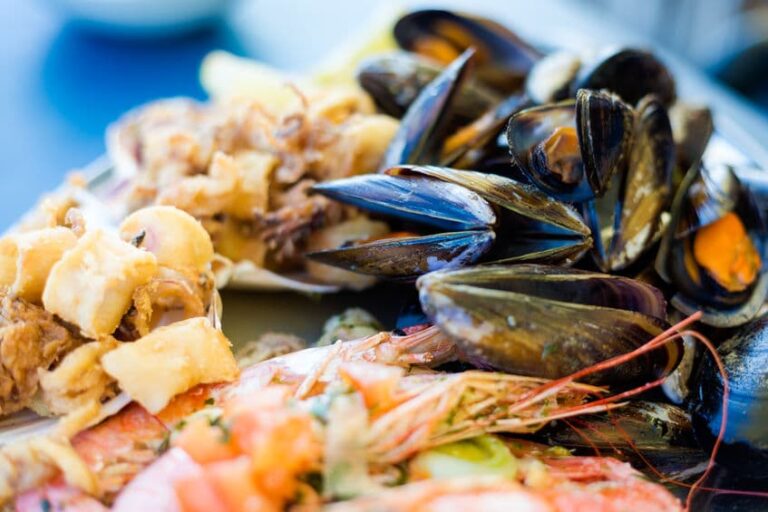
The Phoenicians were one of the most influential civilizations in the eastern Mediterranean region. They were known for their maritime trade, and they established colonies throughout the Mediterranean, including in Lebanon. The Phoenicians introduced a variety of ingredients and cooking techniques to Lebanon, which have played a significant role in shaping Lebanese cuisine. For example, they introduced the use of olive oil, which is a staple ingredient in Lebanese cuisine. They also introduced the use of fish in cooking, which is a popular ingredient in Lebanese seafood dishes.

The impact of the Ottoman Empire on Lebanese cuisine

The Ottoman Empire ruled Lebanon for over four centuries, and its influence can still be seen in Lebanese cuisine today. The Ottomans introduced a variety of spices and herbs to the region, which have become essential ingredients in Lebanese cuisine. Some popular Ottoman-era dishes that are still enjoyed in Lebanon include shawarma, kebab, and mezze. The Ottomans also introduced the use of yogurt in cooking, which is a common ingredient in Lebanese dishes such as labneh and tzatziki.

French influence on modern Lebanese cuisine

Lebanon was under French rule for over two decades in the early 20th century, and the French influence on Lebanese cuisine is still evident today. French culinary techniques and ingredients have been incorporated into traditional Lebanese dishes, resulting in a unique fusion of flavors. For example, the use of butter and cream in Lebanese cuisine is a direct result of French influence. French-inspired dishes such as quiche and croissants have also been adopted into Lebanese cuisine.

Syrian and Palestinian culinary influences

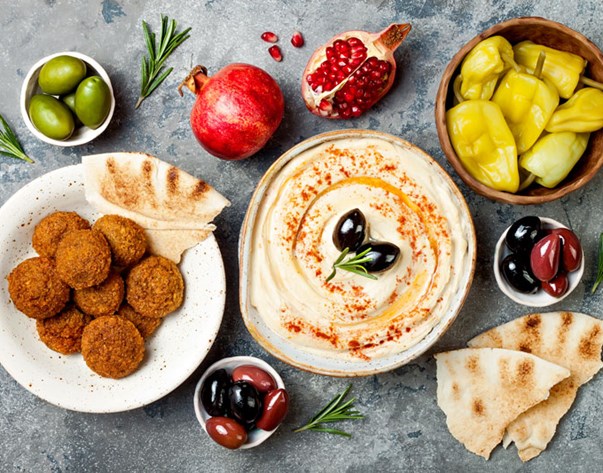
Lebanon shares a border with both Syria and Palestine, and these countries have had a significant influence on Lebanese cuisine. Syrian and Palestinian dishes such as hummus, falafel, and tabbouleh have become staples in Lebanese cuisine. The use of spices such as cumin and coriander in Lebanese dishes also reflects the influence of these neighboring countries.

Conclusion: The rich tapestry of flavors and history in Lebanese cuisine

Lebanese cuisine is a reflection of the country’s long and diverse history. The influence of various civilizations and empires can be seen in the ingredients, techniques, and flavors of Lebanese cuisine. From the Phoenicians to the Ottomans, the French to the Syrians and Palestinians, Lebanese cuisine is a rich tapestry of flavors and history. Today, Lebanese cuisine is enjoyed all over the world, and it continues to evolve as new ingredients and techniques are introduced.

Introduction: Cuisine and Culture in Libya

Cuisine is not only about the taste of food, but it also reflects the culture and history of a place. The Libyan cuisine is a perfect example of this fusion of history and flavor. Libyan cuisine has evolved over time, influenced by the various civilizations that have ruled the country, including Berber, Arab, Ottoman, and Italian. Today, Libyan cuisine is a unique blend of these various influences that makes it a unique and delicious culinary experience.

The Berber Influence in Libyan Cuisine

The Berber people were the first inhabitants of Libya and have played a significant role in the country’s history and culture. The Berber influence in Libyan cuisine can be seen in dishes like couscous, which is a staple food in Libya. Couscous is usually served with stew made of lamb, chicken, or vegetables, and it is a Berber invention that has spread throughout North Africa. Another Berber-inspired dish is Shakshuka, a dish that originated in Tunisia but is also popular in Libya. Shakshuka is made of eggs, tomatoes, onions, and spices, and it is usually served for breakfast.

The Arab Influence in Libyan Cuisine

The Arab influence in Libyan cuisine can be seen in dishes like Bazeen, a traditional Libyan dish made of flour and water, which is similar to Arabic bread. It is usually served with a meat or vegetable stew. Another Arab-inspired dish is Fattoush, a salad made of tomatoes, cucumbers, onions, parsley, and mint, mixed with pieces of toasted bread and a dressing of olive oil and lemon juice.

The Ottoman Influence in Libyan Cuisine

The Ottoman Empire ruled Libya for almost 300 years, and their influence can be seen in Libyan cuisine. One of the most famous Ottoman-inspired dishes is Harisa, a spicy porridge made of wheat, lamb or chicken, and chili paste. Harisa is usually served during Ramadan and other special occasions. Another Ottoman-inspired dish is Pacha, a soup made of sheep’s head, feet, and stomach, which is also served during special occasions.

The Italian Influence in Libyan Cuisine

Italy ruled Libya for 30 years, and their influence can be seen in Libyan cuisine, especially in the coastal cities. One of the most famous Italian-inspired dishes is Pasta with meatballs, which is usually served with tomato sauce and cheese. Another Italian-inspired dish is Sfinz, a type of donut that is usually eaten for breakfast.

Conclusion: A Blend of History and Flavor in Libyan Cuisine

The Libyan cuisine is a perfect example of how food can reflect the culture and history of a place. The various influences from Berber, Arab, Ottoman, and Italian civilizations have contributed to the unique and delicious flavors of Libyan cuisine. The next time you visit Libya, make sure to try some of these dishes and experience the fusion of history and flavor that is Libyan cuisine.

Introduction: Liechtenstein’s historical and cultural background

Liechtenstein is a small, landlocked country in central Europe, with a rich history and culture. The country has a unique identity and has maintained its traditions and customs over the centuries. Liechtenstein was once a part of the Holy Roman Empire and has been ruled by the same family for over 300 years. The country has a cultural heritage that is influenced by its location, history, and neighboring countries.

Traditional dishes in Liechtenstein

Liechtenstein’s cuisine is influenced by its location and neighboring countries. The country’s traditional dishes are simple, rustic, and hearty, made with fresh, local ingredients. Some of the popular dishes in Liechtenstein include Käsknöpfle, a cheese spaetzle dish, and Ribel, a type of polenta made with cornmeal. Another dish that is popular in Liechtenstein is Hafalaab, a type of doughnut that is typically served with jam or honey.

Influences of neighboring countries in Liechtenstein’s cuisine

Liechtenstein’s cuisine has been influenced by its neighboring countries, Switzerland and Austria. The country’s traditional dishes are similar to those found in these two countries. Some dishes, such as Käsknöpfle, are also popular in these neighboring countries. Additionally, Liechtenstein’s cuisine has been influenced by Germany and Italy, both of which are located near the country.

The impact of agriculture and livestock on the Liechtenstein cuisine

Agriculture and livestock play a significant role in Liechtenstein’s cuisine. The country has a long tradition of farming and agriculture, and many of its traditional dishes are made with fresh, local ingredients. Liechtenstein’s cuisine features a variety of meats, including beef, pork, and game, as well as dairy products, such as cheese and milk. The country’s agricultural heritage is reflected in many of its traditional dishes.

The role of festivals and celebrations in Liechtenstein’s culinary culture

Festivals and celebrations play an important role in Liechtenstein’s culinary culture. The country has a number of annual festivals and events that celebrate its culture, traditions, and cuisine. Many of these festivals feature traditional dishes and local specialties, such as Hafalaab and Käsknöpfle. These events provide an opportunity for locals and tourists alike to sample the country’s culinary delights and learn more about its culture and traditions.

The future of Liechtenstein’s cuisine: embracing modern influences

Liechtenstein’s cuisine is evolving and embracing modern influences. While the country’s traditional dishes continue to be popular, there is also a growing interest in new and innovative cuisine. Liechtenstein’s chefs are experimenting with new techniques, ingredients, and flavors, and are incorporating global influences into their dishes. The country’s culinary culture is adapting to the changing tastes and preferences of its residents and visitors, while still maintaining its unique identity and heritage.

Introduction: The Lithuanian cuisine

Lithuanian cuisine is an integral part of the country’s cultural heritage. The cuisine is a reflection of historical events, cultural traditions, and natural resources available in the region. Lithuanian cuisine is known for its simplicity, hearty ingredients, and unique flavors. The traditional dishes are made from locally sourced ingredients, including potatoes, meat, dairy products, and seasonal vegetables.

The Lithuanian cuisine is not widely known internationally, but it is gaining popularity among foodies and travelers. The cuisine has a distinct identity, which sets it apart from the neighboring countries. Lithuanian cuisine has a rich history, and it is interesting to explore the influences of historical events and cultural traditions on the cuisine.

Historical events shaping Lithuanian cuisine

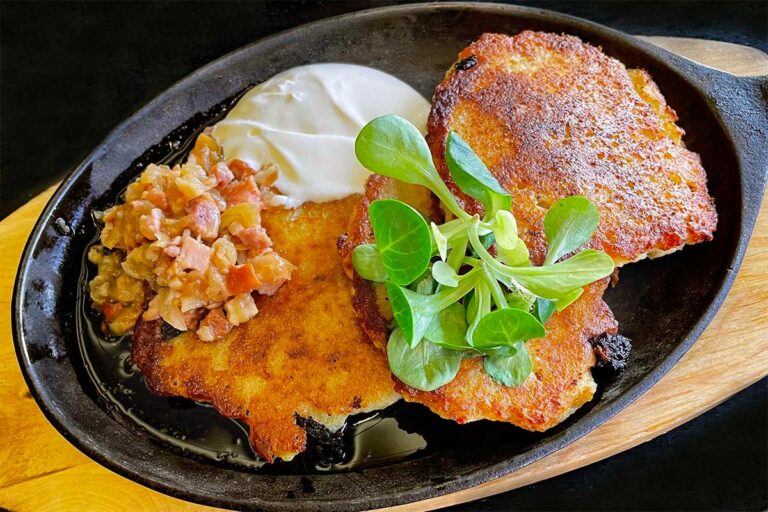
The Lithuanian cuisine has been influenced by various historical events, including the country’s occupation by the Soviet Union and German invaders. During the Soviet occupation, Lithuanians had to rely on basic ingredients, such as potatoes, to survive. As a result, the cuisine became simple, hearty, and filling. The traditional dishes, such as cepelinai (potato dumplings with meat or mushroom filling) and kugelis (potato pudding), became popular during this period.

During the German occupation, the cuisine was influenced by German cuisine. Lithuanians adopted some of the German recipes and ingredients, such as sauerkraut, sausage, and beer. However, the Lithuanian cuisine maintained its identity by incorporating local ingredients and flavors. For example, the Lithuanian version of sauerkraut is made with cranberries, and the sausage is flavored with juniper berries.

Influence of neighboring countries on Lithuanian cuisine

Lithuanian cuisine has been influenced by the neighboring countries, including Poland, Russia, Belarus, and Germany. Polish cuisine has had the most significant influence on Lithuanian cuisine. The traditional Lithuanian dish, kibinai (pastry filled with meat and vegetables), is a variation of Polish pierogi. The Lithuanian version is larger and has a flakier pastry.

Russian cuisine has also influenced Lithuanian cuisine, especially in the northern regions of the country. Lithuanian cuisine has adopted some of the Russian recipes and ingredients, such as borscht (beetroot soup) and pelmeni (dumplings filled with meat).

Traditional Lithuanian dishes and their origin

Traditional Lithuanian dishes have their origin in historical events, cultural traditions, and natural resources. Some of the most popular traditional Lithuanian dishes are cepelinai (potato dumplings with meat or mushroom filling), kugelis (potato pudding), kibinai (pastry filled with meat and vegetables), saltibarsciai (cold beetroot soup), and vÄ—darai (pig’s intestines stuffed with potatoes and meat).

Cepelinai is considered the national dish of Lithuania and has its origin in the early 19th century. The dish was named after the famous airship inventor, Count Ferdinand von Zeppelin. Kugelis is another popular Lithuanian dish, which originated in the 16th century. The dish was popular among Lithuanian nobility and was made with grated potatoes, bacon, and onions.

Lithuanian ingredients and their significance

Lithuanian cuisine relies heavily on locally sourced ingredients, including potatoes, meat, dairy products, and seasonal vegetables. Potatoes are the staple ingredient in Lithuanian cuisine and are used in many traditional dishes. Lithuanians have a reputation for making the best potato dishes in the world.

Another significant ingredient in Lithuanian cuisine is dairy products, such as cheese and sour cream. The cheese is made from cows, sheep, and goats milk and is used in many traditional Lithuanian dishes. Sour cream is used as a topping for many traditional dishes, including kugelis and cepelinai. The vegetables used in Lithuanian cuisine are seasonal and include beets, cabbage, and carrots.

Modern twists on Lithuanian cuisine

Lithuanian cuisine has evolved over time, and chefs are experimenting with modern twists on traditional dishes. Many restaurants in Lithuania offer a contemporary take on traditional Lithuanian dishes, using locally sourced ingredients. Chefs are incorporating international flavors and techniques, creating fusion dishes that are unique and delicious.

The modern twists on Lithuanian cuisine include dishes such as smoked eel with beetroot and horseradish foam, crispy birch bark with goat cheese, and venison with wild mushroom sauce. The modern Lithuanian cuisine is gaining popularity among foodies and travelers, who are looking for a unique culinary experience.

In conclusion, Lithuanian cuisine is a reflection of historical events, cultural traditions, and natural resources available in the region. The cuisine has a distinct identity, which sets it apart from the neighboring countries. Lithuanian cuisine is simple, hearty, and flavorful, and it is gaining popularity among foodies and travelers.

Introduction: Malaysia’s diverse cuisine

Malaysia is known for its diverse cuisine, which is influenced by a range of cultures and historical events. The country’s cuisine is a testament to the melting pot of cultures, ethnicities, and religions that have shaped Malaysia’s history. Malaysian cuisine reflects not only the country’s geography but also its history, as well as the influence of China, India, and neighbouring countries.

Historical events and their impact on cuisine

The historical events that have shaped Malaysia’s cuisine include the arrival of Islam in the 14th century, which resulted in a halal diet that excludes pork and alcohol. The colonial period also had an impact on Malaysian cuisine, as the Portuguese, Dutch, and British introduced new ingredients and cooking techniques. The influence of these colonial powers can still be seen in the use of ingredients such as potatoes, tomatoes, bread, and tea in Malaysian cuisine.

Colonialism and its influence on Malaysian cuisine

The British colonial period had a significant impact on Malaysian cuisine, with the introduction of new ingredients and cooking techniques. British traders brought with them a range of spices, such as cloves, nutmeg, and mace, which were incorporated into local dishes. The British also introduced the concept of afternoon tea, which has since become a popular pastime in Malaysia.

Influence of Chinese and Indian migrants

Chinese and Indian migrants have also had a significant impact on Malaysian cuisine. Chinese migrants brought with them noodles, dumplings, and stir-fry dishes, while Indian migrants introduced curries, rotis, and biryanis. These dishes have been adapted over time to suit local tastes and ingredients, resulting in the creation of unique Malaysian dishes such as nasi lemak and char kuey teow.

Fusion cuisine and its popularity

Fusion cuisine, which combines elements of different culinary traditions, has become increasingly popular in Malaysia. This can be seen in dishes such as the Malay-Indian dish of nasi kandar, which features Malay-style rice served with Indian curries. Other examples of fusion cuisine include the Chinese-Malay dish of yong tau foo, which consists of tofu stuffed with vegetables and meat, and the Portuguese-Malay dish of devil’s curry, which is made with a spicy sauce and local ingredients.

Conclusion: A rich and diverse culinary heritage

In conclusion, Malaysian cuisine reflects a rich and diverse culinary heritage that has been shaped by a range of cultural influences and historical events. The cuisine features a range of unique dishes that are a testament to the country’s melting pot of cultures and religions. Malaysian cuisine continues to evolve and adapt, with new ingredients and cooking techniques being incorporated into traditional dishes, resulting in a cuisine that is both traditional and modern.

Introduction: Malta’s Rich History

Malta is an archipelago in the Mediterranean Sea and its location has always been of strategic importance throughout history. Despite its small size, it has had a long and complex history, with influences from various civilizations. This has led to a diverse cuisine that is a reflection of its historical events and occupations.

Ancient Influences on Maltese Cuisine

The earliest known inhabitants of Malta were the Phoenicians, who introduced olive oil, fruit, and vegetables to the island. The Greeks and Romans also left their mark on Maltese cuisine, introducing the use of herbs, spices, and fruits such as grapes and figs. The Maltese also adopted the Mediterranean practice of preserving food, such as fish, in salt or vinegar.

Arab Occupation and its Effects on Food

The Arab occupation of Malta from the 9th to the 11th century heavily influenced Maltese cuisine. The Arabs introduced new crops such as carob, dates, and citrus fruits, and also brought with them new cooking techniques such as frying and the use of spices like cinnamon, saffron, and cumin. Many of these ingredients and techniques are still used in Maltese cuisine today.

Knights of St. John and the Culinary Impact

The Knights of St. John ruled Malta from 1530 to 1798 and had a significant impact on Maltese cuisine. They introduced new ingredients such as rabbit, which is still a staple in Maltese cuisine, and also brought over chefs from Italy and France who introduced new cooking techniques and dishes. The Knights also established gardens on the island, which provided fresh produce for their kitchens.

British Rule and Modern Maltese Cuisine

Malta was a British colony from 1814 to 1964, and this period also had an impact on Maltese cuisine. The British introduced new ingredients such as tea and baked goods like pies and pasties. They also established large-scale farming on the island, which led to the cultivation of new crops such as potatoes, tomatoes, and onions.

Conclusion: Tracing the Historical Roots of Maltese Cuisine

In conclusion, Maltese cuisine is a reflection of its rich history and diverse influences. From the ancient Phoenicians to the Knights of St. John and the British, each historical event and occupation has left its mark on Maltese cuisine. Today, Maltese cuisine is a fusion of traditional Mediterranean ingredients and modern influences, making it a unique and delicious cuisine that is worth exploring.

Introduction: Romanian Cuisine

Romanian cuisine is a product of its geography and rich history. It is a blend of Romanian, Ottoman, Austro-Hungarian, and Moldovan cuisines, which were influenced by neighboring countries and historical events. Romania is a country known for its hearty, traditional dishes made with fresh ingredients and a range of flavors.

Influences from Neighboring Countries

Romanian cuisine has been heavily influenced by its neighboring countries. Its location in Southeast Europe places it at the crossroads of various culinary traditions. Romania shares its borders with countries such as Hungary, Serbia, Bulgaria, Ukraine, and Moldova. As a result, Romanian cuisine has been influenced by the flavors and ingredients of these nations. For example, the use of paprika in traditional Romanian dishes was introduced by the Hungarians. Similarly, the Bulgarian influence can be seen in the use of yogurt in many Romanian dishes.

Influences from Historical Events

Romanian cuisine has also been shaped by historical events. The country has experienced a turbulent past, with various empires and powers ruling over it over the years. These events have had a significant impact on Romanian cuisine. The Ottoman Empire ruled over Romania for many years, and their influence can be seen in the use of spices such as cinnamon, cloves, and cumin in Romanian dishes. The Austro-Hungarian Empire also left its mark, with the introduction of dishes such as schnitzel and strudel.

Ottoman Influence on Romanian Cuisine

The Ottoman Empire ruled over Romania for over 500 years, leaving a rich culinary legacy. The Ottomans introduced new spices and ingredients to Romania, which are still used in traditional dishes today. For example, Turkish coffee, baklava, and kebabs are all popular dishes in Romania. The Ottoman influence can also be seen in the use of lamb and beef in traditional Romanian dishes.

Austro-Hungarian Influence on Romanian Cuisine

The Austro-Hungarian Empire ruled over Romania for a brief period, but their influence on Romanian cuisine was significant. They introduced new dishes such as schnitzel and strudel, which are still popular in Romania today. The Austro-Hungarian influence can also be seen in the use of pork in many traditional Romanian dishes. Additionally, they introduced new techniques such as baking, which has become an integral part of Romanian cuisine.

Moldovan Influence on Romanian Cuisine

Moldova is a neighboring country with a shared cultural heritage with Romania. The Moldovan influence on Romanian cuisine can be seen in the use of pickled vegetables, sour cream, and soft cheese in traditional dishes. Moldovan cuisine has also influenced the use of cornmeal in Romanian dishes, which is a staple in Moldovan cuisine.

In conclusion, Romanian cuisine is a unique blend of various culinary traditions, shaped by its geography and rich history. The influences from neighboring countries and historical events have made Romanian cuisine a melting pot of flavors and ingredients. Romanian cuisine is a testament to the country’s rich cultural heritage and is a must-try for anyone visiting Romania.

Introduction: Russian Cuisine and its Influences

Russian cuisine is known for its hearty, comforting dishes that make use of simple ingredients like potatoes, cabbage, and meat. It’s a cuisine that has been shaped over the centuries by a variety of influences, from neighboring countries to historical events to modern globalization. Understanding these influences can help us appreciate the richness and diversity of Russian cuisine.

Neighboring Countries: The Impact of Eastern Europe

One of the biggest influences on Russian cuisine comes from its neighbors to the west, particularly Poland, Germany, and Austria. These countries have contributed a number of dishes to the Russian repertoire, including pierogi (dumplings stuffed with meat or cheese), schnitzel (breaded fried meat), and strudel (a pastry filled with fruit or cheese). These dishes have been adapted over time to suit Russian tastes, incorporating local ingredients and cooking techniques.

Asian Influences: Mongolian and Chinese Cuisine

To the east, Russian cuisine has been influenced by Asia, particularly Mongolian and Chinese cuisine. Mongolian cuisine is known for its hearty meat dishes, which have been incorporated into Russian cuisine in the form of dishes like shashlik (grilled meat kebabs). Chinese cuisine has had a more subtle influence, with flavors like soy sauce, ginger, and garlic making their way into Russian dishes like borscht (beet soup) and pelmeni (dumplings filled with meat).

Historical Events: The Role of Political Changes

Historical events have also played a major role in shaping Russian cuisine. The Mongol invasion of the 13th century brought new ingredients like kefir (a fermented milk drink) and spices like cumin and coriander to the region. The reign of Peter the Great in the 18th century brought French cuisine to the Russian court, and the resulting fusion of French and Russian cooking styles can still be seen in dishes like beef stroganoff and chicken kiev.

The Influence of French Cuisine: Catherine the Great

One of the most significant historical events for Russian cuisine was the reign of Catherine the Great in the late 18th century. Catherine was a lover of French culture and brought French chefs to the Russian court to create lavish meals for her guests. This influence can be seen in dishes like beef Wellington, which has a Russian counterpart called “beef a la russe.” The influence of French cuisine on Russian cooking can still be seen today, with many Russian chefs incorporating French techniques and ingredients into their dishes.

Modern Influences: Globalization and Fusion Cuisine

In the modern era, Russian cuisine has been influenced by globalization and the rise of fusion cuisine. Chefs are experimenting with new ingredients and flavors, creating dishes that blend traditional Russian recipes with international influences. For example, sushi rolls filled with pickled herring and sour cream are a popular fusion dish in Russia. As Russian cuisine continues to evolve, it will be interesting to see how these modern influences shape the traditional dishes that have been beloved for centuries.

Introduction: Trinidadian Cuisine

Trinidadian cuisine is a mix of African, Indian, European, and indigenous influences, making it one of the most diverse cuisines in the Caribbean. The cuisine is known for its bold flavors, vibrant colors, and varied textures. The use of spices and herbs is a hallmark of Trinidadian cuisine, and traditional dishes are often eaten with rice, roti, or bread.

The Importance of Carnival in Trinidad and Tobago

Carnival is the biggest event in Trinidad and Tobago’s cultural calendar, and it is celebrated with great enthusiasm and passion. The origins of carnival in Trinidad and Tobago can be traced back to the early 19th century when slaves were allowed to take a break from work and celebrate the pre-Lenten season. Today, carnival is a time for Trinidadians to celebrate their cultural identity, express their creativity, and enjoy the abundance of food, music, and dance.

Traditional Dishes for Carnival Celebrations

One of the most popular dishes during carnival in Trinidad and Tobago is callaloo. Callaloo is a soup made with taro leaves, coconut milk, and various meats or seafood. It is often served with rice or bread and is a staple dish during the carnival season. Another traditional dish is pelau, a one-pot rice dish made with chicken, pigeon peas, and a variety of spices. Pelau is often served with a side of coleslaw and fried plantains.

Popular Foods for Festive Occasions

Other popular dishes during festive occasions in Trinidad and Tobago include curry goat, roti, and doubles. Curry goat is a spicy curry made with goat meat, potatoes, and a variety of spices. Roti is a type of flatbread that is filled with curried vegetables, chicken, beef, or goat. Doubles are a popular street food made with two pieces of fried bread filled with curried chickpeas, cucumber, and chutney.

Street Foods: A Carnival Tradition

Trinidad and Tobago’s carnival is known for its lively street parties, and street food is an integral part of the festivities. Some of the most popular street foods during carnival include bake and shark, corn soup, and corn on the cob. Bake and shark is a sandwich made with fried shark meat and various toppings such as lettuce, tomato, and pineapple sauce. Corn soup is a hearty soup made with corn, meats, and vegetables. Corn on the cob is a simple but delicious snack that is often served with butter and salt.

Conclusion: The Diversity of Trinidadian Cuisine

Trinidadian cuisine is a reflection of the island’s rich cultural heritage, and the dishes that are popular during carnival and festive occasions are testament to this diversity. From hearty soups to spicy curries, Trinidadian cuisine is full of bold flavors and textures that are sure to satisfy any palate. Whether you’re a local or a visitor, experiencing the food of Trinidad and Tobago is an essential part of any cultural experience.