Tag

herbal

Browsing

Introduction: Exploring Ecuadorian Beverages

Ecuador, a country located in South America, is known for its diverse cultural heritage and natural wonders. But its culinary delights remain a lesser-known aspect of the country’s identity. Ecuadorian cuisine is a fusion of indigenous, Spanish, and African influences, which is reflected in its traditional beverages. In this article, we’ll explore some of the most popular Ecuadorian herbal infusions and alcoholic beverages that offer a taste of the country’s unique flavors and aromas.

Herbal Infusions: Taste and Health Benefits

Herbal infusions are an essential part of Ecuadorian culture and are often consumed for their health benefits. The most popular herbal infusions in Ecuador are chamomile tea, horchata, and chicha. These infusions are made using natural ingredients, including herbs, fruits, and grains, and are known for their refreshing taste and medicinal properties.

Chamomile Tea: A Relaxing and Soothing Drink

Chamomile tea is a popular herbal infusion in Ecuador, known for its relaxing and soothing properties. It is made using chamomile flowers, which are boiled in water and served with a dash of sugar or honey. Chamomile tea is believed to aid digestion, reduce stress and anxiety, and promote better sleep. In Ecuador, it is commonly served as a bedtime drink or after a heavy meal.

Horchata: A Refreshing Cinnamon Rice Drink

Horchata is another popular herbal infusion in Ecuador, made using ground rice and cinnamon. It is sweetened with sugar and served chilled for a refreshing and satisfying drink. Horchata is believed to aid digestion, reduce inflammation, and boost energy levels. It is commonly served during festivals and celebrations as a festive drink.

Chicha: A Fermented Corn Beverage with a Twist

Chicha is a fermented corn beverage that has been a part of Ecuadorian culture for centuries. It is made using maize, which is chewed and fermented before being flavored with various fruits and spices. Chicha has a mild alcohol content and is known for its unique taste. In Ecuador, it is commonly served during festivals and celebrations.

Alcoholic Beverages: A Taste of Ecuador

Ecuador is known for its rich and flavorful alcoholic beverages, which are enjoyed by locals and tourists alike. The most popular alcoholic beverages in Ecuador are canelazo and Pilsener beer.

Canelazo: A Popular Cinnamon and Fruit Punch

Canelazo is a popular alcoholic beverage in Ecuador, made using cinnamon, sugar, and fruit juice. It is commonly served warm and is known for its sweet and spicy taste. Canelazo is believed to aid digestion and provide relief from cold and flu-like symptoms. It is commonly enjoyed during the festive season, particularly in the highlands.

Pilsener: The Most Famous Ecuadorian Beer

Pilsener is the most famous beer in Ecuador. It is a light, golden lager that is known for its crisp and refreshing taste. Pilsener is brewed using locally sourced ingredients, including barley and hops, and is enjoyed by locals and tourists alike. It is often served with traditional Ecuadorian food, including ceviche and empanadas.

In conclusion, Ecuadorian beverages offer a unique taste of the country’s cultural heritage and natural abundance. Whether you’re looking for a refreshing herbal infusion or a flavorful alcoholic beverage, Ecuador has something to offer. So, next time you’re in Ecuador, make sure to try some of these traditional drinks and experience the country’s diverse and vibrant flavors.
Introduction: Exploring Lesotho’s Traditional Healing Practices

Lesotho is a small landlocked country in Southern Africa with a rich cultural heritage. Traditional healing practices have been an integral part of the Basotho community for centuries. Their remedies are a combination of spiritual beliefs, medicinal herbs, and rituals passed down from generation to generation. While modern medicine has become more accessible, traditional healing practices still hold significant value for many Basotho people.

Lesotho’s Cuisine: A Blend of Traditional and Modern Influences

Lesotho’s cuisine reflects its unique cultural heritage, with a blend of traditional and modern influences. Basotho cuisine is mainly made up of meat, vegetables, and grains. The most common meat used is mutton, followed by beef, chicken, and pork. Maize is a staple food, and it is usually eaten as a porridge called “pap” or “phuthu.” In recent years, modern influences such as fast food chains have started to emerge in Lesotho’s urban areas.

The Role of Traditional Healing Practices in Lesotho’s Cuisine

Traditional healing practices play a crucial role in Basotho cuisine. Many of the herbs used in traditional healing remedies are also used in cooking. For example, the “mohodu” plant is used in traditional medicine to treat stomach ailments and is also used in cooking to add flavor to some dishes. Similarly, “seketi” is a herb used in traditional medicine to alleviate flu symptoms and is also used in cooking to add flavor to meats.

The Use of Herbal Remedies in Lesotho’s Traditional Cuisine

Herbs are widely used in Basotho cuisine, and many of them are believed to have medicinal properties. For example, “mokopa” is an herb used in traditional medicine to treat chest infections, and it is also used in cooking to add flavor to meats. “Kolo” is another herb used in traditional medicine to treat stomach ailments, and it is also used in cooking to add flavor to vegetables.

Examining the Health Benefits of Lesotho’s Traditional Cuisine

Lesotho’s traditional cuisine is generally considered to be healthy due to its reliance on fresh, whole foods. The use of herbs and spices in cooking is also believed to have health benefits. For example, “hare” is a herb used in traditional medicine to treat high blood pressure, and it is also used in cooking to add flavor to meats and vegetables.

Conclusion: Preserving Lesotho’s Traditional Heritage in its Cuisine

Lesotho’s traditional healing practices and herbal remedies have been an integral part of Basotho culture for centuries. The use of these remedies in cooking has helped to preserve this cultural heritage. As Lesotho continues to modernize, it is essential to preserve traditional practices and incorporate them into modern cuisine. Doing so will help to maintain the unique cultural identity of Lesotho and ensure that its heritage is passed down to future generations.

Introduction: Malagasy Traditional Medicine and Cuisine

Madagascar, the fourth largest island in the world, is known for its unique biodiversity. The Malagasy people, who inhabited the island for over two millennia, have a rich cultural heritage and a unique cuisine that reflects their distinct traditions and beliefs. Traditional medicine has been an integral part of Malagasy culture, and it has influenced the local cuisine in many ways.

Malagasy cuisine is characterized by the use of a wide variety of herbs, spices, and vegetables that are grown locally. These ingredients are not only used for their culinary value but also for their medicinal properties. In this article, we will explore how Malagasy traditional medicine and herbal remedies have influenced the local cuisine, and how they can contribute to our health and well-being.

Malagasy Herbal Remedies and Their Culinary Uses

Malagasy traditional medicine is based on the use of medicinal plants, which are believed to have healing properties for various ailments. Many of these plants are also used in the local cuisine, where they add flavor and nutritional value to dishes. For example, the leaves of the ravintsara plant, which is traditionally used to treat respiratory diseases, are used to flavor soups and stews. The leaves of the kintana plant, which is used to treat digestive problems, are used to add flavor to rice dishes.

Other commonly used herbs and spices in Malagasy cuisine include ginger, garlic, turmeric, and lemongrass. These ingredients are known for their anti-inflammatory and anti-microbial properties, and they are used to enhance the flavor and nutritional value of dishes. For example, ginger and garlic are used to flavor meat and fish dishes, while turmeric is used to color and flavor rice dishes.

Medicinal Plants in Malagasy Cuisine: A Closer Look

Malagasy traditional medicine uses a wide variety of medicinal plants, many of which are also used in the local cuisine. Some of the most commonly used plants include the following:

  • Voanjobory: This plant is traditionally used to treat stomach ache and diarrhea. Its leaves are used to flavor soups and stews.
  • Tsiperifery: These berries are traditionally used to treat digestive problems and respiratory diseases. They are used to flavor meat and fish dishes.
  • Tsaramaso: This plant is traditionally used to treat fever and flu. Its leaves are used to flavor soups and stews.
  • Pachypodium lamerei: This plant is traditionally used to treat snake bites and respiratory diseases. Its roots are used to flavor meat and fish dishes.

Nutritional and Health Benefits of Malagasy Ingredients

Many of the herbs, spices, and vegetables used in Malagasy cuisine have nutritional and health benefits. For example, ginger has anti-inflammatory and anti-microbial properties, and it can help to reduce nausea and vomiting. Garlic is rich in antioxidants, which can help to prevent chronic diseases such as cancer and heart disease. Turmeric has anti-inflammatory properties, and it can help to reduce pain and inflammation.

In addition to their medicinal properties, many of these ingredients are also rich in vitamins and minerals. For example, the leaves of the ravintsara plant are rich in vitamin C and iron, while the leaves of the kintana plant are rich in calcium and vitamin A. By incorporating these ingredients into our diet, we can not only enjoy their delicious flavor but also reap their many health benefits.

Ethics and Sustainability in the Use of Traditional Medicine

While traditional medicine has many benefits, it is important to use it in an ethical and sustainable way. Many medicinal plants are becoming endangered due to overharvesting and habitat destruction. It is important to ensure that the use of these plants is sustainable and that local communities are involved in their conservation.

In addition, it is important to consider the cultural context of traditional medicine and to respect the knowledge and practices of local communities. Traditional medicine is not a substitute for modern medicine, and it should not be used to exploit or marginalize local communities.

Future Prospects for Malagasy Traditional Medicine in Cuisine

Malagasy traditional medicine has a rich history and a promising future in cuisine. By incorporating medicinal plants into our diets, we can not only enjoy their delicious flavor but also reap their many health benefits. In addition, the use of indigenous ingredients can help to promote local biodiversity and support sustainable agriculture.

As interest in traditional medicine and local cuisine grows, there is a growing need for research and education in this field. It is important to document and preserve traditional knowledge and to promote responsible and sustainable use of medicinal plants. By doing so, we can ensure that the rich cultural heritage of Malagasy traditional medicine is preserved for generations to come.

Introduction: Maldives’ Traditional Medicine and Herbal Remedies

Maldives has a rich history of traditional medicine and herbal remedies that have been used for centuries to treat various ailments, ranging from the common cold to more severe illnesses. The Maldivian traditional medicine system has its roots in Ayurveda, which originated in India and was later adopted by the Maldivian people. Traditional medicine in Maldives is influenced by the country’s geographical location and environment, which is surrounded by the sea and abundant in tropical vegetation.

Traditional medicine in Maldives includes herbal remedies, massage therapy, and spiritual healing. Maldivian traditional medicine practitioners, known as “hakim,” use a combination of herbs, spices, and other natural ingredients to prepare medicines that are believed to have healing properties. These medicines are usually administered orally or applied topically. While modern Western medicine is widely available in Maldives today, traditional medicine continues to be an important part of the country’s healthcare system and cultural heritage.

The Maldivian Diet: Ingredients and Cooking Methods

The Maldivian diet is largely based on seafood, coconut, and rice, which are cooked using a variety of methods, including boiling, grilling, and frying. Maldivian cuisine is known for its distinctive taste, which is achieved through the use of a wide range of herbs and spices. Some of the most commonly used herbs and spices in Maldivian cuisine include cumin, cinnamon, cardamom, fenugreek, and coriander.

In addition to seafood, coconut, and rice, Maldivian cuisine also includes a variety of vegetables and fruits, such as pumpkin, eggplant, mango, and papaya. These ingredients are often used to prepare curries, which are a staple of Maldivian cuisine. The use of fresh ingredients is emphasized in Maldivian cooking, and many traditional dishes are made using locally sourced produce.

The Use of Herbs and Spices in Maldivian Cuisine

Herbs and spices are an essential part of Maldivian cuisine and are used to enhance the flavor and aroma of dishes. Some of the most commonly used herbs and spices in Maldivian cuisine include ginger, garlic, curry leaves, and pandan leaves. These ingredients are often used in marinades, curries, and other dishes to add depth and complexity to the flavor profile.

In addition to being used for their culinary properties, many herbs and spices used in Maldivian cuisine also have medicinal properties. For example, ginger is believed to aid digestion and reduce inflammation, while garlic is believed to have antibacterial properties. Pandan leaves are used in traditional medicine to treat headaches and other ailments. The use of herbs and spices in Maldivian cuisine is thus not only a matter of taste but also serves a medicinal purpose.

Traditional Maldivian Beverages: Health Benefits and Medicinal Properties

Traditional Maldivian beverages are an important part of the country’s culinary heritage and are often consumed for their health benefits and medicinal properties. One such beverage is “kattaru,” which is made from the sap of the coconut palm. Kattaru is believed to be rich in vitamins and minerals and is commonly consumed to treat dehydration and other ailments.

Another popular Maldivian beverage is “black tea,” which is prepared by boiling tea leaves with water and adding sugar and milk. Black tea is believed to have a range of health benefits, including boosting the immune system and improving digestion. Other traditional Maldivian beverages include “kurumba” (coconut water) and “fai dheo” (a drink made from a mixture of coconut water and toddy).

Maldivian Cuisine and Health: Science and Evidence-based Findings

While traditional medicine and herbal remedies have been used in Maldives for centuries, there is a growing interest in the scientific study of these practices. Researchers are investigating the medicinal properties of various herbs and spices used in Maldivian cuisine and the health benefits of traditional Maldivian beverages.

For example, studies have shown that ginger may have anti-inflammatory and pain-relieving properties, while garlic may help lower blood pressure and cholesterol levels. Research has also shown that coconut water may be effective in treating dehydration and restoring electrolyte balance in the body. These findings suggest that traditional Maldivian practices have the potential to contribute to modern healthcare practices.

Conclusion: Embracing Maldives’ Traditional Knowledge in Modern Culinary Practices

In conclusion, Maldives’ traditional medicine and herbal remedies have had a significant influence on the country’s cuisine. The use of herbs and spices in Maldivian cooking not only contributes to the flavor and aroma of dishes but also serves a medicinal purpose. Traditional Maldivian beverages are also consumed for their health benefits and medicinal properties.

As the interest in traditional medicine and herbal remedies grows, there is a need to embrace Maldives’ traditional knowledge in modern culinary practices. By incorporating traditional Maldivian ingredients and cooking methods into modern cuisine, we can not only preserve the country’s cultural heritage but also promote health and well-being.

Alkaloids are among the secondary plant active substances. They are contained, for example, in potatoes, tomatoes or coffee. Alkaloids can have beneficial health effects. You can find out what you need to consider here.

What are alkaloids?

Alkaloids are alkaline substances found in food and beverage plants. They contain nitrogen and are the end product of plant metabolism. There are up to 8000 different alkaloids. They are formed as derivatives of various amino acids, such as lysine, phenylalanine or tryptophan. The alkaloids protect the plants from eating and regulate plant growth.

Alkaloids can have physiological effects on the organism and are therefore used in many medicines. For example, they have a euphoric or stimulating effect. However, if the dosage is too high, alkaloids can also be very harmful, as they are among the primary toxic plant substances. They are also found in many stimulants, such as nicotine and caffeine.

Where are alkaloids found?

According to Dr. O. Ploss (Klostermedizin, Knaur-Verlag) in 10-15 percent of all plants. Above all, nightshade plants such as tomatoes or potatoes contain the plant substances. But they are also found in other typical foods and luxury foods:
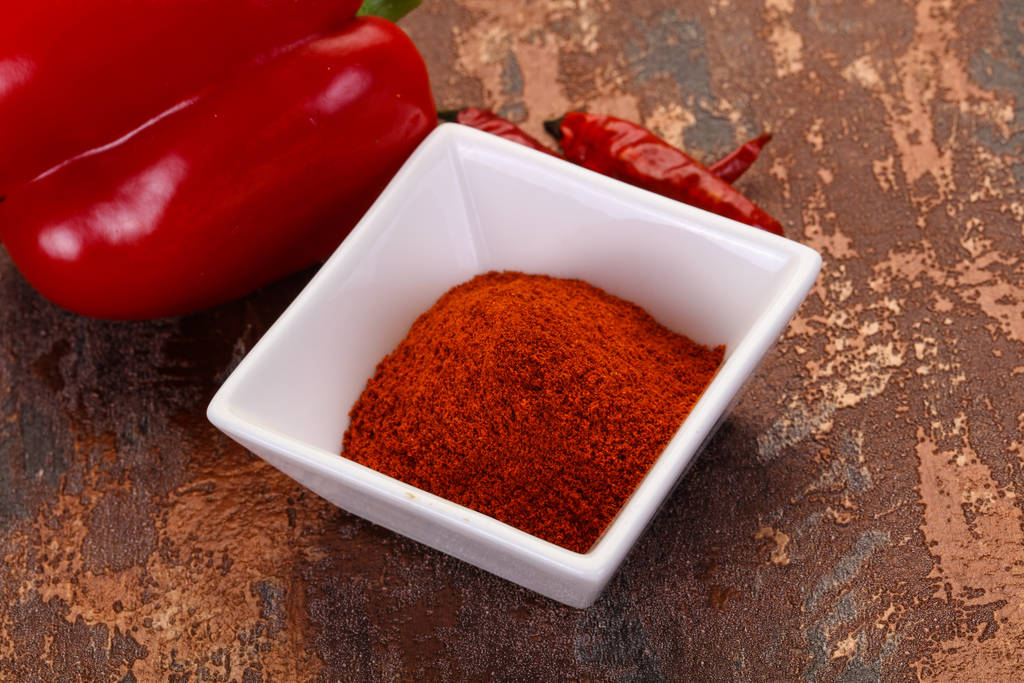
paprika
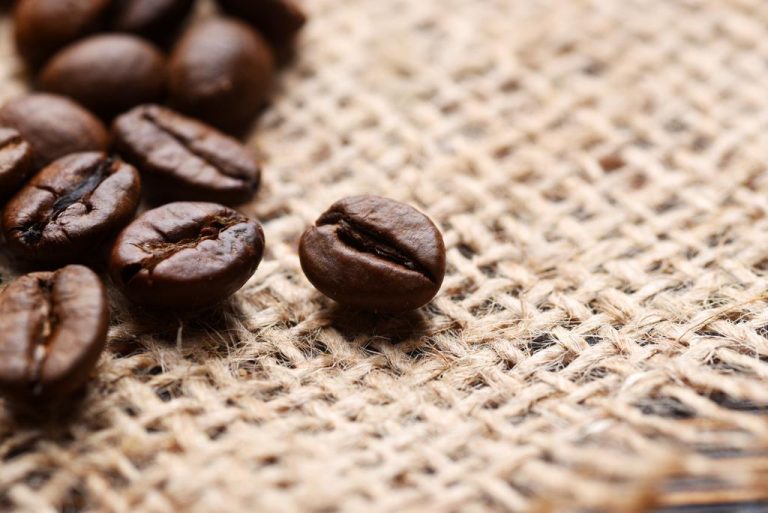
Coffee
tea
Tonic water (drinks containing quinine)
opium poppy
tobacco
Depending on the type of chemical composition, alkaloids are used in medicines or dietary supplements.

They are also a component of many intoxicants because they can dock onto receptors in the human nervous system and are quickly absorbed by the body. Many alkaloids (such as nicotine or morphine) can cause strong addictions in humans.

How are alkaloids to be assessed from a health perspective?

Due to their effect on the human organism, alkaloids are used in medicines or dietary supplements.

Some alkaloids, such as vincristine, are said to be used in the treatment of cancer. There is no scientific evidence of its effectiveness.
Other alkaloids such as quinine, ephedrine or berberine are also components of various medications and can have anti-bacterial and anti-viral effects.
Steroids, which also belong to the alkaloids, also have important functions as hormones in animal and human organisms.
As already mentioned, however, alkaloids are not harmless. Due to their mind-altering properties, they are often found in intoxicants. In higher doses, they can even be life-threatening.

For example, the alkaloid solanine, found in the green parts of tomatoes or potatoes, can cause gastrointestinal discomfort, fatigue, headaches or shortness of breath. It is therefore advisable to store alkaloid-containing vegetables protected from light and to prepare them when ripe (tomatoes) and without green spots (potatoes).

Making wild garlic salt is a great way to preserve fresh wild garlic leaves. So you can enjoy the taste all year round. We explain what you should consider.

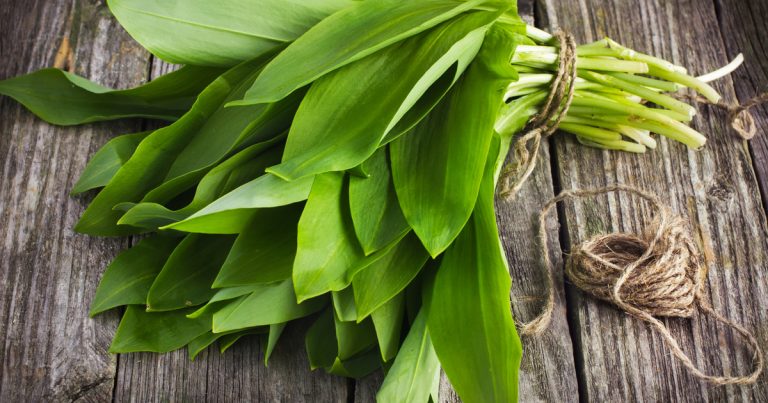
The wild garlic season starts in mid-March and you can harvest wild garlic leaves for homemade wild garlic salt. Wild garlic not only offers a wonderful, regional variety in the kitchen, but is also very healthy. The leaves contain valuable essential oils, as well as vitamin C and minerals such as iron, manganese and magnesium.

In addition to the classic wild garlic pesto, there are countless other recipes with wild garlic. We’ll show you a simple recipe for wild garlic salt so that you don’t have to do without the fine, spicy taste of the wild garlic leaves for the rest of the year.

Wild garlic salt: Two simple ingredients

You only need two ingredients for the basic recipe:

250 g table salt or other salt
100 g fresh wild garlic
Since dried wild garlic leaves quickly lose their taste, it is best to process them immediately after collecting them. Optionally, you can refine the wild garlic salt with a little spiciness. White pepper or chilli are particularly suitable for this.

You also need:

a mortar or a blender
Screw-top jars for filling

Recipe for wild garlic salt

The preparation of wild garlic salt is very simple:

Wash the wild garlic thoroughly.
Dry the leaves well or place them in a salad spinner.
Then remove the stems and cut the leaves into strips.
Grind the strips in your mortar or use a chopping knife to cut them into a homogeneous mass.
Mix the salt with the wild garlic paste.
Spread the mixture on a baking sheet.
It is best to dry the moist salt in the sun. This is the best way to preserve the taste of the wild garlic. This takes about eight hours. (In bad weather, you can alternatively dry the wild garlic salt in the oven at around 50 degrees. Check regularly whether it is already dry and stir it with a spoon so that it dries evenly. It should be ready in about four hours.)
You can fill your wild garlic salt directly into a spice mill or grind it finely again before filling it into screw-top jars.


You can simply sprinkle wild garlic salt on buttered bread or use it for cooking. From scrambled eggs, to salads or pan-fried vegetables – wild garlic is always a good choice, even if garlic would also be a good choice.

Storage: Wild garlic salt should be stored in a dark and dry place. The wild garlic is well preserved by the salt and lasts for at least a year.

Making herbal liqueur yourself is not difficult. If you prepare your own liqueur, you are free to choose which herbs you use. Here you will find tips for choosing herbs and a simple basic recipe.

Herbal liqueurs are part of the culinary tradition in many cultures. In Europe, they are often served after a rich meal to stimulate digestion. Many also appreciate them simply for their aromatic taste.

Herbal liqueurs can vary greatly in composition. Normally, a mixture of different herbs forms the basis of the taste. Which varieties are used and the proportions in which they are to each other depends on the recipe in question.

If you make your herbal liqueur yourself, you can decide for yourself which herbs you use. This makes it easy to adapt the liqueur to your personal taste. In this article, we give you an overview of different flavors and present a basic recipe that you can modify as you like.

Make herbal liqueur yourself: fresh or dried herbs?

You can prepare herbal liqueur with either fresh or dried herbs.

If you want to use fresh herbs, pay attention to the respective harvest times. Basically, you should buy organic kitchen herbs to avoid chemical-synthetic pesticides. This applies not only to fresh goods, but also to dried ones. Conventional dried spices in particular are often contaminated.

Make herbal liqueur yourself – these herbs are suitable

Which varieties you use is entirely up to you if you make herbal liqueur yourself. For example, the following varieties are good:

Mediterranean herbs such as rosemary, thyme, oregano or basil. Thyme and rosemary are evergreen varieties that you can harvest fresh all year round. This is also often possible with basil if the plant is perennial. The best time to harvest oregano is between July and August when it is in bloom. In principle, however, you can harvest it in the entire period between spring and autumn.
Lovage has a spicy, very characteristic taste of its own, to which it also owes the nickname “Maggikraut”. You can harvest fresh lovage from spring to autumn.
Sage is a strong spice with a slight bitter note. Its aroma is also sometimes compared to camphor or pine. Its harvest time is between May and August.
Mint contains menthol and therefore tastes cool and refreshing, but also slightly spicy. You can harvest fresh mint from spring until the first frost.
Chamomile has a mild, floral and slightly earthy flavor. Their harvest time coincides with the flowering period between June and September.
Aniseed has a strong, liquorice-like taste of its own. You can harvest them a few weeks after flowering, i.e. in September or October.
Fennel seeds are very similar in taste to anise seeds. They are ready for harvest in late summer or early autumn as soon as they turn grey-brown.
Laurel tastes very bitter when fresh. If you are making herbal liqueur at home, it is better to use dried leaves for a more pleasant taste.
Cloves are very flavorful and taste flowery and a bit spicy at the same time. You should only use them when they are dry.
If you want the individual herbs to harmonize with each other, you should use them in equal amounts. As a rule of thumb, we recommend adding two grams of each variety to the liqueur. However, you can also use certain herbs in larger quantities if you want them to have a stronger flavor. It is best to use a clear spirit such as Korn or vodka as the alcoholic basis.

Herbal liqueur: The basic recipe

Ingredients:

1 l clear alcohol (e.g. vodka or schnapps)
800 gsugar
2 g herbs (per variety)
Zest of an organic lemon (optional)
honey or agave syrup (optional)

Directions:

Pour the alcohol into an airtight container, such as a bottle. Note that the bottle must be big enough to hold the rest of the ingredients afterwards.
Add the sugar. The easiest way to do this is with a funnel.
Wash, clean and chop the herbs of your choice. Then pour it into the bottle as well.
Finally, you can add some grated lemon zest if you like. Be sure to use an organic lemon that is not contaminated with synthetic pesticides.
Seal the bottle or jar airtight and leave the homemade herbal liqueur in a warm place for four to six weeks. Shake or stir the liqueur well every day.
When the brewing time is up, strain the herbal liqueur through a fine-mesh sieve. Then fill it into a dark glass bottle and refine it with a little honey or agave syrup if you wish.
Keep the herbal liqueur cool and dark. Due to the high sugar content, it can be kept for several years without any problems.