Tag

republic

Browsing

Exploring Dominican Republic’s Breakfast Culture

The Dominican Republic is a beautiful country with a rich and diverse culture. The Dominican breakfast is a reflection of this cultural heritage. It is a mix of Spanish, African and Indigenous flavors and dishes. The Dominican breakfast consists of a variety of dishes that are flavorful, hearty, and delicious. It is not just a meal, but a celebration of life and the start of a new day.

Mangu: The Popular Plantain Dish for Breakfast

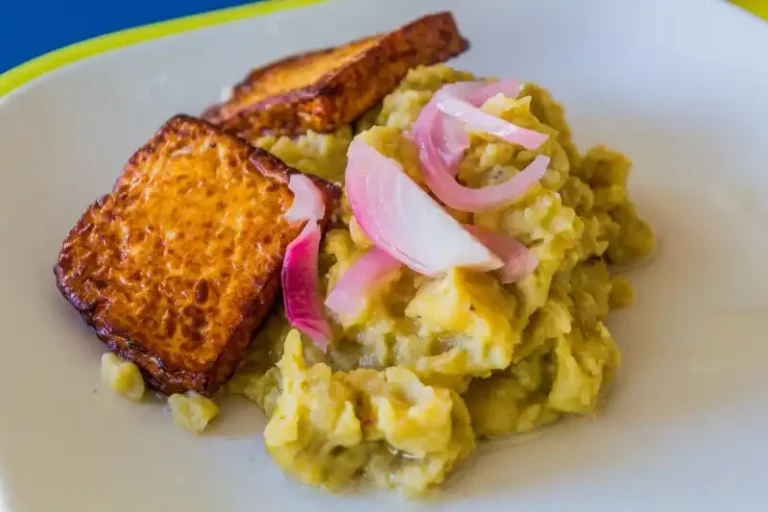
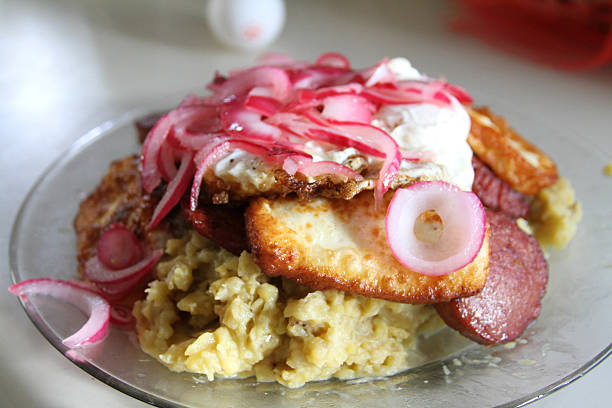
Mangu is a traditional breakfast dish that is loved by Dominicans. It is made by boiling green plantains, then mashing them with butter, oil, and salt. It is often served with a side of fried cheese, salami or eggs. Mangu is a filling and delicious breakfast option that is perfect for anyone who wants to start their day with a burst of energy.

Los Tres Golpes: The Classic Breakfast Trio

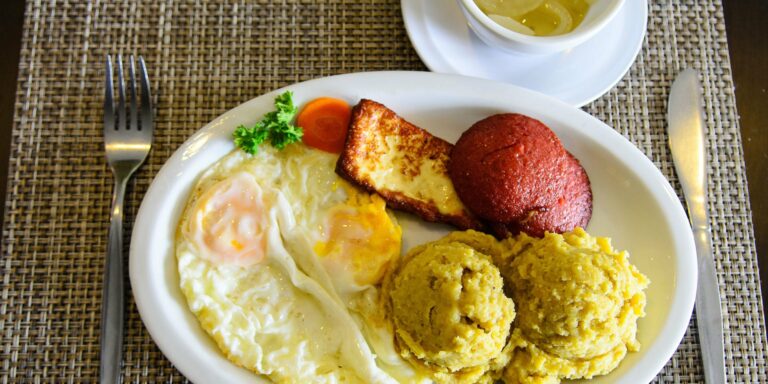
Los Tres Golpes is a classic Dominican breakfast that literally means “the three hits”. It consists of three different dishes that are served together. The first dish is mangú (boiled and mashed green plantains), the second dish is fried eggs, and the third dish is fried cheese or salami. This breakfast trio is a hearty and satisfying meal that is perfect for anyone who wants to start their day off right.

Mondongo: The Healthy and Hearty Soup Breakfast

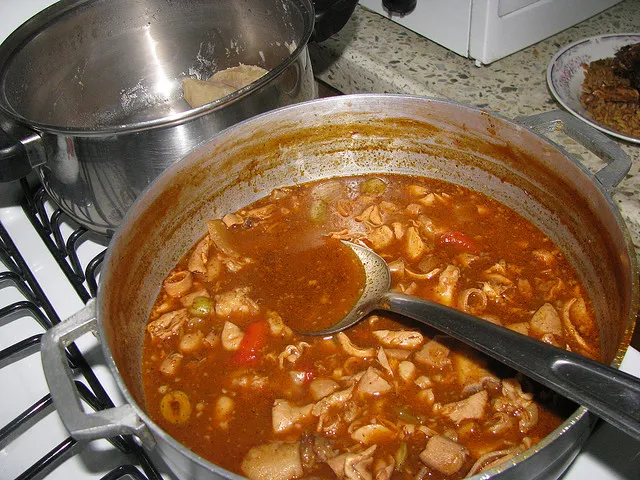
Mondongo is a healthy and hearty soup that is popular in the Dominican Republic. It is made with tripe, vegetables, and spices, and is often served for breakfast. It is a filling and nutritious breakfast option that is perfect for anyone who wants to start their day with a healthy meal.

Habichuelas con Dulce: The Sweet Bean Dessert for Breakfast

Habichuelas con Dulce is a sweet bean dessert that is often served for breakfast in the Dominican Republic. It is made with red beans, coconut milk, condensed milk, cinnamon, and sugar. It is a delicious and unique breakfast option that is perfect for anyone who has a sweet tooth.

Ensalada de Frutas: The Refreshing Fruit Salad for Breakfast

Ensalada de Frutas is a refreshing fruit salad that is often served for breakfast in the Dominican Republic. It is made with a variety of fresh fruits, such as papaya, pineapple, melon, and mango. It is a healthy and delicious breakfast option that is perfect for anyone who wants to start their day with a burst of energy.

Huevos Fritos: The Simple Fried Egg Breakfast

Huevos Fritos is a simple fried egg breakfast that is popular in the Dominican Republic. It is made by frying eggs in oil or butter and is often served with a side of bread or fried plantains. It is a quick and easy breakfast option that is perfect for anyone who is short on time.

Chicharrón: The Crunchy Pork Snack for Breakfast

Chicharrón is a crunchy pork snack that is often served for breakfast in the Dominican Republic. It is made by frying pork belly until it is crispy and golden brown. It is a delicious and indulgent breakfast option that is perfect for anyone who wants to treat themselves to something special.
Introduction: Discovering the Flavors of the Dominican Republic

The Dominican Republic is a tropical paradise with a rich cultural heritage, and its street food scene is no exception. From crispy plantain slices to fried chicken, there is something for everyone. Whether you’re a foodie or just looking for a quick snack, these must-try Dominican Republic street foods will leave you satisfied and wanting more.

Empanadas: The Perfect Snack for Any Time of Day

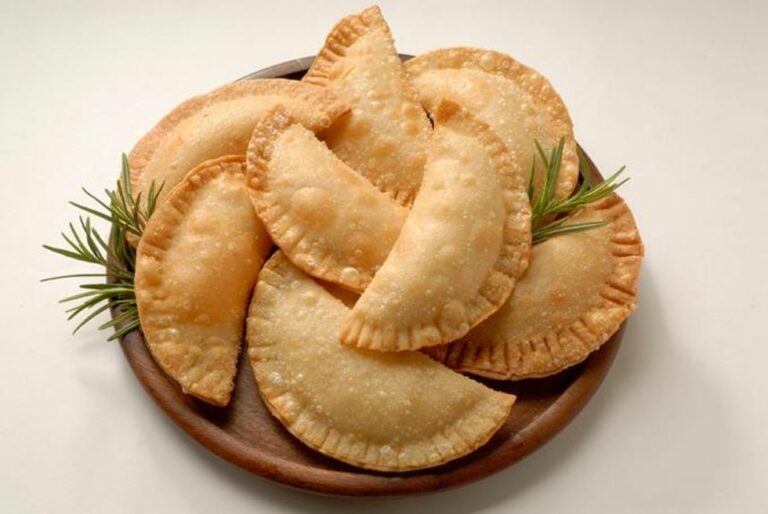
Empanadas are a popular street food in the Dominican Republic that are perfect for any time of day. These savory pastries are made from flour or corn dough and filled with a variety of ingredients, such as meat, cheese, or vegetables. They are then deep-fried until golden brown and crispy. Empanadas are a quick and convenient snack that can be found at food stalls and mobile carts throughout the country. They are perfect for when you’re on the go or in need of a quick bite to eat.

Chimichurri: A Delicious and Filling Sandwich

Chimichurri is a popular Dominican Republic street food that is sure to fill you up. This sandwich is made with a freshly baked roll that is filled with a variety of meats, such as beef, chicken, or ham, as well as cheese, lettuce, tomato, and a spicy sauce. Chimichurri is a great option for lunch or dinner and can be found at food stalls and restaurants throughout the country. The combination of flavors and textures make for a delicious and filling sandwich that is sure to satisfy your hunger.

Mangu: A Traditional Breakfast Dish with a Twist

Mangu is a traditional Dominican Republic breakfast dish that is made from mashed plantains, onions, and olive oil. It is typically served with eggs, fried cheese, and salami. However, there are many variations of this classic dish. Some people add bacon or avocado, while others use sweet plantains instead of green ones. Mangu is a hearty and flavorful breakfast that is perfect for starting your day off right.

Chicharrón de Pollo: The Ultimate Fried Chicken

Chicharrón de Pollo is a popular Dominican Republic street food that is the ultimate fried chicken. This dish is made by marinating chicken in a mixture of spices and then deep-frying it until it is crispy and golden brown. It is typically served with a side of tostones or rice and beans. Chicharrón de Pollo is a must-try for anyone who loves fried chicken, as it is a unique and delicious spin on this classic dish.

Tostones: Crispy Plantain Slices with a variety of toppings

Tostones are a popular side dish in the Dominican Republic made from thinly sliced green plantains that are fried twice. They are crispy on the outside and soft on the inside. Tostones can be served with a variety of toppings, such as garlic sauce, cilantro, or cheese. They are a great accompaniment to any main dish and can also be served as a snack.

Yaniqueques: Thin and Crispy Fried Dough to Snack on All Day

Yaniqueques are a thin and crispy fried dough that is a popular snack in the Dominican Republic. They are made from a simple mixture of flour, water, and salt and are fried until golden brown. Yaniqueques can be found at food stalls and mobile carts throughout the country and are the perfect snack to munch on while exploring the streets.

Morir Soñando: Sweet and Refreshing Drink with a Unique Name

Morir Soñando is a sweet and refreshing drink that is a popular street food in the Dominican Republic. The name literally means “to die dreaming” and is made from milk, sugar, and orange juice. The drink is creamy and refreshing and is perfect for a hot day. Morir Soñando can be found at food stalls and restaurants throughout the country and is a must-try for anyone looking for a unique and delicious drink.

Introduction: Overview of Street Food in the Dominican Republic

Street food is an important part of the Dominican Republic’s culinary culture. Tourists may find it surprising to see how ubiquitous street food is in the country. Street food vendors can be found on almost every corner of the cities, towns, and villages of the Dominican Republic. It’s common to see locals and tourists alike standing by the roadside, indulging in various types of street food.

Historical Significance of Street Food in the Dominican Republic

Street food has a deep-rooted history in the Dominican Republic. It has been a part of the culture for centuries, and its origins date back to Spanish colonialism. The Spanish introduced a wide range of food items during their occupation, and these foods were eventually incorporated into the Dominican cuisine. As the country developed in the early 1900s, street food vendors became more prevalent, and their popularity grew over the years. Street food has become an essential part of the Dominican culinary culture, and it has remained an affordable and accessible option for people from all walks of life.

Popular Street Food Dishes in the Dominican Republic

The Dominican Republic offers an extensive range of tasty and unique street food options. Some popular street foods include chicharrones (deep-fried pork rinds), empanadas (stuffed pastry), tostones (twice-fried plantains), and chimis (a type of burger). Other popular options include yaniqueques (fried dough), pastelitos (stuffed pastry), and yaroa (a layered dish made with meat, cheese, and french fries). In addition to these staples, street vendors often sell fresh fruit, juices, and smoothies.

The Role of Street Food in the Dominican Republic’s Culture

Street food plays a significant role in the Dominican Republic’s culture. It is more than just a convenient and affordable meal option; it is a way of life. Street food vendors are often seen as an important part of the community, and their food is a source of pride. Street food is a way for locals to share their culture and traditions with visitors and to showcase the unique flavors and ingredients of the Dominican cuisine.

Street Food Safety Concerns and Regulations in the Dominican Republic

While street food is generally safe in the Dominican Republic, there are always some safety concerns to consider. The lack of proper hygiene and food handling can lead to contamination and foodborne illnesses. The government has implemented regulations to ensure that street vendors follow proper food handling and safety procedures. For instance, vendors must obtain a license from the government to operate, and they must follow specific rules regarding food preparation and storage.

Street Food Markets and Vendors in the Dominican Republic

Street food vendors can be found in markets, plazas, and street corners throughout the Dominican Republic. The Santo Domingo’s famous Mercado Modelo is a popular destination for those looking for a wide variety of street food options. Other popular markets include the Mercado de la Atarazana, Mercado de la Pulga, and Mercado de Buhoneros. In addition to markets, street food vendors can be found at any busy intersection or street corner.

Street Food Prices and Accessibility in the Dominican Republic

Street food is an accessible and affordable option for both tourists and locals. Prices can vary depending on the location and the type of food being sold, but most street vendors offer great value for money. In addition to being affordable, street food is also easily accessible. The majority of street vendors operate from early morning until late at night, and they can be found in almost any part of the city.

Conclusion: The Future of Street Food in the Dominican Republic

Street food is a vibrant and essential part of the Dominican Republic’s culinary culture. It offers visitors and locals the opportunity to experience the unique flavors and ingredients of the Dominican cuisine. However, as the country continues to develop, there is a growing concern about maintaining the safety and hygiene standards of street food. Nevertheless, the government has implemented regulations to ensure that street vendors follow proper food handling and safety procedures. With proper regulation and careful consideration, the future of street food in the Dominican Republic will continue to thrive.

Introduction: Exploring the Flavors of the Caribbean

The Caribbean is a region known for its sunny beaches, vibrant culture, and most importantly, its delicious cuisine. The diverse flavors of the Caribbean reflect the many cultures and histories that have shaped the region, from African and European traditions to Indigenous Caribbean influences. However, each country in the Caribbean has its unique culinary identity, and the Dominican Republic is no exception.

The Roots of Dominican Cuisine: A Blend of Cultures

Dominican cuisine is a fusion of African, Spanish, and Indigenous Caribbean influences. The country’s history of colonization, slavery, and migration has shaped its culinary traditions, resulting in a unique blend of flavors and techniques. Spanish colonizers brought olive oil, citrus fruits, and various spices to the island, which merged with African and Indigenous Caribbean staples such as yucca, plantains, and cassava. Today, Dominican cuisine is a reflection of the country’s diverse cultural heritage and the fertile soil that provides a bounty of fresh produce and seafood.

Main Ingredients: What Makes Dominican Food Unique

Dominican cuisine is characterized by its use of fresh, locally-sourced ingredients that reflect the country’s tropical climate and fertile soil. Coconut, cassava, yucca, plantains, and beans are some of the staples of the Dominican diet. The country’s seafood-rich coastline also plays an important role in the cuisine, with fish and shellfish featuring in many dishes. Additionally, the use of tropical fruits such as mango, guava, and pineapple adds a burst of sweetness and acidity to many Dominican dishes.

The Role of Plantains and Rice in Dominican Cuisine

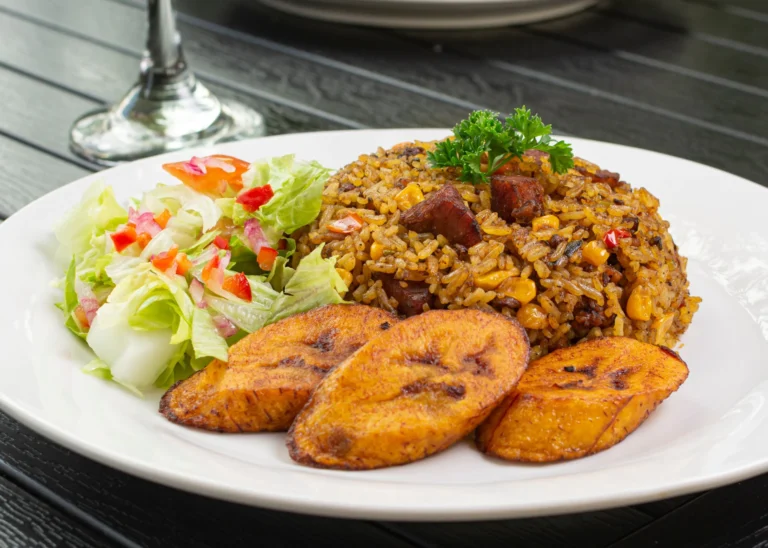
Plantains and rice are two ingredients that are ubiquitous in Dominican cuisine. Plantains are a type of banana that is used in both savory and sweet dishes. Fried plantains, known as tostones, are a popular snack or side dish, while sweet plantains, known as maduros, are often served as a dessert. Rice, on the other hand, is a staple that is used in many Dominican dishes, such as arroz con pollo (chicken and rice) and moro de guandules (rice and pigeon peas). The combination of rice and beans is a staple of Dominican cuisine and is often referred to as “la bandera” (the flag) due to its red, white, and black colors, which represent the Dominican Republic’s national flag.

Flavors and Spices: The Heat and Sweetness of Dominican Dishes

Dominican cuisine is known for its bold and flavorful dishes. The use of garlic, onion, oregano, and cilantro adds depth and complexity to many dishes, while the addition of chili peppers provides a subtle kick of heat. The sweetness of tropical fruits such as mango and guava is also an essential component of many Dominican dishes. Additionally, the use of sour oranges, a staple in Dominican cooking, adds a tangy and acidic element to many dishes.

Meat and Seafood: The Protein-Rich Staples of the Dominican Diet

Meat and seafood are essential components of the Dominican diet. Pork is a popular protein, and many dishes, such as chicharrón (fried pork belly) and lechón (roasted pig), revolve around it. Beef is also widely consumed, either in stews or grilled. Seafood, however, is the highlight of many Dominican dishes. Red snapper, shrimp, and crab are just some of the seafood varieties that feature prominently in many Dominican recipes.

Popular Dominican Dishes: From Sancocho to Mofongo

Dominican cuisine boasts a variety of hearty and flavorful dishes. Sancocho, a stew made with various meats and vegetables, is a comfort food staple. Mofongo, a dish made from mashed plantains, garlic, and pork cracklings, is a popular side dish that is often served with seafood. Other popular dishes include arroz con pollo (chicken and rice), mangú (mashed plantains), and empanadas (stuffed turnovers).

Conclusion: The Rich Diversity of Caribbean Cuisines

Dominican cuisine represents the diverse cultural influences that make up the Caribbean region. Its fusion of African, Spanish, and Indigenous Caribbean traditions has resulted in a unique culinary identity that is both bold and flavorful. Whether it’s the use of fresh, locally-sourced ingredients, the bold flavors of chili peppers and tropical fruits, or the protein-rich seafood and meats, Dominican cuisine is a reflection of the country’s rich history and fertile soil.

Introduction: Mangu, the quintessential Dominican dish

When it comes to Dominican cuisine, mangu is one of the most popular and beloved dishes. It is a savory and comforting meal that is often eaten for breakfast but can be enjoyed at any time of the day. Mangu is a staple food in the Dominican Republic, and it is a dish that is closely tied to the country’s history and culture.

The origins of mangu and its cultural significance

The origins of mangu are not entirely clear, but it is believed to have originated in the Northern region of the Dominican Republic. It is thought to have been brought to the island by African slaves who were brought over to work on the sugar plantations. Mangu is made by boiling green plantains and then mashing them with garlic, olive oil, and salt. The result is a smooth and creamy mixture that is similar to mashed potatoes.

Mangu has a lot of cultural significance in the Dominican Republic, and it is a dish that is associated with family and togetherness. It is often served at family gatherings and celebrations, and it is a meal that is shared among loved ones. Mangu is also a symbol of the country’s history and its African heritage, and it is a dish that is deeply ingrained in the country’s culinary traditions.

How to make mangu: ingredients and preparation

To make mangu, you will need green plantains, garlic, olive oil, and salt. Start by peeling and cutting the plantains into small pieces, then boil them in salted water until they are tender. Drain the plantains and mash them with garlic, olive oil, and salt until they are smooth and creamy. Serve the mangu hot with your favorite accompaniments.

Variations on the classic mangu recipe

While the classic mangu recipe is delicious on its own, there are many variations that you can try. For example, you can add onions, bacon, or cheese to the mangu for extra flavor. You can also make sweet mangu by adding sugar and cinnamon to the mixture.

Common accompaniments for mangu dishes

Mangu is often served with various accompaniments, including fried eggs, salami, and cheese. Other popular accompaniments include avocado, pickled onions, and fried cheese. These accompaniments add texture and flavor to the mangu and make for a satisfying meal.

Regional differences in mangu preparation and presentation

While mangu is a popular dish throughout the Dominican Republic, there are regional differences in the way it is prepared and presented. For example, in the Northern region, mangu is often served with a side of pickled onions and boiled eggs. In the Southern region, it is more common to serve mangu with fried cheese and crispy bacon.

Mangu and Dominican Republic’s national identity

Mangu is an integral part of the Dominican Republic’s national identity, and it is a dish that is closely tied to the country’s history and culture. It is a symbol of the country’s African heritage, and it is a meal that is shared among family and friends. Mangu is also a dish that is enjoyed by people of all ages and social classes, making it a true representation of the country’s diverse and inclusive culture.

Conclusion: Mangu, a delicious and iconic dish

In conclusion, mangu is a delicious and iconic dish that is an essential part of Dominican cuisine. Its origins and cultural significance make it a meal that is deeply ingrained in the country’s history and traditions. Whether you prefer the classic recipe or one of the many variations, mangu is a dish that is sure to satisfy and to bring people together.

Introduction

The Dominican Republic is renowned for its vibrant culture, friendly people, and delicious food. The country’s cuisine is a unique blend of African, Spanish, and indigenous influences, making it a fascinating and exciting culinary destination. One of the best ways to experience the diverse flavors of Dominican cuisine is by attending one of the many street food festivals and events held throughout the year.

Santo Domingo Food Festival

The Santo Domingo Food Festival is one of the most popular food festivals in the Dominican Republic. Held annually in the country’s capital city, the festival brings together some of the best street food vendors and chefs from across the country. Visitors can sample a wide range of dishes, including local favorites like empanadas, yaroa, and chicharrones. The festival also features live music, cooking demonstrations, and a variety of other cultural events.

Dominican Republic Food & Drink Festival

The Dominican Republic Food & Drink Festival is another popular event that takes place in Santo Domingo. This festival is a celebration of the country’s rich culinary heritage and features a variety of food and drink vendors, cooking demonstrations, and live entertainment. Visitors can sample traditional dishes like sancocho and mofongo, as well as a range of international cuisines.

Puerto Plata Gastronomic Festival

The Puerto Plata Gastronomic Festival is a three-day culinary event that takes place in the beautiful seaside town of Puerto Plata. The festival features a variety of food and drink vendors, cooking demonstrations, and cultural events. Visitors can sample local specialties like fried fish, rice and beans, and tostones, as well as international cuisines.

Dominican Republic Street Food Festival

The Dominican Republic Street Food Festival is a popular event that takes place in Santo Domingo. The festival brings together some of the best street food vendors from across the country, offering visitors the opportunity to sample a wide range of dishes. From traditional Dominican specialties to international cuisines, there is something for everyone at this festival.

Dominican Republic Foodie Festival

The Dominican Republic Foodie Festival is a five-day culinary event that takes place in Punta Cana. The festival features a variety of food and drink vendors, cooking demonstrations, and cultural events. Visitors can sample local specialties like conch fritters, as well as international cuisines. The festival also features live music, dance performances, and other cultural activities.

Samaná Gourmet Festival

The Samaná Gourmet Festival is a three-day event that takes place in the beautiful Samaná Peninsula. The festival features a variety of food and drink vendors, cooking demonstrations, and cultural events. Visitors can sample local specialties like seafood paella and plantain lasagna, as well as international cuisines. The festival also features live music, dance performances, and other cultural activities.

Conclusion

The Dominican Republic is a culinary paradise, and its street food festivals and events are a great way to experience the country’s diverse and delicious cuisine. Whether you’re a foodie or simply love trying new things, these festivals offer something for everyone. From the Santo Domingo Food Festival to the Samaná Gourmet Festival, there are plenty of opportunities to taste the best food that the Dominican Republic has to offer.

Introduction: The Importance of Food in Dominican Culture

Food is an integral part of Dominican culture, and Dominican cuisine is rich in history and cultural significance. The country’s cuisine is a reflection of its diverse and vibrant history, with influences from Spanish, African, and indigenous Taíno cultures. The food in the Dominican Republic is a combination of bold flavors, fresh ingredients, and an appreciation for communal dining. Dominicans take pride in their cuisine, and food is an essential part of their social and cultural identity.

Ancestral Influences on Dominican Republic Cuisine

Dominican cuisine draws heavily from the country’s history and ancestral influences. The indigenous Taíno people, who were present in the Dominican Republic long before the arrival of Europeans, had a significant impact on the country’s cuisine. Many traditional dishes in Dominican cuisine, such as mofongo and sancocho, have their roots in Taíno cuisine. The Spanish colonization of the island also had a significant influence on Dominican cuisine, introducing new ingredients like pork, beef, and garlic. African slaves brought to the Dominican Republic during the colonial era also contributed to the country’s cuisine, bringing with them an array of spices and cooking techniques.

The Role of Plantains in Dominican Cuisine

Plantains are a staple in Dominican cuisine and play a significant role in many dishes. Plantains are a versatile ingredient that can be boiled, fried, mashed, or baked. They are used to make tostones, which are fried plantains, and mangu, a mashed plantain dish. Plantains are also used in sancocho, a traditional Dominican soup, and in many other dishes as a side dish or accompaniment.

The Significance of Rice and Beans in Dominican Food

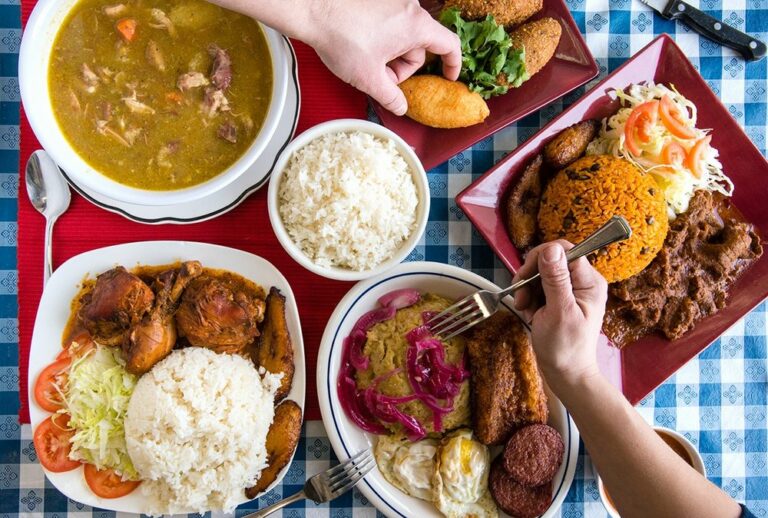
Rice and beans are a staple in Dominican cuisine, and no Dominican meal is complete without them. The dish is often referred to as “the flag” and consists of white rice, red beans, and a side of meat. This dish has its roots in African and Spanish cuisine and is an essential part of Dominican culture. It is served in homes, restaurants, and street food stalls throughout the country.

The Importance of Seafood in Dominican Cuisine

Given its location in the Caribbean, it’s no surprise that seafood plays a significant role in Dominican cuisine. Fish, lobster, shrimp, and crab are commonly found in Dominican dishes like chillo al ajillo, a garlic and herb-infused fish dish. Seafood is also used in soups and stews, such as the traditional Dominican soup sancocho de pescado.

The Role of Spices and Seasonings in Dominican Cooking

Dominican cuisine is known for its bold, flavorful dishes, and the use of spices and seasonings is key to achieving these flavors. Common spices used in Dominican cooking include oregano, garlic, cumin, and cilantro. Sofrito, a mix of sautéed onions, peppers, garlic, and tomatoes, is also a staple in Dominican cuisine and is used as a base for many dishes.

Festivals and Celebrations that are Centered Around Food

Food plays a central role in many of the festivals and celebrations in the Dominican Republic. During Christmas, Dominicans prepare a wide variety of dishes, including lechón asado (roast pork), moro de guandules (rice and pigeon peas), and pasteles en hoja (plantain tamales). During the Carnival season, street food vendors sell traditional Dominican foods like empanadas, chicharrones, and yaroa, a layered dish made with plantains, meat, and cheese.

Modern Adaptations and Fusion in Dominican Cuisine

As the Dominican Republic becomes more connected to the rest of the world, its cuisine has started to incorporate elements from other cultures. Fusion dishes that combine traditional Dominican ingredients with flavors and techniques from other cuisines have become increasingly popular. Additionally, modern interpretations of traditional Dominican dishes are becoming more common, with chefs putting their own unique spin on classic recipes. Despite these modern adaptations, the cultural significance of food in Dominican cuisine remains an essential part of the country’s identity.

Introduction: What is Dominican Republic Cuisine?

Dominican Republic cuisine is a blend of various cultural influences, including Spanish, African, and indigenous Taino. With its tropical climate and fertile soil, the Dominican Republic boasts an abundance of fresh fruits, vegetables, and seafood, making its cuisine a colorful and flavorful experience. The food is often accompanied by traditional music and dance, creating an exciting atmosphere that celebrates the country’s vibrant culture.

The Influence of Indigenous and African Cultures

Before the arrival of the Spanish, the Taino people inhabited the Dominican Republic. Their influence on the country’s cuisine can be seen in dishes like mofongo, a mashed plantain dish filled with meat or seafood. African slaves were brought to the island in the 16th century, and their traditions have also shaped Dominican cooking. For example, sancocho, a hearty stew made with various meats and vegetables, has roots in West African cuisine.

Staple Foods: Rice, Plantains, and Beans

Rice, plantains, and beans are the foundation of many Dominican dishes. Arroz con habichuelas, a dish of rice and beans, is a staple at every table and often served alongside meat or fish. Plantains are used in many ways, including being boiled and mashed in mofongo, sliced and fried as tostones, or sweetened and fried as plátanos maduros. Beans are also a common ingredient in soups, stews, and salads, with red kidney beans being the most popular variety.

Meat Dishes: Pollo Guisado, Chicharrón de Cerdo, and More

Dominican cuisine features a variety of meat dishes, including pollo guisado (braised chicken), chicharrón de cerdo (fried pork belly), and carne guisada (stewed beef). These dishes are traditionally served with rice and beans, and often accompanied by avocado and salad.

Seafood Delicacies: Locally Caught Fish, Crab, and Lobster

With its location in the Caribbean Sea, the Dominican Republic is known for its fresh seafood. Locally caught fish such as red snapper and sea bass are popular, as well as crab and lobster. These delicacies are often seasoned with a blend of spices and served with rice and salad.

Street Food: Empanadas, Arepas, and Chimichurri

Dominican street food is a delicious and affordable way to experience the country’s cuisine. Empanadas, pastries filled with meat or cheese, are a popular choice. Arepas, corn cakes stuffed with meat or cheese, are also a tasty option. Chimichurri, a sandwich made with beef, cabbage, and tomatoes, is a favorite among locals.

Sweets and Desserts: Dulce de Leche, Flan, and Tres Leches Cake

Dulce de leche, a sweetened condensed milk caramel, is a popular ingredient used in many Dominican desserts. Flan, a creamy custard, and tres leches cake, a sponge cake soaked in three types of milk, are also common sweet treats. Other desserts include arroz con leche, a rice pudding, and bizcocho, a sponge cake.

Popular Drinks: Rum, Morir Soñando, and Mamajuana

Rum is the national drink of the Dominican Republic, with Brugal and Barceló being the most popular brands. Morir soñando, a refreshing drink made with orange juice and milk, is a favorite among locals. Mamajuana, a mixture of rum, red wine, and herbs, is a traditional drink with alleged medicinal properties. Other popular non-alcoholic beverages include batida, a fruit smoothie, and jugo de chinola, a passion fruit juice.

Introduction: Meat dishes in the Dominican Republic

The Dominican Republic is a country known for its vibrant culture, friendly people, and delicious food. One of the most important aspects of Dominican cuisine is the use of meat in its dishes. From pork to chicken to beef, meat is an important part of many traditional Dominican meals. In this article, we will explore some of the most popular meat dishes in the Dominican Republic.

Chicharrón: A popular fried pork dish

Chicharrón is a favorite meat dish in the Dominican Republic. It is made by frying pork belly in its own fat until it is crispy and golden brown. The dish is typically served with tostones (fried plantains) and a side of avocado. Chicharrón can be found in many local restaurants and street food vendors throughout the country. It is a popular dish for breakfast, lunch, and dinner.

Pollo guisado: Stewed chicken with vegetables

Pollo guisado is a traditional Dominican dish made with chicken stewed in a tomato-based sauce with vegetables such as onions, bell peppers, and carrots. The chicken is typically seasoned with adobo, a blend of spices including garlic, oregano, and cumin. Pollo guisado is a hearty and flavorful dish, often served with rice and beans or tostones. It is a popular choice for family meals and special occasions.

Asopao de pollo: A hearty chicken soup with rice

Asopao de pollo is a hearty chicken soup made with rice, vegetables, and broth. The dish is typically seasoned with garlic, oregano, and other spices. Asopao de pollo is a popular comfort food in the Dominican Republic, often served during cold weather or as a remedy for a cold or flu. It is a filling and nutritious meal, perfect for warming up on a chilly day.

Bandera: A traditional dish with rice, beans, and meat

Bandera, which translates to “flag” in English, is a traditional Dominican dish that typically consists of rice, beans, and meat. The meat can be chicken, beef, or pork, and is often stewed or fried. The dish is named after the colors of the Dominican flag, with the white rice representing peace, the red beans representing the blood of the patriots, and the meat representing the strength of the people. Bandera is a staple dish in Dominican cuisine and can be found in many local restaurants and homes.

Carne guisada: A slow-cooked beef stew

Carne guisada is a slow-cooked beef stew made with a tomato-based sauce and vegetables such as onions, bell peppers, and potatoes. The beef is typically seasoned with adobo and cooked until it is tender and flavorful. Carne guisada is a popular dish for special occasions and family meals, often served with rice and beans or tostones.

Mondongo: A tripe soup with vegetables and plantains

Mondongo is a tripe soup made with vegetables such as onions, bell peppers, and carrots, as well as plantains and various seasonings. The soup is typically cooked for several hours until the tripe is tender and flavorful. Mondongo is a popular dish in the Dominican Republic, often served with white rice and avocado. It is a hearty and filling meal, perfect for a chilly day.

Pescado frito: Fried fish served with tostones or yucca fries

Pescado frito is a popular seafood dish in the Dominican Republic. It is made by frying fish, typically red snapper or sea bass, until it is crispy and golden brown. The fish is often served with tostones or yucca fries, as well as a side of avocado or lime. Pescado frito is a favorite dish for many Dominicans, often enjoyed at the beach or on special occasions.

Conclusion: Exploring the flavors of Dominican meat dishes

In conclusion, meat is an important part of Dominican cuisine, and there are many delicious meat dishes to explore in the country. From chicharrón to asopao de pollo to mondongo, there is something for everyone to enjoy. Whether you are a meat lover or just looking to try something new, the flavors of Dominican meat dishes are sure to delight your taste buds.

Traditional Snacks and Appetizers in the Dominican Republic

When it comes to Dominican cuisine, the country is known for its rich and flavorful dishes. The Dominican Republic has a diverse culinary scene, influenced by both Spanish and African cultures, and is also known for its delicious snacks and appetizers. These snacks are typically served as a prelude to a meal or as a quick bite on-the-go. From crispy plantain chips to hearty chicharrón, the Dominican Republic has a range of snacks that are sure to satisfy any craving.

Introduction to Dominican Culture and Cuisine

The Dominican Republic is located on the island of Hispaniola in the Caribbean, and is known for its vibrant culture and cuisine. The country has a rich history, and its cuisine reflects a mix of Taino, Spanish, African, and Middle Eastern influences. Dominican food is characterized by its use of bold flavors and spices, and is often served with rice, beans, and plantains. The country is also known for its love of music and dance, and its people are warm and welcoming.

Plantain Chips: A Popular Snack Choice

Plantain chips, or platanitos, are a popular snack in the Dominican Republic. These thinly sliced, crispy chips are made from ripe plantains that are fried until golden brown. They are typically served as an appetizer or snack, and can be found in most restaurants and street vendors throughout the country. Plantain chips can be enjoyed on their own or with a variety of dips, such as guacamole or salsa.

Pastelitos: Delicious Fried Dough with a Twist

Pastelitos are a delicious fried dough filled with various savory or sweet fillings. These small turnovers are a popular snack in the Dominican Republic, and can be found in bakeries and street vendors throughout the country. The dough is made from flour, water, and salt, and is filled with a range of ingredients, such as meat, cheese, or fruit. Pastelitos are typically served as a snack or appetizer, and are a perfect portable food option.

Empanadas: A Crowd-Pleasing Treat

Empanadas are a crowd-pleasing snack in the Dominican Republic and are similar to pastelitos. These baked or fried pastry pockets are filled with a range of savory or sweet ingredients and can be found in bakeries and street vendors throughout the country. Empanadas are typically served as a snack or appetizer and can be filled with anything from ground beef and cheese to pumpkin and sweetened condensed milk.

Tostones: The Perfect Combination of Sweet and Salty

Tostones are a popular snack in the Dominican Republic, made from twice-fried plantains that are flattened and seasoned with salt. These crispy snacks are a perfect combination of sweet and salty and are typically served as an appetizer or side dish. Tostones can be found in most local restaurants and street vendors throughout the country.

Yuca Fries: A Tasty and Gluten-Free Option

Yuca fries, or cassava fries, are a tasty and gluten-free option in the Dominican Republic. These fries are made from the yuca root, which is peeled, sliced, and fried until crispy. They are typically served as a snack or side dish and can be found in most local restaurants and street vendors throughout the country.

Chicharrón: A Meaty and Satisfying Snack

Chicharrón is a meaty and satisfying snack in the Dominican Republic. This crispy fried pork belly is typically served as a snack or appetizer and is a popular food item at local bars. Chicharrón is heavily seasoned with salt and spices and can be found in most local restaurants and street vendors throughout the country.