
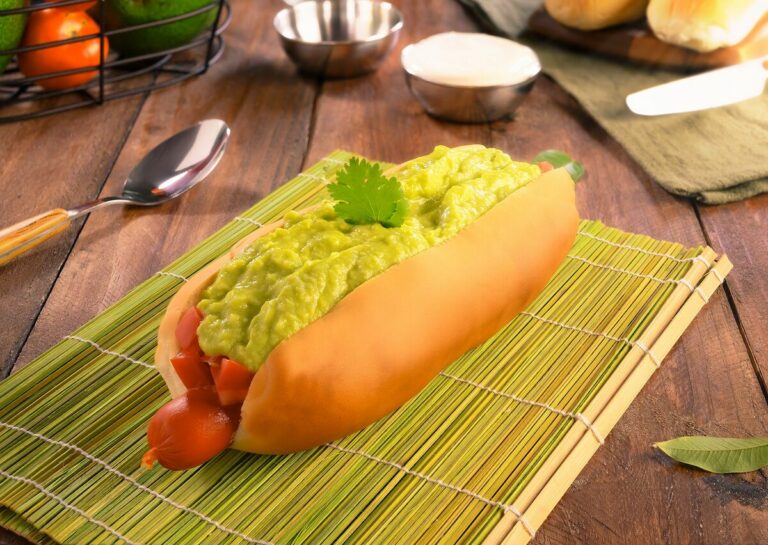
Introduction: Street food culture in Chile
Street food culture in Chile is an integral part of the country’s culinary scene. From empanadas to completos, Chileans love their street food. However, with the rise of street food vendors comes the need for proper hygiene and safety standards to ensure that consumers are not at risk of food-borne illnesses.
Hygiene and safety standards for street food vendors
In Chile, street food vendors are required to meet certain hygiene and safety standards. For example, food handlers must wear gloves and hairnets to prevent contamination of the food. Vendors are also required to have a hand-washing station and to use potable water for cooking and cleaning. Additionally, food must be stored and prepared at safe temperatures to prevent the growth of bacteria.
Food handling practices and regulations in Chile
Chile has strict regulations on food handling practices. The country’s health code mandates that all food vendors must have a health certificate and meet certain standards for food handling and preparation. Food must be cooked to the appropriate temperature to kill any harmful bacteria, and vendors must use separate cutting boards and utensils for raw and cooked foods.
Inspection process and enforcement of food safety rules
Chile has a system of health inspectors who are responsible for ensuring that street food vendors comply with food safety regulations. The inspectors visit each vendor periodically to check that they are following the rules. Vendors who do not comply with the regulations can face fines or even have their business license revoked.
Common foodborne illnesses and prevention strategies
Common foodborne illnesses in Chile include salmonella, E. coli, and listeria. To prevent these illnesses, it is important to consume food that has been cooked to the appropriate temperature and to only buy from vendors who follow proper hygiene and safety standards. It is also important to wash hands before eating and to avoid consuming raw or undercooked foods.
Importance of clean water and sanitation in food preparation
Clean water and sanitation are critical components of safe food preparation. Vendors must use potable water for cooking and cleaning, and must have a hand-washing station available for both themselves and their customers. Additionally, vendors must dispose of waste properly and keep their work area clean and sanitized.
Tips for safe and healthy street food consumption in Chile
To ensure safe and healthy street food consumption in Chile, it is important to choose vendors who have a clean and organized work area, wear gloves and hairnets, and sell food that is cooked to the appropriate temperature. It is also important to avoid consuming raw or undercooked foods, and to wash hands before eating.
Conclusion: A call to promote safe and hygienic street food practices
While street food in Chile is a beloved part of the country’s culture, it is important to prioritize safety and hygiene to prevent food-borne illnesses. By following proper food handling practices and regulations, and by enforcing these rules through inspections and fines, Chile can continue to enjoy its street food while also promoting safe and hygienic practices.