Tag

african

Browsing

Introduction: Central African Republic’s Meat Cuisine

Central African Republic’s cuisine is heavily based on meat dishes due to its abundant wildlife. These meat dishes are often slow-cooked with a variety of vegetables and spices to create rich and flavorful stews, soups, and grilled dishes. The country’s meat cuisine reflects its cultural diversity and history, incorporating French, Arabic, and indigenous African cooking techniques.

Grilled Meat: A Favorite Among Central Africans

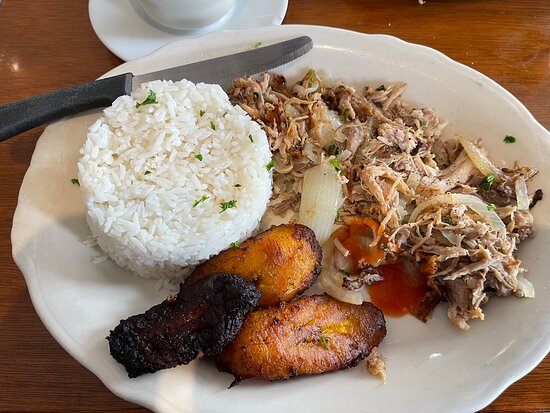
Grilled meat is a staple in Central African Republic’s cuisine and is commonly found in street food markets. Beef, chicken, goat, and fish are marinated with various spices such as ginger, garlic, and paprika before being grilled over an open flame. The meat is often served with rice, plantains, or cassava and a spicy sauce made with chili peppers, onion, and tomato. Grilled meat is a favorite among Central Africans due to its smoky flavor and tender texture.

Ndolé: A Hearty Meat and Vegetable Stew

Ndolé is a hearty stew made with meat, vegetables, and ndolé leaves. The dish originated in Cameroon but is also popular in Central African Republic. The stew is typically made with beef or chicken and cooked with a variety of vegetables such as eggplant, okra, and onions. Ndolé leaves are added to the stew and cooked until tender. The dish is often served with rice or plantains and is a nutritious and filling meal.

Saka-Saka: A Popular Spinach and Meat Dish

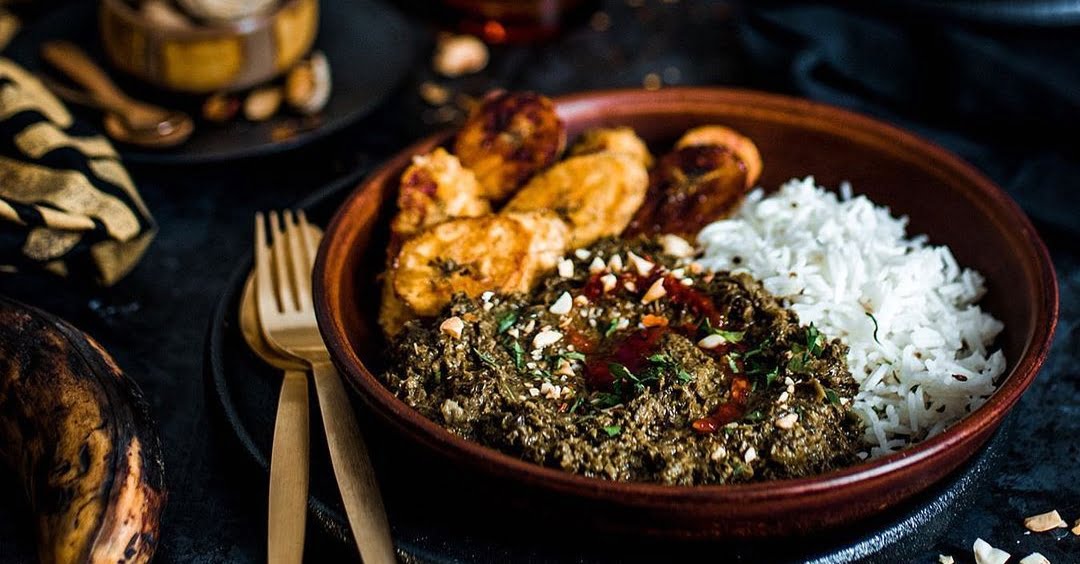
Saka-Saka is a popular spinach and meat dish in Central African Republic. The dish is made by cooking spinach with onions, garlic, and tomatoes and then adding meat, typically fish or beef. The dish is slow-cooked until the meat is tender and the spinach has absorbed all the flavors. Saka-Saka is often served with fufu, a starchy porridge made from cassava or plantains.

Boko Boko: A Spicy Chicken and Vegetable Stew

Boko Boko is a spicy chicken and vegetable stew that is popular in Central African Republic. The dish is made with chicken, onions, tomatoes, and a variety of vegetables such as carrots, bell peppers, and cabbage. The stew is seasoned with chili peppers, ginger, and garlic, giving it a spicy and flavorful taste. Boko Boko is typically served with rice or fufu and is a satisfying and filling meal.

Mbongo Tchobi: A Rich Beef and Tomato Stew

Mbongo Tchobi is a rich beef and tomato stew that is slow-cooked with a variety of vegetables and spices. The dish is made by cooking beef with onions, tomatoes, carrots, and bell peppers and then adding a blend of spices such as allspice, ginger, and cinnamon. The stew is simmered until the meat is tender and the flavors have melded together. Mbongo Tchobi is often served with rice or fufu and is a comforting and flavorful dish.

Koko: A Fish and Meat Soup with Spices

Koko is a fish and meat soup that is commonly found in Central African Republic. The soup is made with a variety of fish such as tilapia or catfish and is slow-cooked with meat, typically beef or goat. The soup is seasoned with a variety of spices such as ginger, garlic, and chili peppers, giving it a spicy and aromatic taste. Koko is often served with fufu or rice and is a warming and satisfying meal.

Closing Thoughts: Central African Republic’s Meat Delights

Central African Republic’s meat cuisine is diverse and flavorful, incorporating a variety of meats, vegetables, and spices. From grilled meat to hearty stews and soups, Central Africans take pride in their meat dishes, which reflect their cultural heritage and history. Visitors to Central African Republic should not miss the opportunity to try these delicious and unique meat dishes.

Introduction to Comorian cuisine

Comorian cuisine is the traditional cuisine of the Comoros, a group of small islands located off the east coast of Africa. The cuisine is a blend of African, Arabic, French, and Indian influences, reflecting the island’s history and cultural heritage. The food is known for its rich flavors, bold spices, and use of fresh seafood and tropical fruits.

Influence of different African cuisines

Comorian cuisine shares some similarities with other African cuisines, but it also has its unique features. The island’s history as a French colony has influenced the cuisine, with French dishes like coq au vin and beef bourguignon integrated into Comorian cooking. Indian, Arab, and East African influences can also be seen in the use of spices like turmeric, cumin, and cardamom, and the preparation of meat in stews and curries.

Unique flavors and spices in Comorian cuisine

Comorian cuisine is well-known for its bold and complex flavors, which come from the use of a variety of spices and herbs. Some of the most common spices in Comorian dishes include coriander, cinnamon, ginger, and cloves. The cuisine also features unique spices like ylang-ylang, a fragrant flower that is used in desserts and sweet dishes.

Importance of seafood in Comorian dishes

As an island nation, seafood is a critical part of Comorian cuisine. Fresh fish, octopus, and shellfish are staples of the diet and feature prominently in many dishes. One classic Comorian dish is langouste a la vanilla, a lobster dish cooked with vanilla beans, garlic, and tomato sauce.

Staple foods in Comorian cuisine

Staple foods in Comorian cuisine include rice, cassava, yams, and plantains. These are often served as a side dish with stews and curries. Comorian cuisine also features a variety of bread made from cassava, coconut, or cornmeal.

Traditional preparation methods in Comorian cooking

Comorian cuisine is heavily influenced by traditional cooking methods. One method is the use of a tajine, a clay pot used to cook stews and vegetable dishes. Another traditional technique is to cook food over an open flame using coconut leaves as fuel. This method is known as “Maféani” in Comorian.

Popular dishes in Comorian cuisine

Some of the most popular dishes in Comorian cuisine include Mataba, a cassava leaf stew, and Akoho sy voanio, a chicken dish cooked with coconut milk and ginger. Other dishes include Langouste a la vanilla, a lobster dish cooked with vanilla beans, and Mkatra Foutra, a sweet cake made with cassava flour and coconut milk.

Conclusion on the distinctness of Comorian cuisine

Comorian cuisine is unique in its blend of African, Arabic, French, and Indian influences. The use of bold spices, fresh seafood, and tropical fruits creates a distinct flavor profile that sets Comorian cuisine apart from other African cuisines. Traditional cooking methods, such as the use of clay pots and cooking over open flames, further distinguish Comorian cuisine. Overall, Comorian cuisine is a delicious and unique culinary experience that is worth exploring.

Introduction: Understanding Congolese Cuisine

Congo, also known as the Democratic Republic of Congo, is a Central African country with a rich and diverse culinary culture. Congolese cuisine is influenced by its geography, history, and cultural diversity. The cuisine is known for its unique flavors and ingredients that are particular to the region. In this article, we will explore how Congolese cuisine differs from other African cuisines.

Ingredients: The Backbone of Congolese Cuisine

The ingredients used in Congolese cuisine are the backbone of its unique flavor. The cuisine is known for its use of various meats, including bushmeat, goat, and fish, as well as vegetables such as cassava, plantains, and yams. The use of spices, including cardamom, cumin, and ginger, is also a signature of Congolese cuisine. Additionally, peanuts, okra, and various peppers are commonly used in Congolese dishes.

Influences: The Multicultural Roots of Congolese Cuisine

The multicultural roots of Congolese cuisine are evident in the variety of ingredients and dishes that it offers. The cuisine has been influenced by various cultures, including Arab, Portuguese, Indian, and French, among others. The introduction of cassava and other root vegetables can be traced back to the Portuguese influence, while Arab traders introduced spices such as cinnamon and cloves. The French influence can be seen in the use of butter and cream in Congolese dishes.

Flavors: The Unique Taste of Congolese Cuisine

The unique flavors of Congolese cuisine are a combination of sweet, sour, and savory. The use of fresh herbs, spices, and vegetables gives Congolese dishes a distinct flavor that is unlike any other African cuisine. The cuisine is also known for its use of fermented ingredients, including cassava leaves and millet beer, which adds a tangy and slightly sour taste to the dishes.

Meals: The Typical Congolese Eating Habits

In Congolese culture, meals are a time for gathering and socializing. The typical Congolese meal consists of a starch, such as fufu or cassava, served with a meat or vegetable stew. The meal is often eaten with the hands or with a small spoon, and communal eating is common. Breakfast is typically light and may consist of porridge or bread with tea or coffee. Lunch is the main meal of the day, while dinner is usually lighter.

Preparation: The Traditional Cooking Techniques of Congo

Traditional cooking techniques in Congo involve the use of open fire and charcoal grills. The use of earthenware pots and wooden spoons is also common in Congolese cooking. Many dishes are slow-cooked to allow the flavors to develop fully. Fermentation is also a traditional method of food preservation and is used in the preparation of many Congolese dishes.

Food Pairings: The Perfect Matches for Congolese Dishes

Congolese cuisine is often paired with various wines and beers, including palm wine and banana beer. The cuisine is also often served with spicy sauces and chutneys, which complement the flavors of the dishes. Fresh fruits, such as mangoes and pineapples, are also commonly served as a dessert or as a palate cleanser.

Conclusion: The Future of Congolese Cuisine

Congolese cuisine is a unique and flavorful cuisine that continues to evolve and grow. As more people become interested in African cuisine, the popularity of Congolese dishes is increasing. With its multicultural roots and diverse ingredients, Congolese cuisine has the potential to become a popular cuisine around the world.

Introduction

Cuban cuisine is a fusion of Spanish, African, and indigenous influence. The Spanish colonization of Cuba brought new ingredients, cooking techniques, and culinary traditions, while the African slaves introduced their own cooking style and ingredients. The result is a unique blend of flavors and dishes that showcase the rich history and cultural diversity of the island.

Spanish Influence on Cuban Cuisine

The Spanish influence on Cuban cuisine is evident in the use of ingredients such as rice, beans, olive oil, garlic, and tomatoes. The Spanish introduced these ingredients and cooking techniques to Cuba during the colonial period, and they have become an integral part of Cuban cuisine. One of the most popular dishes that showcase the Spanish influence is arroz con pollo, which is a rice and chicken dish cooked with saffron, tomatoes, and olives. Other Spanish-influenced dishes include ropa vieja, a shredded beef stew, and paella, a rice dish with seafood or meat.

African Influence on Cuban Cuisine

The African influence on Cuban cuisine is evident in the use of spices, herbs, and cooking techniques such as deep-frying and stews. The African slaves brought with them their own cooking style and ingredients such as yucca, plantains, and okra. These ingredients are found in many traditional Cuban dishes such as tostones, which are fried plantains, and ajiaco, a stew made with pork, yucca, and plantains. The use of spices such as cumin, coriander, and oregano is also a significant influence of African cuisine on Cuban dishes.

Ingredients Used in Cuban Cuisine

Cuban cuisine uses a variety of ingredients that reflect its diverse cultural heritage. Some of the most popular ingredients used in Cuban dishes include rice, beans, pork, chicken, plantains, yucca, garlic, onions, tomatoes, and peppers. These ingredients are often combined with spices and herbs to create flavorful and satisfying dishes. Seafood is also a popular ingredient in Cuban cuisine, as the island is surrounded by the Caribbean Sea.

Popular Cuban Dishes

Cuban cuisine is known for its flavorful and hearty dishes. Some of the most popular Cuban dishes include arroz con pollo, ropa vieja, lechon asado, which is a roasted pig, and picadillo, a ground beef dish with onions, tomatoes, and olives. Other popular dishes include black bean soup, tostones, and empanadas, which are filled pastries.

Fusion of Spanish and African Cuisine in Cuban Dishes

The fusion of Spanish and African cuisine is evident in many Cuban dishes. For example, the use of rice and beans, which are staples of both Spanish and African cuisine, is a common theme in Cuban dishes such as moros y cristianos, which is a rice and black bean dish. Other dishes such as ajiaco and ropa vieja combine Spanish ingredients such as tomatoes and olives with African cooking techniques and spices.

Importance of Food in Cuban Culture

Food is an essential part of Cuban culture. Meals are often a time for family and friends to come together and enjoy each other’s company. Many traditional Cuban dishes are served at family gatherings and celebrations such as weddings and birthdays. Food is also a way to celebrate the rich cultural heritage of the island, and many dishes have become a symbol of Cuban identity.

Conclusion: The Rich History of Cuban Cuisine

Cuban cuisine is a fusion of Spanish, African, and indigenous influence. The Spanish and African influence on Cuban dishes is evident in the ingredients used, cooking techniques, and culinary traditions. Cuban cuisine has become a symbol of the island’s rich cultural heritage, and its dishes have become internationally recognized for their unique blend of flavors and ingredients. Cuban cuisine is not just about the food but also about the way it brings people together, celebrates culture, and creates memories.

Introduction: Congolese Cuisine

Congolese cuisine is the cooking style of the Democratic Republic of Congo, located in central Africa. The cuisine is known for its vibrant flavors, bold spices, and the use of fresh ingredients. The cooking style of Congo is influenced by the country’s history, geography, and trade relations with neighboring countries.

Influences on Congolese Cuisine

Congolese cuisine is primarily influenced by the country’s history of colonization and trade. The cuisine has been shaped by the country’s interactions with countries like Portugal, Belgium, and France. The Portuguese introduced cassava, peanuts, and chili peppers to Congo, while the Belgians brought potatoes, coffee, and chocolate. The French introduced baguettes and croissants, which are commonly found in Congolese bakeries today. Congo’s cuisine also has influences from neighboring countries such as Angola, Uganda, and Tanzania.

Staple Foods of Congolese Cuisine

Staple foods of Congolese cuisine include cassava, plantains, yams, and sweet potatoes. These starchy foods are often served as the base for many dishes, such as fufu, a starchy paste made from cassava or plantains. Rice and beans are also commonly eaten in Congo, especially in the eastern regions of the country. Peanut butter is a popular ingredient used to add flavor and thickness to soups and stews.

Spices and Flavors in Congolese Cuisine

Congolese cuisine is known for its use of bold spices and flavors. Garlic, ginger, and chili peppers are commonly used to add heat and flavor to dishes. Coriander, cumin, and cinnamon are also used to add depth and complexity to sauces and stews. Palm oil is a popular cooking oil used in Congolese cuisine, adding a distinct flavor and color to dishes.

Meat and Fish in Congolese Cuisine

Meat and fish are important sources of protein in Congolese cuisine. Beef, chicken, and goat are commonly eaten, while fish from the Congo River and Lake Tanganyika are also popular. Fish is often served grilled or fried, while meat is usually stewed or grilled. In the eastern regions of the country, insects such as caterpillars and grasshoppers are also eaten as a source of protein.

Regional Variations in Congolese Cuisine

Congolese cuisine has regional variations, with different dishes and ingredients being popular in different parts of the country. In the eastern regions, beans and peas are commonly used in dishes, while in the western regions, peanuts are a popular ingredient. The cuisine in the north is influenced by Sudanese and Ugandan cuisine, while the south is influenced by Angolan and Zambian cuisine.

Differences from Other African Cuisines

Congolese cuisine differs from other African cuisines in its use of spices and flavors. The bold and complex flavors of Congolese cuisine set it apart from the milder flavors of North African cuisine. The use of peanuts, cassava, and palm oil also distinguishes Congolese cuisine from other West African cuisines. Additionally, the use of insects as a source of protein is unique to Congo.

Conclusion: The Richness of Congolese Cuisine

Congolese cuisine is a rich and vibrant cuisine, with a variety of bold flavors and unique ingredients. Influenced by its history, geography, and neighboring countries, Congolese cuisine stands out from other African cuisines with its complex spices, use of peanuts and palm oil, and the incorporation of insects as a source of protein. Whether you are a meat lover, a vegetarian, or a seafood connoisseur, you are sure to find something to love in Congolese cuisine.

Introduction: African cuisine around the world

African cuisine has been gaining popularity around the world in recent years, with more and more African restaurants opening up in different cities. African cuisine is diverse, with each region and country having its unique flavors, ingredients, and cooking techniques. African cuisine is known for its bold flavors, unique spices, and vibrant colors that make the dishes stand out in a crowd.

History: How African cuisine spread beyond the continent

African cuisine has a rich history that dates back to the days of the ancient African empires. Through the centuries, African cuisine spread beyond the continent through trade, migration, and colonization. The transatlantic slave trade also played a role in spreading African food cultures to the Americas and the Caribbean. Today, African cuisine is found in different parts of the world, from Europe to Asia, North America, and beyond, showcasing the diversity and richness of African food culture.

Influence: How African cuisine shaped global gastronomy

African cuisine has had a significant influence on global gastronomy, from the way we flavor our food to the ingredients we use. West African cuisine, for example, introduced the world to spices like ginger, cumin, and coriander, which are now commonly used in international cuisines. The use of chili peppers and other hot spices in African cuisine has also influenced the spicy flavors in many global dishes. African ingredients like cassava, plantains, and yams have also been incorporated into global cuisine, showcasing the versatility and adaptability of African food culture.

Traditional dishes: Sampling African-influenced foods

African cuisine features a wide range of traditional dishes that showcase the unique flavors and ingredients of different regions. Some of the popular African-influenced dishes include Jollof rice, Bobotie, and Suya.

Jollof rice: The West African staple that went global

Jollof rice is a popular West African dish that has gone global, with different variations found in different parts of the world. This dish is made from rice cooked with vegetables, spices, and sometimes meat or fish. Jollof rice is known for its bold flavors, bright colors, and smoky aroma, making it a favorite for many.

Bobotie: The South African dish that’s full of flavor

Bobotie is a popular South African dish that is full of flavor. This dish is made from spiced minced meat cooked with onions, garlic, and curry powder, then topped with a creamy custard. Bobotie is often served with yellow rice and chutney, adding to its unique flavor profile.

Suya: The Nigerian food that’s now street food in New York

Suya is a popular Nigerian street food that has become famous globally, with many food trucks and restaurants serving it in different parts of the world. Suya is made from skewered meat, usually beef or chicken, marinated with spices and grilled over an open flame. Suya is often served with onions, tomatoes, and a spicy peanut sauce, making it a flavorful and satisfying meal.

Conclusion: Celebrating African influences on world cuisine

African cuisine has had a significant influence on the world’s cuisine, introducing new flavors, ingredients, and cooking techniques. It is essential to celebrate the diversity and richness of African food culture and acknowledge the impact it has had on global gastronomy. Whether it’s Jollof rice, Bobotie, or Suya, African-influenced dishes are a testament to the versatility and adaptability of African cuisine.

Introduction: The Fusion of Cultures in Dominican Cuisine

The Dominican Republic is a melting pot of cultures, resulting in a unique and flavorful cuisine that reflects the country’s rich history. The country’s cuisine is heavily influenced by African, Spanish, and Indigenous cultures, which are intricately woven into the dishes.

The African, Spanish, and Indigenous cultures have all contributed their own unique flavors, ingredients, and cooking techniques, making Dominican cuisine a diverse and exciting experience. The country’s cuisine has evolved over time, with each group adding their own touch to traditional dishes, resulting in new and innovative flavors that are uniquely Dominican.

African Influence: Key Ingredients and Dishes

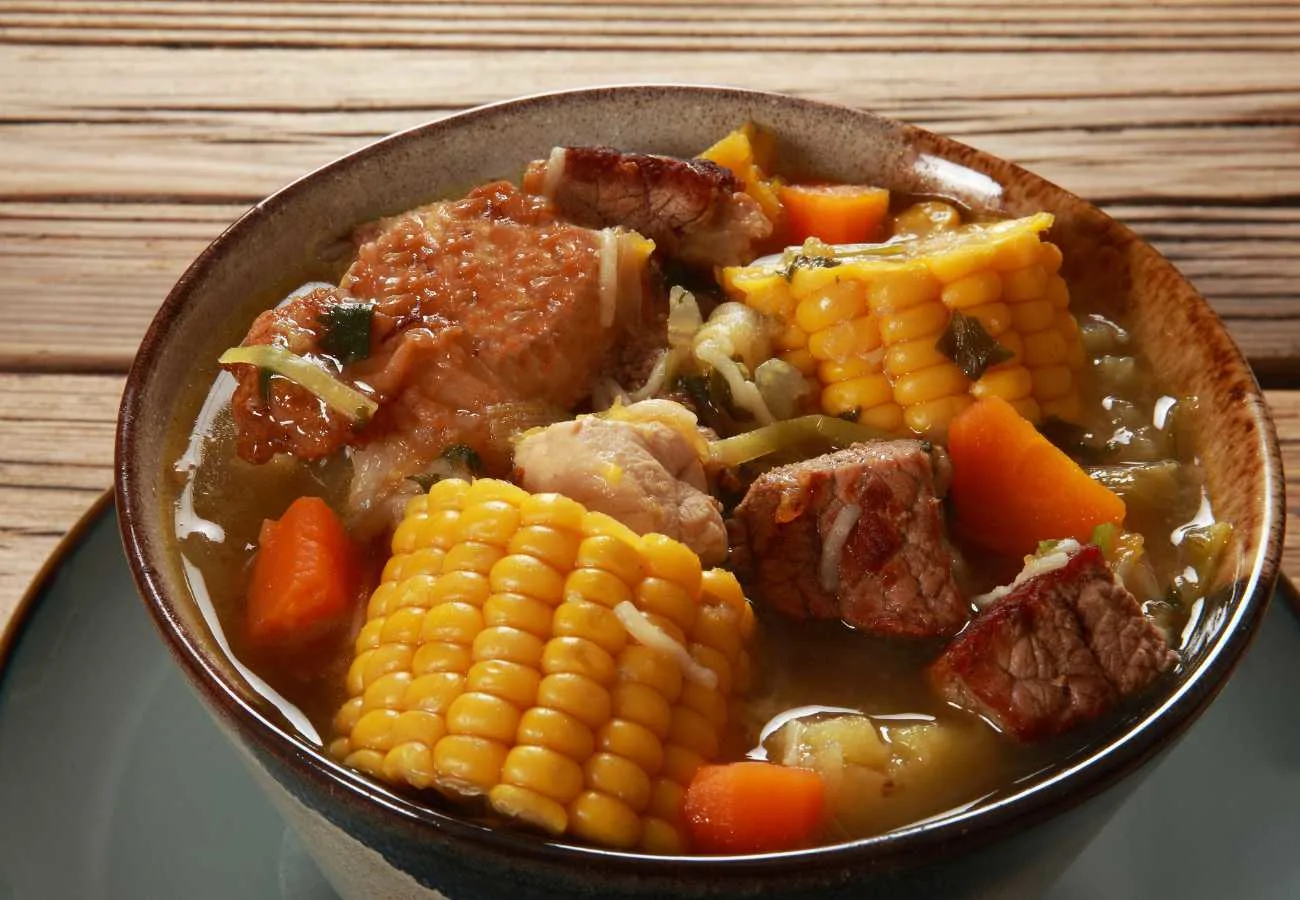
African influence is evident in many Dominican dishes, with the use of spices, beans, and stews being the most prominent. One of the most popular dishes that reflects African influence is sancocho, a hearty stew made with meat, yucca, plantains, and corn. The use of yucca and plantains in the dish is a nod to African cooking techniques, which often involve boiling starchy vegetables.

Other key ingredients used in Dominican dishes with African influence include beans, rice, and coconut, which are all staples in African cuisine. For example, moro de guandules, a dish made with pigeon peas, coconut, and rice, reflects this influence.

Spanish Heritage: Flavors and Cooking Techniques

The Spanish influence on Dominican cuisine is perhaps the most significant, as the country was colonized by Spain for over 300 years. The Spanish brought with them a variety of ingredients and cooking techniques, which have since become integral to Dominican cuisine.

One of the most prominent Spanish influences on Dominican cuisine is the use of sofrito, a mixture of onions, peppers, and garlic that is sautéed and used as a base for many dishes. This technique is commonly used in dishes such as arroz con pollo, a flavorful chicken and rice dish.

Other Spanish influences on Dominican cuisine include the use of olive oil, saffron, and the incorporation of seafood in dishes such as paella.

Indigenous Roots: The Use of Local Ingredients

The Indigenous people of the Dominican Republic, known as Tainos, have also had a significant influence on the country’s cuisine. The Tainos were skilled farmers and foragers, and their diet consisted of a variety of fruits, vegetables, and seafood.

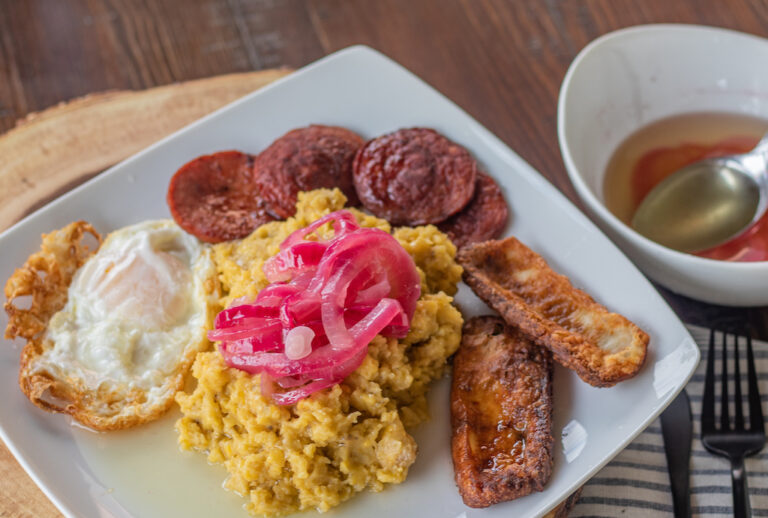
Today, many Dominican dishes incorporate local ingredients such as yucca, plantains, and corn, which were staples in the Taino diet. One of the most popular dishes that reflects Indigenous influence is mangu, a dish made with mashed plantains, which is often served for breakfast.

Popular Dominican Dishes with African, Spanish and Indigenous Influence

Some of the most popular dishes in Dominican cuisine are a fusion of African, Spanish, and Indigenous influences. Examples include:

  • Asopao: A soupy dish made with shrimps, chicken, and rice, which reflects Spanish and African influences.
  • Chicharron de Pollo: A fried chicken dish that uses a mixture of spices and herbs, reflecting African influence.
  • Tostones: Fried plantains that are a staple in many Dominican dishes and reflect Indigenous influence.

The Role of Cilantro, Garlic, and Rice in Dominican Cuisine

Cilantro, garlic, and rice are three key ingredients in Dominican cuisine that are used in many dishes. Cilantro, for example, is often used as a garnish or added to dishes for flavor, while garlic is used as a base for many dishes, reflecting Spanish influence.

Rice is also a staple in Dominican cuisine and is often served as a side dish or used in a variety of dishes, such as arroz con gandules or arroz con leche.

The Impact of Slavery and Colonialism on Dominican Food

The impact of slavery and colonialism on Dominican food cannot be overstated. The African slaves brought to the Dominican Republic were forced to adapt to new ingredients and cooking techniques, resulting in a fusion of African and Spanish flavors.

Similarly, the Spanish colonizers brought with them a variety of ingredients and techniques that have since become integral to Dominican cuisine. The Taino people, who were the original inhabitants of the island, also had a significant influence on the country’s cuisine, with their knowledge of local ingredients and farming techniques shaping Dominican cuisine.

Conclusion: The Diversity and Richness of Dominican Gastronomy

In conclusion, the fusion of African, Spanish, and Indigenous cultures has resulted in a diverse and rich gastronomy in the Dominican Republic. The country’s cuisine reflects its complex history, with each group bringing their own unique flavors and cooking techniques to traditional dishes.

The use of local ingredients, such as plantains and yucca, and the incorporation of spices and herbs, such as cilantro and garlic, add depth and complexity to Dominican cuisine. The result is a harmonious blend of flavors that is uniquely Dominican and a true reflection of the country’s rich cultural heritage.

Introduction: The Mosaic of Dominican Cuisine

Dominican cuisine is a vibrant blend of African, Spanish, and Indigenous cultures. The fusion of these cultures has created a unique culinary identity that is rich in flavor and history. The dishes of the Dominican Republic are a testament to the country’s diverse cultural heritage, which has been shaped by centuries of colonization, slavery, and migration.

African Influence on Dominican Dishes

The African influence on Dominican cuisine is evident in the use of spices, herbs, and cooking techniques. African slaves brought with them West African culinary traditions and adapted them to the ingredients available in the Dominican Republic. One of the most significant African contributions to Dominican cuisine is the use of plantains, which are a staple in many traditional dishes. Plantains are used in various ways, including in mangu, a dish made from mashed plantains, and tostones, fried plantain slices.

Spanish Influence on Dominican Dishes

The Spanish influence on Dominican cuisine is also significant, as the country was under Spanish rule for over 300 years. Spanish cuisine has left a lasting impression on Dominican cuisine, with many traditional dishes incorporating Spanish ingredients such as rice, beans, and olive oil. One of the most iconic Dominican dishes with Spanish influence is sancocho, a hearty stew made with various meats, root vegetables, and plantains.

Indigenous Influence on Dominican Dishes

The Indigenous people of the Dominican Republic, the Taíno, also made significant contributions to the country’s cuisine. They were skilled farmers and hunters and introduced many ingredients that are still used today, such as cassava, yucca, and peppers. Indigenous cooking techniques, such as barbecuing and roasting, are still prevalent in Dominican cuisine. A popular Indigenous-inspired dish is chicharrón de pollo, which is seasoned fried chicken.

The Three C’s: Cassava, Corn, and Coconut

Cassava, corn, and coconut are three ingredients that are prevalent in Dominican cuisine. Cassava, also known as yucca, is a root vegetable that is used in many traditional dishes, including cassava bread and yucca con mojo. Corn is used to make arepas, a type of flatbread, and in sancocho, a stew. Coconut is used in a variety of ways, including in desserts such as cocada and arroz con coco, a coconut rice dish.

The Importance of Sofrito

Sofrito is a flavorful base used in many traditional Dominican dishes. It is made with a mixture of onions, garlic, peppers, cilantro, and other herbs and spices. The ingredients are blended together to create a paste that is used to season meats, rice, and other dishes. Sofrito is the foundation of many Dominican dishes, including arroz con gandules, a rice and pigeon pea dish.

The Legacy of Slavery in Dominican Cuisine

The legacy of slavery is also evident in Dominican cuisine. Many traditional dishes originated in slave quarters and were made with ingredients that were readily available to slaves. These dishes include mondongo, a tripe stew, and habichuelas con dulce, a sweet bean dessert. The use of offal, or organ meats, is also a reflection of the limited resources available to slaves.

Conclusion: A Delicious Blend of Cultures

In conclusion, Dominican cuisine is a reflection of the country’s diverse cultural heritage. The fusion of African, Spanish, and Indigenous cultures has created a unique culinary identity that is rich in flavor and history. From the use of plantains to the importance of sofrito, Dominican cuisine is a delicious blend of cultures that has evolved over centuries.

Introduction: Ecuadorian cuisine

Ecuador, a small country located in South America, is known for its rich diversity, culture, and history. One of the best ways to explore Ecuador’s culture and history is through its cuisine. Ecuadorian cuisine is a fusion of Indigenous, Spanish, and African influences. The unique blend of cultures has given rise to a diverse and flavorful cuisine that is loved by locals and tourists alike.

Indigenous influences on Ecuadorian cuisine

The Indigenous people of Ecuador have a long history of farming and cooking. They relied heavily on local ingredients such as potatoes, quinoa, corn, beans, and vegetables. These ingredients formed the base of their diet and were often cooked with traditional cooking techniques such as roasting, boiling, and steaming. Indigenous cuisine also includes the use of cuy (guinea pig), a traditional delicacy that is still enjoyed in some parts of Ecuador.

In addition to the ingredients and techniques, Indigenous culture also influenced the use of herbs and spices in Ecuadorian cuisine. Herbs such as cilantro, achiote, and huacatay are commonly used in Ecuadorian dishes to add flavor and aroma. Indigenous cuisine has also influenced the use of chicha, a traditional fermented corn drink that is still consumed in some parts of the country.

Spanish influences on Ecuadorian cuisine

The Spanish arrived in Ecuador in the 16th century and brought with them their own cuisine, ingredients, and techniques. They introduced wheat, rice, sugar, and dairy products to Ecuadorian cuisine. Spanish cuisine also influenced the use of meat in Ecuadorian dishes. Beef, chicken, and pork are now commonly consumed in Ecuadorian cuisine.

Spanish cooking techniques such as frying and baking were also introduced to Ecuadorian cuisine. This led to the creation of dishes such as empanadas, fritada, and hornado. Spanish cuisine also influenced the use of spices such as saffron, paprika, and oregano in Ecuadorian dishes.

African influences on Ecuadorian cuisine

African slaves were brought to Ecuador in the 16th century and their culture and cuisine also had an impact on Ecuadorian cuisine. African cuisine introduced new ingredients such as plantains, yucca, and peanuts to Ecuadorian dishes. African cuisine also influenced the use of spices such as cumin, ginger, and garlic in Ecuadorian cuisine.

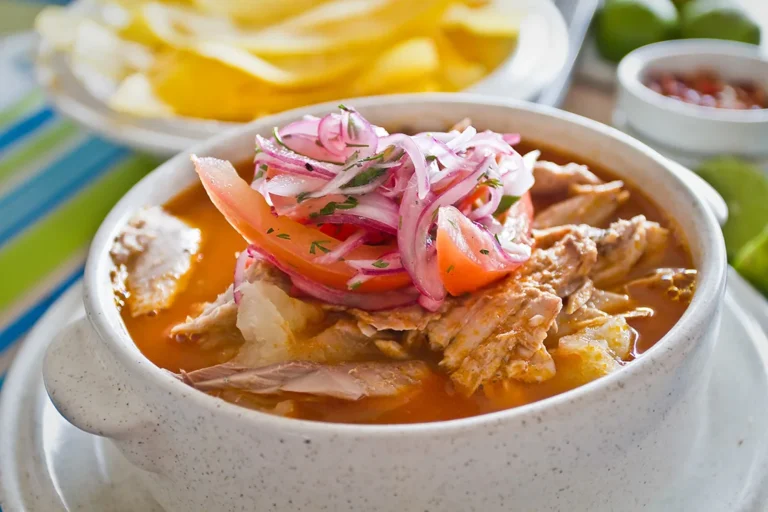
African cuisine also introduced the concept of stews and soups, which are now commonly consumed in Ecuadorian cuisine. Dishes such as encebollado and seco de chivo are examples of African influence in Ecuadorian cuisine.

Common ingredients in Ecuadorian dishes

Some of the most common ingredients used in Ecuadorian dishes include potatoes, corn, beans, rice, plantains, yucca, beef, chicken, and pork. Herbs and spices such as cilantro, achiote, and cumin are also commonly used to add flavor and aroma to Ecuadorian dishes. Ecuadorian cuisine also includes the use of seafood such as shrimp, fish, and octopus.

Most popular Ecuadorian dishes

Some of the most popular Ecuadorian dishes include ceviche, empanadas, fanesca, locro de papas, seco de chivo, and encebollado. Ceviche is a seafood dish that is typically served with popcorn and plantain chips. Empanadas are stuffed pastries that can be filled with cheese, beef, or chicken. Fanesca is a soup that is traditionally served during Easter and is made with beans, rice, and squash.

Locro de papas is a potato soup that is served with avocado and cheese. Seco de chivo is a stew made with goat meat, peanuts, and beer. Encebollado is a fish soup that is typically served with red onion and yucca.

Regional variations in Ecuadorian cuisine

Ecuadorian cuisine varies from region to region. Coastal cuisine is known for its seafood dishes such as ceviche and encebollado. Highland cuisine is known for its hearty stews and soups such as locro de papas and fanesca. Amazonian cuisine is known for its exotic ingredients such as fried ants and guinea pig.

Conclusion: The unique blend of cultures in Ecuadorian cuisine

Ecuadorian cuisine is a fusion of Indigenous, Spanish, and African cultures. The unique blend of cultures has given rise to a diverse and flavorful cuisine that is loved by locals and tourists alike. Ecuadorian cuisine includes a wide variety of dishes that vary from region to region. Ecuadorian cuisine is a reflection of the country’s rich history and culture, and it is a must-try for anyone visiting Ecuador.

Introduction: West African Cuisine

West African cuisine is known for its bold flavors, use of spices, and incorporation of starchy staples such as cassava, yams, and plantains. It is a diverse cuisine that varies from country to country, with each region having its own unique dishes and cooking techniques.

Equatorial Guinea: A Unique Culinary Experience

Equatorial Guinea is a small country located in Central Africa. Its cuisine is often overlooked when compared to other West African cuisines, which is a shame as it offers a unique culinary experience. Due to its colonial history, the country showcases influences from Spanish, Portuguese, and West African cuisines, making it a fusion of flavors.

Influences on Equatorial Guinean Cuisine

As mentioned, Equatorial Guinea’s cuisine has been influenced by different cultures. The Spanish and Portuguese brought over their love for seafood and introduced the use of garlic and olive oil. The West African influence can be seen in the use of starchy staples and the incorporation of spices such as chili peppers, onions, and ginger.

Ingredients in Equatorial Guinean Cuisine

The ingredients commonly used in Equatorial Guinean cuisine include seafood, plantains, cassava, yams, rice, and peanuts. The country’s location on the coast makes seafood a staple in its dishes, with fish and shellfish being commonly eaten. Plantains and cassava are used to make fufu, which is a starchy staple that is eaten with soup or stew. Peanut sauces are also popular, and they are used to flavor dishes such as chicken, fish, and vegetables.

Cooking Methods and Techniques

In Equatorial Guinean cuisine, dishes are often slow-cooked to allow the flavors to develop fully. Grilling and frying are also popular methods of cooking, especially when it comes to seafood. Spices are also used to enhance the flavors of the dishes.

Popular Dishes in Equatorial Guinea

One of the most popular dishes in Equatorial Guinea is called “sopa de pescado,” which translates to fish soup. The dish is made by slow-cooking fish with vegetables and spices to create a flavorful soup. Another popular dish is called “fufu con salsas,” which is a dish consisting of fufu and different types of peanut sauces.

Comparing Equatorial Guinean Cuisine to Other West African Cuisines

While Equatorial Guinean cuisine shares some similarities with other West African cuisines, such as the use of starchy staples and spices, it stands out due to its Spanish and Portuguese influence. The country’s coastal location also sets it apart, as seafood is a staple in its dishes.

Conclusion: The Richness of Equatorial Guinean Cuisine

Equatorial Guinean cuisine may not be as well-known as other West African cuisines, but it offers a unique culinary experience that should not be overlooked. Its fusion of flavors from different cultures, slow-cooking techniques, and use of seafood make it a must-try for any food lover.