Tag

bahamian

Browsing

Overview of Bahamian Cuisine

Bahamian cuisine is a fusion of African, European, and Native American cultures, which has resulted in a diverse range of dishes and flavors. The cuisine is heavily influenced by the country’s location in the Caribbean Sea, with seafood and tropical fruits being a staple in many dishes. Bahamian cuisine is also known for its rich spices and herbs, which are used to add depth of flavor to many dishes.

Influence of African, European, and Native American Cultures

The cuisine of the Bahamas has been influenced by the African, European, and Native American cultures that have contributed to the country’s history. The Africans brought with them a love for spice and a range of cooking techniques, which have been incorporated into many traditional Bahamian dishes. The Europeans brought a love for baking, which can be seen in the variety of pastries and breads that are popular in the country. The Native Americans introduced the Bahamas to cassava, a root vegetable that is a staple in many dishes.

Religious and Cultural Dietary Restrictions in the Bahamas

The Bahamas is a predominantly Christian country, with the majority of the population following the Anglican Church. As such, there are no strict religious dietary restrictions in Bahamian cuisine. However, there are cultural dietary restrictions that are followed by some communities, such as Rastafarians who follow a strict vegan diet.

How Christianity and Islam Affect Bahamian Cuisine

Christianity and Islam do not have a significant impact on Bahamian cuisine, as the majority of the population follows Christianity. However, there are a few dishes that are influenced by Islamic cuisine, such as the use of rice and spices in many dishes, which is a staple in many Islamic countries.

Seafood and Meat in Bahamian Cuisine

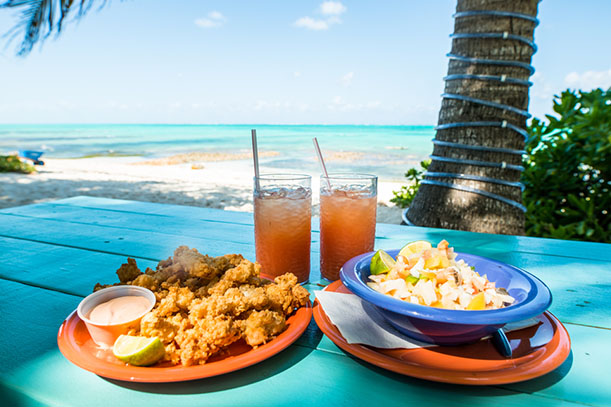
Seafood is a staple in Bahamian cuisine, and it is used in a variety of dishes. Some of the most popular seafood dishes include conch salad, conch fritters, and grilled fish. Meat, particularly chicken and pork, is also widely used in Bahamian cuisine, often being grilled or stewed to add flavor.

Traditional Bahamian Dishes and Ingredients to Avoid

Traditional Bahamian dishes include conch salad, peas and rice, boiled fish, and Johnny cake. These dishes are usually made with meat or seafood, and may contain ingredients such as salted pork, chicken, or fish stock, which should be avoided by vegetarians and vegans.

Vegetarian and Vegan Options in Bahamian Cuisine

Vegetarian and vegan options in Bahamian cuisine are limited, as the cuisine is heavily focused on meat and seafood. However, there are a few dishes that can be adapted to be made vegetarian or vegan, such as peas and rice, which can be made without meat, and vegetable stir-fries.

Conclusion: Understanding Dietary Restrictions in Bahamian Cuisine

In conclusion, Bahamian cuisine is a fusion of African, European, and Native American cultures, which has resulted in a diverse range of dishes and flavors. While there are no strict religious dietary restrictions in Bahamian cuisine, there are some cultural dietary restrictions that may be followed by some communities. Understanding the ingredients and cooking methods used in Bahamian cuisine can help those with dietary restrictions make informed choices when dining in the country.

Introduction: Traditional Bahamian Breakfast

When it comes to Bahamian cuisine, many people think of seafood and tropical drinks. However, the Bahamas also has a rich breakfast culture, with a variety of delicious dishes that locals enjoy to start their day. These traditional breakfast items include both savory and sweet options, and are a reflection of the country’s diverse cultural influences.

Johnnycakes: The Classic Bahamian Breakfast Dish

Johnnycakes are a staple of Bahamian cuisine, and are often enjoyed for breakfast. These small, round cakes are made from flour, salt, water, and baking powder, and are typically fried until golden brown. Johnnycakes are often served with butter and syrup, or with savory toppings like ham and cheese.

Souse: A Savory Soup for Breakfast

Souse is a popular Bahamian dish that is often enjoyed for breakfast. This savory soup is made from pig’s feet, onions, peppers, and lime juice, and is typically served with bread or johnnycakes. While souse is not for everyone, it is a beloved breakfast item in the Bahamas, and is thought to be a great way to start the day.

Boiled Fish: A Protein-Rich Start to the Day

Boiled fish is another popular breakfast item in the Bahamas. This dish typically features a firm white fish like grouper or snapper, which is boiled with onions, peppers, and spices. Boiled fish is a great source of protein and is often served with grits or bread.

Stewed Conch: A Bahamian Delicacy for Breakfast

Conch is a beloved ingredient in Bahamian cuisine, and stewed conch is a popular breakfast dish in the Bahamas. This dish features conch that has been simmered in a tomato-based sauce with onions, peppers, and spices. Stewed conch is often served with grits or johnnycakes.

Corned Beef with Grits: A Hearty Breakfast Option

Corned beef with grits is a filling and hearty breakfast option in the Bahamas. This dish features canned corned beef that has been cooked with onions, peppers, and spices, and is typically served with creamy grits. While corned beef is not a traditional Bahamian ingredient, it has become a popular breakfast item over the years.

Fried Fish and Grits: A Filling Meal to Start the Day

Fried fish and grits is a beloved breakfast dish in the Bahamas, and is often enjoyed on weekends or special occasions. This dish features fried fish, typically snapper or grouper, and creamy grits. Fried fish and grits is a filling and flavorful breakfast option that is sure to satisfy.

Coconut Bread: A Sweet Treat for Breakfast in The Bahamas

Coconut bread is a sweet treat that is often enjoyed for breakfast in the Bahamas. This bread is made from flour, sugar, coconut milk, and shredded coconut, and is typically served warm with butter. Coconut bread is a delicious way to start the day and is a popular option for those with a sweet tooth.

Introduction: Exploring Bahamian Cuisine

The Bahamas is a chain of islands located in the Atlantic Ocean. The country has a rich cultural heritage that is reflected in its cuisine. Bahamian cuisine is commonly characterized by the use of seafood, spices, and tropical fruits. The food culture on the islands is a blend of African, European, and Native American influences. Bahamian cuisine has developed over the years and has become a significant part of the country’s identity.

Soup Culture in The Bahamas

Soup is an essential part of Bahamian cuisine. Soups are enjoyed by locals and visitors alike and are typically served as a starter or as a main course. A bowl of hot soup is a comfort food that is perfect for the cold and rainy days that are common in The Bahamas. Bahamian soups are made from locally sourced ingredients that give them a unique and delicious taste. The soup culture in The Bahamas is deeply rooted in its history, and many traditional recipes have been passed down from generation to generation.

Traditional Bahamian Soups: An Overview

The Bahamas is known for its unique and delicious soups. The traditional Bahamian soups are made with fresh ingredients that are readily available in the country. These soups are a blend of African, European, and Native American influences. Some of the popular Bahamian soups include conch chowder, souse, fish soup, and peas soup.

The Famous Bahamian Conch Chowder

Conch chowder is one of the most famous Bahamian soups. It is made with fresh conch meat, potatoes, carrots, celery, onions, and spices. The soup is cooked slowly, allowing all the flavors to blend together, resulting in a rich and creamy soup that is bursting with flavor. The conch chowder is a must-try for anyone visiting The Bahamas.

Souse: A Must-Try Bahamian Delicacy

Souse is a traditional Bahamian soup that is made with meat, typically pig’s feet or chicken. The meat is boiled until tender and then marinated in a mixture of lime juice, onions, and peppers. Souse is typically served cold and is a popular dish during the summer months. It is a must-try for anyone visiting The Bahamas.

Steaming Hot Fish Soup

Fish soup is another popular dish in The Bahamas. It is made with a variety of fish, including grouper, snapper, and lobster. The fish is cooked slowly in a flavorful broth that is made with spices, onions, peppers, and tomatoes. The result is a steaming hot and hearty soup that is perfect for a cold day.

Peas Soup: A Staple in Bahamian Homes

Peas soup is a staple in many Bahamian homes. It is made with a variety of peas, including black-eyed, pigeon, and split peas. The soup is typically cooked with vegetables and meat, such as ham hocks or salt beef. Peas soup is a delicious and hearty soup that is perfect for any time of the year.

Variations of Bahamian Soups by Islands

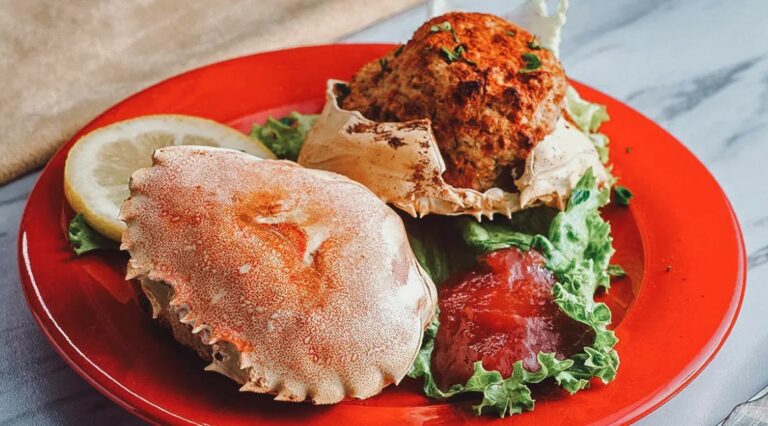
Each island in The Bahamas has its unique variations of traditional Bahamian soups. For example, on the island of Eleuthera, they make a delicious conch soup that is made with coconut milk. The island of Andros is known for its crab soup, which is made with fresh crabs that are caught in the island’s creeks and streams. Whether you’re on Grand Bahama Island or the Abacos, you’ll find a unique and delicious soup that is sure to satisfy your taste buds.

Introduction: Bahamian Cuisine

Bahamian cuisine is a unique blend of African, Caribbean, Spanish, and American influences. The cuisine of The Bahamas is known for its mouthwatering seafood dishes, tropical fruits, and flavorful spices. The Bahamian diet is heavily influenced by the history of the country and its neighboring countries.

Historical Overview of Influences

The Bahamas was first inhabited by the Lucayan people, who were peaceful farmers and fishers. However, when Columbus arrived in The Bahamas in 1492, he brought with him Spanish influence. The British later colonized The Bahamas and brought with them African slaves to work on the plantations. As a result, African cuisine also made its way into the Bahamian cuisine.

Influence of African Cuisine

African cuisine has played a significant role in Bahamian cuisine. The slaves brought with them their cooking techniques, ingredients, and flavors. The Bahamian dish, peas and rice, is a reflection of African influence. The dish is made with black-eyed peas, rice, and spices, and is a staple in Bahamian cuisine.

Influence of Caribbean Cuisine

The Caribbean has also heavily influenced Bahamian cuisine. The use of tropical fruits like mangoes, guavas, and papayas is a reflection of Caribbean influence. Bahamian dishes like conch salad and jerk chicken are also heavily influenced by Caribbean cuisine.

Influence of Spanish Cuisine

Spanish cuisine has also contributed to the unique flavors of Bahamian cuisine. The Spanish brought with them ingredients like tomatoes, peppers, and onions, which are now commonly used in Bahamian dishes. Bahamian dishes like conch fritters and conch chowder are a reflection of Spanish influence.

Influence of American Cuisine

American cuisine has also had a significant influence on Bahamian cuisine. The close proximity of the United States to The Bahamas has allowed for the exchange of culinary ideas. Bahamian dishes like macaroni and cheese, fried chicken, and potato salad are all influenced by American cuisine.

Fusion of Influences in Bahamian Cuisine

Bahamian cuisine is a fusion of all these influences, creating a unique and flavorful cuisine. The use of spices like allspice, thyme, and onion powder is a reflection of the blending of all these different culinary traditions. Bahamian cuisine continues to evolve as chefs and home cooks experiment with new flavors and techniques.

Conclusion: Rich and Diverse Cuisine

Bahamian cuisine is a rich and diverse cuisine, influenced by neighboring countries. The cuisine reflects the history and culture of The Bahamas, and is a testament to the blending of cultures. Visitors to The Bahamas can enjoy a variety of dishes that are both delicious and uniquely Bahamian.

Introduction to Bahamian Cuisine

Bahamian cuisine is a fusion of African, European, and Caribbean culinary styles. As an archipelago of islands, seafood is a mainstay in Bahamian cuisine, with dishes such as conch salad, fried fish, and boiled fish commonly consumed. Other popular dishes include peas and rice, macaroni and cheese, and johnny cake. Bahamian cuisine is also known for its use of spices, herbs, and citrus flavors.

History of Bread in Bahamian Culture

Bread has been an important part of Bahamian culture since the first settlers arrived in the 1600s. The traditional method of making bread involves using local ingredients such as cassava, cornmeal, and wheat flour, mixed with water and sometimes milk. The bread is then baked in a fire pit or on a griddle. The baking process gives the bread its distinct flavor and texture.

Traditional Bahamian Bread Varieties

Bahamian bread comes in various forms, including loaves, rolls, and cakes. Some of the traditional varieties include sweet bread, coconut bread, and potato bread. Sweet bread is a yeast-based bread that is typically enjoyed during special occasions such as Easter and Christmas. Coconut bread is made with coconut milk and shredded coconut, giving it a sweet, nutty flavor. Potato bread is made with mashed potatoes and flour, resulting in a soft, fluffy texture.

Johnny Cake: A Bahamian Staple

Johnny cake is perhaps the most famous type of Bahamian bread. It is made with cornmeal, flour, sugar, and water, and is often served with seafood dishes. The dough is flattened and fried, resulting in a crispy exterior and a soft, doughy interior. Johnny cake can also be sweetened with sugar and served as a dessert.

Conch Fritters: A Unique Bread Alternative

While not technically bread, conch fritters are a popular alternative to traditional bread in Bahamian cuisine. Conch fritters are made with conch meat, flour, and spices, and are deep-fried to perfection. They are often served as an appetizer or snack.

Sweet Bread: A Favorite for Special Occasions

Sweet bread is a Bahamian favorite, particularly during special occasions such as Easter and Christmas. It is a yeast-based bread that is sweetened with sugar and flavored with spices such as cinnamon and nutmeg. It is often eaten with butter or jam.

The Future of Bahamian Bread

As with many traditional foods, Bahamian bread is at risk of being overshadowed by more commercialized options. However, efforts are being made to preserve and promote traditional Bahamian bread varieties. Local bakeries and restaurants are incorporating traditional bread into their menus, and there is a growing interest in traditional Bahamian cuisine.

Conclusion and Recommendations for Trying Bahamian Bread

Bahamian bread is a delicious and unique addition to any meal. Whether it’s the savory johnny cake or the sweet coconut bread, there is a variety for every taste preference. For those visiting the Bahamas, be sure to try the different types of Bahamian bread and support local businesses that are preserving traditional cuisine. For those interested in making Bahamian bread at home, there are many recipes available online that offer a taste of Bahamian culture.

Introduction: Bahamian cuisine

Bahamian cuisine is a delicious blend of West African, European, and Native American flavors. With an abundance of seafood and tropical fruits, the cuisine boasts a unique blend of spices and flavors that are sure to tantalize your taste buds. From conch fritters to guava duff, Bahamian cuisine has something for everyone.

Traditional dishes to try

When it comes to Bahamian cuisine, there are several traditional dishes that you simply must try. Perhaps the most famous is conch, a large sea snail that is used in a variety of dishes, including conch salad and conch chowder. Other popular dishes include johnnycake, a type of bread made with cornmeal, and peas and rice, a flavorful side dish that is often served with seafood.

For dessert, be sure to try guava duff, a sweet cake made with guava jam and served with a rum sauce. And no trip to The Bahamas would be complete without sampling some rum, which is made locally and is used in many of the country’s signature drinks.

Top-rated Bahamian restaurants in [city]

If you’re looking to sample some authentic Bahamian cuisine, there are several top-rated restaurants in [city] that you simply must try. Here are a few of our favorites:

1. Island Flavors

Located in the heart of downtown [city], Island Flavors serves up a delicious array of Bahamian dishes, including conch fritters, fried fish, and coconut shrimp. The restaurant also offers a selection of Caribbean-inspired cocktails, making it the perfect spot to relax and unwind after a long day of sightseeing.

2. Bahama Breeze

With its colorful decor and lively atmosphere, Bahama Breeze is a popular spot for both locals and tourists alike. The menu features a variety of Bahamian dishes, including jerk chicken, conch chowder, and seafood paella. And don’t forget to try one of their signature rum cocktails!

3. Nassau Grill

Nassau Grill is a family-owned restaurant that has been serving up delicious Bahamian cuisine for over 20 years. The menu features a variety of seafood dishes, including conch salad, grilled lobster, and blackened snapper. And for dessert, be sure to try their delicious bread pudding.

4. The Fish Fry

Located on Arawak Cay, The Fish Fry is a collection of small restaurants that specialize in seafood dishes. The atmosphere is casual and lively, with live music and vendors selling souvenirs. Be sure to try the conch salad and the fried fish, which are both local favorites.

Conclusion: Savor the flavors of The Bahamas

Whether you’re a seafood lover or simply looking to try something new, Bahamian cuisine is sure to delight your taste buds. So be sure to check out one of these top-rated restaurants during your next visit to [city], and savor the flavors of The Bahamas!

Introduction: Bahamian Salads

Bahamian salads are a staple in the cuisine of the Bahamas, a beautiful island nation located in the Caribbean Sea. These salads are typically known for their vibrant colors and fresh ingredients, making them both healthy and delicious. Bahamian salads come in a variety of styles, from traditional green salads to fruit-based salads, and are enjoyed by locals and tourists alike.

Base Ingredients: Lettuce, Cabbage, Tomatoes

Lettuce, cabbage, and tomatoes are the base ingredients in most Bahamian salads. Lettuce, typically romaine or iceberg, adds a crisp texture to the salad while cabbage provides a slightly sweet flavor. Tomatoes add a juicy and refreshing burst to the salad. These ingredients are usually chopped and mixed together to create a fresh and tasty foundation for the salad.

Fruits: Oranges, Pineapple, Mangoes

Bahamian salads often incorporate a variety of fruits, adding a sweet and exotic twist to the dish. Oranges, pineapple, and mangoes are popular fruits used in Bahamian salads. Oranges provide a tangy and refreshing flavor while pineapple and mangoes add a juicy and sweet taste. These fruits are typically diced into small pieces and added on top of the salad to create a colorful and flavorful contrast.

Vegetables: Cucumbers, Peppers, Carrots

In addition to the base ingredients, Bahamian salads often contain an assortment of vegetables. Cucumbers, peppers, and carrots are popular choices. Cucumbers add a crunchy texture while peppers provide a slightly spicy kick. Carrots add a sweet and earthy flavor to the salad. These vegetables are typically sliced and mixed into the salad for added flavor and texture.

Proteins: Chicken, Shrimp, Conch

To make the salad more filling and satisfying, Bahamian salads typically include a protein source. Chicken, shrimp, and conch are popular choices. Chicken is typically grilled or baked and added to the salad for a savory flavor. Shrimp adds a slightly sweet and tangy flavor while conch provides a chewy yet tender texture. These proteins are usually sliced and placed on top of the salad to add a hearty and filling component.

Dressings: Bahamian Vinaigrette, Ranch

To bring all the flavors together, Bahamian salads are typically dressed with a vinaigrette or ranch dressing. Bahamian vinaigrette is a unique blend of vinegar, mustard, and spices, providing a tangy and slightly sweet flavor. Ranch dressing is a classic choice, adding a creamy and slightly tangy flavor to the salad. These dressings are typically drizzled on top of the salad and mixed in to create a cohesive flavor.

Add-ons: Bacon Bits, Croutons, Cheese

To add even more flavor and texture, Bahamian salads often include add-ons such as bacon bits, croutons, and cheese. Bacon bits add a salty and savory flavor while croutons provide a crunchy texture. Cheese, typically feta or blue, adds a slightly tangy and creamy flavor to the salad. These add-ons are typically sprinkled on top of the salad for an added burst of flavor.

Conclusion: Enjoy the Taste of the Islands

Bahamian salads are a delicious and healthy addition to any meal. With their colorful and fresh ingredients, Bahamian salads offer a taste of the islands in every bite. Whether you prefer a green salad or a fruit-based salad, there is a Bahamian salad for everyone to enjoy. So the next time you visit the Bahamas, be sure to try a delicious and fresh Bahamian salad.

Introduction: What is Bahamian cuisine?

Bahamian cuisine is a mixture of African, European, and Caribbean influences. It is characterized by the use of seafood, tropical fruits, and island vegetables. Bahamian cuisine is known for its flavorful dishes that highlight the fresh ingredients available in the Bahamas. Its cuisine is typically served in generous portions, with rice, peas, and plantains being staples of the Bahamian diet.

The historical influences in Bahamian cuisine

Bahamian cuisine is a fusion of African, European, and Caribbean influences. African slaves brought their cooking techniques and spices, which were then combined with the European techniques that the English brought over. Additionally, the Bahamas’ location meant that it was a popular stop for Spanish and American ships on trade routes, which added to the island’s culinary diversity. The result is a unique blend of flavors that make up Bahamian cuisine.

Spices commonly used in Bahamian dishes

Bahamian cuisine relies heavily on the use of spices to enhance the flavor of its dishes. Common spices used in Bahamian cuisine include thyme, allspice, cloves, bay leaves, and garlic. Hot peppers, such as scotch bonnet and habanero, are also used to add heat to dishes. The use of spices varies depending on the dish and the region where it is prepared.

The level of spiciness in Bahamian cuisine

Bahamian cuisine is known for its bold flavors, but it is not typically considered spicy. The use of hot peppers is common, but it is not overpowering. Instead, Bahamian cuisine focuses on the use of spices to enhance the flavor of the dish and complement the ingredients used.

Spicy dishes in Bahamian cuisine

While Bahamian cuisine is not typically considered spicy, there are some dishes that have a bit of heat. Jerk chicken is a popular dish that is made with a spicy marinade and cooked over an open flame. Pigeon peas and rice, a staple of Bahamian cuisine, can also have a bit of heat added with the addition of hot peppers.

Mild dishes in Bahamian cuisine

Most Bahamian dishes are mild, with the focus being on the use of spices to enhance the flavor of the dish. Conch fritters, a popular Bahamian appetizer, are seasoned with thyme and garlic but are not typically spicy. Baked macaroni and cheese, another Bahamian staple, is made with a blend of cheeses and spices but does not have any heat.

Regional differences in spiciness in Bahamian cuisine

The level of spiciness in Bahamian cuisine can vary depending on the region where it is prepared. In the southern Bahamas, dishes tend to be spicier due to the influence of Caribbean cuisine. In the northern Bahamas, dishes are typically milder and have more of an English influence.

Conclusion: Is Bahamian cuisine spicy?

Overall, Bahamian cuisine is not typically considered spicy. While hot peppers are used in dishes, they are used to enhance the flavor rather than add heat. The focus of Bahamian cuisine is on the use of spices to complement the fresh ingredients available in the Bahamas and create flavorful dishes that highlight the island’s culinary diversity.

Introduction: Discovering Bahamian Cuisine

Bahamian cuisine is a unique blend of African, Caribbean, and European influences with a touch of Native American flavor. The Bahamas is located in the Caribbean and has a history of colonization and slavery, which has influenced its cuisine over the years. Bahamian cuisine is famous for its fresh seafood, tropical fruits, and spices that add bold flavors to dishes.

Bahamian cuisine is known for its use of fresh, locally sourced ingredients. The cuisine is a reflection of the country’s culture, heritage, and geography. Bahamian cuisine is not just about food, but it’s also about the experience of eating and sharing a meal with family and friends.

Influences on Bahamian Cuisine

Bahamian cuisine is influenced by the country’s history of colonization and slavery. The cuisine has a blend of African, Caribbean, and European flavors. The African influence can be seen in the use of tropical fruits, herbs, and spices. Caribbean influence can be seen in the use of seafood and peppers. European influence can be seen in the use of meats, vegetables, and baking techniques.

Native American influence can be seen in the use of cornmeal, cassava, and other root vegetables. The cuisine also has a strong British influence, which can be seen in the use of tea and the tradition of afternoon tea. Bahamian cuisine is a mixture of cultures that have come together to create a unique culinary experience.

Common Ingredients in Bahamian Dishes

Bahamian cuisine is known for its use of fresh, locally sourced ingredients. The cuisine uses a variety of herbs, spices, and tropical fruits. Some of the commonly used ingredients in Bahamian dishes include conch, fish, crab, coconut, plantains, pigeon peas, breadfruit, cassava, and sweet potato. These ingredients are used to create a variety of flavors and textures.

Bahamian cuisine is also known for its use of spices such as allspice, thyme, and bay leaves. These spices give Bahamian dishes a unique flavor. Bahamian cuisine is also known for its use of hot peppers such as scotch bonnet peppers, which add heat to dishes.

Popular Bahamian Dishes and Recipes

Bahamian cuisine is known for its fresh seafood dishes, such as conch salad, conch fritters, and grilled fish. Other popular dishes include peas and rice, baked macaroni and cheese, and johnnycakes. These dishes are often served with a side of coleslaw or potato salad.

Bahamian cuisine also has a variety of soups, stews, and curries. One popular dish is “souse,” which is a soup made with boiled pig feet, onions, and peppers. Another popular dish is “cracked conch,” which is fried conch served with a side of peas and rice. Bahamian cuisine also has a variety of desserts, such as guava duff, which is a sweet roll made with guava jam.

Seafood in Bahamian Cuisine

Seafood is a staple in Bahamian cuisine. The country is surrounded by the ocean, which makes seafood a readily available ingredient. The most popular seafood in Bahamian cuisine is conch, which is a type of shellfish. Conch is used in a variety of dishes such as conch salad, conch fritters, and cracked conch.

Other popular seafood in Bahamian cuisine include grouper, snapper, lobster, and crab. These seafood are often grilled or fried and served with a side of peas and rice. Bahamian cuisine also has a variety of seafood stews and soups, such as conch chowder and fish stew.

Street Food and Local Specialties

Street food is an essential part of Bahamian cuisine. Some popular street foods include conch fritters, fried fish, and johnnycakes. These foods are often sold by street vendors or at local food fairs.

Bahamian cuisine also has a variety of local specialties. One specialty is “sky juice,” which is a drink made with coconut water, gin, and sweetened condensed milk. Another specialty is “crab and dough,” which is a dish made with crab meat and dough.

Desserts and Beverages in Bahamian Cuisine

Bahamian cuisine has a variety of desserts and beverages. One popular dessert is guava duff, which is a sweet roll made with guava jam. Another popular dessert is pineapple tart, which is a pastry filled with pineapple jam.

Bahamian cuisine also has a variety of beverages. One popular beverage is “switcha,” which is a drink made with lime juice, sugar, and water. Another popular beverage is “goombay punch,” which is a sweet fruit punch.

Where to Try Bahamian Cuisine

Bahamian cuisine can be found in local restaurants, street vendors, and local food fairs. Some popular restaurants that serve Bahamian cuisine include Fish Fry in Arawak Cay, Graycliff Restaurant, and Cafe Matisse. These restaurants offer a variety of Bahamian dishes and seafood.

Local food fairs such as the Fish Fry Festival and the annual Junkanoo Festival also offer a variety of Bahamian dishes and street foods. These events are a great way to experience Bahamian cuisine and culture.

Introduction: Bahamian Cuisine and Vegetarianism

Bahamian cuisine is known for its seafood and meat-based dishes. However, with the rise of vegetarianism and veganism, there has been an increasing demand for vegetarian options in Bahamian cuisine. While it may seem challenging to find vegetarian options in a cuisine that heavily relies on meat, there are several plant-based dishes that are worth exploring.

The History of Bahamian Cuisine and Meat Consumption

Bahamian cuisine has been influenced by African, European, and Caribbean cuisines. Meat consumption has been an integral part of the Bahamian diet, as it was a source of protein for slaves and later, for the working class. Seafood, chicken, pork, and beef are commonly consumed in Bahamian cuisine. However, with the rising awareness of health concerns and animal rights, there has been a significant shift towards vegetarianism, and vegetarian options have become more readily available.

Traditional Bahamian Meat Dishes and Their Vegetarian Alternatives

Some traditional Bahamian meat dishes include conch fritters, cracked conch, chicken souse, and pork chops. Vegetarian alternatives to these dishes include conch salad without the conch, plant-based fritters, vegan souse made with tofu, and mock pork chops made with textured vegetable protein. It is essential to note that some of these dishes may contain animal-based ingredients, and it is always best to check with the restaurant before ordering.

Plant-Based Proteins in Bahamian Cuisine

Bahamian cuisine features several plant-based proteins, including peas, beans, tofu, and seitan. Peas and beans are commonly used in soups, stews, and rice dishes. Tofu and seitan are popular meat substitutes and are used in dishes such as burgers, sandwiches, and stir-fries. Jackfruit is another plant-based protein that is commonly used as a meat substitute in vegan dishes.

Popular Vegetarian and Vegan Restaurants in the Bahamas

Several restaurants in the Bahamas offer vegetarian and vegan options. Some popular vegetarian and vegan restaurants in the Bahamas include Green Parrot, Island House, Cafe Matisse, and the Bahamas Food Tours. These restaurants offer a wide range of vegetarian and vegan options, including salads, soups, sandwiches, and main dishes.

Tips for Ordering Vegetarian in Non-Vegetarian Restaurants

When dining at non-vegetarian restaurants, it is always best to ask the waiter if they have any vegetarian options or if they can make a dish vegetarian. It is also essential to clarify with the waiter if the dish contains any animal-based ingredients, such as chicken broth or fish sauce. Some restaurants may be accommodating and make a vegetarian version of a meat dish upon request.

Vegetarian-Friendly Bahamian Street Food

Bahamian street food is an essential part of the Bahamian culinary experience. Some popular vegetarian-friendly Bahamian street foods include conch salad, fried plantains, johnnycakes, and coconut water. These street foods are readily available at local food stands and markets.

Conclusion: Vegetarianism and the Future of Bahamian Cuisine

Vegetarianism is on the rise globally, and Bahamian cuisine is no exception. As people become more health-conscious and environmentally aware, there has been a growing demand for vegetarian options in Bahamian cuisine. With the use of plant-based proteins and innovative vegetarian dishes, the future of Bahamian cuisine looks bright and promising.