Tag

common

Browsing

Introduction: The Spice Island of the Caribbean

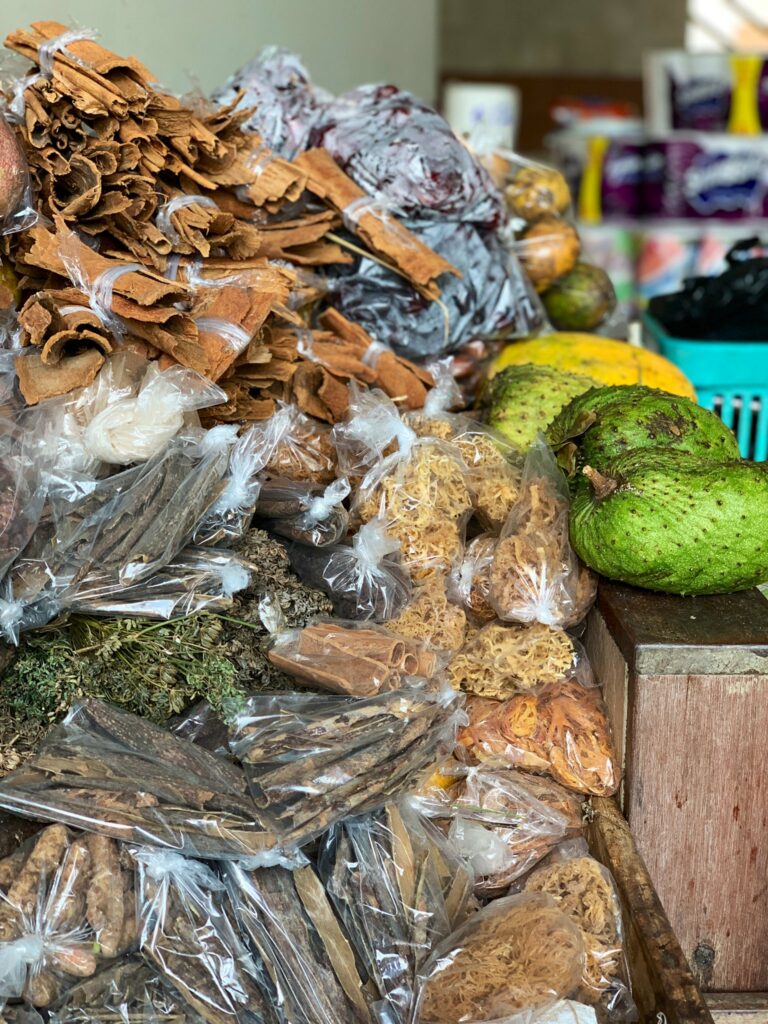
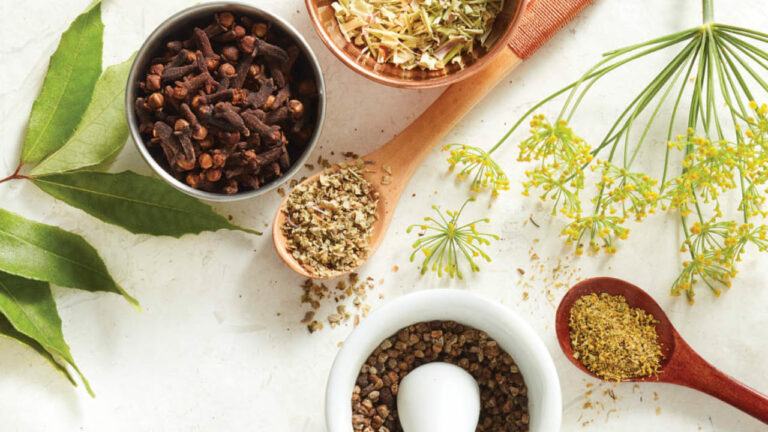
Saint Vincent and the Grenadines is a Caribbean island nation that is known for its rich cultural heritage. The cuisine of Saint Vincent and the Grenadines is heavily influenced by African, European, and Caribbean cultures, and includes a variety of spices and herbs that add depth and complexity to traditional dishes. The island nation is also known as the “Spice Island of the Caribbean” due to its wide range of spices, which are grown and harvested locally.

Nutmeg: The King of Spices

Nutmeg is one of the most important spices used in Saint Vincent and the Grenadines cuisine. It is known as the “king of spices” due to its versatility and strong flavor. Nutmeg is used in a variety of dishes, including soups, stews, and desserts. It is also used in spice blends such as “green seasoning,” which is a mixture of herbs and spices used as a marinade for meat and fish dishes.

In addition to its culinary uses, nutmeg has medicinal properties. It is known to have anti-inflammatory and antibacterial properties, and is used to treat a variety of ailments including digestive issues and respiratory problems.

Other Popular Spices in Saint Vincent and the Grenadines

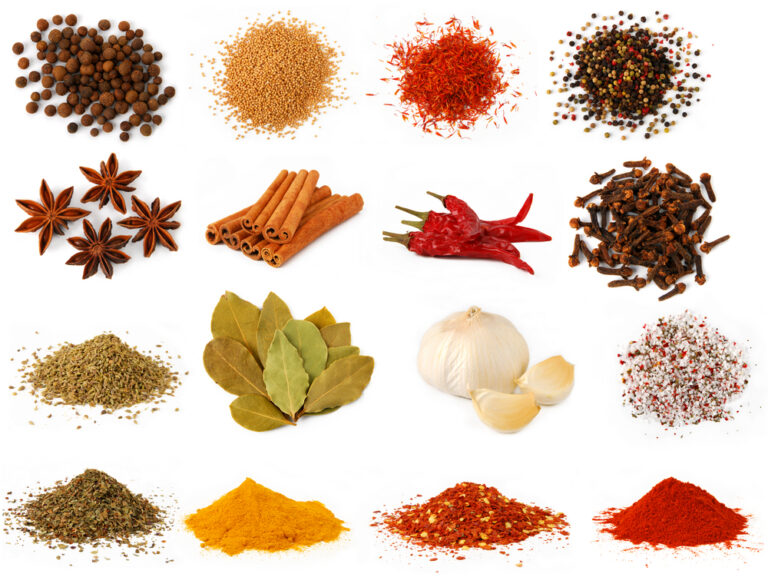
In addition to nutmeg, Saint Vincent and the Grenadines uses a variety of other spices in its cuisine. One of the most popular is allspice, which is used in a variety of dishes including soups, stews, and curries. It has a warm, sweet flavor and is often used in combination with other spices such as nutmeg and cinnamon.

Other popular spices in Saint Vincent and the Grenadines include cinnamon, ginger, thyme, and bay leaves. These spices are used in a variety of dishes and add depth and complexity to the flavors of traditional cuisine.

Herbs Used in Saint Vincent and the Grenadines Cuisine

In addition to spices, Saint Vincent and the Grenadines uses a variety of herbs in its cuisine. One of the most popular herbs is cilantro, which is used in a variety of dishes including soups, stews, and curries. It has a strong, distinct flavor and is often used in combination with other herbs such as thyme and parsley.

Other popular herbs in Saint Vincent and the Grenadines include basil, oregano, and rosemary. These herbs are used in a variety of dishes and add depth and complexity to the flavors of traditional cuisine.

Spice Blends and Seasonings for Traditional Dishes

In addition to using individual spices and herbs, Saint Vincent and the Grenadines also uses a variety of spice blends and seasonings in its cuisine. One of the most popular blends is “green seasoning,” which is a mixture of herbs and spices used as a marinade for meat and fish dishes. Other popular blends include “curry powder,” which is used in a variety of curries, and “pumpkin spice,” which is used in desserts and other sweet dishes.

Conclusion: Exploring the Flavors of Saint Vincent and the Grenadines

Overall, the cuisine of Saint Vincent and the Grenadines is rich and flavorful, thanks in large part to the use of a variety of spices and herbs. From nutmeg, the king of spices, to cilantro, a popular herb, the flavors of traditional Saint Vincent and the Grenadines cuisine are both complex and delicious. Whether you are a foodie or simply appreciate good food, exploring the flavors of Saint Vincent and the Grenadines is sure to be a satisfying experience.
Introduction: Saint Vincent and the Grenadines cuisine

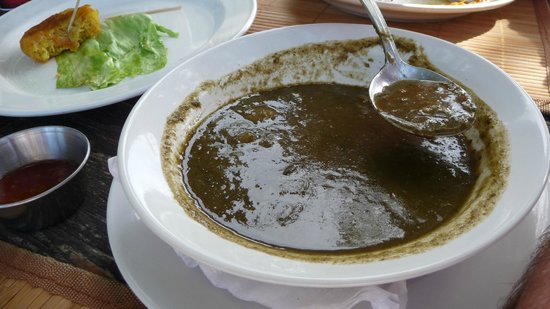
Saint Vincent and the Grenadines is a Caribbean country with a rich cultural heritage and a diverse cuisine. The local food is a fusion of African, European, and indigenous influences, which has resulted in a unique blend of flavors and textures. Soups and stews are popular dishes in Saint Vincent and the Grenadines, and they usually feature a combination of base ingredients, proteins, vegetables, spices, and broths.

Base ingredients: flavor and texture

The base ingredients of Saint Vincent and the Grenadines soups and stews are essential for building flavor and texture. They include ingredients such as onions, garlic, ginger, celery, and bell peppers. These ingredients are usually sautéed in oil or butter until they are soft and fragrant before adding other ingredients. They provide a savory base and add depth to the dish, making it more satisfying.

Proteins: meat, fish, and seafood

Proteins are a crucial element in Saint Vincent and the Grenadines soups and stews. They can include chicken, beef, pork, fish, and seafood such as shrimp and lobster. These proteins add flavor and nutrition to the dish. Fish and seafood are particularly popular in the Grenadines because of the abundant marine life in the region. They are usually added towards the end of the cooking process to prevent overcooking and ensure that they remain tender.

Vegetables: root crops, leafy greens, and herbs

Vegetables are another important component of Saint Vincent and the Grenadines soups and stews. Root crops such as yams, cassava, and sweet potatoes are commonly used and provide a starchy texture to the dish. Leafy greens such as callaloo, spinach, and kale are also popular and add a vibrant color and nutrition to the dish. Herbs such as thyme, parsley, and chives add flavor and aroma to the dish, making it more fragrant and appetizing.

Spices: heat and aroma

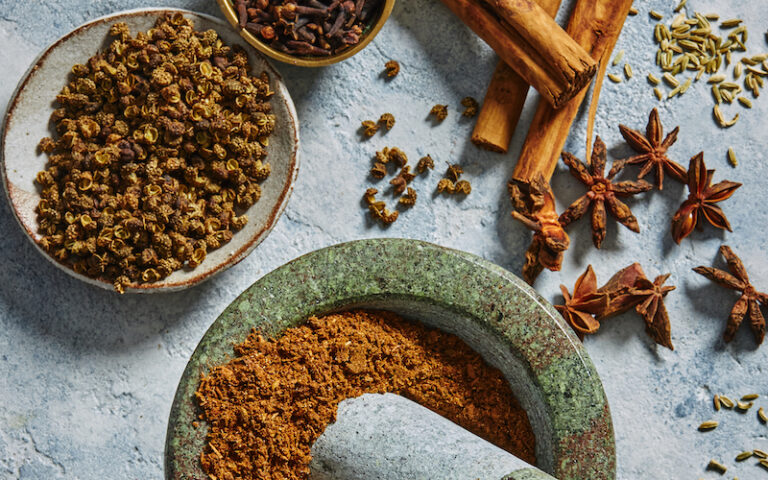
Spices are an integral part of Saint Vincent and the Grenadines cuisine, and soups and stews are no exception. Common spices include allspice, cinnamon, nutmeg, and cloves, which are used to add warmth and depth to the dish. Chilies and peppers are also used to provide heat and spice to the soup or stew, making it more flavorful and exciting.

Broths: bringing it all together

Broths are the last component of Saint Vincent and the Grenadines soups and stews, and they bring everything together. They are usually made by simmering bones, vegetables, and herbs in water for an extended period to extract the flavor and nutrients. The broth provides a rich and savory base for the soup or stew, and it binds all the other ingredients into a cohesive dish. Broths can be thick or thin, depending on the recipe and the desired texture.

In conclusion, Saint Vincent and the Grenadines soups and stews are a reflection of the country’s rich cultural heritage and diverse ingredients. A combination of base ingredients, proteins, vegetables, spices, and broths are used to create a flavorful and satisfying dish that is unique to the region. Whether you are a fan of seafood, meat, or vegetarian options, there is a Saint Vincent and the Grenadines soup or stew that will satisfy your taste buds.

Introduction: Samoan Cuisine

Samoan cuisine, like many Pacific Islander cuisines, is characterized by its use of fresh, natural ingredients and simple cooking techniques. It takes advantage of the abundant natural resources of the islands, such as seafood, tropical fruits, and root vegetables. Samoan dishes are often rich in flavor, with a balance of sweet, savory, and spicy elements.

The Role of Spices and Herbs in Samoan Cooking

Spices and herbs play an important role in Samoan cooking, adding depth and complexity to dishes. They are used to enhance the natural flavors of ingredients rather than overpower them. Common spices used in Samoan cooking include turmeric, cumin, and coriander. These spices are often used in combination to create unique flavor profiles.

Herbs like mint, basil, and parsley are also commonly used in Samoan cooking. These herbs add a fresh, bright flavor to dishes, and are often used to garnish dishes. They can also be used to make sauces or dressings to accompany dishes.

Taro Leaves: A Staple Ingredient in Samoan Dishes

Taro leaves are a staple ingredient in many Samoan dishes. They are often used to make a dish called palusami, which consists of taro leaves wrapped around a filling of coconut cream, onions, and sometimes corned beef. The dish is then steamed until the leaves are tender and the filling is cooked through.

Taro leaves are also used to make a dish called luau, which is similar to palusami but has a different filling. Luau typically contains taro root, coconut milk, onions, and sometimes chicken or beef. The taro leaves in both dishes have a slightly bitter flavor, which is balanced by the creamy richness of the coconut.

Coconut: A Versatile Ingredient with Many Uses

Coconut is a versatile ingredient that is used in many Samoan dishes. It can be used in both sweet and savory dishes, and is often used to make sauces or dressings. Coconut milk is a common ingredient in curries and stews, providing a rich, creamy base for these dishes.

Coconut is also used to make a dish called fa’ausi, which consists of coconut cream and brown sugar simmered together until the mixture thickens. The fa’ausi is then served over taro or breadfruit. Coconut is also used to make a popular drink called vaifala, which is made with coconut milk, pineapple juice, and sugar.

The Heat of the Samoan Islands: Chili Peppers

Chili peppers are commonly used in Samoan cooking to add heat and spice to dishes. The most commonly used pepper is the bird’s eye chili, which is small and very spicy. The chilies are often used to make a condiment called povi masima, which is made with chilies, onions, and vinegar.

Chili peppers are also used to make a dish called fa’alifu fa’i, which consists of corned beef and onions simmered together with chili peppers and coconut milk. The dish is then served over taro or breadfruit. Chili peppers are also used in soups and stews, adding a spicy kick to these dishes.

Other Spices and Herbs Used in Samoan Cooking

Other spices and herbs commonly used in Samoan cooking include garlic, ginger, and lemongrass. These ingredients are often used to add depth and flavor to dishes. Lemongrass is used to make a tea called koko Samoa, which is a popular drink in Samoa. The tea is made by boiling lemongrass with cocoa beans and then adding coconut cream and sugar.

Introduction to Samoan Soups and Stews

Samoan cuisine is a fusion of Polynesian and Melanesian flavors that are heavily influenced by the country’s tropical climate, geography, and culture. Samoan soups and stews are an important part of the country’s culinary traditions and are prepared using simple and fresh ingredients that are easily available locally.

Samoan soups and stews are typically cooked in large pots or ovens and served hot with rice or breadfruit. These dishes are often prepared for special occasions such as family gatherings, weddings, and funerals, and are considered a symbol of hospitality and generosity.

The Staple Ingredients of Samoan Cuisine

Samoan soups and stews are made using several staple ingredients that are common in Polynesian and Melanesian cuisines. These include coconut milk, taro, breadfruit, yams, cassava, and plantains.

Coconut is a crucial ingredient in Samoan cuisine as it is used in various forms, including coconut milk, cream, and oil. The milk is extracted from grated coconut flesh and is used as a base for many soups and stews. Taro is a starchy root vegetable that is used in several Samoan dishes, including poi (a traditional mashed taro dish) and palusami (taro leaves cooked in coconut milk).

Understanding the Importance of Coconut Milk

Coconut milk is a key ingredient in Samoan soups and stews, and it imparts a rich and creamy flavor to the dishes. It is also a significant source of nutrition as it is high in healthy fats, fiber, and vitamins.

Coconut milk is extracted by grating the flesh of mature coconuts and then squeezing it to extract the liquid. The milk is then added to the pot with the other ingredients and simmered until the flavors develop.

Meat and Seafood in Samoan Soups and Stews

Samoan soups and stews often include meat or seafood as the main protein source. Traditional meats used include chicken, pork, lamb, and beef, while seafood options include fish, crab, and other shellfish.

Meat and seafood are typically added to the pot along with the coconut milk and other ingredients and simmered until tender. Some Samoan stews also use bones or offal to add flavor to the broth.

The Use of Root Vegetables and Taro

Root vegetables are an essential part of Samoan cuisine and are used in several soups and stews. Yams, cassava, and plantains are common ingredients and are diced or sliced into the pot along with the meat or seafood.

Taro is another essential ingredient in Samoan cooking, and it is used in several dishes, including soups and stews. Taro leaves are often wrapped around meat or seafood and then cooked in coconut milk until tender.

Spices and Seasonings in Samoan Soups and Stews

Spices and seasonings are used sparingly in Samoan soups and stews to accentuate the flavors of the other ingredients. Common spices include ginger, garlic, chili pepper, and black pepper.

Seasonings such as salt and soy sauce are used to enhance the savory flavors of the dish. Some Samoan stews also use lemon or lime juice to add a tangy flavor to the broth. Overall, Samoan soups and stews are simple yet flavorful dishes that reflect the country’s rich culture and culinary heritage.

Introduction: San Marino’s Culinary Heritage

San Marino, the small independent country located in the heart of Italy, has a rich culinary heritage that blends Italian and Mediterranean influences. San Marino cooking is known for its simplicity and reliance on fresh ingredients, particularly herbs and spices. These aromatic additions to dishes not only enhance the flavor but also offer medicinal and nutritional benefits.

Sage, Rosemary, and Thyme: Aromatic Herbs

Sage, rosemary, and thyme are some of the most commonly used herbs in San Marino cooking, particularly in meat dishes. Sage is used in pork-based dishes, while rosemary is often paired with lamb. Thyme, on the other hand, is a versatile herb that complements a variety of dishes such as roasted chicken, soups, and stews. These herbs are highly aromatic and add an earthy, woody fragrance to dishes.

Nutmeg, Cinnamon, and Cloves: Warm Spices

Nutmeg, cinnamon, and cloves are warm spices that are often used in San Marino’s sweet and savory dishes. These spices are commonly used in meat sauces, such as bolognese or ragu, to add depth and aroma. In sweet dishes, nutmeg is typically used in custards, while cinnamon and cloves are added to desserts such as cakes and pastries. These spices are also believed to have therapeutic properties, such as aiding digestion and improving circulation.

Basil, Parsley, and Mint: Fresh Flavors

Basil, parsley, and mint are fresh herbs commonly used in San Marino’s cuisine. Basil is a key ingredient in pesto, while parsley is often used as a garnish or in salads. Mint is used to add a refreshing taste to dishes such as roasted lamb or grilled vegetables. These herbs not only add flavor but also provide nutritional benefits, such as aiding digestion and reducing inflammation.

Wild Fennel, Bay Leaves, and Juniper Berries: Unique Ingredients

San Marino’s cuisine also features unique ingredients such as wild fennel, bay leaves, and juniper berries. Wild fennel is used in seafood dishes, while bay leaves are added to soups and stews to add aroma. Juniper berries are used in meat dishes, particularly game meat, to add a slightly bitter and piney flavor. These ingredients are often foraged in the wild, adding to the country’s commitment to using fresh and locally sourced ingredients.

Conclusion: Exploring San Marino’s Spice Cabinet

San Marino’s use of herbs and spices in its cuisine is a reflection of its cultural and geographical influences. From the aromatic herbs of the Mediterranean to the warm spices of the Middle East, San Marino’s spice cabinet represents a diverse range of flavors. Whether you’re exploring the country’s cuisine or cooking at home, incorporating these herbs and spices into your dishes will not only add delicious flavor but also offer a variety of health benefits.

Introduction: San Marino’s culinary traditions

San Marino, the small enclave country located in the middle of Italy, has a rich culinary tradition that reflects its history and geography. The country’s cuisine is heavily influenced by Italian cooking, but it also has its own unique dishes that make it stand out. One of the most popular dishes in San Marino is soup, which is commonly served during the colder months of the year.

Broth-based soups: the heart of San Marino’s cuisine

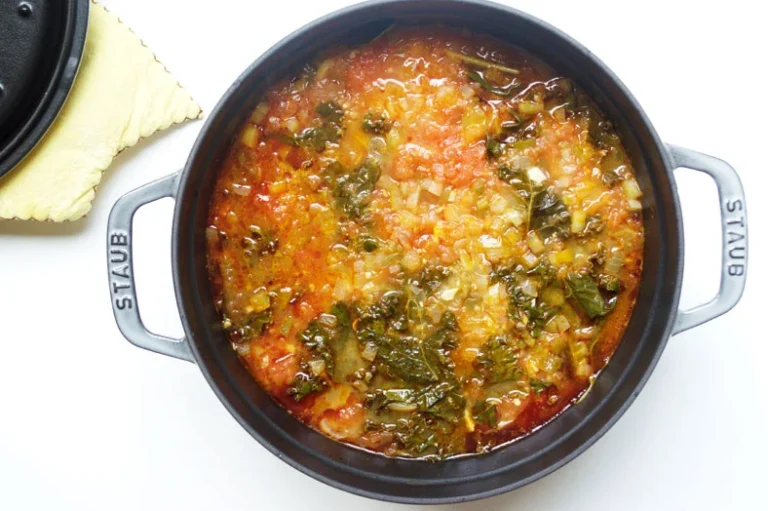
Broth-based soups, also known as “minestre,” are the most popular type of soup in San Marino. These soups are typically made with a clear broth, which is flavored with vegetables and herbs. Some of the most common vegetables used in San Marino soups include onions, carrots, and celery. Garlic and tomatoes are also popular ingredients, as they add depth of flavor to the soup.

Minestre are often made with pasta or rice, which are added to the soup to make it more filling. Other ingredients that are commonly added to broth-based soups in San Marino include potatoes, beans, and legumes. These ingredients make the soup more nutritious and satisfying, and they add a unique texture to the dish.

Beans, legumes, and grains: a staple in San Marino soups

Beans, legumes, and grains are staples in San Marino soups. These ingredients are not only nutritious and filling, but they also add a unique flavor to the soup. Some of the most popular legumes used in San Marino soups include lentils, chickpeas, and white beans. These beans are often cooked along with the broth and other vegetables to create a flavorful and hearty soup.

Grains such as barley and farro are also commonly used in San Marino soups. These grains add a chewy texture to the soup and are often used in place of pasta or rice. When cooked with the broth and vegetables, they absorb the flavors of the soup and create a delicious and filling dish.

Meat and fish: a protein-packed addition to stews

Meat and fish are often added to stews in San Marino to create a protein-packed dish. Some of the most popular meats used in San Marino stews include beef, pork, and chicken. These meats are usually slow-cooked along with the vegetables and broth to create a tender and flavorful dish.

Fish, such as cod and anchovies, are also commonly used in San Marino stews. These fish are cooked with the broth and vegetables to create a light and flavorful dish that is perfect for warmer months.

Herbs and spices: the secret to San Marino’s flavorful soups

Herbs and spices are an essential part of San Marino’s cuisine, and they play a crucial role in the flavor of the country’s soups and stews. Some of the most common herbs used in San Marino soups include parsley, thyme, and rosemary. These herbs add a fresh and aromatic flavor to the soup.

Spices, such as paprika and cumin, are also commonly used in San Marino soups and stews. These spices add a rich and complex flavor to the dish, and they often give the soup a slightly smoky taste.

Regional variations: diverse recipes across San Marino’s municipalities

San Marino’s municipalities each have their own unique culinary traditions, and this is reflected in the country’s soups and stews. For example, the city of Borgo Maggiore is known for its “zuppa di scarola,” a soup made with escarole, potatoes, and beans. The city of Serravalle is known for its “zuppa di ceci,” a soup made with chickpeas, tomatoes, and onions. These regional variations add diversity and depth to San Marino’s cuisine.

Introduction to São Tomé and Príncipe Cuisine

São Tomé and Príncipe is a small island nation located off the coast of West Africa. The country is known for its beautiful beaches and lush rainforests, as well as its unique cuisine. The food of São Tomé and Príncipe is a blend of African, Portuguese, and Brazilian influences, resulting in a diverse and flavorful cuisine.

The cuisine of São Tomé and Príncipe is characterized by its fresh seafood, tropical fruits, and bold spices and herbs. From piri-piri to coriander, the spices and herbs used in São Tomé and Príncipe cooking add depth and complexity to every dish.

Overview of Common Spices and Herbs

São Tomé and Príncipe cuisine relies heavily on spices and herbs to enhance the natural flavors of the ingredients. Some of the most commonly used spices and herbs in this cuisine include garlic, onion, ginger, paprika, and turmeric. These spices and herbs are used in a variety of dishes, from stews and soups to grilled or fried fish.

Pimenta or Piri-Piri: A Spicy Staple

Pimenta, also known as piri-piri, is a small, fiery chili pepper that is a staple in São Tomé and Príncipe cuisine. This pepper is used to add heat to dishes such as fish stews, and is often used to make a popular condiment known as piri-piri sauce. This sauce is made by blending pimenta peppers with oil, lemon juice, garlic, and other spices and herbs, and is used as a topping for grilled meats and fish.

Using Saffron and Cinnamon in Savory Dishes

Saffron and cinnamon are two spices that are often used in savory dishes in São Tomé and Príncipe. Saffron, which comes from the crocus flower, is used to add a warm, earthy flavor to dishes such as rice and fish stews. Cinnamon, on the other hand, is used to add a sweet and spicy flavor to dishes such as meat stews and curries.

Discovering the Rich Aromas of Bay Leaves

Bay leaves are another common herb used in São Tomé and Príncipe cooking. This herb has a rich, aromatic flavor and is often used to add depth to stews and soups. Bay leaves can also be used to flavor steamed rice or to add flavor to grilled fish or meat.

Bringing Dishes to Life with Fresh Coriander

Fresh coriander, also known as cilantro, is a popular herb used in São Tomé and Príncipe cuisine. This herb has a bright, citrusy flavor and is often used to add freshness to dishes such as fish stews and salads. Fresh coriander can also be used as a garnish for grilled meats and fish, adding a pop of color and flavor to the dish.

Introduction to São Tomé and Príncipe cuisine

São Tomé and Príncipe is a small island nation located in the Gulf of Guinea, off the coast of Central Africa. The country is known for its rich cultural heritage and its unique cuisine, which reflects the influence of Portuguese and African cooking traditions. The cuisine of São Tomé and Príncipe is characterized by the use of fresh ingredients, bold flavors, and a variety of spices and herbs.

Overview of soups and stews in São Tomé and Príncipe

Soups and stews are an essential part of São Tomé and Príncipe cuisine. They are typically served as a main course and are often prepared with a combination of meats, seafood, vegetables, and legumes. These dishes are usually cooked slowly over a low flame, which allows the flavors to meld together and the ingredients to become tender.

Common ingredients used in São Tomé and Príncipe soups and stews

Some common ingredients used in São Tomé and Príncipe soups and stews include cassava, plantains, yams, and sweet potatoes. These starchy vegetables give the dishes a thick and hearty texture and are often used as a substitute for rice or bread. Other common ingredients include beans, lentils, and chickpeas, which are used to add protein and fiber to the dish.

Local herbs and spices in São Tomé and Príncipe cuisine

São Tomé and Príncipe cuisine is known for its use of local herbs and spices, which lend a unique flavor to the dishes. Some of the most commonly used herbs and spices include bay leaves, thyme, parsley, and basil. Peppers, such as chili peppers and black pepper, are also used to add heat and flavor to the dishes.

Meat and seafood used in São Tomé and Príncipe soups and stews

Meat and seafood are integral components of São Tomé and Príncipe soups and stews. Beef, chicken, and goat are commonly used, as well as fish and shellfish. Some of the most popular seafood used in the cuisine include shrimp, crab, and lobster. These ingredients are typically cooked with vegetables and legumes to create a flavorful and filling meal.

Vegetables and legumes in São Tomé and Príncipe cuisine

Vegetables and legumes play a central role in São Tomé and Príncipe cuisine. In addition to the starchy vegetables mentioned earlier, common vegetables used in soups and stews include onions, tomatoes, and carrots. Okra, a vegetable that is popular in West African cuisine, is also commonly used. Legumes, such as black-eyed peas and kidney beans, are used to add protein and texture to the dishes. Overall, the use of fresh, locally-sourced ingredients is a hallmark of São Tomé and Príncipe cuisine, and is one of the reasons why the island nation’s food is so highly regarded.

Introduction

Saudi Arabian cuisine is a reflection of the country’s rich cultural heritage and diverse culinary traditions. Soups and stews are popular dishes in Saudi Arabia, especially during the winter months. These hearty and warming dishes are often made with a variety of ingredients, including meat, poultry, grains, legumes, vegetables, herbs, spices, and seasonings. In this article, we’ll explore some of the common ingredients used in Saudi Arabian soups and stews.

Meat and poultry

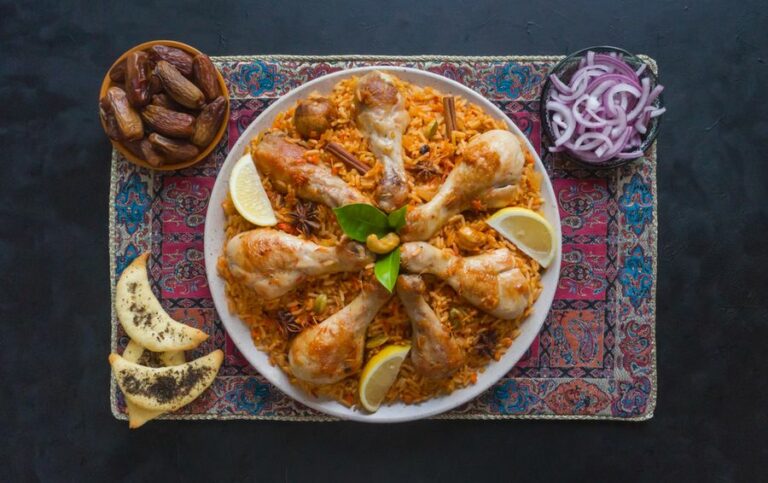
Meat and poultry are commonly used in Saudi Arabian soups and stews. Lamb, chicken, and beef are popular choices. The meat is often cooked slowly over a low flame to make it tender and flavorful. Some dishes also use goat meat, which adds a unique flavor to the soup or stew. Camel meat is also sometimes used, especially in the central and eastern regions of the country.

Grains and legumes

Grains and legumes are essential ingredients in many Saudi Arabian soups and stews. Rice, lentils, and chickpeas are popular choices. These ingredients are often cooked with the meat to make a hearty and filling dish. Barley is also used in some stews, especially in the northern regions of the country. Bulgur wheat is another popular ingredient, often used in a dish called “harees”, which is a thick porridge-like soup made with meat and spices.

Vegetables and herbs

Vegetables and herbs are used in many Saudi Arabian soups and stews to add flavor and nutrition. Onions, garlic, and tomatoes are common ingredients, as well as carrots, turnips, and potatoes. Other vegetables that are used include eggplant, zucchini, and pumpkin. Herbs like parsley, cilantro, and mint are also used to add a fresh and fragrant flavor to the dish.

Spices and seasonings

Spices and seasonings are an essential part of Saudi Arabian cuisine. Cumin, coriander, and turmeric are commonly used in soups and stews, as well as black pepper and cinnamon. Other spices that are used include cardamom, cloves, and nutmeg. Bay leaves and dried lime are also popular seasonings that add a unique flavor to the dish.

Popular soups and stews

There are many popular soups and stews in Saudi Arabia. One of the most famous is “shorba”, which is a traditional soup made with lamb, lentils, and spices. Another popular dish is “thareed”, which is a stew made with bread, meat, and vegetables. “Margoog” is a stew made with chicken, vegetables, and spices, and is often served with rice. “Jareesh” is a porridge-like soup made with barley and chicken, while “harees” is a thick soup made with bulgur wheat and meat. These dishes are all hearty and flavorful, reflecting the rich culinary heritage of the country.

Introduction: Saudi Arabian cuisine

Saudi Arabian cuisine is known for its rich and flavorful dishes that are influenced by the country’s geography, history, and cultural traditions. The cuisine is a fusion of Arab, Persian, and African flavors, with a focus on spices and herbs to give dishes their unique taste and aroma. Spices and herbs play a crucial role in Saudi Arabian cooking, and are used in various forms, including whole, ground, and dried.

Spices and herbs in Saudi Arabian cooking

Spices and herbs are an essential part of Saudi Arabian cooking, and are used in a wide range of dishes, from savory to sweet. Some of the most commonly used spices include coriander, cumin, turmeric, and sumac, each adding its unique flavor and aroma to the dish. The use of spices and herbs is not only for flavor but also for their medicinal properties, as they are believed to have various health benefits.

Coriander: the queen of Saudi Arabian spices

Coriander is one of the most widely used spices in Saudi Arabian cooking and is often referred to as the “queen of spices.” The spice is used in both ground and whole form and is added to dishes such as stews, soups, and salads. Coriander is known for its earthy and citrusy flavor and is believed to help with digestion and promote good health.

Cumin: the essential spice in Middle Eastern cuisine

Cumin is an essential spice in Middle Eastern cuisine, and Saudi Arabian cooking is no exception. The spice has a warm, earthy flavor that is often described as nutty, and is used in dishes such as meat and vegetable stews, rice dishes, and soups. Cumin is also believed to have various health benefits, including aiding digestion and reducing inflammation.

Turmeric: the flavorful and healthy spice

Turmeric is a bright yellow spice that is often used in Saudi Arabian cooking for its distinctive flavor and color. The spice has a slightly bitter taste and is used in dishes such as rice, meat, and vegetable dishes. Turmeric is also believed to have various health benefits, including anti-inflammatory properties and aiding in digestion.

Sumac: the tangy and unique flavor of Saudi Arabian cooking

Sumac is a tangy and unique spice that is used in many Saudi Arabian dishes. The spice has a vibrant red color and is often used as a seasoning for meat, salads, and rice dishes. Sumac has a tart and lemony flavor, adding a tangy twist to the dish. It is also believed to have anti-inflammatory and antioxidant properties.

In conclusion, spices and herbs are an essential part of Saudi Arabian cooking, adding unique flavors and aromas to the dishes. Coriander, cumin, turmeric, and sumac are some of the most widely used spices and herbs in Saudi Arabian cuisine, each adding its distinctive flavor and health benefits.