
Tag

how

Browsing

On average, everyone drinks three cups of coffee a day. As a new study has found, the caffeine it contains is not only a good pick-me-up, it can also help fight infections.

Promising study: Caffeine may help fight infections

It was already known from previous studies that caffeine has anti-inflammatory properties. The substance stimulates what is known as phagocytosis, a process in which cells absorb small food particles. This is an important part of our immune system: the scavenger cells, also called macrophages, “eat” pathogens that the immune system recognizes as foreign. The Brazilian research team focused on precisely these scavenger cells.

The researchers tested the effect of caffeine in cell cultures with mouse macrophages. To do this, some of the scavenger cells were first exposed to caffeine for one day and then to salmonella for four hours. The other part was the other way around, the scavenger cells first came into contact with the bacteria for four hours and then with caffeine for 24 hours.

The researchers found that after treatment with caffeine, the scavenger cells had a higher viability and the bacterial load in the cells decreased. The treatment of living mice also showed success. After a targeted infection in the peritoneal cavity, they were given intravenous caffeine. In contrast, two control groups received only a buffer solution or another anti-inflammatory agent.
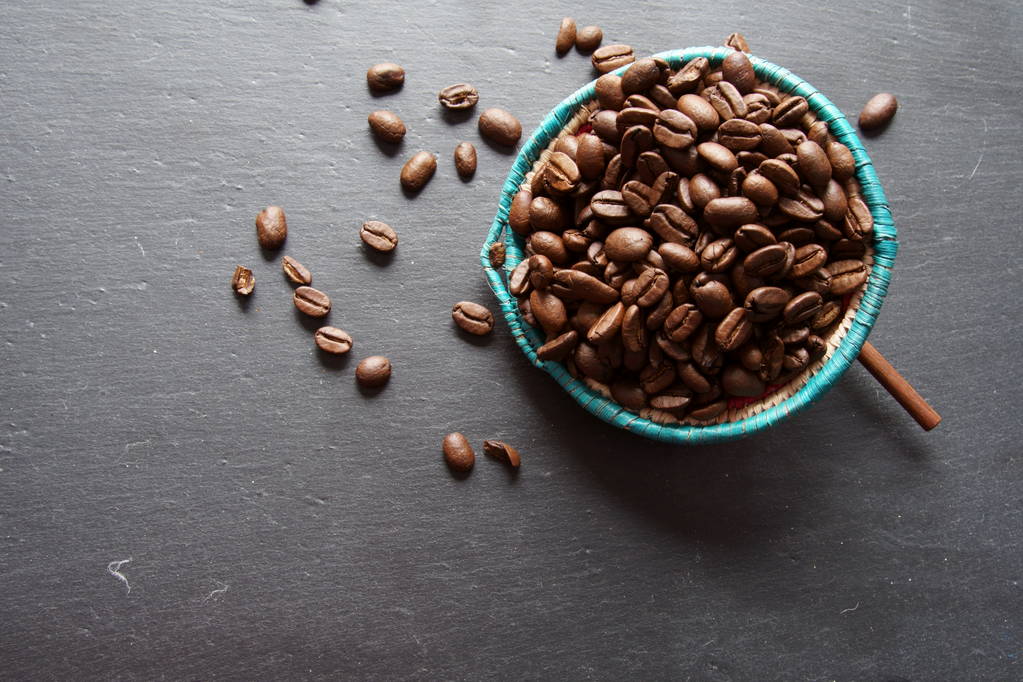
Anti-inflammatory and anti-infectious: caffeine is so healthy

In the mice that had been given caffeine, the penetration of white blood cells into the inflamed area was significantly reduced. These so-called leukocytes fight pathogens in our body. At the same time, the bacterial load in the abdominal cavity of the mice as well as in the bloodstream, liver and spleen was lower, as the scientists report.

“We can conclude that caffeine has both anti-inflammatory and anti-infective properties that may be useful in treating bacterial infections along with antibiotics,” the study concludes. However, before a correct treatment method can be developed from this, further investigations are needed. The researchers now want to test the approach in follow-up studies on humans.


According to a recent study, there is a link between regular consumption of goji berries and protection against age-related vision loss. The study results give reason to hope that a cure for the disease is within reach.

170 million people worldwide lose the ability to recognize faces

“AMD affects the central field of vision and can affect the ability to read or recognize faces,” study author Glenn Yiu said in a press release. More than 170 million people worldwide are affected. The research team justifies the relevance of their study.

In their study, the researchers examined the connection between the consumption of 28 grams of goji berries five days a week by participants aged 45 to 65 and the density of the protective pigments in their eyes. If the study is successful, the density must increase. The test series lasted 90 days.

After 90 days, the researchers made positive discoveries. In 13 healthy participants, the density of the protective pigments in their eyes increased. In contrast, no such increase was observed in 14 participants who took a commercially available dietary supplement for eye health during the same period.

Lutein and zeaxanthin from the berries act as sunscreens for the eyes

The team reported that there was an increase in the pigments lutein and zeaxanthin as a result of eating the goji berries because the pigments are contained in high concentrations and were responsible for the beneficial effects. Said pigments filter harmful blue light and provide antioxidant protection. This helps protect the eyes from AMD during aging.

“Lutein and zeaxanthin are like sunscreens for the eyes,” explains study author Xiang Li. “The higher the levels of lutein and zeaxanthin in the retina, the better the protection. Our study found that even in healthy eyes, these optical pigments carry through a small daily serving of goji berries can be increased.”

Unfortunately, the triggers of the disease are not always clear, because many factors are involved in the development of AMD. Therefore, the research team would like to conduct further studies in this area in order to get closer to the prevention and cure of AMD. “Our study shows that goji berries, which are a natural food source, can improve macular pigmentation in healthy participants beyond the intake of high-dose supplements. The next step in our research will be to examine goji berries in patients with early-stage AMD.” , says the study author.

How do you recognize good bread? You can now buy it at discounters and supermarkets. What should you pay attention to?

Bakery and discounter: What are the differences?

Almost every discounter now has its own baking station. Fresh baked goods are baked and sold directly in the shop every day. In addition, many supermarkets have a wide range of packaged bread and rolls. But what about the quality of these products? Are they as good as the traditional bakery products?

The biggest difference is probably in the list of ingredients and the rising times of the dough. The discounters are supplied with finished, deep-frozen dough pieces. Many artificial additives and enzymes are needed to ensure that these have a longer shelf life and are particularly crispy when baked. In addition, the baked goods in bakeries and co are not prepared in peace, but quickly and as cheaply as possible. Therefore, the dough cannot rise slowly and is made to work faster by artificial leavening agents.

Traditional bakeries and some bakery chains, on the other hand, use local ingredients and prepare the dough without long transport routes. Small bakeries use good local flour and value high quality. However, this is also noticeable in the price, which is significantly higher than that of the finished products.

Quality: This is how you buy good bread

Bread from the baking station is therefore not necessarily unhealthy. It all depends on the type of bread and the list of ingredients. If you pay attention to a few things, you buy high-quality bread:
With whole grain bread, make sure that it really is whole grain bread. Many manufacturers use malt extract and caramel syrup to give the bread a healthy, dark color.
Grain bread does not equal healthy bread. Linseed, pumpkin seeds or chia seeds give the bread a healthy look. However, the bread can still be a nutrient-poor white flour product without enough fiber.
The shorter the list of ingredients, the better. Additives and sugar have no place in bread.
You can find out more about the ingredients at the bakery. Take advantage of the expert advice here so that you can find the right product for you.
Our conclusion: You can definitely buy good bread in the supermarket, but pay close attention to the list of ingredients. You decide which quality you buy and which companies or bakeries you support with it. In any case, you should consciously consume and enjoy bread and rolls.

Spelled is considered healthy and can be used in a variety of ways in the kitchen. Here you can find out what you can use it for and what you should pay attention to when recycling it.

Spelled – the healthier alternative

Spelled is said to be healthier than wheat. It is considered to be rich in minerals, protein and vitamins. It is also considered to be less stressed and is said to have very positive effects on digestion.

The grain can be used in many ways in the kitchen. For example, you can use it in baked goods and pasta. You can also use spelled muesli for muesli. In general, there are now many spelled products as an alternative to wheat products: spelled rice, spelled couscous and even spelled milk.

Spelled grist can be processed into meat-free patties, especially in vegetarian and vegan cuisine. There are also alternatives to conventional products in gourmet cuisine. For example, you can try spelled beer or spelled coffee.

Peculiarity Green core

Green spelt is spelled that is harvested before it is ripe. If spelled is harvested at the right time – while the milk is ripe – the grains are easier to digest and very nutritious. Green spelt is considered the healthiest form of spelled and is said to have a positive effect on our organism. It contains many vitamins, magnesium, phosphorus, iron and protein.

Important: Spelled is therefore a suitable alternative to wheat. However, people with gluten intolerance should be careful with both spelled and unripe spelt and switch to gluten-free foods. Spelled is said to contain even more gluten than wheat.

Coffee is one of the most popular hot drinks. The average person drinks three cups a day in this country. But is that still healthy?

From how many cups is coffee harmful?

The caffeine contained in coffee boosts bodily functions, increases hand rank, expands the bronchi and promotes concentration. Whether caffeine can kill is also easy to answer – yes, it can. A quantity of several grams becomes dangerous. The stimulant affects everyone differently. Not only in terms of the effect, but also in terms of how long it takes the body to break down the caffeine. While it takes some people just a few hours for caffeine to be metabolized, for others the process takes much longer.

When it comes to blood pressure, high blood pressure patients have nothing to fear, Professor Wolfram Delius assures the pharmacy umschau. Coffee increases heart rate, but to a manageable extent. With regular consumption, this effect is even weaker. The thesis that coffee is a “water stealer” has also been refuted. The diuretic effect cannot be dismissed out of hand, but is due to the large amounts of water that you support when drinking coffee, the professor refers to the lack of data. Under certain circumstances, those affected can feel cardiac arrhythmias more strongly after drinking coffee. What is certain, however, is that coffee lowers the risk of diabetes. “This is shown by large observational studies,” says Dr. Young Hee Lee-Barkey, Senior Physician at the Heart and Diabetes Center NRW in Bad Oeynhausen.

Can coffee even prolong life?

nutritionist dr. Anna Flögel, who researched at the German Institute for Human Nutrition in Potsdam, emphasizes “If you live unhealthily, for example because you smoke or drink alcohol frequently, coffee does not make you healthier.” Researchers have now discovered the maximum amount of coffee you should drink per day before it becomes unhealthy: too much coffee increases the risk of a heart attack. While men consume an average of 3.6 cups per day, women only drink 3.2 cups of coffee. Researchers at the University of South Australia have investigated whether these amounts are dangerous to health.

There are still many myths and theories surrounding the popular hot drink. One side warns against too much coffee, the other side even claims that it has a healing effect. According to recent studies, drinking coffee could reduce the relative risk of death. In addition, filter coffee is said to help against high cholesterol levels, and in one German city people with liver disease are even asked to consume up to six cups of coffee a day. The “University of South Australia” has examined more closely whether coffee is really harmful”

Global coffee consumption: three billion cups a day

“Around three billion cups of coffee are drunk every day worldwide. Knowing the limits of what is good and what is bad is essential,” says Professor Elina Hyppönen. She is Director of the Australian Center for Precision Health at the University of South Australia Cancer Research Centre. She also says, “As with many things in life, it’s all about balance; if you overdo it, your body will pay for it.”

Risk of heart disease increases with too much coffee

The study found that drinking more than six cups of coffee increases the risk of heart disease by up to 22 percent. More precisely: The study found that too much caffeine can lead to increased blood pressure. This is considered a precursor to serious heart disease. A certain dose can therefore also have negative consequences for health. The study was the first to provide a recommendation for the maximum amount of coffee you should drink per day.

As with most things, the same applies to coffee: as long as you don’t overdo it, drinking it every day is not harmful to your health.

A guide to installing a faucet in the garden. Because a garden faucet is practical for watering plants and water fun in summer. Thus, people with a garden should definitely ensure the water supply in the outdoor area. We’ll show you how to successfully install the faucet.

Why have a faucet in the garden?

If you own a garden by growing plants, fruits, and vegetables, you need water for watering. However, you cannot always rely on rainwater to water your plants. Especially in summer, the water supply should be secured by a water connection in the outdoor area. Then this not only ensures a beautiful and healthy garden but also a lot of fun and cooling off in summer. Therefore, we will show you how to install a faucet successfully.

1) Tools for a homemade garden faucet

With a faucet, you can properly care for your roses in the garden and also do other important tasks. In order to successfully install the faucet in the garden, you definitely need the right tools at the beginning:

  • A drill with an appropriate drill bit is suitable for the material to be drilled. In most cases, this will be stone or concrete.
  • A hacksaw, with the help of which a piece of the previously existing water pipe can be cut out.
  • Coarse and fine sandpaper or, optionally, an angle grinder to sand newly created, sharp pipe edges smooth again.
  • A pipe wrench or wrench to tighten the new pipe connections and faucet.

2) Faucet installation materials

If you have the tools you need for your project, you will need the materials to install a faucet. These are manageable and available in the nearest hardware store or from specialized online retailers. In addition to the materials listed below, the last thing you need is the part that will be visible on the house wall at the end: the new faucet. Of course, this should be weatherproof and suitable for outdoor use. Note the best taps in the test.

  • Copper lines of the required length
  • T-connection with valve
  • a drain cock
  • compression fittings
  • Sealing compound or hemp threads or special tapes to seal the screw connections between the water tap and the end of the water pipe

3) How to install the faucet in the garden

Once you have made all the preparations, you can start installing the faucet in the garden. To make sure nothing goes wrong, use our step-by-step instructions. Also, consider that a garden water meter can be useful.

Protect the garden faucet from the cold

To ensure that your newly established water connection lasts for a long time, you should always follow this basic rule: before it gets really cold in winter and the temperatures gradually drop below 0 °C, it is important that you shut down the water line temporarily. To do this, close the T-joint valve and let the excess water out of the line using the drain cock. When the danger of frost has passed – in most cases this will be again in March or April – you can put the line and faucet back into service. As a result, the water supply is secured again in the new gardening season. Find out about other important gardening tasks in winter and how your plants can overwinter.

The sight of yellowed, ugly, or old tiles can really ruin your day. When the first thing you see when you wake up in the morning is the outdated 1980s tiles, it’s pretty depressing. But don’t worry: Even if you don’t have the money to renovate your bathroom or kitchen at the moment, there are numerous ways that you can beautify the old tiles a little. We have summarized the best tips for pimping tiles for you here.

The simplest option: tile foil and tile stickers

Tile stickers can make boring plain tiles more exciting and hide ugly tiles entirely. The stickers combine many advantages when pimping tiles:

  • They are available in a wide range.
  • These are usually particularly inexpensive.
  • Applying the stickers is easy.
  • They are waterproof and therefore also suitable for wet rooms.
  • It can be removed without leaving any residue. It is therefore not necessary to obtain the landlord’s consent for this.

However, before you stick the foils on, you should thoroughly clean and degrease the tiles. Cleaning the tiles works with home remedies, such as a cleaner made from vinegar and washing-up liquid. So that you can easily move the stickers into the desired position, moisten the surface with water and a little washing-up liquid beforehand. In any case, the costs are kept within limits. You can find high-quality foils on the Internet for as little as one euro each. In most cases, however, they are not available individually, but only in larger quantities. This is how you can beautify your old tiles in a large project.

Coat tiles with tile paint

If you do a little research on the internet, you will quickly notice that beautiful new tiles are often much cheaper than you thought. However, if you shy away from a complete renovation, you can pimp the old tiles by simply painting them over with a special tile varnish.

Just like when applying the tile foil, you have to clean and degrease the existing subsurface beforehand. The new color is applied in two steps. First, you have to ensure that the tiles are properly primed. You can apply the paint with a foam roller. Make sure that the joints in particular are well filled.

You should apply the second layer after a drying time of twelve hours at the earliest. Ideally, you’ll sleep on it for a night before you start. If the tiles are in wet areas, there is also a third finishing step, because in this case you also have to seal the tiles. Since the tile paint is very difficult to remove, you should also clarify this measure with your landlord in advance whether you can beautify your old tiles in this way.

Plaster and paint over tiles

If you no longer value the tile look and would rather have a smooth wall surface, you can simply smooth the tiles with a spatula and then simply paint over them. Here, too, you have to clean and degrease the tiles in the first step. In addition, you must also remove the silicone joints before you putty, as the putty will not stick to them.

Eggs usually last past the best before date. How to recognize a fresh egg, how to store it and what to watch out for when processing it.

What you need to know about the shelf life of eggs

According to German regulations, eggs can be kept for at least 28 days. And even then they are often still edible. Because the egg has its own protective mechanism. The shell and yolk membrane protect it from germs. By storing eggs in the refrigerator, they will stay fresh for about two to four weeks longer. From the 18th day at the latest, however, the egg should be cooled to around 7 degrees Celsius. How can I tell if an egg is still good?

As with all food, human senses are the worst enemies of spoiled food. If you crack a bad egg, you will probably notice it right away from the foul smell. If the egg doesn’t smell like anything, it’s still good. But there is another trick to spotting a rotten egg. Place the egg in a bowl of water. Does the egg sink to the bottom? Then everything is fine. If the egg stands up, it should be eaten as soon as possible, if it floats on the surface, it is bad.

If you want to process eggs raw, for example for a delicious tiramisu or a homemade mayonnaise, use fresh eggs to be on the safe side. They should not be older than 18 days. After this time, you can still eat the egg with a clear conscience if it has been boiled or heated. After all, a cake, biscuit or fried eggs are also delicious.

Dandelion is not only beautiful to look at, but also edible. It’s healthy and even tasty. We explain what the plant has to offer and how you can eat it.

In order to find dandelions, it is often enough to go into your own garden. It is known for its yellow flowers and sticky, white sap that often turns fingers brown when touched. But have you ever thought about eating the plant?

How does dandelion affect the body?

Dandelion grows in many places: Whether in gardens, at the edge of the forest or on the street – you can find the plant almost everywhere. At the end of April/beginning of May the lion’s number blooms, but you can see it until autumn.

The plant not only looks beautiful, you can also eat the dandelion. It is even particularly healthy and can be a tasty addition to many dishes. There are many different uses for the plant.

The bitter substances it contains also stimulate the metabolism and promote digestion as well as kidney and bladder activity. The dandelion is also used because of its digestive properties, as the plant reaches the large intestine undigested.

How healthy are dandelions?

The dandelion is not poisonous, you can eat leaves, flowers and roots
The milky sap contained in the flower stalk is also non-toxic. However, the juice can leave unsightly stains on clothing that are difficult to remove.

The root of the plant in particular contains many healthy ingredients such as inulin, vitamins B, C and E and many carotenoids. The flowers and leaves are very rich in minerals such as potassium, zinc and copper. This makes dandelion a valuable dietary supplement.

How to cook dandelion

The bitter substances contained in dandelion ensure that the leaves have a slightly bitter taste. The flowers, on the other hand, are even slightly sweet.

The leaves can be cooked or used raw. They are particularly suitable as an addition to a green salad, but they also enrich a pesto. If the leaves are to be cooked, they must first be washed. Then you can put them in boiling water for ten minutes.

If you roast the roots in a pan, they can be ground up well. Then you can even make a kind of coffee out of it.

Conclusion

Dandelion is healthy and can be used in a variety of ways in the kitchen. The next time you see the plant, pluck it off and try one of the preparation methods.

Fish is a regular part of the menu for many; after all, he is generally considered to be very healthy. But you also want to consume fish sustainably

The problem with the fish: you should know that

Fish is generally considered healthy in our society. The reason for this assessment is the high-quality protein it contains, essential and health-promoting fatty acids (such as omega-3 fatty acids), valuable vitamins and numerous minerals. But not only the health aspect has to be considered when consuming fish: Sustainability must not be neglected either.

The term “fishing” is also associated with terms such as “animal suffering”, “environmental destruction” and “overfishing”. In order to decide whether the purchase of a fish is compatible with the concept of sustainability, the fishing areas, the fishing methods and the certificates must be examined. Only those who consciously consume fish can take a step against the problems of fishing and thus do something good for the environment.