Tag

known

Browsing

Introduction: Discovering Congolese Cuisine

Congolese cuisine is not as well-known as some other African cuisines, but it is nevertheless a rich and diverse culinary tradition. Located in the central region of Africa, the Democratic Republic of the Congo is a country that has been shaped by a complex history of colonization, migration, and cultural exchange. Congolese cuisine reflects this history, incorporating influences from neighboring countries as well as from Europe and Asia.

Influences and Regional Differences

The cuisine of the Democratic Republic of the Congo is influenced by the country’s geography, with different regions featuring their own distinct flavors and ingredients. In the western part of the country, for example, cassava is a staple food, while in the east, bananas are more commonly used. The country’s Congo River is also an important source of fish, which is a key ingredient in many Congolese dishes. Additionally, Congolese cuisine is influenced by neighboring countries such as Angola, Rwanda, and Uganda, as well as by European and Asian cuisines.

Staple Foods in the Congolese Kitchen

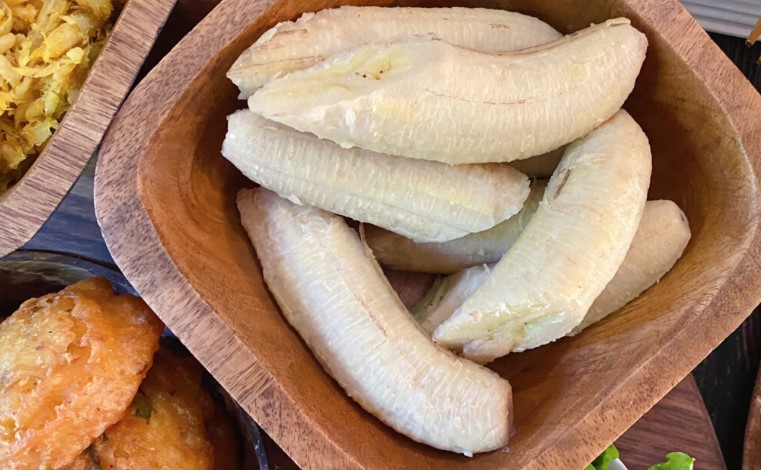
Staple foods in the Congolese kitchen include cassava, yams, plantains, and bananas, which are often served as a side dish or used to make fufu, a starchy dough that is used to scoop up other foods. Rice and beans are also common, as are vegetables such as spinach, onions, and tomatoes. Additionally, peanuts are often used as a protein source in Congolese cuisine, with peanut sauce being a popular ingredient in many dishes.

Meat and Fish Dishes

Meat and fish are important sources of protein in Congolese cuisine, with goat, beef, and chicken being the most commonly eaten meats. Fish is also popular, with tilapia and catfish being the most commonly consumed species. Pili pili, a spicy chili pepper sauce, is often served with meat and fish dishes to add flavor and heat.

Vegetarian and Vegan Options

Although meat and fish are important in Congolese cuisine, there are also many vegetarian and vegan options available. Beans and legumes are often used as a protein source, and vegetable stews and soups are common. Additionally, plantains and bananas can be used to make vegetarian versions of fufu.

Spices and Flavorings in Congolese Cooking

Spices and flavorings are an important part of Congolese cooking, with many dishes featuring a blend of herbs and spices. Some of the most commonly used spices include garlic, ginger, and cumin, as well as chili peppers for heat. Other flavorings, such as palm oil and peanut sauce, are also used to add richness and depth to dishes.

Popular Congolese Desserts and Snacks

Desserts and snacks in Congolese cuisine often feature sweet ingredients such as bananas, honey, and coconut. Beignets, or fried doughnuts, are a popular snack, as are cassava chips and roasted peanuts. For dessert, sweet potato pie and banana fritters are common, as well as fruit salads made with tropical fruits such as papaya and mango.

Enjoying Congolese Cuisine Around the World

Although Congolese cuisine is not as widely known as some other African cuisines, it is possible to find Congolese restaurants and food trucks in many cities around the world. Alternatively, those interested in trying Congolese cuisine can experiment with making their own dishes at home, using traditional recipes and ingredients. By exploring the flavors and ingredients of Congolese cuisine, it is possible to gain a deeper appreciation for the diverse culinary traditions of Africa.
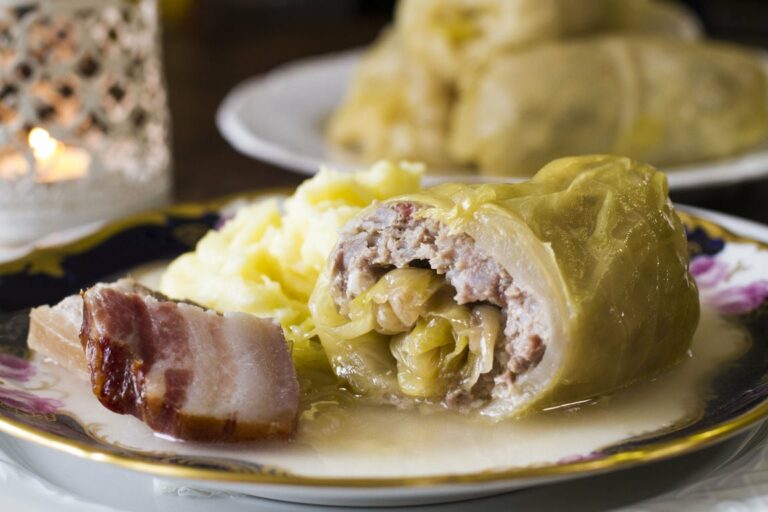
Introduction: A Taste of Costa Rica

Costa Rica is a small country located in Central America, known for its diverse landscape, friendly people, and delicious cuisine. Costa Rican cuisine is a fusion of indigenous, Spanish, and African influences that have been shaped over centuries. The country’s rich soil, tropical climate, and coastal waters provide an abundance of fresh ingredients that are used to create flavorful and unique dishes.

Rich Flavors and Ingredients

Costa Rican cuisine is known for its fresh and bold flavors that are a result of using a variety of herbs, spices, and ingredients. The country’s cuisine is based on rice, beans, fresh vegetables, fruits, and seafood. One of the most common ingredients used in Costa Rican cuisine is cilantro, which is added to soups, stews, and rice dishes. Other ingredients commonly used in Costa Rican cuisine include garlic, onions, peppers, and tropical fruits such as mango, pineapple, and papaya.

Rice and Beans: A Staple Dish

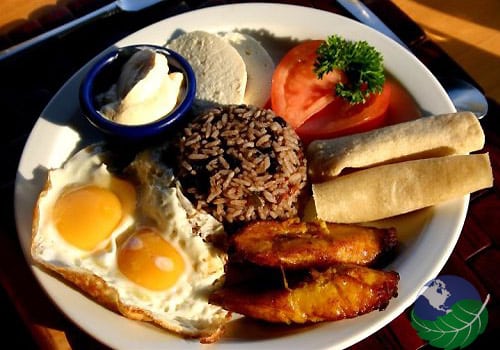
Rice and beans, or “gallo pinto,” is the national dish of Costa Rica and is a staple in the country’s cuisine. This simple dish consists of seasoned rice and black beans, which are cooked together and served with a variety of toppings such as fried plantains, cheese, and avocado. Gallo pinto is traditionally eaten for breakfast but is also served as a side dish for lunch and dinner.

Plantains: The Versatile Fruit

Plantains are a versatile fruit that is a staple in Costa Rican cuisine. This cousin of the banana is used in a variety of dishes, both sweet and savory. Fried plantains, or “tostones,” are a popular side dish, while mashed plantains, or “patacones,” are used as a base for many dishes. Sweet plantains, or “maduros,” are often served as a dessert or snack.

Seafood: A Coastal Delight

Costa Rica’s coastal waters provide an abundance of fresh seafood that is a major component of the country’s cuisine. Fish, shrimp, lobster, and crab are all commonly used in dishes such as ceviche, seafood soup, and grilled fish. The Caribbean coast is known for its coconut-based dishes, while the Pacific coast offers a variety of grilled and fried seafood dishes.

Coffee: A National Treasure

Costa Rica is famous for its high-quality coffee, which is considered a national treasure. The country’s coffee beans are grown in the highlands and are known for their bright acidity and fruity flavors. Coffee is served throughout the day and is often accompanied by a sweet treat or pastry.

Sweet Treats and Desserts

Costa Rican cuisine offers a wide variety of sweet treats and desserts that are perfect for satisfying a sweet tooth. Tres Leches cake, made with three different types of milk, is a popular dessert, as are “arroz con leche,” a rice pudding, and “churros,” fried dough pastries rolled in cinnamon sugar.

Traditional Beverages: Beyond Coffee

In addition to coffee, Costa Rica offers a variety of traditional beverages that are unique to the country. “Agua dulce” is a sweet drink made from sugarcane and served hot, while “horchata” is a cold, sweet drink made from rice milk and cinnamon. “Chicha,” a fermented corn drink, is a traditional beverage that is often served at festivals and celebrations.

In conclusion, Costa Rican cuisine is a fusion of indigenous, Spanish, and African influences that have been shaped over centuries. The country’s rich flavors and ingredients, including rice and beans, plantains, seafood, and coffee, provide a unique and delicious culinary experience. Costa Rican cuisine is a must-try for any food lover looking to explore the flavors of Central America.

Introduction to Croatian cuisine

Croatian cuisine is a blend of Mediterranean, Central European, and Balkan influences, resulting in a diverse and flavorful culinary tradition. Known for its fresh ingredients and simple yet delicious preparations, Croatian cuisine has gained popularity in recent years among food enthusiasts and travelers. The use of seasonal vegetables, herbs, and spices, as well as fresh seafood and meat, are the hallmarks of Croatian cuisine.

Regional influences on Croatian cuisine

Croatian cuisine is influenced by the country’s diverse regions, each with its own distinct culinary traditions. Coastal regions, such as Dalmatia and Istria, are known for their seafood dishes, while the inland regions of Zagorje and Slavonia offer hearty meat dishes and stews. The use of olive oil, garlic, and herbs is prevalent in Mediterranean-style dishes, while paprika and other spices feature heavily in eastern Croatian cuisine.

Staple ingredients in Croatian cuisine

Croatian cuisine is known for its use of fresh, locally sourced ingredients, with a focus on seasonal produce and traditional preparations. Olive oil, garlic, and herbs like rosemary and thyme are commonly used, along with onions, peppers, and tomatoes. Traditional Croatian meats include pork, beef, and lamb, while seafood such as squid, octopus, and sardines are popular along the coast.

Popular Croatian dishes and their origins

Some of the most popular Croatian dishes include Peka, a slow-cooked meat and vegetable stew, and Burek, a savory pastry filled with meat or cheese. Other traditional dishes include Ćevapi, a grilled minced meat dish, and Pašticada, a slow-cooked beef dish with a rich sauce. Croatian cuisine also includes a variety of soups, such as Grah, a bean soup, and Štrukli, a cheese and pastry dish.

Seafood in Croatian cuisine

Due to its long coastline, seafood is an integral part of Croatian cuisine. Grilled sardines, calamari, and octopus are staples of coastal cuisine, with flavors enhanced by Mediterranean herbs and olive oil. Shellfish, such as mussels and oysters, are also popular, particularly in Istria.

Meat dishes in Croatian cuisine

Croatian cuisine features a variety of meat dishes, including traditional roasted meats like lamb and pork. Hearty stews and soups like Goulash and Čobanac, made with beef or game meat, are also popular. Inland regions of Croatia are also known for their sausages and smoked meats, such as Kulen and Pršut.

Vegetarian and vegan options in Croatian cuisine

While meat and seafood are prominent in Croatian cuisine, there are also plenty of vegetarian and vegan options available. Grilled vegetables, such as peppers and eggplant, are popular, as are hearty vegetable stews like Sataras. Vegetarian versions of traditional dishes like Burek and Ćevapi are also available, often filled with cheese or vegetables.

Croatian desserts and beverages

Croatian cuisine includes a variety of desserts, often featuring fruit and nuts. Palačinke, thin crepes filled with jam or Nutella, are a popular sweet treat, as are Fritule, small doughnuts flavored with rum and citrus zest. Croatian wines, particularly those from the coastal regions, are gaining international recognition, while Rakija, a traditional fruit brandy, is a popular digestif.

Introduction: Discovering Cuban Cuisine

Cuban cuisine is a blend of Spanish, African, and Caribbean influences, making it unique and flavorful. It is known for its bold and distinct flavors that come from the use of various spices and ingredients. Cuban cuisine is more than just food; it is a reflection of the nation’s history and culture. The cuisine’s rich heritage and diverse ingredients make it a must-try for all food enthusiasts.

Influences on Cuban Cuisine

Cuban cuisine’s history and ingredients reflect the diverse cultures that have influenced it. The Spanish colonizers brought with them their culinary traditions, which influenced Cuban cuisine’s use of spices, herbs, and meats. African slaves who were brought to Cuba brought with them their cooking techniques and the use of plantains, yams, and okra. The Caribbean influence in Cuban cuisine is evident in the use of fruits and vegetables like mangoes, coconuts, and avocados. These cultural influences have shaped the unique flavors of Cuban cuisine.

Traditional Cuban Dishes

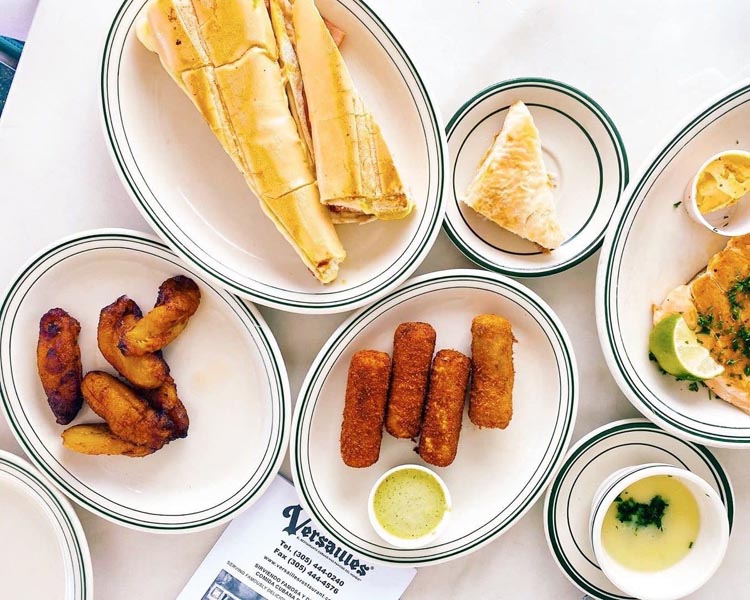
Cuban cuisine has a variety of dishes that are traditional and popular. One of the most famous dishes is Ropa Vieja, a shredded beef dish cooked with onions, peppers, and tomatoes. Another popular dish in Cuban cuisine is Lechon Asado, which is roasted pork cooked with garlic and citrus. Moros y Cristianos is a popular side dish made with rice and black beans. Cuban cuisine also has a variety of stews and soups, including sopa de pollo, a chicken soup that is hearty and comforting.

The Role of Rice and Beans

Rice and beans are a staple in Cuban cuisine. The combination of rice and beans is also known as Moros y Cristianos, which translates to Moors and Christians. The dish is named after the Spanish occupation of Cuba. The dish is made using black beans and rice, which are cooked together, giving it a distinct flavor. Rice and beans are also a side dish that complements many Cuban dishes.

Popular Ingredients in Cuban Cuisine

Cuban cuisine uses a variety of ingredients that give it a unique flavor. Garlic is a common ingredient used in Cuban cuisine, along with cumin, oregano, and bay leaves. Citrus fruits like lime and lemon are also used to add a tangy flavor to Cuban dishes. Plantains are also a popular ingredient in Cuban cuisine, which can be boiled, fried, or baked. The use of spices and herbs in Cuban cuisine gives it a unique and distinct flavor.

Cuban Desserts: Sweet Delights

Cuban cuisine has an array of sweet desserts that are worth trying. Tres Leches cake is a popular dessert made with sponge cake soaked in three types of milk and topped with whipped cream. Flan is another famous dessert in Cuban cuisine, which is a caramel custard similar to Crème Brulee. Arroz con Leche is a rice pudding that is creamy and sweet, made with rice, sugar, and cinnamon.

Cuban Beverages: Refreshing Drinks

Cuban cuisine has a variety of refreshing drinks that are perfect for a hot day. Cuba is known for its rum, which is used in many cocktails like the Mojito and Daiquiri. Cuba also has a national drink, the Cuba Libre, which is made with rum, coke, and lime. The Piña Colada is another popular cocktail in Cuba, which is made with rum, coconut cream, and pineapple juice. Cuba is also known for its coffee, which is strong and sweet.

Conclusion: Cuba’s Culinary Heritage

Cuban cuisine’s unique blend of flavors and cultural influences make it a must-try for all food lovers. The use of spices, herbs, and ingredients reflects Cuba’s diverse history and culture. From traditional Cuban dishes to sweet desserts and refreshing drinks, Cuban cuisine has something for everyone. Cuban cuisine’s distinct flavors and rich heritage make it a culinary experience worth exploring.

Introduction: Czech Cuisine Overview

Czech cuisine is known for its hearty and filling dishes that are perfect to warm you up on a chilly day. It is a blend of Central and Eastern European cuisines with a focus on meats, potatoes, and dumplings. Czech cuisine is also influenced by neighboring countries such as Germany, Austria, and Poland. The dishes are usually garnished with fresh herbs and spices, making them both visually appealing and delicious.

A Tale of Meat and Dumplings

Meat and dumplings are two essential components in Czech cuisine. The most popular meats are pork, beef, and game such as rabbit and deer. They are usually served in the form of stews, roasts, or sausages. The dumplings, known as knedlíky, are made from flour, potatoes, and bread and are served alongside the meat dishes. Another popular type of dumpling is the fruit-filled dumplings, which are served as a dessert.

Traditional Czech Appetizers

Czech cuisine offers an abundance of appetizers that are perfect to enjoy with a cold beer. Some of the most popular ones are utopenec, which is a pickled sausage, nakládaný hermelín, which is a marinated cheese, and smažený sýr, which is a fried cheese. These appetizers are usually served with a side of bread or potato salad.

Soups and Stews, Czech-style

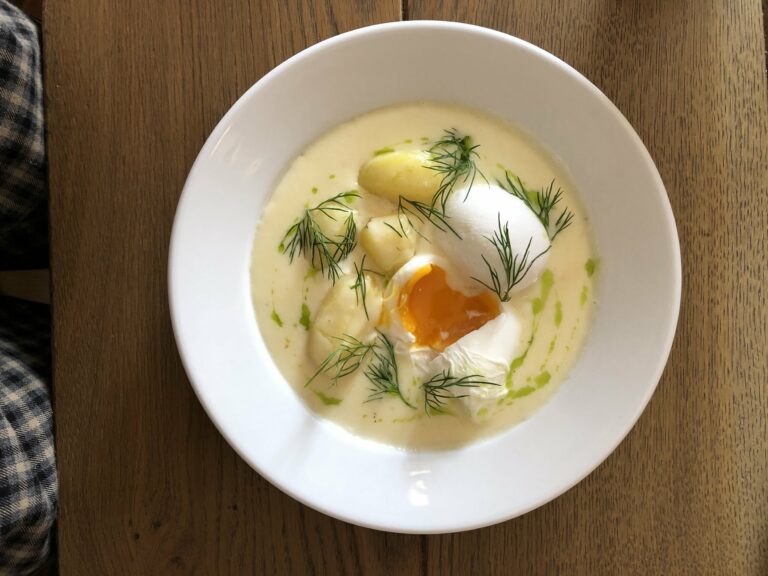
Soups and stews are an integral part of Czech cuisine, and they are usually served as a starter or a main course. The most common soups are kulajda, which is a creamy potato soup with mushrooms and dill, and dršťkovka, which is a tripe soup. The stews are usually made with meat, vegetables, and spices and are served with dumplings or bread.

Iconic Czech Main Courses

The most famous Czech main courses are svíčková, which is a beef stew served with dumplings and cranberry sauce, and vepřová pečeně, which is a roast pork with sauerkraut and dumplings. Another popular dish is the goulash, which is a spicy beef stew, and schnitzel, which is a breaded and fried cutlet served with potatoes or dumplings.

Sides and Sauces that Complement Czech Cuisine

The sides and sauces in Czech cuisine are just as important as the main course. The most popular side dishes are potato salad, sauerkraut, and boiled or roasted potatoes. As for sauces, the most famous ones are dill sauce, which is served with fish dishes, and creamy mushroom sauce, which is served with meat dishes.

Famous Czech Desserts and Treats

Czech cuisine offers an array of desserts and treats that are perfect to satisfy your sweet tooth. The most famous ones are trdelník, which is a sweet pastry rolled in cinnamon and sugar, and koláče, which are small sweet cakes filled with fruit or poppy seeds. Other popular desserts are palačinky, which are thin pancakes filled with fruit or jam, and vánočka, which is a braided sweet bread.

Czech Beer and Drinks to Pair with Your Meal

Czech beer is world-famous, and it’s no surprise that it’s the perfect drink to pair with Czech cuisine. The most popular beers are Pilsner Urquell, Budweiser Budvar, and Krušovice. If you’re not a fan of beer, try the Becherovka, which is a herbal liqueur, or slivovice, which is a plum brandy. Czech cuisine also offers an abundance of non-alcoholic beverages such as Kofola, which is a cola-like drink, and limonáda, which is a lemonade.

In conclusion, Czech cuisine is filled with hearty and filling dishes that are perfect for any occasion. From meat and dumplings to sweet pastries and beer, Czech cuisine has it all. So, the next time you visit the Czech Republic, make sure to indulge in the delicious and satisfying flavors of its cuisine.

Introduction: Discovering Cypriot Cuisine

Cypriot cuisine is a delicious blend of Mediterranean and Middle Eastern flavors that reflects the island nation’s rich history and unique cultural heritage. With its sunny climate, fertile soil, and access to the Mediterranean Sea, Cyprus has a bounty of fresh, flavorful ingredients that are the foundation of its cuisine. Whether you’re a foodie looking to explore new tastes or a traveler interested in immersing yourself in local culture, Cypriot cuisine is sure to delight.

The Influences Shaping Cypriot Cuisine

Cypriot cuisine has been shaped by centuries of history, with influences from Greece, Turkey, and the Middle East. The island’s strategic location at the crossroads of three continents has made it a melting pot of cultures, and its cuisine reflects this mix of flavors and traditions. Greek and Turkish cuisine have had a particularly strong influence on Cypriot food, with meze and grilled meats being popular staples.

The Staples of Cypriot Cuisine

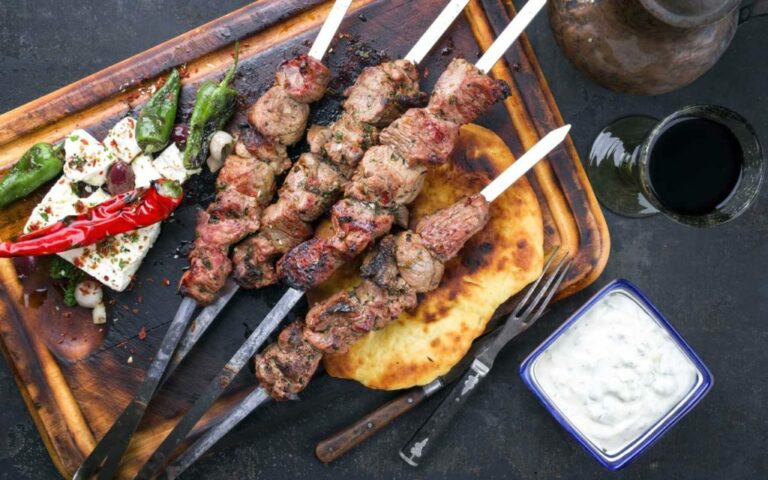
Cypriot cuisine is known for its use of fresh, locally sourced ingredients, including olive oil, vegetables, seafood, and meat. Grilled meats, like souvlaki and kebab, are popular, as well as stews and casseroles. Halloumi cheese, made from sheep and goat milk, is a staple in Cypriot cuisine and is used in both savory and sweet dishes. The island’s fertile soil also produces a variety of fruits and vegetables, including citrus, figs, and eggplant.

A Deeper Look at Meze

Meze is a popular way of eating in Cyprus, consisting of a variety of small dishes that are shared among diners. Meze is a social experience, and it’s common to spend several hours enjoying a leisurely meal with friends and family. Typical meze dishes include grilled meats, salads, dips and spreads, and seafood. Meze is often served with bread or pita, which is used to scoop up the various dips and spreads.

Traditional Cypriot Dishes Worth Trying

There are many traditional Cypriot dishes that are worth trying, including kleftiko, a slow-cooked lamb dish that is wrapped in parchment paper and baked in an oven. Another popular dish is moussaka, which is similar to the Greek version but features potatoes instead of eggplant. Other dishes to try include sheftalia, a sausage made from ground pork and lamb, and afelia, a stew made with pork and red wine.

The Flavors of Cypriot Desserts

Cypriot desserts are a sweet way to end a meal, and they often feature honey, nuts, and phyllo pastry. Loukoumades are a popular dessert, made from fried dough balls that are drizzled with honey and cinnamon. Another favorite is baklava, which is a layered pastry filled with nuts and honey. Other desserts to try include galaktoboureko, a custard-filled phyllo pastry, and tahinopita, a sweet pie made with tahini and honey.

Cypriot Wine: A Perfect Pairing for Local Cuisine

Cypriot wine is an excellent complement to the island’s cuisine, with a long history of winemaking that dates back over 4,000 years. The island’s hot, dry climate and mineral-rich soil produce grapes that are ideal for winemaking, and there are several excellent wineries that produce both red and white wines. Popular grape varieties include xynisteri, maratheftiko, and mavro. Cypriot wine is often paired with meze or grilled meats, and many wineries offer tastings and tours.

Conclusion: Savoring the Tastes of Cyprus

Cypriot cuisine is a delicious fusion of Mediterranean and Middle Eastern flavors that reflects the island’s unique cultural heritage. From meze to grilled meats, traditional stews to sweet desserts, there’s something to please every palate. And with the island’s long history of winemaking, there’s no better way to enjoy Cypriot cuisine than with a glass of local wine. Whether you’re visiting Cyprus for the first time or you’re a seasoned traveler looking to explore new tastes, be sure to savor the flavors of Cypriot cuisine.

Introduction: What is Congolese cuisine?

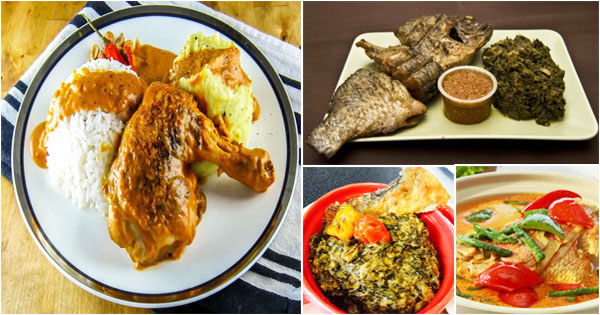
Congolese cuisine is a reflection of the diverse cultures found in the Democratic Republic of Congo, with influences from the country’s neighboring countries as well. Congolese cuisine is characterized by its use of cassava, plantains, and rice, which are staple foods in the region. The cuisine also features a wide variety of meat dishes that include goat, fish, and even caterpillars.

Congolese cuisine is known for its hearty and flavorful soups and stews that are made with an array of spices and seasonings such as pili pili, curry, and more. This cuisine is also popular for its drinks, including palm wine and cassava beer, which are enjoyed by many. Furthermore, Congolese cuisine offers a variety of sweet treats made with fruit and nuts that are a delight to the taste buds.

Staple foods: Cassava, plantains, and rice

Cassava is an important crop in Congolese cuisine and is used in a variety of dishes such as fufu, a starchy dough that is used as a base for sauces and stews. Plantains are also a staple food and are used to make matoke, a dish that is similar to fufu but is made with mashed plantains. Rice is also widely consumed in the country, especially in the eastern regions of Congo. It is usually served with stews or sauces made with meat or vegetables.

Meat dishes: From goat to fish to caterpillars

Meat dishes are an important part of Congolese cuisine, and there is a wide variety to choose from. Goat is one of the most commonly consumed meats and is used in stews and soups. Fish is also widely available and can be found in many dishes, especially in regions near the Congo River. In some parts of the country, caterpillars are considered a delicacy and are eaten fried or boiled.

Soups and stews: Hearty and flavorful

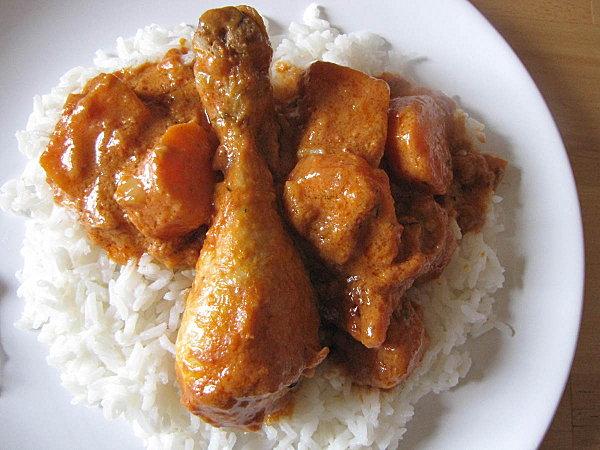
Soups and stews are a staple in Congolese cuisine and are often served with fufu or rice. These dishes are hearty and flavorful, with a variety of ingredients such as meat, vegetables, and spices. Some popular soups include ngai-ngai, a fish soup made with okra and tomatoes, and nkaku, a chicken and peanut stew.

Spices and seasonings: Pili pili, curry, and more

Spices and seasonings are an important part of Congolese cuisine. Pili pili, a type of chili pepper, is commonly used to add heat to dishes. Curry powder is also used in many recipes, as well as other spices such as ginger, garlic, and cumin. In addition, herbs such as parsley, thyme, and bay leaves are used to add flavor to soups and stews.

Drinks: Palm wine and cassava beer

Palm wine and cassava beer are popular drinks in Congo. Palm wine is made from the sap of palm trees and is a sweet, slightly alcoholic beverage. Cassava beer, on the other hand, is made from cassava roots and is a more potent alcoholic drink. Both drinks are often consumed at social gatherings, such as weddings and funerals.

Desserts: Sweet treats made with fruit and nuts

Congolese cuisine also offers a variety of sweet treats made with fruit and nuts. One popular dessert is called makemba, which is made with bananas, coconut milk, and cinnamon. Another dessert is called mikate, which is a sweet fried dough that is served with a honey or sugar glaze.

Conclusion: Exploring the diversity of Congolese cuisine

Overall, Congolese cuisine is rich and diverse, with a variety of flavors and ingredients that reflect the country’s culture and history. From staple foods like cassava, plantains, and rice, to meat dishes that include goat, fish, and even caterpillars, to hearty soups and stews made with pili pili, curry, and more, Congolese cuisine has something for everyone. And let’s not forget about the palm wine, cassava beer, and sweet treats made with fruit and nuts. Exploring Congolese cuisine is a culinary adventure that is sure to delight the taste buds.

Introduction: The Flavors of the Dominican Republic

Dominican cuisine is a unique blend of African, Spanish, and native Taíno influences, resulting in a rich and diverse culinary culture. The Dominican Republic is an island nation located in the Caribbean, which has a tropical climate and fertile soil. These geographical features give the country access to a wide variety of fruits, vegetables, and spices that are used in traditional cooking. Dominican cuisine is known for its bold flavors, colorful presentation, and emphasis on fresh, locally sourced ingredients.

Influences on Dominican Cuisine

The history of the Dominican Republic is reflected in its cuisine, which has been shaped by a diverse range of cultural influences. The Taíno people, who were the indigenous inhabitants of the island before the arrival of the Spanish, introduced staple foods such as yucca, sweet potato, and corn to the diet. The Spanish colonizers brought with them European cooking techniques and ingredients, such as garlic, onions, and olive oil. The enslavement of Africans also had a significant impact on Dominican cuisine, with many dishes incorporating ingredients and techniques from West African cooking traditions.

Staple Foods in Dominican Cooking

Dominican cuisine is characterized by its use of starchy vegetables, such as yucca, plantains, and sweet potatoes. These ingredients are often boiled or fried and served as a side dish or used in stews and soups. Rice and beans are also a staple in Dominican cooking, often served together as “Moro de Guandules” (rice and pigeon peas) or “La Bandera” (rice, beans, and meat). Another popular dish is “Sancocho,” a hearty stew made with meat, yucca, plantains, and other vegetables.

Appetizers and Street Foods

Dominican street food is a popular way to experience the country’s cuisine. “Empanadas” are a staple, with various fillings such as ground beef, chicken, cheese, or vegetables. “Pastelitos” are also a popular choice, which are similar to empanadas but made with a flakier pastry. “Tostones” are fried plantains that are smashed and fried again, often served with garlic sauce or avocado dip.

Main Dishes and Meat Preparations

Meat is a central component of many Dominican dishes, and “Asado” (grilled meat) is a common preparation. “Chivo guisado” (stewed goat) is also a popular choice, as well as “Pollo Guisado” (stewed chicken). “Bacalao” (salt cod) is another well-loved dish, often served with boiled yucca or sweet potatoes.

Seafood Specialties of the Dominican Republic

As an island nation, seafood plays a significant role in Dominican cuisine. “Chillo” (red snapper) is a popular fish, usually served fried or grilled. “Camarones” (shrimp) are also a common choice, often served with garlic sauce or fried in a butter sauce. “Pulpo” (octopus) is another seafood delicacy, often served in a salad or stew.

Desserts and Sweets in Dominican Cuisine

Dominican desserts are a sweet and delicious way to end a meal. “Flan” (custard) is a popular choice, as well as “Tres Leches” (three milk cake), which is a sponge cake soaked in three types of milk. “Majarete” (corn pudding) is another popular choice, made with coconut milk, cinnamon, and cornstarch.

Beverages and Cocktails that Define Dominican Culture

Dominican culture is known for its lively music and dancing, and no celebration is complete without a signature cocktail. “Mojito” is a favorite, made with rum, lime juice, sugar, and mint. “Piña Colada” is another popular choice, made with coconut cream, pineapple juice, and rum. “Mamajuana” is a traditional Dominican drink made with rum, red wine, honey, and various herbs and spices, which is believed to be a natural aphrodisiac.

Introduction: Djiboutian cuisine

Djiboutian cuisine is a unique blend of African, Middle Eastern, and French influences. The cuisine is famous for its flavorful spices, aromatic herbs, and the use of local ingredients such as seafood, camel meat, and goat meat. Djiboutian cuisine is a reflection of the country’s nomadic past and its location along the Red Sea and Gulf of Aden.

Geographical and cultural influences

The geographical location of Djibouti has played a significant role in shaping its cuisine. Djiboutian cuisine is influenced by the flavors of neighboring countries such as Somalia, Ethiopia, and Yemen. The cuisine also reflects the nomadic past of the people of Djibouti, who were dependent on livestock and had to move frequently in search of water and pasture. The country’s French colonial past has also left a mark on its cuisine, as seen in the use of French bread and pastries in many dishes.

Staple foods and ingredients

The staple foods of Djibouti include rice, pasta, and bread. However, the country’s cuisine is also known for its use of local ingredients such as camel meat, goat meat, and seafood. The most commonly used spices in Djiboutian cuisine are cumin, coriander, turmeric, and cardamom. Aromatic herbs such as cilantro and parsley are also widely used.

Popular dishes of Djibouti

Some of the most popular dishes in Djiboutian cuisine include “lahoh,” a spongy pancake made with flour and yeast, served with honey or butter; “fah-fah,” a soup made with goat meat, vegetables, and spices; and “skoudehkaris,” a rice dish with meat, vegetables, and spices. Seafood dishes such as grilled fish and shrimp are also popular.

The significance of tea in Djiboutian culture

Tea is an important part of Djiboutian culture, and it is served in a unique way. The tea is brewed with a mixture of spices such as cinnamon and cloves and served in small glasses with a lot of sugar. The tea is typically served after meals and is a symbol of hospitality and friendship.

Traditional celebrations and feasts

Djiboutian cuisine is an integral part of traditional celebrations and feasts. During Eid al-Fitr, the end of Ramadan, “abais,” a dish made with goat meat, onions, and spices, is typically served. During weddings and other ceremonies, “bouillie,” a porridge made with flour and milk, is served as a symbol of prosperity and abundance.

Street food and snacks in Djibouti

Street food and snacks are an essential part of Djiboutian cuisine. Some popular snacks include “sambusa,” a fried pastry filled with meat or vegetables; “ambula,” a sweet and sour snack made with dried fruits and spices; and “maraq,” a spicy soup made with vegetables and meat.

Modern twists on classic Djiboutian dishes

In recent years, there has been a growing trend of modern twists on classic Djiboutian dishes. Chefs are experimenting with new ingredients and techniques while still honoring the traditional flavors of the cuisine. For example, “lahoh” is being served in new ways, such as with avocado or smoked salmon. “Skoudehkaris” is being reinvented with new spices and vegetable combinations. These modern twists are helping to bring Djiboutian cuisine into the spotlight and showcase its unique flavors and traditions.

Introduction to Danish Cuisine

Danish cuisine is a blend of traditional and contemporary flavors. It is known for its focus on seasonal, local ingredients, especially seafood, meat and dairy products. Danish cuisine is also famous for its open sandwiches, or smørrebrød, which are widely enjoyed for lunch or as a light evening meal.

Danish Cuisine in Historical Context

The history of Danish cuisine is shaped by its geography and climate. The country’s coastal location and cold weather have influenced the use of seafood and preserved foods, such as pickled herring, smoked salmon and meat, and fermented vegetables. Danish cuisine also has a strong agricultural tradition, with meat and dairy products playing a prominent role in its culinary heritage.

Ingredients that Define Danish Cuisine

Danish cuisine is characterized by its use of fresh, seasonal ingredients, especially seafood, meat, and dairy products. Fish such as herring, plaice, and cod feature widely in Danish cuisine, along with meat from pork, beef, and poultry. Dairy products such as cheese, butter, and cream are also staples of Danish cooking. Vegetables like potatoes, cabbage, and beets, as well as fruits like apples and berries, are also commonly used in Danish cuisine.

Classic Danish Dishes to Try

Some of the most popular Danish dishes include smørrebrød, open-faced sandwiches topped with various meats, fish, and vegetables; frikadeller, meatballs made with pork and beef; and flæskesteg, roasted pork with crispy skin. Other well-known dishes include stegt flæsk, pork belly served with boiled potatoes and parsley sauce, and the classic Danish dessert, æblekage, made with layers of apple compote and whipped cream.

Regional Variations in Danish Cuisine

Denmark’s different regions have their own culinary traditions, with local ingredients and specialties. For example, in the western region of Denmark, seafood such as oysters, mussels, and lobster are popular, while the southern region is known for its smoked eel and pork dishes. The island of Bornholm in the Baltic Sea is famous for its smoked herring and pickled sprats, while the northern region of Jutland is known for its sausages and meat-based stews.

Modern Trends in Danish Cooking

Modern Danish cuisine has embraced new techniques and international influences, while still staying true to its traditional roots. Some of the trends in contemporary Danish cooking include the use of sustainable, organic, and locally sourced ingredients, as well as a focus on vegetarian and plant-based dishes. New Nordic cuisine has also gained popularity, emphasizing clean, natural flavors, and simple yet elegant presentations.

Danish Food Culture and Traditions

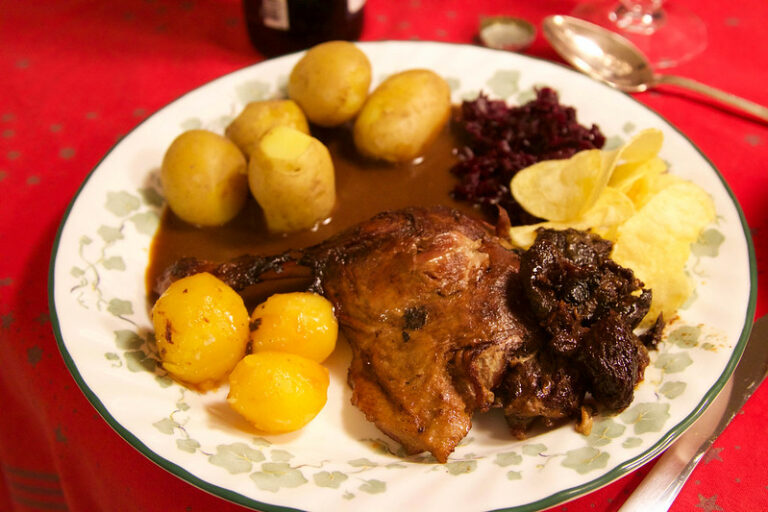
Food is an important part of Danish culture, with mealtimes being a social occasion for families and friends. Hygge, the Danish concept of coziness and comfort, is also reflected in the country’s food culture, with warm and hearty dishes often enjoyed during the colder months. Danish cuisine also has several festive traditions, such as the Christmas Eve dinner, where families gather to enjoy roast pork, duck, or goose, along with sweet and savory treats.

How to Enjoy Danish Cuisine Anywhere

If you want to experience Danish cuisine outside of Denmark, there are several ways to do so. Many Danish restaurants and bakeries can be found in major cities around the world, offering a taste of traditional Danish dishes such as smørrebrød and pastries like the iconic Danish pastry, or wienerbrød. Danish food products can also be found in specialty stores and online shops, including cheeses, herring, and other preserved foods. Lastly, you can also try your hand at cooking Danish dishes at home, using fresh, seasonal ingredients and traditional recipes.