Tag

known

Browsing

Introduction: Egyptian Cuisine

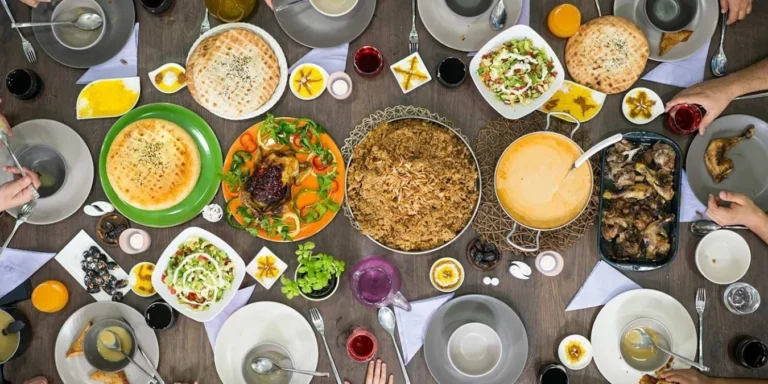
Egyptian cuisine is a blend of ancient and modern influences that reflect the country’s rich history and diverse cultural heritage. The cuisine is characterized by a unique combination of flavors, colors, and textures that are both delicious and nutritious. Egypt’s strategic location at the crossroads of Africa, Asia, and Europe has contributed to the development of its culinary traditions, which have been influenced by various cultures over millennia. Egyptian cuisine is known for its use of spices, herbs, and other ingredients that add depth and complexity to its dishes.

History of Egyptian Cuisine

Egyptian cuisine has a long and fascinating history that dates back thousands of years. The cuisine has evolved over time, shaped by the country’s geography, climate, religion, and social customs. Ancient Egyptians were known for their rich and varied diet, which included bread, beer, fruits, vegetables, meats, and seafood. They also used a variety of spices and herbs, many of which are still used in modern Egyptian cuisine today. Over time, Egyptians have incorporated influences from neighboring countries, such as Greece, Rome, and the Ottoman Empire, as well as from other parts of Africa and the Middle East.

Ancient Egyptian Foods

Ancient Egyptian cuisine was diverse and sophisticated, and many of its dishes have survived to this day. Some of the most popular foods in ancient Egypt included bread, beer, wine, honey, and dates. Egyptians also ate a variety of meats, such as beef, lamb, and poultry, as well as fish and seafood. Vegetables and fruits were also an important part of the ancient Egyptian diet, and they were often served in stews, soups, or as side dishes.

Influences on Egyptian Cuisine

Egyptian cuisine has been influenced by various cultures and civilizations over the centuries. The cuisine has incorporated elements from Ancient Greece, Rome, Islam, and the Ottoman Empire, as well as from other parts of Africa and the Middle East. These influences have contributed to the diversity and richness of Egyptian cuisine, which combines traditional flavors and techniques with contemporary innovations.

Traditional Egyptian Dishes

Egyptian cuisine is known for a variety of traditional dishes, such as koshari, ful medames, and molokhia. Koshari is a popular street food made with rice, lentils, and pasta, topped with spicy tomato sauce and fried onions. Ful medames is a classic breakfast dish made with fava beans, served with bread and a variety of toppings. Molokhia is a stew made with jute leaves, chicken, and a variety of spices, often served over rice.

Popular Egyptian Ingredients

Egyptian cuisine relies heavily on a variety of spices, herbs, and other ingredients that add depth and complexity to its dishes. Some of the most popular ingredients in Egyptian cuisine include cumin, coriander, garlic, parsley, dill, and mint. Other ingredients, such as beans, chickpeas, and lentils, are also widely used in Egyptian cooking.

Desserts and Beverages in Egypt

Egyptian cuisine is also known for its delicious desserts and beverages. Some of the most popular desserts in Egypt include baklava, basbousa, and konafa. Baklava is a sweet pastry made with layers of phyllo dough, nuts, and honey syrup, while basbousa is a semolina cake soaked in syrup. Konafa is a pastry made with shredded phyllo dough, nuts, and honey syrup. In terms of beverages, Egypt is known for its potent coffee, as well as its refreshing hibiscus tea.

Conclusion: Exploring Egyptian Cuisine

Egyptian cuisine is a fascinating and delicious blend of ancient and modern influences that reflect the country’s rich cultural heritage. The cuisine is known for its use of spices, herbs, and other ingredients that add depth and complexity to its dishes. Traditional Egyptian dishes, such as koshari, ful medames, and molokhia, are beloved by locals and visitors alike. Whether you are a foodie or just looking to explore a new cuisine, Egyptian cuisine is definitely worth trying.
Introduction: What is Dominican Republic Cuisine?

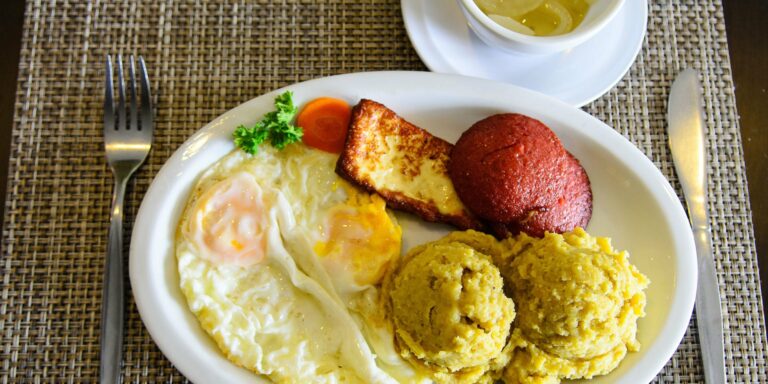
Dominican Republic cuisine is a blend of various cultural influences, including Spanish, African, and indigenous Taino. With its tropical climate and fertile soil, the Dominican Republic boasts an abundance of fresh fruits, vegetables, and seafood, making its cuisine a colorful and flavorful experience. The food is often accompanied by traditional music and dance, creating an exciting atmosphere that celebrates the country’s vibrant culture.

The Influence of Indigenous and African Cultures

Before the arrival of the Spanish, the Taino people inhabited the Dominican Republic. Their influence on the country’s cuisine can be seen in dishes like mofongo, a mashed plantain dish filled with meat or seafood. African slaves were brought to the island in the 16th century, and their traditions have also shaped Dominican cooking. For example, sancocho, a hearty stew made with various meats and vegetables, has roots in West African cuisine.

Staple Foods: Rice, Plantains, and Beans

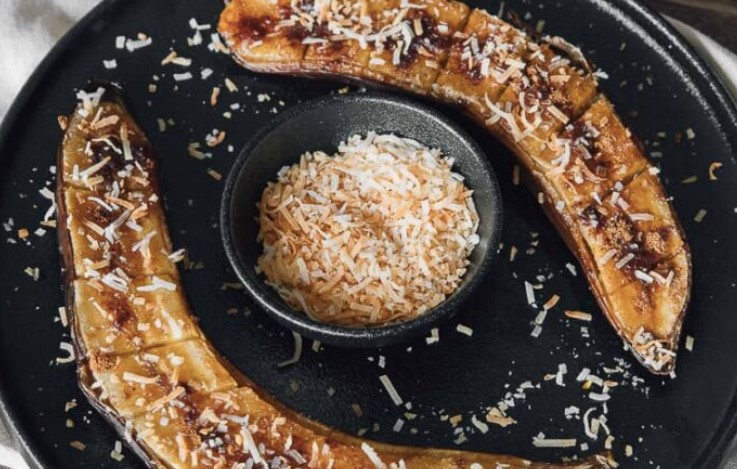
Rice, plantains, and beans are the foundation of many Dominican dishes. Arroz con habichuelas, a dish of rice and beans, is a staple at every table and often served alongside meat or fish. Plantains are used in many ways, including being boiled and mashed in mofongo, sliced and fried as tostones, or sweetened and fried as plátanos maduros. Beans are also a common ingredient in soups, stews, and salads, with red kidney beans being the most popular variety.

Meat Dishes: Pollo Guisado, Chicharrón de Cerdo, and More

Dominican cuisine features a variety of meat dishes, including pollo guisado (braised chicken), chicharrón de cerdo (fried pork belly), and carne guisada (stewed beef). These dishes are traditionally served with rice and beans, and often accompanied by avocado and salad.

Seafood Delicacies: Locally Caught Fish, Crab, and Lobster

With its location in the Caribbean Sea, the Dominican Republic is known for its fresh seafood. Locally caught fish such as red snapper and sea bass are popular, as well as crab and lobster. These delicacies are often seasoned with a blend of spices and served with rice and salad.

Street Food: Empanadas, Arepas, and Chimichurri

Dominican street food is a delicious and affordable way to experience the country’s cuisine. Empanadas, pastries filled with meat or cheese, are a popular choice. Arepas, corn cakes stuffed with meat or cheese, are also a tasty option. Chimichurri, a sandwich made with beef, cabbage, and tomatoes, is a favorite among locals.

Sweets and Desserts: Dulce de Leche, Flan, and Tres Leches Cake

Dulce de leche, a sweetened condensed milk caramel, is a popular ingredient used in many Dominican desserts. Flan, a creamy custard, and tres leches cake, a sponge cake soaked in three types of milk, are also common sweet treats. Other desserts include arroz con leche, a rice pudding, and bizcocho, a sponge cake.

Popular Drinks: Rum, Morir Soñando, and Mamajuana

Rum is the national drink of the Dominican Republic, with Brugal and Barceló being the most popular brands. Morir soñando, a refreshing drink made with orange juice and milk, is a favorite among locals. Mamajuana, a mixture of rum, red wine, and herbs, is a traditional drink with alleged medicinal properties. Other popular non-alcoholic beverages include batida, a fruit smoothie, and jugo de chinola, a passion fruit juice.

Introduction: Ecuadorian cuisine

Ecuadorian cuisine is a fusion of indigenous, Spanish, and African influences that have blended over centuries to create a unique culinary experience. The country’s diverse geography, which includes the Andes Mountains, Pacific Coast, and Amazon Rainforest, has also contributed to the wide range of ingredients used in Ecuadorian cooking. Ecuadorian cuisine is known for its use of fresh and locally sourced ingredients, as well as its bold flavors and unique combinations.

The history and diversity of Ecuadorian food

Ecuadorian cuisine has a rich history that dates back to pre-Columbian times. The Inca Empire, which ruled over parts of Ecuador before the arrival of the Spanish, introduced many of the staple ingredients that are still used in Ecuadorian cooking today, such as corn, potatoes, and beans. The Spanish colonization of Ecuador in the 16th century brought new ingredients and cooking techniques, including the use of pork, beef, and wheat flour. African slaves who were brought to Ecuador during the colonial period also left their mark on the cuisine, introducing ingredients such as coconut and plantains.

Ingredients used in Ecuadorian cuisine

Ecuadorian cuisine is characterized by its use of fresh and locally sourced ingredients. Staples include potatoes, corn, rice, beans, and seafood. The country is also known for its exotic fruits, such as guanábana, naranjilla, and babaco. Other popular ingredients include avocado, plantains, and yuca. Meat is also a key component of Ecuadorian cuisine, with dishes featuring pork, chicken, beef, and guinea pig.

Popular dishes in Ecuadorian cuisine

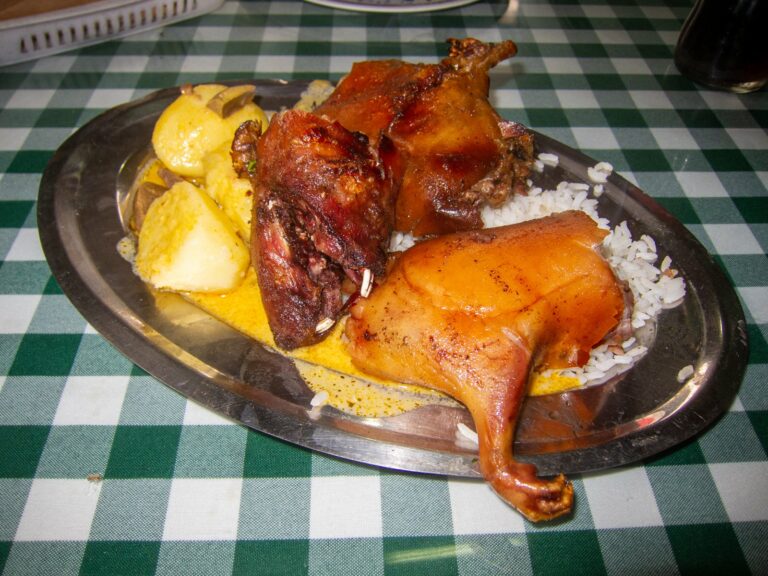
Some of the most popular dishes in Ecuadorian cuisine include ceviche, a dish of raw seafood marinated in lime juice and served with onions and cilantro; locro, a hearty potato-based soup; and seco de chivo, a stew of goat meat cooked with beer and spices. Other popular dishes include fanesca, a soup made with grains and beans that is traditionally served during Easter; encebollado, a fish soup made with onions and yuca; and cuy asado, roasted guinea pig.

Regional differences in Ecuadorian cuisine

Ecuadorian cuisine varies greatly by region. Coastal cuisine is characterized by its use of seafood and coconut milk, while the Andean highlands are known for their hearty stews and soups. The Amazon Rainforest region features dishes made with exotic fruits and ingredients such as ants and grubs. The Galapagos Islands have their own unique cuisine, which includes fresh seafood and vegetarian dishes.

Influences from indigenous, Spanish, and African cultures

Ecuadorian cuisine is a fusion of indigenous, Spanish, and African culinary traditions. Indigenous staples such as potatoes, corn, and beans are combined with Spanish ingredients like pork and wheat flour to create dishes such as hornado, a slow-roasted pork dish served with potato patties and corn. African influences can be seen in dishes such as encebollado, which uses yuca and coconut milk.

Traditional Ecuadorian beverages and desserts

Ecuador is known for its traditional beverages such as chicha, a fermented corn drink, and canelazo, a hot alcoholic beverage made with cinnamon and fruit. Ecuadorian desserts include helado de paila, a type of sorbet made by freezing fruit juice in a copper pot, and dulce de higos, a sweet made with figs, panela, and spices.

Conclusion: Why you should try Ecuadorian cuisine

Ecuadorian cuisine is a unique fusion of indigenous, Spanish, and African influences that offers a range of flavors and textures. With its use of fresh and locally sourced ingredients, the cuisine is both healthy and flavorful. Whether you’re a fan of seafood, meat, or vegetarian fare, there’s something for everyone in Ecuadorian cuisine. So why not give it a try and explore the diverse culinary traditions of this beautiful country?

Introduction: What is Equatorial Guinean Cuisine?

Equatorial Guinean cuisine is a unique blend of African, Spanish and Portuguese influences. The country is located in Central Africa and is a former Spanish colony, which makes its cuisine a fascinating reflection of its history and culture. Equatorial Guinean cuisine is known for its wide range of dishes, flavors and ingredients. It is a cuisine that is rich in flavor and texture, with a focus on fresh, locally sourced ingredients.

Cultural Influences on Equatorial Guinean Cuisine

Equatorial Guinean cuisine has been influenced by a number of cultures over the years. The country’s colonial past has had a significant impact on its cuisine, with Spanish and Portuguese influences being particularly prominent. African influences are also evident, as the country shares many culinary traditions with its neighboring countries. These cultural influences have resulted in a cuisine that is both diverse and flavorful.

Staple Foods in Equatorial Guinean Cuisine

Staple foods in Equatorial Guinean cuisine include rice, cassava, plantains, yams and beans. These foods are often cooked together and served as a main dish. Fish and meat are also commonly used in Equatorial Guinean cuisine, with chicken and beef being the most popular. Stews and soups are also an important part of the cuisine.

Spices and Seasonings in Equatorial Guinean Cuisine

Equatorial Guinean cuisine is known for its use of spices and seasonings. Common spices used in the cuisine include garlic, ginger, paprika, thyme, and parsley. The use of chili peppers is also common, which gives the cuisine a spicy kick. Other seasonings like salt and pepper are also used in moderation to enhance the flavor of the dishes.

Popular Dishes in Equatorial Guinean Cuisine

Some of the most popular dishes in Equatorial Guinean cuisine include chicken or beef stew, fish stew, Sopa de Pescado (fish soup), and Fufu (a starchy, dough-like dish made from cassava, plantains or yams). These dishes are often served with rice or boiled plantains. Another popular dish is Jollof Rice, a one-pot rice dish that is cooked with vegetables, meat or fish and a variety of spices.

Equatorial Guinean Desserts and Beverages

Desserts and beverages in Equatorial Guinean cuisine are often sweet and refreshing. Fresh fruit is a popular dessert option, with mangoes, pineapples and papayas being the most commonly used fruits. Sweetened condensed milk is also used to make a popular dessert called Flan, which is a caramel custard. Beverages in Equatorial Guinean cuisine include coffee, tea, and a refreshing hibiscus drink called Bissap.

Unique Ingredients in Equatorial Guinean Cuisine

Some unique ingredients used in Equatorial Guinean cuisine include wild game, such as antelope and monkey, and palm oil, which is used as a cooking oil and also gives dishes a distinct flavor. Another unique ingredient is the leaf of the cassava plant, which is used to wrap meat and fish before cooking, giving the dish a unique flavor.

Conclusion: Exploring Equatorial Guinean Cuisine

Equatorial Guinean cuisine is a unique and flavorful blend of African, Spanish and Portuguese influences. From its staple foods to its unique ingredients, the cuisine offers a diverse range of dishes that are sure to tantalize the taste buds. If you are interested in exploring new cuisines, then Equatorial Guinean cuisine is definitely worth a try.

Introduction: El Salvadoran Cuisine

El Salvadoran cuisine is a reflection of the country’s rich history and diverse cultural influences. Located in Central America, El Salvador is home to a variety of unique dishes that are renowned for their delicious flavors and colorful presentations. The cuisine of El Salvador is a blend of indigenous, Spanish, and African cultures, resulting in a unique fusion of flavors and ingredients.

Corn, Beans, and Pupusas

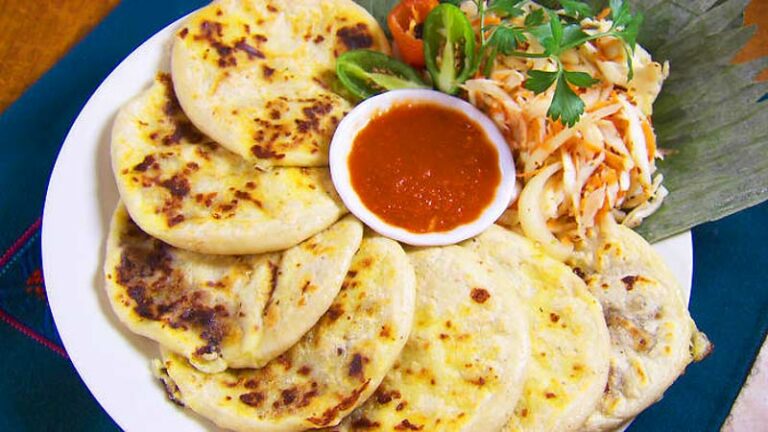
Corn and beans are the staples of El Salvadoran cuisine. Corn is used to make tortillas, tamales, and pupusas, which are a traditional Salvadoran dish made of a thick corn tortilla stuffed with beans, cheese, and meat. Pupusas are considered to be the national dish of El Salvador and are a popular street food throughout the country. They are often served with curtido, a pickled cabbage salad, and a spicy tomato sauce.

A Balance of Flavors

El Salvadoran cuisine is known for its balance of flavors, combining sweet, sour, and savory tastes in each dish. Basic ingredients such as onions, garlic, and tomatoes are used in many dishes to create a depth of flavor. Achiote, a spice made from annatto seeds, is also commonly used to add flavor and color to dishes. The cuisine also incorporates a variety of fruits, such as papaya, mango, and pineapple, to add sweetness to savory dishes.

Traditional Salvadoran Dishes

Aside from pupusas, El Salvadoran cuisine features a variety of traditional dishes that are unique to the country. One such dish is yuca con chicharron, which is fried yucca served with crispy pork. Another popular dish is sopa de res, a hearty beef soup with vegetables and rice. Tamales, which are made of corn dough and stuffed with meat, vegetables, or cheese, are also a popular food in El Salvador.

Seafood and Tropical Fruits

El Salvador’s location on the Pacific coast means that seafood is a popular ingredient in the country’s cuisine. Pargo rojo, or red snapper, is a common fish served in El Salvador, as well as camarones al ajillo, shrimp in garlic sauce. The country’s tropical climate also allows for an abundance of fresh fruits, such as papaya, mango, and guava, which are often used in desserts and drinks.

Common Spices and Herbs

El Salvadoran cuisine uses a variety of spices and herbs to add flavor to dishes. Cumin, coriander, and oregano are commonly used in meat dishes, and cilantro is used in many sauces and marinades. Cloves and cinnamon are often used in desserts, such as the traditional dessert called budin, a bread pudding made with sweetened condensed milk.

Influences from Neighboring Countries

El Salvador shares a culinary heritage with its neighbors, including Guatemala, Honduras, and Mexico. As a result, El Salvadoran cuisine has been influenced by the dishes of these countries. For example, tamales and tortillas are common to many Latin American countries, as are beans and rice. However, El Salvadoran cuisine has its own unique flavors and ingredients that set it apart from its neighbors.

Conclusion: A Taste of El Salvador

El Salvadoran cuisine is a unique and delicious blend of indigenous, Spanish, and African cultures. From the staple ingredients of corn and beans to the use of fresh tropical fruits and seafood, the cuisine of El Salvador offers a diverse and flavorful range of dishes. Whether you’re enjoying the national dish of pupusas or savoring a bowl of sopa de res, El Salvadoran cuisine is sure to leave your taste buds satisfied.

Introduction to Ethiopian cuisine

Ethiopian cuisine is one of the most unique and diverse culinary traditions in the world. It is a reflection of the country’s rich cultural heritage and history, with influences from different regions and ethnic groups. Ethiopian cuisine is characterized by its complex and flavorful dishes, which are often served with injera, a spongy sourdough flatbread made from teff flour. The cuisine is also known for its use of spices, herbs, and seasonings, which add depth and complexity to the dishes.

Rich flavors and diverse ingredients

Ethiopian cuisine is famous for its rich and diverse flavors, which are created using a wide range of ingredients such as fresh herbs, spices, and vegetables. Some of the most popular spices used in Ethiopian cuisine include berbere, a fiery blend of chili peppers, garlic, ginger, and other spices, and mitmita, a blend of dried chili peppers, cardamom, and other spices. The cuisine also incorporates a variety of meat and vegetarian dishes, with lentils and chickpeas being popular protein sources.

Staple foods in Ethiopian cuisine

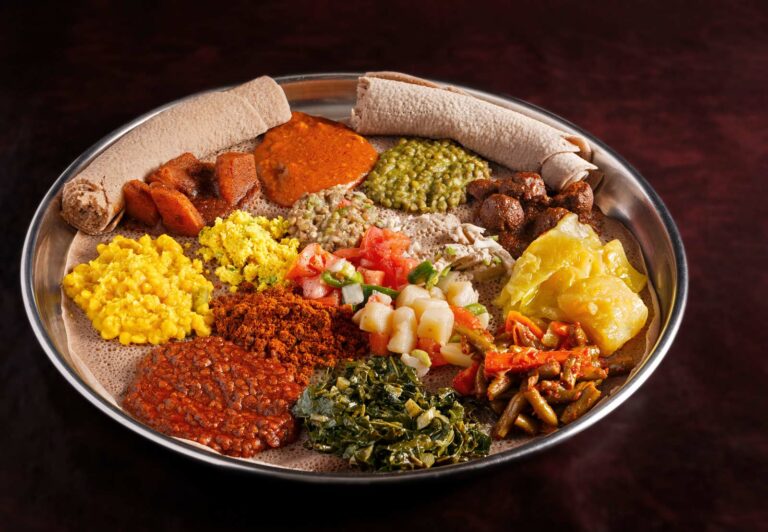
Injera is the most iconic staple food in Ethiopian cuisine. It is made from teff flour and is usually used as a base or wrap for the various dishes served in Ethiopian cuisine. Other staple foods include wot, a thick stew made with meat or vegetables, and tibs, a sautéed meat dish with vegetables and spices. Ethiopian cuisine also features a variety of side dishes, including salads, lentil dishes, and vegetable dishes.

Unique cooking methods and utensils

Ethiopian cuisine has unique cooking methods and utensils that are essential to the preparation of traditional dishes. One such utensil is the mitad, a traditional clay oven used to cook injera. Another unique utensil is the mogogo, a clay pot used to cook stews and soups. Ethiopian cuisine also incorporates the use of traditional spice grinders, such as the mitad mesob, to grind spices and herbs for seasoning dishes.

Famous Ethiopian dishes and their origins

Some of the most famous Ethiopian dishes include doro wat, a spicy chicken stew with berbere and served with injera, and kitfo, a raw minced beef dish that is seasoned with spices and served with injera. Other popular dishes include injera with a variety of stews and vegetarian dishes, such as shiro, a spicy chickpea stew, and misir wat, a red lentil stew. These dishes have their origins in different regions and ethnic groups in Ethiopia and reflect the diversity of the cuisine.

The role of coffee in Ethiopian cuisine

Coffee plays a significant role in Ethiopian cuisine and culture. It is believed that Ethiopia is the birthplace of coffee, and the country produces some of the highest quality coffee beans in the world. Coffee is often served after meals as a sign of hospitality and is prepared using traditional methods, such as roasting the beans over an open flame and brewing them in a jebena, a traditional clay coffee pot.

Cultural significance of sharing meals

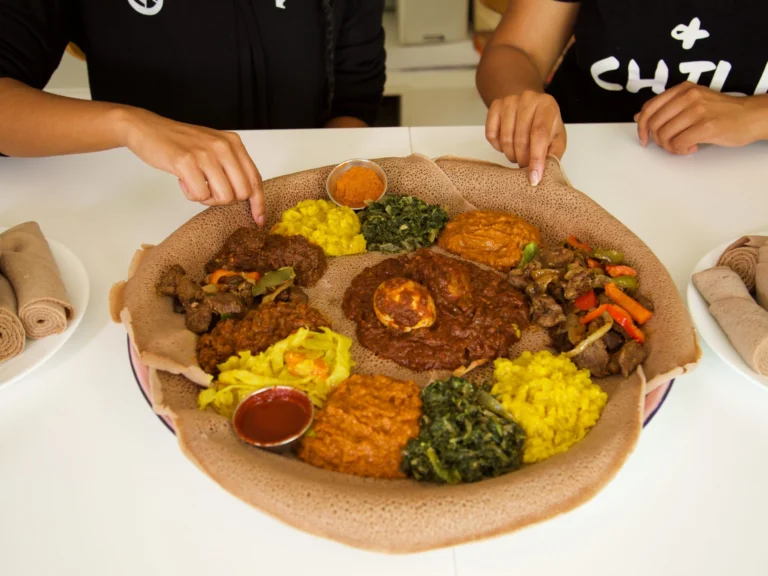
Sharing meals is an important cultural tradition in Ethiopian cuisine. Meals are often served family-style, with different dishes placed on a shared platter and eaten with injera. This communal way of dining reflects the importance of hospitality and community in Ethiopian culture.

Popular Ethiopian restaurants worldwide

Ethiopian cuisine has gained popularity around the world, with Ethiopian restaurants and cafes opening in many major cities. Some of the most popular Ethiopian restaurants include Awash Ethiopian Restaurant in New York City, Mesob Ethiopian Restaurant in London, and Addis in Cape Town, South Africa. These restaurants offer a taste of authentic Ethiopian cuisine, with traditional dishes served in a warm and welcoming atmosphere.

Introduction: Eritrean Cuisine

Eritrean cuisine is a blend of diverse flavors and cooking techniques influenced by its rich cultural heritage, which includes Arabic, Turkish, and Ethiopian cuisines. Eritrean cuisine is known for its simplicity and use of fresh ingredients, featuring a wide range of herbs and spices. The cuisine of Eritrea is a reflection of the country’s history, culture, and agricultural resources.

Inheritance of Eritrean Cuisine

Eritrean cuisine has been influenced by its neighboring countries, including Ethiopia and Sudan. The food culture has been shaped by the nomadic lifestyle of the indigenous people, as well as the colonial influence of the Italians and the Ottoman Turks. Eritrean cuisine has evolved over time to become a unique blend of flavors and cooking techniques that is distinct from neighboring countries.

Traditional Eritrean Dishes

Eritrean cuisine is known for its variety of stews, which are usually served with injera, a sourdough flatbread made from teff flour. Some popular stews include zigni, a spicy beef stew; tsebhi derho, a chicken stew; and tsebhi birsen, a spicy vegetable stew. Other traditional dishes include shiro, a chickpea stew; ful, a stew made from fava beans; and tibs, a sautéed meat dish.

Staple Foods of Eritrean Cuisine

The staple foods of Eritrean cuisine are injera and tef, a grain that is used to make the sourdough bread. Injera is a staple in Eritrean cuisine and is eaten with almost every meal. Tef is also used to make a porridge called ga’at, which is eaten for breakfast and as a snack. Lentils, beans, and rice are also commonly eaten in Eritrean cuisine.

Spices and Herbs in Eritrean Cuisine

Eritrean cuisine is known for its use of a variety of herbs and spices, including cumin, coriander, chili, and ginger. Berbere, a spice blend made of chili peppers, garlic, and various spices, is a staple in Eritrean cuisine and is used to add flavor and heat to stews and other dishes. Other common herbs used in Eritrean cuisine include thyme, basil, and oregano.

Eritrean Beverages

One of the most popular beverages in Eritrea is coffee, which is traditionally served during coffee ceremonies. Tea, made with loose tea leaves and spices, is also a common beverage. Eritrean beer and wine are becoming more popular, and are often served with meals.

Eritrean Desserts

Eritrean desserts are often sweet and simple, with honey, dates, and nuts as common ingredients. Some popular desserts include hanukkah, a sweet fried dough; zlebia, a sweet fried dough ball; and baklava, a pastry made with phyllo dough, honey, and nuts.

Conclusion: Eritrean Cuisine Today

Eritrean cuisine has a rich history and a unique blend of flavors and cooking techniques. Today, Eritrean cuisine is gaining popularity around the world, thanks to its use of fresh ingredients, bold flavors, and distinctive cooking methods. Whether you’re trying a traditional Eritrean dish or a modern fusion creation, Eritrean cuisine is sure to delight your taste buds.

Introduction to Estonian Cuisine

Estonian cuisine is a fusion of traditional dishes and ingredients with modern innovation from neighboring countries. It is a reflection of Estonia’s history and its cultural influences. The country’s location on the Baltic Sea has greatly influenced its cuisine, as seafood and fish dishes are prominent. Additionally, its northern location has led to the use of hearty and warming ingredients like potatoes and barley. Estonian cuisine is known for its simplicity, with dishes made from locally sourced, seasonal ingredients that are often prepared using traditional cooking methods.

Influences on Estonian Cuisine

Estonian cuisine has been shaped by various cultures that have passed through the country throughout its history. The Vikings, Germans, Russians, and Swedes have all had an impact on Estonian cuisine, contributing to the use of ingredients like potatoes, cabbage, and smoked fish. In addition, the country’s proximity to Scandinavia has also influenced their cuisine, as the use of rye bread, dairy products, and pickled vegetables are common in both Estonian and Scandinavian cuisine.

Traditional Estonian Dishes

One of the most famous Estonian dishes is black bread, a staple in Estonian cuisine made from rye flour and often served with butter or cheese. Another traditional dish is verivorst, a blood sausage made with barley and potatoes, served during the Christmas season. Kama, a ground mixture of grains, is also widely consumed and used in desserts like kama pudding. Another popular dish is pirukad, savory pastries filled with meat, vegetables, and cheese.

Meat: A Staple in Estonian Cuisine

Meat is a staple in Estonian cuisine, with pork, beef, and game being the most commonly consumed. Many traditional dishes like seapraad, roast pork, and hernetatrapada, a pork and bean stew, are popular. Additionally, wild game like elk and boar are also popular, often served as smoked meat or in stews.

Fish: A Vital Part of Estonian Cuisine

As a country surrounded by the Baltic Sea, fish is a vital part of Estonian cuisine. Smoked fish, especially salmon and herring, are popular dishes and often served with potatoes and cream sauce. Salted and pickled fish are also common, with rollmops and herring salad being popular dishes.

Dairy Products in Estonian Cooking

Dairy products play a key role in Estonian cuisine, with milk, butter, and cheese being used in many dishes. Sour cream is often used as a topping for soups and stews, and cheeses like leibjuust, a traditional Estonian cheese made from sour milk, are popular. Additionally, kefir and curd cheese are commonly consumed as snacks or desserts.

Breads and Grains in Estonian Cuisine

Bread is a crucial part of Estonian cuisine, with black bread being the most popular. Rye flour is often used in bread and other dishes like kama, a traditional dish made from ground grains. In addition, barley and potatoes are also commonly used in Estonian cuisine, often found in stews and soups.

Famous Estonian Desserts and Beverages

Estonian cuisine has a variety of tasty desserts and beverages. Kama pudding, made from a mixture of ground grains, is a popular dessert, as are curd cheese and berry desserts. Another traditional dessert is kohuke, a sweet cheese curd bar covered in chocolate. For beverages, Kali, a non-alcoholic fermented bread drink, is a popular option. Additionally, Vana Tallinn, a sweet and spiced liqueur made from rum, is a popular after-dinner drink.

Introduction to Gambian cuisine

Gambia is a country in West Africa that boasts a rich and diverse culinary tradition. Gambian cuisine is characterized by the use of spices, herbs, and flavorful ingredients that give its dishes a unique and distinct taste. The country has a long history of trade and commerce with other African countries, as well as with Europeans, which has influenced its culinary traditions. Gambian cuisine is known for its delicious stews, curries, and grilled meats, as well as for its variety of vegetarian options.

Staple foods in Gambian cuisine

The staple foods in Gambian cuisine include rice, millet, couscous, and yams. Rice is a major component of most Gambian meals and is usually served with a variety of stews and sauces. Millet and couscous are also commonly used in Gambian cuisine, and are often served as porridge or in salads. Yams are a popular root vegetable that is used in stews and soups, as well as being roasted or mashed and served as a side dish.

Spices and herbs used in Gambian cuisine

Spices and herbs play a key role in Gambian cuisine, and are used to add flavor and depth to dishes. Commonly used spices include cumin, coriander, ginger, chili, and paprika. Herbs such as parsley, mint, and thyme are also used to add freshness and aroma. Gambian cuisine also makes use of a spice blend known as Domoda, which is made from peanuts, tomato paste, and spices. It is used to flavor stews and curries, and is a signature ingredient in Gambian cuisine.

Popular dishes in Gambian cuisine

There are several popular dishes in Gambian cuisine that are enjoyed by locals and visitors alike. Benachin, also known as Jollof rice, is a flavorful dish that features rice cooked in a tomato and onion sauce, with spices and meats or vegetables. Yassa is another popular dish that is made with chicken or fish, marinated in a mixture of lemon juice, onion, and spices, and then grilled or fried. Mbahal is a traditional Gambian soup made with okra, fish, and palm oil, and is often served with rice or couscous.

Influences on Gambian cuisine

Gambian cuisine has been influenced by a variety of cultures, including West African, European, and Arab. The country has a history of trade and commerce with other African countries, which has brought various ingredients and cooking techniques to Gambia. The Portuguese, British, and French have also had an impact on Gambian cuisine, introducing new ingredients and cooking methods. Arab traders brought spices such as cinnamon and nutmeg, which are now commonly used in Gambian cuisine.

Contemporary Gambian cuisine and fusion dishes

Contemporary Gambian cuisine has seen a rise in fusion dishes, blending traditional Gambian ingredients with influences from other cuisines. This has resulted in dishes such as Gambian-style pizza, which features a tomato and onion sauce, with beef or chicken and traditional spices, on a crispy crust. Another popular fusion dish is Gambian-style sushi, which features sushi rolls filled with fish or chicken that has been marinated in traditional Gambian spices. These contemporary dishes showcase the versatility and creativity of Gambian cuisine, while still retaining its traditional flavors and ingredients.

Introduction: Exploring the Traditions of Finnish Cuisine

Finnish cuisine is a unique blend of traditional and modern flavors that reflects the country’s history, geography, and culture. The cuisine is known for its simplicity, naturalness, and the use of local ingredients such as fish, berries, and game. Finnish chefs have also been experimenting with new ingredients and techniques, resulting in a modern cuisine that is gaining popularity worldwide.

Simplicity and Naturalness: The Key Features of Finnish Cuisine

Finnish cuisine is known for its simplicity and naturalness. The dishes are prepared with fresh, high-quality ingredients such as fish, meat, berries, mushrooms, and root vegetables. Finnish chefs believe in letting the natural flavors of the ingredients shine through, rather than masking them with heavy sauces or spices. This approach results in dishes that are light, flavorful, and healthy.

Another key feature of Finnish cuisine is its use of wild herbs and plants. Finns have a long tradition of foraging for wild herbs and plants, such as nettle, spruce tips, and lingonberry leaves, which are used to add flavor and nutrition to dishes. The use of wild herbs and plants also reflects the Finnish connection to nature and the importance of sustainability.

Fish, Berries, and Game: The Staples of Finnish Cuisine

Fish, berries, and game are the staples of Finnish cuisine. Finland has a long coastline and numerous lakes, which provide an abundance of fish such as salmon, trout, and perch. Fish is prepared in various ways, such as smoked, grilled, or baked in a creamy sauce.

Berries, such as lingonberries, bilberries, and cloudberries, are also an important part of Finnish cuisine. They are used in desserts, jams, and sauces, and are believed to have health benefits due to their high antioxidant content.

Game, such as reindeer, elk, and moose, is also a popular ingredient in Finnish cuisine. Game meat is lean, flavorful, and high in protein, making it a healthy and sustainable choice.

Traditional Finnish Dishes: A Delicious Blend of Flavors and Textures

Traditional Finnish dishes are a delicious blend of flavors and textures. One of the most famous Finnish dishes is Karelian pasty, a savory pastry filled with rice or mashed potatoes and served with a dollop of butter. Another classic dish is pea soup with pancake, which is traditionally eaten on Thursdays in Finland.

Other popular Finnish dishes include meatballs with mashed potatoes and lingonberry sauce, salmon soup, and creamy mushroom sauce served with reindeer or beef. Finnish cuisine also has a strong tradition of baking, with sweet treats such as cinnamon rolls, gingerbread cookies, and blueberry pie.

Finnish Desserts: From Sweet to Savory, a Unique Culinary Experience

Finnish desserts are a unique culinary experience, ranging from sweet to savory. One of the most famous Finnish desserts is pulla, a sweet cardamom-flavored bread that is often served with coffee. Another popular dessert is blueberry pie, made with fresh or frozen blueberries and a buttery crust.

Savory Finnish desserts include cheese pie, which is made with a savory crust and filled with a mixture of cheese and eggs, and karjalanpiirakka, a savory pastry filled with rice or mashed potatoes and served with a dollop of butter.

Finnish Drinks: Rye Bread Beer and Other Surprising Beverages

Finnish drinks are just as unique as the cuisine, with rye bread beer and other surprising beverages. Rye bread beer is a traditional Finnish beer made with rye bread, which gives it a distinctive flavor. Other popular Finnish drinks include cloudberry liqueur, cranberry wine, and birch sap juice.

In addition to alcoholic beverages, Finland is also known for its coffee culture. Finns are among the highest coffee consumers in the world, and coffee is often served with pulla or other sweet treats.

In conclusion, Finnish cuisine is a delicious and unique culinary experience that reflects the country’s history, geography, and culture. From the simplicity and naturalness of the ingredients to the blend of flavors and textures in traditional Finnish dishes, Finnish cuisine offers something for everyone.