Tag

purple

Browsing

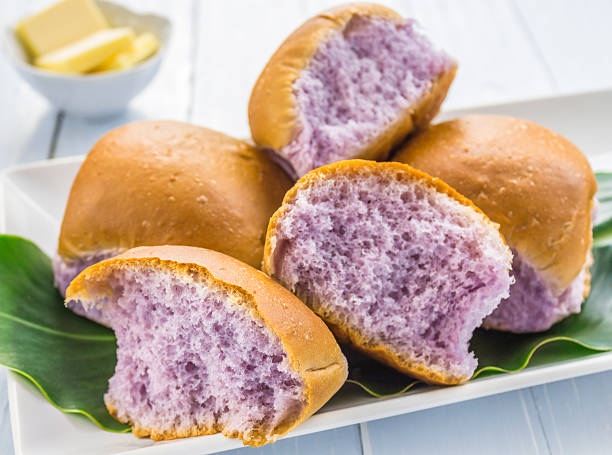
White bread is demonized by many: not enough nutrients, digested too quickly, and too many food cravings. But that should be over now because Purple Bread is on the rise – a purple-colored bread with the texture of white bread, which is also rich in antioxidants and is digested around 20 percent more slowly than classic white bread. Introducing the new “Superbrot” in purple!

Purple Bread: the superfood bread

Chia seeds, matcha, and goji berries were yesterday: The superfood of the future is purple bread! A bread that looks like it was baked by the Care Bears themselves – but with great ingredients. It consists entirely of natural ingredients and is digested around 20 percent more slowly than white bread – with an almost identical texture.

The Purple Bread owes its beautiful color to the anthocyanins – water-soluble tannins that were extracted from black rice, especially for the superfood bread. Anthocyanins have an antioxidant effect in the body, so they help prevent cancer and heart and circulatory diseases.

The only catch: Unfortunately, the purple bread has no fewer carbohydrates than conventional white bread! The ratio of starch and white flour is not lower in this superfood bread in order to get a special texture.

Vision healthy white bread

The idea for Purple Bread came from nutritionist Professor Zhou Weibiao from the University of Singapore. Since many people all over the world love white bread so much, but often only eat it with a guilty conscience because it contains hardly any valuable ingredients and causes blood sugar levels to rise quickly, the researcher pursued a special vision.
He wanted to develop a bread that was similar in texture to white bread and healthier than it. This seems to have been achieved with the Purple Bread. The first baked superfood bread is not yet available in Germany. But it is only a matter of time before the purple bread finds its way from the Asian to the German supermarket.
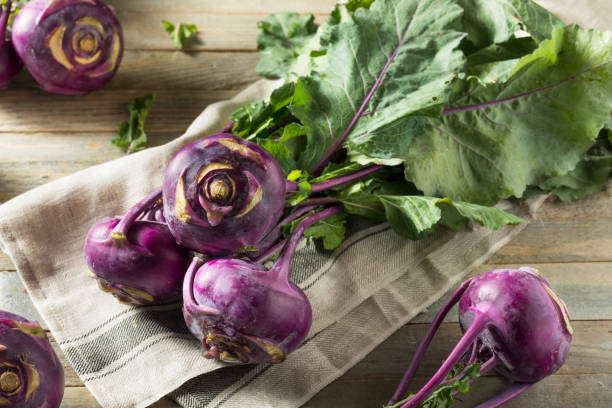
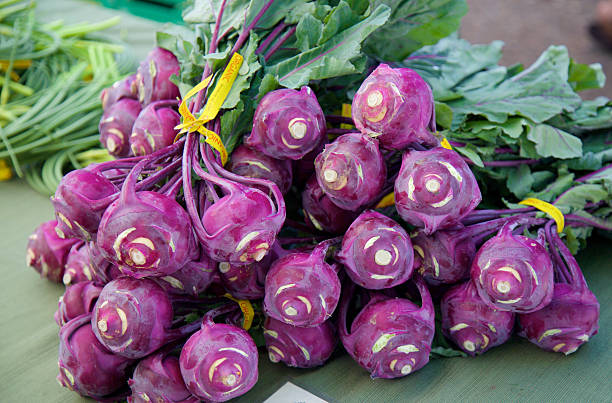
The typical green tuber is often nibbled raw or cooked for delicious vegetable dishes. For a more intense taste, however, it is not the green, but the purple kohlrabi that should be processed – this tastes much stronger. Here you can find out what to look out for when buying vegetables.

Purple kohlrabi: intense in taste

If you love the taste of kohlrabi, you should use the more colorful version more often: purple kohlrabi is much more flavorful than green kohlrabi. This tuber is particularly suitable for spring dishes.

When buying, you should make sure that the tubers are intact and look smooth. The leaves are also an indicator of freshness: if they are green and crisp, you can assume that the kohlrabi is also fresh. The smaller the tuber, the more delicate it tastes – large kohlrabi, on the other hand, can often taste woody.

Kohlrabi is so healthy

Whether green or violet – the kohlrabi is packed with valuable ingredients such as vitamin C. Just 100 grams of the tuber cover half of the recommended daily requirement. The mustard oils contained in the vegetables have a positive effect on the immune system and support the function of the gastrointestinal tract.

But not only the kohlrabi itself scores with its great ingredients: there is goodness in the leaves too! It contains almost double or triple the number of vitamins and minerals. Washed and finely chopped, the kohlrabi leaves can be sprinkled over salads or added to vegetable soups.

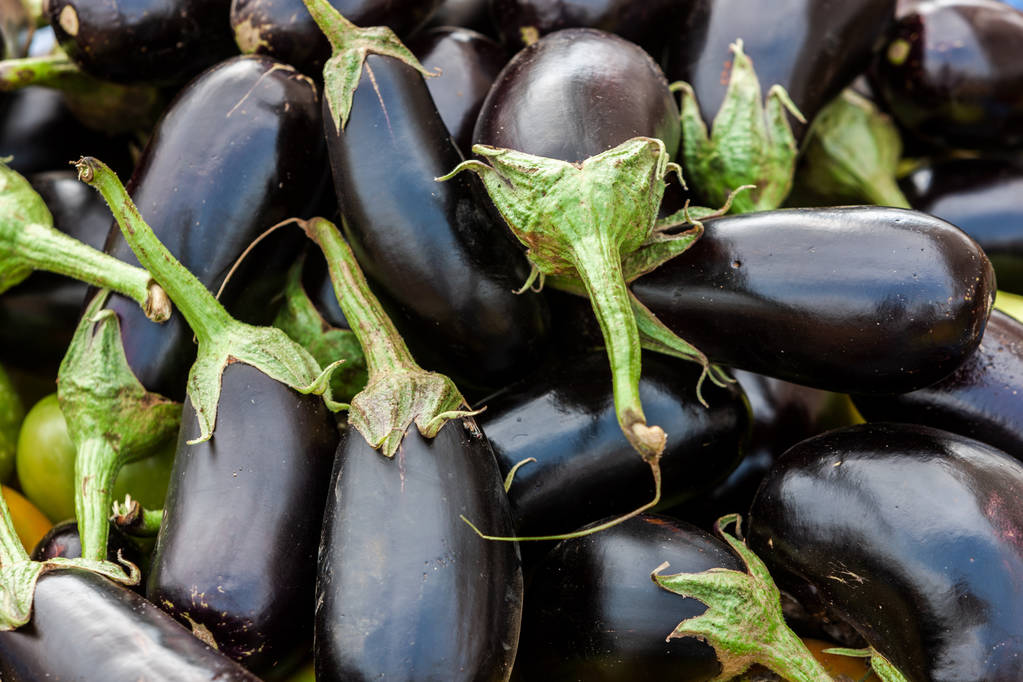
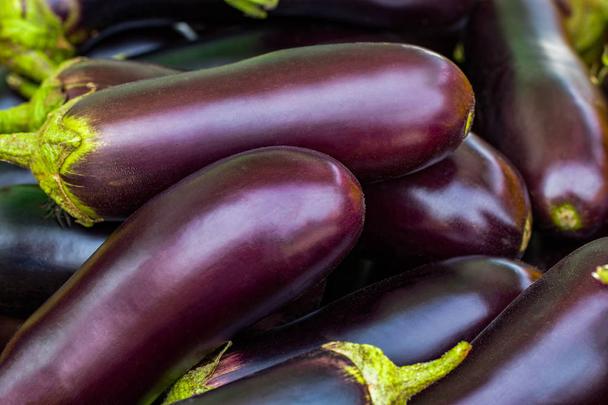
Whether braised, grilled or gratinated: You can prepare aubergines in a wide variety of ways.

Preparing eggplants: the basics

You can cook aubergines in a variety of ways, but you cannot eat them raw. Like other nightshade plants, aubergines contain small amounts of the neurotoxin solanine. If you eat large amounts of raw eggplant, you can get gastrointestinal problems, among other things. Since the solanine content decreases as the eggplant ripens, you should only use ripe fruit if possible. They also taste less bitter.

Before preparing your eggplants, you should wash them well and cut off the ends. Many recipes then recommend chopping the aubergines, sprinkling them with salt and letting them soak for 30 minutes. There are two arguments for this:
The salt extracts the bitter substances from the aubergines.
The salt extracts the liquid from the aubergines and ensures that they then absorb less fat.
However, modern breeds hardly contain any bitter substances. For this reason, you don’t necessarily have to let the aubergines soak in the water. However, if you don’t steep the water, you’ll need a little more oil for the eggplants, and they’ll take longer to soften.

If you decide to steep the water, remember to drain the salt from the eggplants, drain the excess water, and pat the eggplants dry afterwards.

Ideas for preparing eggplant

Since aubergines have relatively little taste of their own, you should always season them well. Mediterranean herbs, garlic, ginger or curry go wonderfully with aubergines. Oil, for example olive oil, is an additional flavor carrier.

Here are some ideas on how to prepare eggplant:
You can grill aubergines: cut them into slices, brush them with oil, season them with salt and pepper and grill them on both sides. Alternatively, you can place the aubergine slices on a greased tray and bake in the oven at 180 degrees with the grill function for about 30 minutes (turn them halfway through) until they are soft. Garlic, lemon juice, herbs and a fresh yoghurt sauce go well with it. Or you let the vegetables cool down and put them in – then you get delicious antipasti.
You can also use the grilled or baked aubergines to make an aubergine cream.
Braised together with peppers, tomatoes and zucchini, eggplant makes a delicious ratatouille. You can eat this with potatoes, rice or bread or use it as a filling for a delicious vegetarian lasagna or quiche.
Another classic oven dish is moussaka. In the original, the Greek aubergine casserole is prepared with meat, but it tastes just as good vegetarian or vegan.

Purple potatoes bring variety to your plate and also help to preserve the diversity of varieties. The extraordinary potatoes are becoming increasingly popular. Here you can find out what makes the purple tubers so special.

Purple, blue or red: potatoes come in different colors and shapes. Nature offers an incredible variety of fruits and vegetables. Rare varieties such as purple potatoes can seem downright alien. At first glance, you might think they are artificially colored.

It’s just an old variety. In most cases, varieties are grown that are as productive and robust as possible. Other varieties, such as purple potatoes, are less common – with them, the variety in our supermarkets and on our plates is dwindling.

Incidentally, conventionally grown fruit and vegetables are often contaminated with harmful pesticides. Producers often exploit land and people so that they can offer their goods as cheaply as possible. As a consumer, you can counteract this by buying organic fruit and vegetables, growing them yourself and supporting small farmers in your region.

Purple potatoes: There are these different varieties

There is also a selection of different varieties of purple potatoes. They differ not only in their shapes and colors, but also vary in taste and consistency.

Some of the best-known purple potato varieties include:
The Vitelotte: It is characterized by its dark skin and strong, nutty taste.
Bleu de la Manche: The variety has a blue-violet skin and is very popular in France because of its fine taste.
Salad Blue: As the name suggests, the variety is particularly good for salads. Due to its intense dark violet color, it stands out visually.

How to prepare purple potatoes

Just like their yellow relatives, purple potatoes can be divided into floury and waxy varieties. Basically, you can use them in the kitchen just like conventional yellow potatoes.

Mealy purple potatoes are particularly good in mashed potatoes, potato soup, potato casseroles or baked potatoes. For potato salad, homemade fries or fried potatoes, on the other hand, you should rather use the waxy version.

Cook purple potatoes whole with their skins on to keep their intense color. Use as little water as possible to cook the potatoes: the coloring substances dissolve easily in the water. Mealy potatoes tend to lose more color than waxy ones. If you bought the potatoes in organic quality, you can easily eat the skin when they are cooked.

With purple potatoes you can not only bring a variety of tastes to your plate. Their unusual color turns even simple potato recipes into real eye-catchers.