Tag

republic

Browsing

Introduction: Exploring Street Food in the Democratic Republic of the Congo

The Democratic Republic of the Congo is a country that is rich in culture and diversity. One of the best ways to experience its vibrant culture is through its street food. Street food in the DRC is a sensory experience that will awaken your taste buds with a mixture of flavors, aromas, and textures. From the bustling streets of Kinshasa to the coastal city of Pointe-Noire, there are many street food markets and areas in the DRC that are worth visiting.

Kinshasa: A Vibrant Hub for Street Food Lovers

Kinshasa is the capital city of the DRC and the largest city in Central Africa. It is also known for its street food scene. The city is home to countless street vendors serving up a variety of local dishes such as fufu, grilled meat, and cassava leaves. One of the most popular street food markets in Kinshasa is the Marché de la Liberté. This market is a bustling hub of activity with vendors selling everything from grilled fish to fresh fruits and vegetables.

Goma: A Delightful Array of Local Flavors

Goma is a city located in the eastern part of the DRC. It is known for its stunning landscape, including the nearby Virunga National Park. Goma is also famous for its street food scene. One of the most popular street food markets in Goma is the Virunga Market. This market is a great place to try local dishes such as sambusa, a savory pastry filled with meat and vegetables, and brochettes, grilled skewers of meat.

Bukavu: A Haven for Adventurous Foodies

Bukavu is a city located in the South Kivu province of the DRC. It is known for its beautiful scenery and outdoor activities, as well as its street food scene. One of the most popular street food markets in Bukavu is the Marché Central. This market is a great place to try local dishes such as moambe, a stew made with palm nuts, and liboke, a dish made with fish or meat that is cooked in banana leaves.

Lubumbashi: A Mix of Congolese and International Cuisine

Lubumbashi is the second-largest city in the DRC and is located in the southeastern part of the country. It is known for its mining industry and its street food scene. One of the most popular street food markets in Lubumbashi is the Marché de Kisanga. This market is a great place to try local dishes such as kwanga, a cassava-based dish, and grilled meat. The city also has a mix of international cuisine options.

Kisangani: A Street Food Scene with Traditional Roots

Kisangani is a city located in the northeastern part of the DRC. It is known for its beautiful landscape, including the nearby Congo River and the Yangambi Biosphere Reserve. Kisangani is also famous for its street food scene, which has traditional roots. One of the most popular street food markets in Kisangani is the Marché Central. This market is a great place to try local dishes such as kwanga, a cassava-based dish, and grilled fish.

Pointe-Noire: A Coastal Haven for Seafood Lovers

Pointe-Noire is a coastal city located in the southwestern part of the DRC. It is known for its beautiful beaches and its seafood cuisine. One of the most popular street food areas in Pointe-Noire is the Plage de la Pointe Indienne. This area is a great place to try local dishes such as grilled fish and shrimp, as well as other seafood specialties.

Conclusion: The Best Street Food Markets and Areas in the DRC

The Democratic Republic of the Congo is a country that is rich in culture and diversity, and its street food scene is no exception. Whether you are in Kinshasa, Goma, Bukavu, Lubumbashi, Kisangani, or Pointe-Noire, there are many street food markets and areas that are worth visiting. From traditional dishes to international cuisine, there is something for everyone to enjoy. So the next time you visit the DRC, be sure to explore its vibrant street food scene.
Introduction

Street food is an integral part of the culinary culture of the Democratic Republic of the Congo, offering a variety of delicious and affordable options to its people. The country’s street food scene is a reflection of its rich culinary heritage, with influences from various ethnic groups and neighboring countries. From savory dishes to sweet treats, the street food of the DRC is sure to satisfy any craving.

Fufu and Ndakala

Fufu and Ndakala are two staple foods in the DRC that are commonly found in street food stalls. Fufu is a starchy dough made from cassava, yam, or plantains, which is often paired with a soup or stew. Ndakala is a spicy meat dish made from goat, chicken, or beef, cooked with tomatoes, onions, and peppers. Together, these two dishes make for a hearty and satisfying meal.

Fried Plantains

Fried plantains, also known as dodo, are a popular snack in the DRC. They are made by slicing ripe plantains and frying them until crispy. They can be eaten on their own or paired with a sauce or dip. Fried plantains are a sweet and savory treat that can be found at street food stalls throughout the country.

Kasava and Beans

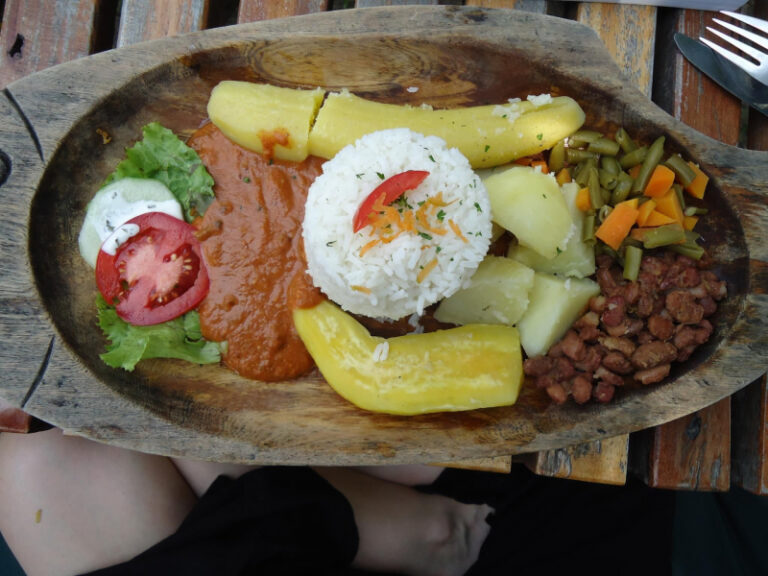
Kasava and beans are another common street food in the DRC. Kasava, also known as cassava, is a starchy root vegetable that is boiled or steamed and served with a bean stew. The bean stew is made from red beans, onions, tomatoes, and spices. Kasava and beans are a filling and nutritious meal that is popular among locals.

Makayabu

Makayabu is a popular street food snack in the DRC made from cassava leaves. The leaves are boiled, mashed, and mixed with peanut butter, onions, and spices. The mixture is then rolled into balls and fried until crispy. Makayabu is a flavorful and crunchy snack that is perfect for on-the-go eating.

Sumbala and Rice

Sumbala and rice is a savory dish that is commonly found in street food stalls in the DRC. Sumbala is a fermented sauce made from locust beans and is used as a seasoning for rice. The dish is often served with grilled meat or fish and is a staple food for many Congolese.

Beignets

Beignets are a sweet treat that can be found in street food stalls throughout the DRC. They are similar to doughnuts and are made from a dough of flour, yeast, and sugar. The dough is then deep-fried until golden brown and dusted with powdered sugar. Beignets are a popular snack for breakfast or dessert.

Grilled Meat and Fish

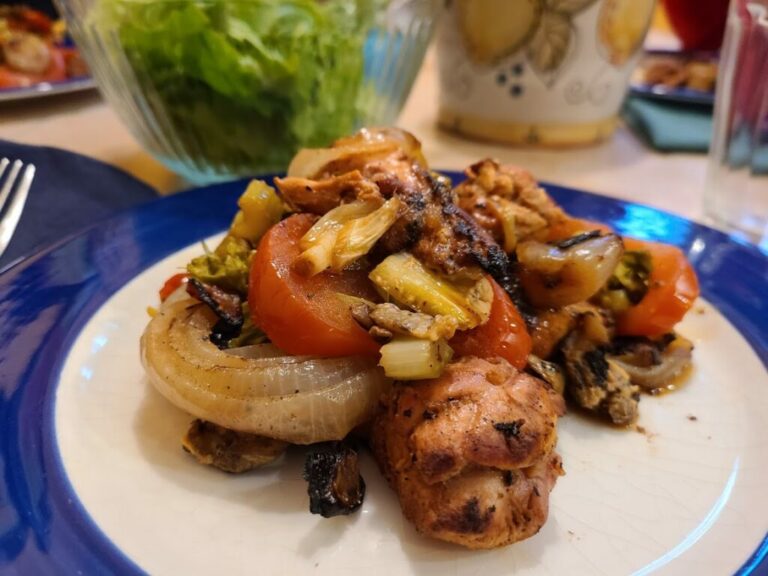
Grilled meat and fish are a favorite street food in the DRC. They are often marinated in a blend of spices and grilled over an open flame. The meat or fish is usually served with a side of plantains, rice, or vegetables. Grilled meat and fish are a tasty and satisfying meal that is enjoyed by many Congolese.

Introduction: The Culinary Culture of the Democratic Republic of the Congo

The Democratic Republic of the Congo (DRC) is a country with a rich culinary culture, influenced by its diverse ethnic groups and colonial history. Traditional Congolese cuisine is characterized by its use of starchy staples such as cassava and plantains, as well as a variety of meats, fish, and vegetables. Snacks and appetizers are an important part of Congolese cuisine, often served with drinks or before meals.

Fufu and Saka Saka: The Classic Congolese Appetizer Combo

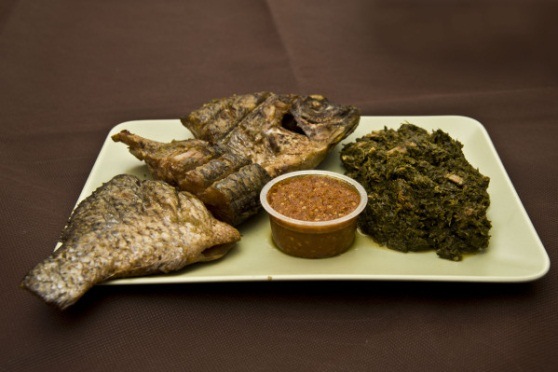
Fufu and saka saka is a classic appetizer combo in the DRC. Fufu is a starchy dough made from cassava, plantains, or yams, which is often dipped into a soup or stew. Saka saka is a dish made from pounded cassava leaves mixed with peanut butter and spices, which is served alongside the fufu. This appetizer is popular in both urban and rural areas of the country, and is often eaten for lunch or dinner.

Fried Plantains: A Popular Snack in the Democratic Republic of the Congo

Fried plantains are a popular snack in the DRC, especially in the western and central regions of the country. Plantains are sliced and deep-fried until crispy and golden-brown. They are often served with a spicy dipping sauce made from tomatoes, onions, and chili peppers. Fried plantains can be enjoyed as a tasty and filling snack on their own, or as a side dish to a main meal.

Kebabs: A Delicious Meat-Based Congolese Snack

Kebabs are a popular meat-based snack in the DRC. Cubes of beef or chicken are marinated in a mixture of spices and vegetables, and then grilled over an open flame. Kebabs are often served with a side of spicy sauce and a slice of lemon for added flavor. This snack is commonly found in street markets and is a favorite among locals and tourists alike.

Liboke: A Traditional Fish-Based Congolese Appetizer

Liboke is a traditional fish-based appetizer in the DRC, commonly found in coastal regions of the country. Fish fillets are marinated in a mixture of spices and vegetables, then wrapped in banana leaves and steamed over an open flame. The banana leaves impart a unique flavor to the fish, and the dish is often served with a side of cassava or plantains.

Samosas: A Tasty Indian-Inspired Snack in the DRC

Samosas are a tasty snack in the DRC, inspired by Indian cuisine. These triangular-shaped pastries are filled with a mixture of spiced vegetables or meat, then deep-fried until crispy and golden-brown. Samosas are often served with a side of chutney for added flavor. This snack is popular throughout the country and is often found in street markets and restaurants.

Maboke: A Gourmet Cassava Leaf-Based Snack in the Congo

Maboke is a gourmet cassava leaf-based snack in the Congo, commonly found in the capital city of Kinshasa. Cassava leaves are boiled with spices and vegetables, then served with a side of grilled meat or fish. This dish is often served in upscale restaurants and is a favorite among foodies and locals alike.

Conclusion: Exploring the Flavors of Democratic Republic of the Congo

The Democratic Republic of the Congo is a country with a rich culinary culture, full of delicious snacks and appetizers. From classic fufu and saka saka to Indian-inspired samosas, there is something for everyone to enjoy. Exploring the flavors of the DRC is a must for any food lover, and is sure to leave a lasting impression.

Introduction: Street Food in the DRC

Street food is a common sight in many African countries, and the Democratic Republic of the Congo (DRC) is no exception. Street food vendors can be found all over the country, selling a wide variety of dishes that are both affordable and convenient for locals and tourists alike. From grilled meats to fried snacks and fresh fruits, street food is a significant part of the culinary landscape of the DRC.

Historical Context: Origins of Street Food

Street food has a long history in Africa. In the DRC, street food is believed to have originated from the traditional markets that have been around for centuries. These markets were where people went to buy and sell goods, and over time, food vendors started to set up shop in these markets, offering a variety of dishes to hungry customers. Today, street food is an integral part of the DRC’s food culture, and many people rely on street vendors for their daily meals.

Economic Significance: Street Vendors in the DRC

Street vending is an important source of income for many people in the DRC. For many vendors, selling food on the streets is their primary means of earning a living. The low start-up costs and the ability to work flexible hours make street vending an attractive option for many people, particularly those who don’t have formal education or job skills. It is estimated that there are over 500,000 street vendors in the DRC, and they make a significant contribution to the country’s informal economy.

Governmental Regulations: Licensing and Permits

Despite the economic significance of street vending in the DRC, the government has long viewed it as an illegal activity. Street vendors are often subject to harassment and confiscation of their goods by the police. However, in recent years, the government has started to recognize the importance of street vending and has implemented measures to regulate it. Vendors are now required to obtain licenses and permits to operate legally, and some cities have designated specific areas where street vending is allowed.

Health and Safety Concerns: Hygiene and Sanitation

One of the biggest challenges facing street vendors in the DRC is maintaining adequate hygiene and sanitation standards. The lack of access to clean water and proper sanitation facilities makes it difficult for vendors to maintain a clean and safe environment for their customers. This can lead to the spread of food-borne illnesses and other health hazards. To address this issue, some organizations are working to provide vendors with training on food safety and hygiene practices.

Popular Street Foods: Must-Try Local Delicacies

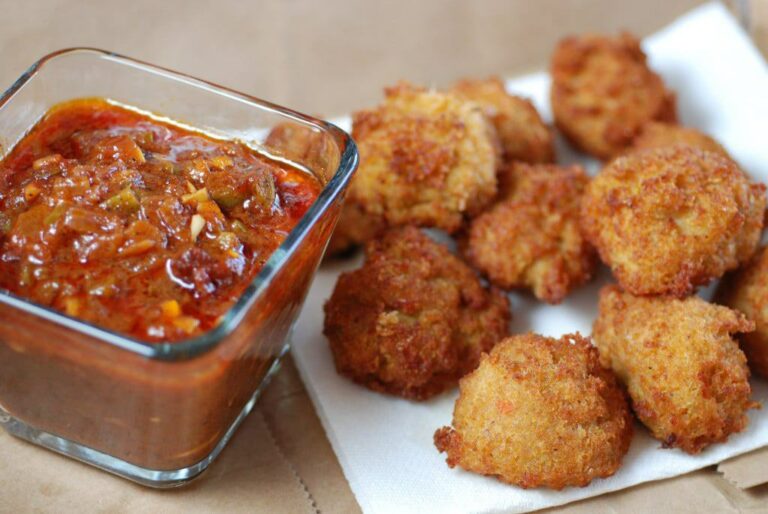
Some of the most popular street foods in the DRC include grilled meat skewers, fried plantains, and cassava fritters. Other popular dishes include sambusa, a fried pastry filled with meat or vegetables, and fufu, a starchy dish made from cassava or maize. Many of these dishes are served with spicy sauces and are often eaten with the hands.

Cultural Significance: Street Food and Social Bonding

Street food is not just about food; it is also about socializing and bonding. Many people in the DRC gather around street food vendors to eat, chat, and catch up with friends and family. Street food is often served in a communal setting, with people sitting together and sharing dishes. This communal aspect of street food is an important part of the country’s social fabric.

Conclusion: Future of Street Food in the DRC

Street food is a vital part of the food culture of the DRC, and it is likely to remain so for the foreseeable future. However, to ensure that street vending is safe and sustainable, the government needs to adopt policies that support vendors and promote food safety and hygiene. With the right policies and regulations in place, street vending can continue to provide a vital source of income for many people in the DRC while also contributing to the country’s food culture and social fabric.

Introduction: Street Food in the Democratic Republic of the Congo

Street food is a popular and ubiquitous form of food consumption in the Democratic Republic of the Congo (DRC). It is a significant part of the food culture and provides a source of income for many vendors. However, street food safety and hygiene are major concerns, as the practices of food handling and preparation can lead to contamination and the spread of foodborne illnesses.

Hygiene Standards for Street Food in the DRC

The DRC has established hygiene standards for street food vendors. These standards include the use of clean water for cooking, washing hands frequently, wearing hairnets, and storing food in clean and covered containers. Street food vendors are also required to have a permit from the local authorities and undergo regular health inspections to ensure compliance with hygiene standards.

Food Safety Regulations for Street Vendors

The DRC government has implemented food safety regulations for street vendors to maintain public health and safety. These regulations include the use of clean utensils and cooking equipment, the storage of food at proper temperatures, and the proper disposal of waste. The regulations also require street vendors to obtain food handling and safety training to ensure they are up-to-date with the latest food safety standards.

Food Handling Practices in the DRC

Food handling practices in the DRC are critical to ensuring street food safety. Street vendors must handle food with clean hands and use utensils that are washed frequently to avoid cross-contamination. They must also ensure that food is cooked at the appropriate temperature and served immediately to avoid contamination.

Environmental Health Inspections for Street Food

Environmental health inspections are carried out regularly by local authorities to ensure compliance with food safety regulations. Inspectors check for cleanliness, hygiene, and proper storage of food. Vendors who fail to meet these standards are subject to fines, suspension of their permits, or closure of their businesses.

Common Street Food Contaminants in the DRC

Common street food contaminants in the DRC include bacteria, viruses, and parasites. Contamination can occur through improper food handling, contaminated water, or the use of contaminated equipment or utensils. These contaminants can cause foodborne illnesses, including diarrhea, vomiting, and fever.

Health Risks Associated with Street Food in the DRC

Consuming contaminated street food can lead to a range of health risks in the DRC. The most common health risks associated with street food consumption include diarrhea, cholera, typhoid fever, and hepatitis A. These illnesses can be severe, and in rare cases, can even lead to death.

Conclusion: Ensuring Safe Street Food in the DRC

Maintaining proper hygiene standards and food safety regulations is essential to ensuring safe street food in the DRC. To minimize the risk of foodborne illnesses, street vendors must follow proper food handling practices, undergo regular health inspections, and obtain food safety training. Consumers can also protect themselves by being vigilant about the origin and quality of the food they consume. Through these measures, street food can continue to be a vital part of the food culture in the DRC while ensuring public health and safety.

Introduction: Traditional Breakfast in DRC

Breakfast is said to be the most important meal of the day, and in the Democratic Republic of the Congo (DRC), the morning meal is taken very seriously. Congolese breakfasts are known for their hearty and filling nature, with dishes that are a reflection of the country’s diverse culinary culture. Congolese breakfasts are made up of a combination of grains, vegetables, and proteins that offer a balance of nutrients to start the day off right.

Overview of Congolese Cuisine

Congolese cuisine is a reflection of the country’s cultural diversity, with a mix of African, European, and Middle Eastern influences. The cuisine varies significantly across different regions of the DRC, with each region offering its unique specialty dishes. The staple foods in Congolese cuisine include cassava, yams, plantains, and maize, which are often used to make starchy fillers such as fufu, kwanga, and chikwanga.

Popular Breakfast Dishes in DRC

Fufu and Peanut Butter Soup

Fufu is a starchy, dough-like substance made from cassava, yams, or plantains. It is often used as an accompaniment to soups and sauces and is a popular breakfast dish in the DRC. One of the most common soups served with fufu is peanut butter soup, which is made from ground peanuts, tomatoes, onions, and spices. This soup is hearty, filling, and packed with protein, making it an ideal breakfast option.

Kwanga and Fish

Kwanga is a fermented cassava dish that is popular in the western region of the DRC. It is often served with fish, which is either boiled or fried. The fish is typically marinated in spices overnight before being cooked, giving it a flavorful and tender texture. This dish is a favorite among locals and is often eaten as a breakfast or lunch option.

Chikwanga and Groundnut Sauce

Chikwanga is a traditional Congolese dish made from cassava flour and cooked in banana leaves. It is often served with groundnut sauce, which is made from ground peanuts, tomatoes, onions, and spices. This dish is a popular breakfast option in the eastern region of the DRC and is known for its unique texture and flavor.

Makayabu and Bean Soup

Makayabu is a fermented maize dish that is typically eaten in the northern region of the DRC. It is often served with bean soup, which is made from beans, tomatoes, onions, and spices. This dish is a great breakfast option for those who prefer a savory and filling meal to start their day.

Conclusion: Savoring DRC’s Breakfast Delights

In conclusion, the Democratic Republic of the Congo offers a range of unique and delicious breakfast options that are reflective of its diverse culinary culture. From fufu and peanut butter soup to kwanga and fish, there is something for everyone to enjoy. So the next time you are in the DRC, be sure to try out these traditional breakfast options and savor the unique flavors that this vibrant country has to offer.

Introduction: Popular Meat Dishes in the DRC

The Democratic Republic of the Congo (DRC) is a country in Central Africa with a rich and diverse cuisine. The traditional Congolese cuisine features an array of meat dishes, ranging from beef and goat to fish and exotic meats like porcupine and crocodile. Meat is a staple in Congolese cuisine, and it is often cooked in stews and soups with vegetables, spices, and herbs.

Beef Dishes: A Staple in Congolese Cuisine

Beef is one of the most popular meats in the DRC, and it is often used in traditional dishes like “Sukuma Wiki,” a beef stew made with spinach, and “Mchuzi wa Nyama,” a beef curry with tomatoes and spices. Another popular beef dish is “Brochette,” which is skewered beef seasoned with spices and grilled over a fire. Beef is also used in making sausages, such as “Ngulu,” a spicy beef sausage.

Goat Meat: A Favorite Amongst Locals

Goat meat is a favorite amongst the locals in the DRC, and it is often used in traditional dishes like “Nyama Choma,” a grilled goat meat dish, and “Mchuzi wa Mbuzi,” a goat meat curry with vegetables and spices. Goat meat is also used in making sausages, such as “Ndizi Nyama,” a goat meat sausage seasoned with spices. Goat meat is popular in the DRC because it is lean and flavorful, and it is often used in celebrations and special occasions.

Chicken: Versatile and Delicious in Congolese Cooking

Chicken is a versatile and delicious meat that is used in various dishes in Congolese cooking. Chicken is often used in stews and soups, such as “Chicken Cassava Leaves Stew” and “Chicken Peanut Butter Stew.” Chicken is also grilled and seasoned with spices, such as “Poulet Yassa,” a grilled chicken dish marinated in lemon and onions. Chicken is a popular meat in the DRC because it is affordable and easy to find.

Fish: A Key Ingredient in DRC Cuisine

Fish is a key ingredient in Congolese cuisine, as the country is rich in rivers and lakes. Fish is often used in stews and soups with vegetables and spices, such as “Fish Moambe,” a fish stew made with palm oil and spinach. Fish is also grilled and seasoned with spices, such as “Ntili Ntili,” a grilled fish dish seasoned with garlic and ginger. Fish is a popular meat in the DRC because it is nutritious and widely available.

Porcupine: An Exotic and Unique Meat

Porcupine meat is an exotic and unique meat that is used in traditional dishes in the DRC. Porcupine meat is often cooked in stews and soups with vegetables and spices, such as “Porcupine Peanut Butter Stew.” Porcupine meat is also grilled and seasoned with spices, such as “Grilled Porcupine with Tamarind Sauce.” Porcupine meat is a rare delicacy in the DRC, and it is often reserved for special occasions.

Crocodile: A Rare Delicacy in Congolese Cuisine

Crocodile meat is a rare delicacy in Congolese cuisine, and it is often used in traditional dishes like “Grilled Crocodile with Mango Salsa.” Crocodile meat is also used in stews and soups with vegetables and spices, such as “Crocodile Peanut Butter Stew.” Crocodile meat is a unique and exotic meat, and it is often reserved for special occasions and celebrations.

Insects: A Protein-Packed Alternative to Traditional Meat

Insects like grasshoppers and caterpillars are a protein-packed alternative to traditional meat in Congolese cuisine. Insects are often fried or roasted and seasoned with spices, such as “Fried Grasshoppers with Spices.” Insects are also used in stews and soups with vegetables and spices, such as “Caterpillar Stew.” Insects are a popular protein source in the DRC because they are affordable and widely available.

Introduction: Seafood in Dominican cuisine

When it comes to Dominican cuisine, seafood plays an important role in shaping the country’s culinary identity. The country’s location in the Caribbean Sea and the Atlantic Ocean provides an abundance of shrimp, lobster, fish, and other seafood. Dominicans love to cook with seafood, and it is an integral part of their daily diet.

Rich seafood traditions in Dominican Republic

Seafood has been an important part of Dominican cuisine for centuries. The Taínos, the indigenous people of the Dominican Republic, used seafood as a staple in their diet. After the arrival of the Spanish, new ingredients were introduced, and seafood dishes evolved. Today, seafood dishes in the Dominican Republic reflect the country’s rich culinary heritage, blending indigenous, African, and European influences.

Popular seafood dishes in Dominican cuisine

Dominican cuisine boasts a wide variety of seafood dishes, including ceviche, stewed fish, and seafood rice. One of the most popular dishes is “pescado con coco” – fish cooked in coconut milk and served with rice and beans. Another popular dish is “chillo frito” – fried red snapper that is seasoned with a blend of spices and herbs. “Langostinos al ajillo” – shrimp sautéed in garlic and butter – is another popular seafood dish that you simply cannot miss.

The influence of indigenous and African cuisine

The Taínos heavily influenced Dominican cuisine, and their love for seafood can still be seen today. They used seafood in many of their dishes, including “caldo de pescado,” a fish soup that is still popular in the Dominican Republic. African cuisine also played a significant role in shaping Dominican cuisine. The African slaves brought with them a love for spicy food, which is reflected in many of the country’s seafood dishes.

Sustainability and fishing practices in DR

Sustainability is a growing concern in the Dominican Republic, and the government is taking steps to promote responsible fishing practices. The Dominican Republic has implemented laws to protect endangered species, and there are strict regulations on fishing methods and gear. Local fishermen are also taking steps to promote sustainability by using traditional fishing methods and avoiding overfishing.

Seafood markets and local ingredients

The Dominican Republic is blessed with an abundance of fresh seafood, and the local markets are a great place to find the best ingredients. Mercado Modelo in Santo Domingo is one of the most popular markets, where you can find everything from lobster to octopus. Many of the local markets also sell a wide variety of fresh produce, including plantains, yucca, and avocados, which are often used in seafood dishes.

Pairing seafood with traditional drinks

When it comes to pairing seafood with drinks, Dominican cuisine has a few traditional options. One popular choice is “Mamajuana,” a traditional Dominican drink made with rum, red wine, and honey. Another popular drink is “Morir Soñando,” a refreshing blend of orange juice and milk.

Conclusion: Exploring the flavors of DR seafood

The Dominican Republic’s rich culinary heritage is reflected in its seafood dishes. From the indigenous Taíno people to the African slaves, the country’s seafood traditions have been shaped by a wide range of cultures. Whether you’re enjoying a bowl of caldo de pescado or savoring a plate of chillo frito, every bite of Dominican seafood is bursting with flavor and history.

Introduction: Discovering Street Food in the Dominican Republic

If you’re a foodie who loves trying new things, you’ll be in heaven when you visit the Dominican Republic. This Caribbean country is known for its delicious cuisine, and street food is a key part of that. You can find vendors selling all sorts of tasty treats on the streets of cities and towns across the country. From classic breakfast dishes to savory sandwiches and crispy snacks, there’s something for everyone to enjoy. In this article, we’ll take a look at some of the most popular street foods in the Dominican Republic.

Mangu: The Iconic Breakfast Dish You Can Find Anywhere

Mangu is a beloved breakfast dish that’s considered a national treasure in the Dominican Republic. It’s made from mashed plantains that are boiled and then blended with butter, salt, and milk. The result is a smooth and creamy puree that’s usually served with fried eggs, cheese, and salami. Mangu is a hearty and filling breakfast that’s perfect for starting your day off right. It’s so popular that you can find it just about anywhere – from street vendors to high-end restaurants.

Chicharrón: A Crispy and Mouth-Watering Delight

Chicharrón is a crispy and delicious snack that’s made from pork rinds. The rinds are boiled, then fried until they’re golden and crispy. They’re often served with a side of lime juice and hot sauce for dipping. Chicharrón is a favorite among locals and tourists alike, and it’s a great snack to enjoy on the go. You can find it at street food stalls and markets throughout the Dominican Republic.

Empanadas: A Delicious Snack to Satisfy Your Cravings

Empanadas are a popular snack food in the Dominican Republic. They’re small, savory turnovers that are filled with a variety of ingredients, such as beef, chicken, cheese, or vegetables. They’re usually deep-fried until they’re golden and crispy, and they’re often served with a side of hot sauce for dipping. Empanadas are a great snack to have on hand when you’re out and about, and they’re sold at many street food stalls and markets throughout the country.

Chimichurri: A Savory and Filling Sandwich for Lunchtime

Chimichurri is a hearty sandwich that’s perfect for lunchtime. It’s made with a soft, fluffy bread roll that’s stuffed with a variety of fillings, such as chicken, pork, or beef. It’s then topped with lettuce, tomatoes, onions, and a variety of sauces. Chimichurri is a filling meal that’s perfect for when you need a quick and satisfying lunch on the go. You can find it at many street food stalls and markets throughout the Dominican Republic.

Yaniqueques: The Perfect Snack for a Day at the Beach

Yaniqueques are a popular snack food in the Dominican Republic that’s perfect for a day at the beach. They’re thin, crispy fried dough that’s often dusted with sugar or salt. They’re usually served with a side of lime juice or hot sauce for dipping. Yaniqueques are a great snack to enjoy while lounging on the beach, and they’re sold at many street food stalls and markets along the coast.

Arepas: A Venezuelan Classic with a Local Twist

Arepas are a classic Venezuelan street food that’s also popular in the Dominican Republic. They’re small, round cakes made from cornmeal that are grilled or fried until they’re crispy on the outside and fluffy on the inside. They’re usually filled with a variety of ingredients, such as cheese, meat, or vegetables. Arepas are a great snack or meal that’s perfect for when you’re on the go. You can find them at many street food stalls and markets throughout the Dominican Republic.

Tostones: A Versatile Side Dish for Any Meal

Tostones are a side dish that’s made from fried green plantains. They’re crispy on the outside and soft on the inside, and they’re often served with a side of lime juice or hot sauce for dipping. Tostones are a versatile dish that can be served with just about any meal, and they’re sold at many street food stalls and markets throughout the Dominican Republic. Whether you’re having them as a side dish or a snack, tostones are a delicious and satisfying treat that you won’t want to miss.

Introduction: Street Food in the Dominican Republic

The Dominican Republic is not only famous for its stunning beaches and vibrant culture, but also for its delicious street food. The country’s cuisine has been influenced by African, European, and Indigenous traditions, resulting in a unique blend of flavors and dishes. From savory empanadas to sweet churros, the street food scene in the Dominican Republic is a must-try for any food lover.

In this article, we will explore some of the best street food markets and areas in the Dominican Republic that are worth visiting. Whether you’re a local or a tourist, these places offer a glimpse into the country’s culinary heritage and provide an authentic dining experience that is both affordable and delicious.

Santo Domingo: The Capital’s Street Food Scene

Santo Domingo, the capital of the Dominican Republic, is home to a vibrant street food scene that is sure to satisfy any type of craving. The most popular street food market is located in the Colonial Zone, where you can find a variety of dishes such as grilled meat skewers, fried plantains, and seafood snacks. Another must-visit spot is the Mercado Modelo, where you’ll find a maze of stalls selling everything from fresh fruit to handmade crafts. Don’t miss out on trying the famous “sancocho,” a hearty stew made with meat, vegetables, and plantains.

La Vega: The Home of Authentic Dominican Flavors

Located in the heart of the Cibao Valley, La Vega is known for its vibrant carnival celebrations and delicious food. The street food scene here is a true reflection of the country’s culinary traditions, with dishes such as “mangú” (mashed plantains), “yuca con mojo” (cassava with garlic sauce), and “asopao” (rice stew with chicken or seafood). The best time to visit La Vega is during its annual “Feria del Mango,” a festival celebrating the local fruit and its many uses in cooking.

Santiago: A Street Food Haven in the North

Santiago, the second-largest city in the Dominican Republic, is a hub for street food that caters to all tastes and budgets. From food trucks to traditional stalls, there are plenty of options to choose from. Some of the most popular dishes include “chicharrón” (fried pork rinds), “pastelitos” (pastries filled with meat or cheese), and “chimis” (burger-like sandwiches made with beef or chicken). For a more upscale street food experience, head to the “Paseo de los Locos,” a strip of food stalls that offer fusion cuisine and craft beer.

Puerto Plata: Coastal Delights and Local Favorites

Located on the north coast of the Dominican Republic, Puerto Plata is a popular tourist destination that also offers a variety of street food options. The Malecón, a seaside promenade, is a great place to try some of the local favorites such as “tostones” (fried plantains), “arepas” (cornmeal cakes filled with cheese or meat), and “ceviche” (marinated seafood). If you’re looking for something sweet, don’t miss out on “bizcocho de yuca,” a cake made with cassava flour and coconut milk.

Punta Cana: Where Street Food Meets Tourists

As one of the top tourist destinations in the Caribbean, Punta Cana may not be the first place that comes to mind when thinking of street food. However, there are still plenty of options to explore beyond the resort buffets. Head to Bavaro Beach to find stalls selling fresh coconuts, grilled fish, and “patacones” (smashed and fried plantains). If you’re feeling adventurous, try “mofongo,” a dish made with mashed plantains and meat or seafood.

Rural Areas: Exploring Street Food Beyond the Cities

While the cities offer a diverse range of street food options, some of the best dishes can be found in the rural areas of the Dominican Republic. From “sopa de mondongo” (tripe soup) to “pescado con coco” (fish with coconut sauce), the countryside is full of local specialties that are sure to delight your taste buds. Don’t be afraid to venture off the beaten path and explore the smaller towns and villages for a truly authentic street food experience.

Safety and Hygiene: What to Consider When Eating Street Food in the DR

While street food in the Dominican Republic is generally safe and delicious, it’s important to take precautions to avoid any potential health risks. Make sure to choose stalls that have a good reputation and are busy with locals, as this is a good sign of quality and freshness. Also, be mindful of the hygiene practices of the vendors, and avoid any food that looks like it has been sitting out for too long. Finally, don’t forget to wash your hands before and after eating, and bring your own utensils if possible. With these tips in mind, you can enjoy the street food scene in the Dominican Republic without worrying about getting sick.