Tag

significance

Browsing

Introduction: Uruguayan cuisine

Uruguayan cuisine is a reflection of the country’s diverse cultural heritage. The cuisine is a blend of indigenous, African, European, and other immigrant influences. Uruguay is known for its barbecued meat, particularly beef, but there is much more to the country’s cuisine. Uruguayans have a strong culinary tradition, and they take pride in their food and its cultural and historical significance.

The cultural and historical roots of Uruguayan cuisine

Uruguay’s cuisine has its roots in indigenous cuisine, which relied heavily on corn, beans, and other native vegetables. African slaves brought their culinary traditions to Uruguay during the colonial period, including the use of spices and herbs in cooking. European immigrants, mainly from Italy and Spain, also contributed to the country’s culinary tradition with their own recipes and cooking techniques. The result is a unique blend of flavors and techniques that make Uruguayan cuisine stand out.

A taste of traditional Uruguayan dishes

Some of the most traditional Uruguayan dishes include asado, a type of barbecued meat, chivito, a sandwich with meat, cheese, and vegetables, and empanadas, a pastry filled with meat, vegetables, or cheese. Other popular dishes include milanesa, a breaded and fried meat cutlet, and puchero, a stew made with meat, vegetables, and beans. These dishes are often served with mate, a traditional South American drink made from the leaves of the yerba mate plant.

Iconic Uruguayan dishes and their historical significance

Asado, Uruguay’s national dish, has a long history and cultural significance. The dish is typically prepared with beef, but other meats such as pork, lamb, and chicken are also used. Asado is not just a meal; it is a social event that brings families and friends together. It is often accompanied by music, drinks, and conversation, making it a true celebration of Uruguayan culture.

Another iconic dish is chivito, which was created in the 1940s by a restaurant owner looking to create a sandwich that would appeal to American tourists. The sandwich, which is made with beef, ham, cheese, lettuce, tomato, and mayonnaise, has become a staple of Uruguayan cuisine and is now enjoyed by both locals and tourists alike.

The influence of neighboring countries in Uruguayan cuisine

Uruguay’s cuisine has been influenced by its neighboring countries, particularly Argentina and Brazil. Asado, for example, is also a popular dish in Argentina, while feijoada, a stew made with beans and meat, is a popular Brazilian dish that has become a part of Uruguayan cuisine. These influences have helped to shape Uruguayan cuisine and make it even more diverse.

Conclusion: Preserving and celebrating Uruguayan culinary traditions

Uruguayan cuisine is an essential part of the country’s cultural heritage. It reflects the country’s diverse roots and history, and it is an important part of the country’s identity. As such, it is important to preserve and celebrate these culinary traditions. By doing so, we can ensure that future generations can continue to enjoy the unique flavors and techniques of Uruguayan cuisine.
Introduction: The Importance of Asado in Uruguayan Culture

Asado, the Spanish term for barbecue, is an integral part of Uruguayan cuisine and culture. It is not just a way of cooking meat, but also a social event that brings people together. Asado is more than just a meal; it is a ritual that is deeply ingrained in the Uruguayan way of life. Asado is considered a national dish of Uruguay and is celebrated in festivals and family gatherings.

The History of Asado in Uruguay

Asado has been an important part of Uruguayan culture for centuries. The origins of asado can be traced back to the gauchos, who were the cowboys of the South American pampas. The gauchos used to cook their meals on an open fire of wood, which gave the meat a unique smoky flavor. This tradition was later adopted by the urban population, and asado became a popular way of cooking meat in Uruguay.

The Different Cuts of Meat Used for Asado

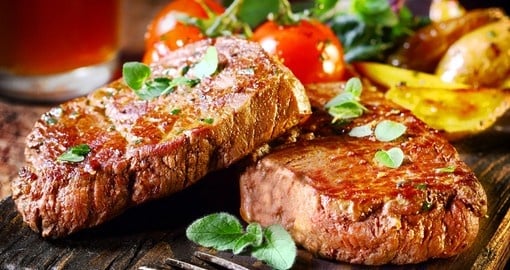
Asado is typically made with beef, which is a staple in the Uruguayan diet. The most popular cuts of meat used for asado are vacio (flank steak), asado de tira (short ribs), and entraña (skirt steak). These cuts are marinated in a mixture of oil, salt, and herbs before being grilled over wood or charcoal.

The Traditional Method of Preparing Asado

The traditional method of preparing asado involves cooking the meat over a wood fire, which gives it a smoky flavor. The meat is usually cooked on a metal grill, known as a parrilla, which is placed over the fire. The heat is regulated by moving the coals closer or further away from the grill. Asado is typically cooked slowly, which helps to tenderize the meat and infuse it with flavor.

The Social Significance of Asado in Uruguayan Culture

Asado is not just a meal, but a social event that brings people together. It is a way of celebrating life, family, and friends. Asado is often prepared on weekends and holidays, and it is a common sight to see families and friends gathered around a parrilla, enjoying a meal together. Asado is a symbol of hospitality and is a way of welcoming guests into one’s home.

Asado’s Role in National Celebrations and Festivals

Asado is an important part of Uruguayan national celebrations and festivals. It is a common sight to see large asados being prepared in public parks and squares during festivals and holidays. Asado is a way of celebrating Uruguayan culture and tradition, and it is a way of bringing people together. Asado is an important part of Uruguayan identity, and it is something that is cherished and celebrated by the Uruguayan people.

Introduction: Uzbek Cuisine and Its Cultural Significance

Uzbek cuisine is a blend of the cooking traditions of Central Asia and the Middle East. Its unique combination of flavors and spices reflects the country’s history and geography, as well as the cultural influences that have shaped its culinary traditions. Uzbek cuisine is an essential part of the country’s cultural heritage, and its dishes have significant historical and cultural importance.

Historical Significance of Uzbek Cuisine

Uzbek cuisine has a rich history that dates back to the ancient Silk Road trade routes that once connected China to Europe. The region’s nomadic tribes and pastoral communities developed a cuisine that relied on dairy products, meat, and grains. Over time, Uzbek cuisine absorbed elements from the cuisines of surrounding countries, including Russia, China, and Persia. The result is a unique blend of flavors and ingredients that is unmistakably Uzbek.

Traditional Uzbek Dishes and Their Ingredients

Uzbek cuisine is known for its hearty and flavorful dishes, many of which are made with lamb, beef, or chicken. Some of the most popular ingredients in Uzbek cuisine include rice, vegetables, dried fruits, and nuts. Spices like cumin, coriander, and red pepper are also commonly used. Uzbek cuisine is known for its rich, complex flavors and the use of multiple spices in each dish.

Uzbek Pilaf: A National Dish with a Rich History

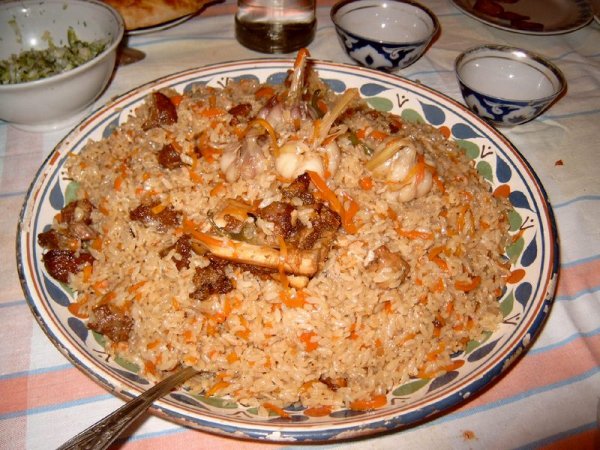
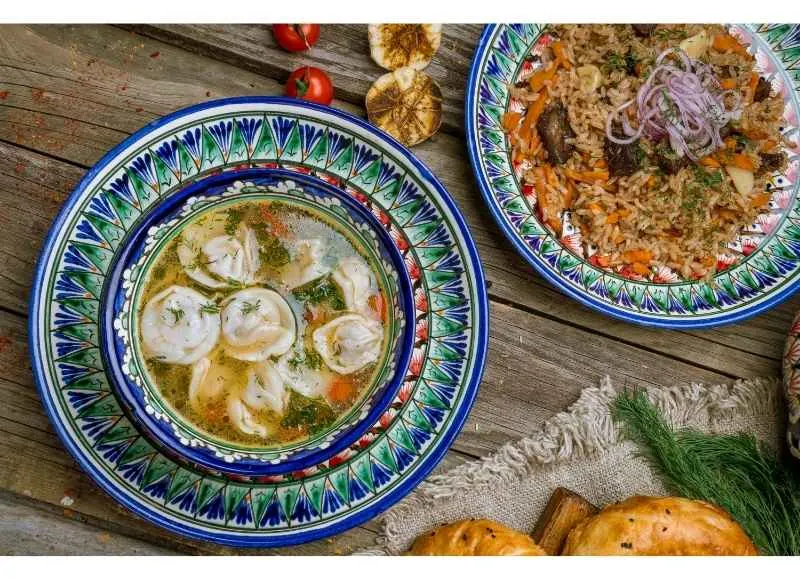
Uzbek pilaf is a national dish that has been a staple of Uzbek cuisine for centuries. It is made with rice, meat, and vegetables, and flavored with a variety of spices. The dish is traditionally cooked in a large pot called a kazan, which is placed over an open fire. The meat and vegetables are first sautéed in oil, then the rice is added along with water or broth. The dish is served as a main course or a side dish, and is often accompanied by salads, pickles, and yogurt.

Samsa: A Popular Uzbek Pastry with a Unique Taste

Samsa is a popular pastry in Uzbek cuisine that is similar to a meat-filled turnover. The pastry is made with a thin, flaky dough that is filled with spiced meat and onions. The pastry is then baked in a tandoor, a clay oven, until it is golden brown and crispy. Samsa can be eaten as a snack or as a meal, and is often served with a side of yogurt or a cup of tea.

Sumalak: A Cultural Uzbek Dish with a Symbolic Meaning

Sumalak is a traditional Uzbek dish that is made from sprouted wheat, water, and sugar. It is a dish that is prepared during the celebration of Navruz, the Persian New Year. Sumalak is prepared by soaking wheat in water for several days until it sprouts, then boiling the sprouts until they form a thick, porridge-like consistency. The dish is then sweetened with sugar and served during Navruz celebrations. Sumalak has a symbolic meaning for Uzbeks, representing the renewal of life and the coming of spring.

Introduction: Pilaf (Plov) in Uzbek Cuisine

Uzbekistan is known for its rich cultural heritage, and the country’s cuisine is no exception. One of the most iconic dishes of Uzbek cuisine is pilaf, also known as plov. Pilaf is a dish that is made with rice, meat, and vegetables, and it is a staple in Uzbek cuisine. Pilaf is considered to be the national dish of Uzbekistan, and it is often served at weddings, family gatherings, and other special occasions.

History and Origins of Pilaf in Uzbekistan

The history of pilaf in Uzbekistan can be traced back to the 10th century. It is believed that the dish was brought to the region by Arab invaders, who introduced rice to the area. Over time, the dish evolved and became an integral part of Uzbek cuisine. The dish was initially prepared with lamb, but over time, other meats such as beef and chicken were also used. Today, there are many different variations of pilaf, and each region of Uzbekistan has its own unique style and preparation method.

Ingredients and Preparation Method of Pilaf

Pilaf is made with rice, meat, and a variety of vegetables. Onions, carrots, and garlic are often used in the preparation of pilaf, and spices such as cumin, coriander, and black pepper are also commonly used. The meat used in the dish can be lamb, beef, or chicken, and it is often browned before being added to the rice. The rice is then cooked with water or broth, along with the meat and vegetables. The dish is typically cooked in a large pot or cauldron over an open flame, which gives it a unique flavor and texture.

Variations of Pilaf in Different Regions of Uzbekistan

There are many different variations of pilaf in Uzbekistan, and each region has its own unique style and preparation method. For example, in Bukhara, a city in western Uzbekistan, the pilaf is made with raisins and chickpeas. In Tashkent, the capital city of Uzbekistan, the pilaf is made with lamb and carrots. In Samarkand, a city located in central Uzbekistan, the pilaf is made with beef, onions, and carrots.

Cultural Significance of Pilaf in Uzbek Society

Pilaf is more than just a dish in Uzbek society. It is a symbol of hospitality, and it is often served as a way to welcome guests into the home. It is also a symbol of unity and togetherness, as families and communities gather to share a meal of pilaf. In addition, pilaf is often used in religious ceremonies, such as weddings and funerals.

Conclusion: Importance of Pilaf in Uzbek Cuisine and Culture

Pilaf is a dish that is deeply rooted in Uzbek cuisine and culture. It is a symbol of hospitality, unity, and togetherness, and it is an integral part of special occasions and religious ceremonies. The dish has a rich history and has evolved over time, with each region of Uzbekistan adding its own unique twist to the recipe. Pilaf is a dish that is not only delicious but also holds great cultural significance in Uzbek society.

Introduction: Arepas in Venezuelan Culture and Cuisine

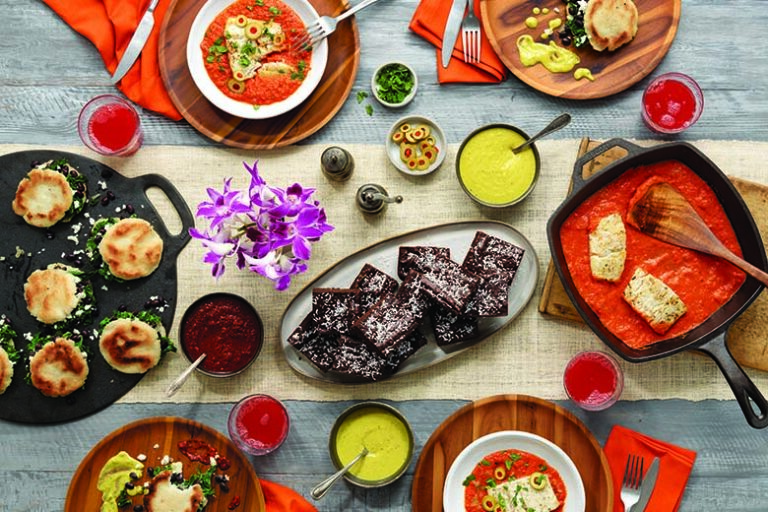
Arepas are a type of flatbread made from corn flour that hold a significant place in Venezuelan culture and cuisine. These arepas are versatile and can be filled with a variety of ingredients such as cheese, meat, fish, and vegetables. They are a staple food in Venezuela and are enjoyed by people of all ages.

Historical and Cultural Roots of Arepas

The origin of arepas can be traced back to the indigenous tribes of Venezuela who used to make a type of flatbread from cornmeal. The Spanish colonizers who arrived in Venezuela in the 16th century also adopted the use of cornmeal and began making their version of arepas. Over time, the recipe evolved, and arepas became a popular food item in Venezuela. Today, arepas are a symbol of the country’s cultural identity and are an essential part of festivals and celebrations.

The Role of Arepas in Venezuelan Cuisine

Arepas are a versatile food item that can be eaten at any time of the day. In Venezuela, arepas are commonly eaten for breakfast, lunch, and dinner. They are often filled with cheese, meat, avocado, or beans and served with a side of salad or soup. Arepas are also popular street food and can be found in food trucks, markets, and restaurants across the country. Venezuelans love arepas so much that they even celebrate National Arepa Day every year on September 8th.

Arepas: A Staple Food in Venezuela

Arepas are a staple food in Venezuela and are a significant part of the country’s cuisine. They are affordable, easy to make, and can be prepared with a range of ingredients. In Venezuela, arepas are considered a comfort food, and many people have fond memories of eating them with their families. Arepas are also a portable food item and are popular with people who need a quick and filling meal on the go.

Preparing and Serving Arepas

Arepas are an easy food item to prepare. The cornmeal dough is mixed with water and salt and then shaped into small discs. The arepas are then cooked on a griddle, in an oven, or even on a barbecue. Once cooked, arepas can be filled with a variety of ingredients and served hot or cold. In Venezuela, arepas are often served with a side of salad, soup, or a hot beverage.

Conclusion: The Symbolism of Arepas in Venezuelan Identity

Arepas are more than just a food item in Venezuela; they are a symbol of the country’s cultural identity. They represent the history of the indigenous people and the influence of Spanish colonization. Arepas are also a testament to the resilience of the Venezuelan people who have had to endure economic and political challenges in recent years. For Venezuelans, arepas are more than just a meal; they are a source of pride and a symbol of their national identity.

Introduction: The Role of Lamb in Yemeni Culture

Lamb has an essential role in Yemeni culture and cuisine. It is a staple food and an integral part of Yemeni cuisine, which is famous for its delicious and diverse lamb dishes. Yemeni people have a long history of raising lamb, and it has a significant cultural and historical significance in the country. Lamb is also an important part of Yemeni celebrations and plays a crucial role in Yemeni social customs.

The Historical Significance of Lamb in Yemen

Lamb has been an essential part of Yemeni history for centuries. Yemen has a long tradition of nomadic herders, and lamb has played a vital role in their survival. In the past, Yemenis used to trade and sell lamb to other countries in the region. Yemeni herders would migrate to the highlands during the summer months, where they would graze their flock on fresh grass and herbs. The meat from these lambs was considered to be of the highest quality, and it was highly sought after in the market.

Lamb in Yemeni Cuisine: Traditional Dishes

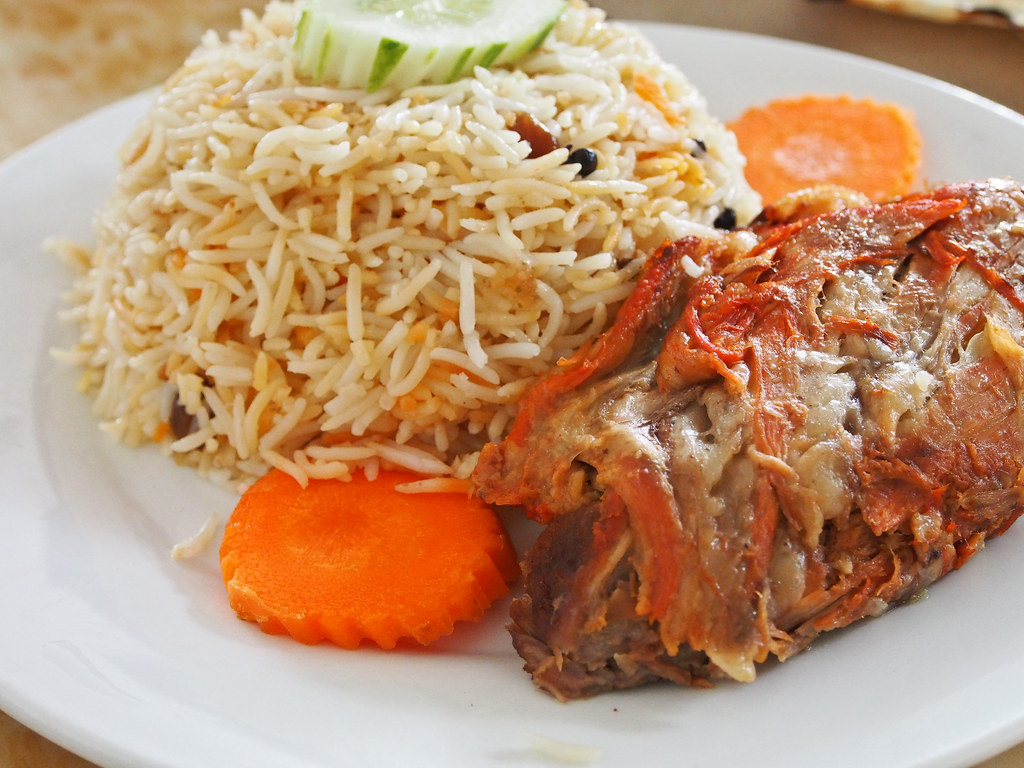
Lamb is a fundamental ingredient in traditional Yemeni dishes. Some of the most popular Yemeni lamb dishes include lamb haneeth, lamb mandi, and lamb shawarma. Lamb haneeth is a dish of slow-roasted lamb that is cooked in an underground oven for several hours, resulting in incredibly tender meat. Lamb mandi is a flavorful dish of spiced rice and tender lamb that is also cooked in an underground oven. Lamb shawarma is a popular street food in Yemen, consisting of roasted lamb meat that is sliced and served in a wrap or pita bread.

Lamb in Festive Occasions and Celebrations

Lamb plays an essential role in Yemeni festive occasions and celebrations. It is often served during special events such as weddings, Eid al-Fitr, and Eid al-Adha. During these occasions, lamb is cooked in large quantities and shared with family, friends, and neighbors. In Yemeni culture, sharing food is a sign of hospitality and generosity, and lamb is a perfect example of this cultural tradition.

Cultural Significance of Lamb in Yemeni Society

Lamb has significant cultural significance in Yemeni society. It is considered a symbol of wealth and prosperity and is often used to show gratitude and respect. Yemeni people have a strong attachment to their land and culture, and lamb is an essential part of their cultural heritage. In Yemeni culture, lamb is also associated with hospitality and generosity, and it is often served to guests as a sign of respect and welcome.

Conclusion: The Enduring Importance of Lamb in Yemeni Culture

Lamb has an important place in Yemeni culture and cuisine. It has a rich history in the country and is an integral part of Yemeni traditions and customs. Yemeni people have a strong attachment to lamb, and it plays a significant role in their daily lives and festive occasions. The enduring importance of lamb in Yemeni culture is a testament to the country’s rich heritage and cultural identity.

Introduction: What is pho?

Pho is a Vietnamese soup consisting of broth, rice noodles, herbs, and meat (usually beef or chicken). It is one of the most popular dishes in Vietnamese cuisine and is enjoyed by people all over the world. Pho is usually served with a plate of fresh herbs, lime wedges, and chili peppers, which can be added to the soup according to individual taste.

The history and origin of pho

The origins of pho can be traced back to the late 19th century, when Vietnam was still a French colony. It is believed that pho was inspired by French beef stew, which was introduced to Vietnam by the French colonizers. The Vietnamese adapted the recipe to suit their tastes and added local ingredients such as rice noodles and herbs. Pho became popular among the working classes in Hanoi and Saigon, who would enjoy a bowl of pho for breakfast or lunch.

The role of pho in Vietnamese culture

Pho is more than just a dish in Vietnamese culture; it is a symbol of national identity and pride. Pho represents the resilience and resourcefulness of the Vietnamese people, who were able to adapt foreign influences to create a dish that is uniquely their own. Pho is also a symbol of family and community, as it is often served at family gatherings and community events.

The nutritional value of pho

Pho is a nutritious and healthy dish that is low in fat and calories. The broth is made from beef or chicken bones, which are simmered for several hours to extract all the nutrients and flavor. Rice noodles provide complex carbohydrates, while herbs such as basil and cilantro provide essential vitamins and minerals.

The popularity of pho in Vietnam and worldwide

Pho is one of the most popular dishes in Vietnam and is enjoyed by people of all ages and backgrounds. It is also gaining in popularity worldwide, with pho restaurants popping up in cities all over the world. Pho has become a cultural export for Vietnam, introducing people to the country’s rich culinary traditions.

Conclusion: Pho as a cultural and culinary symbol of Vietnam

Pho is more than just a dish; it is a cultural and culinary symbol of Vietnam. It represents the country’s history, identity, and resilience. Pho has become a global phenomenon, introducing people all over the world to the rich and vibrant flavors of Vietnamese cuisine. Whether enjoyed at a street vendor in Hanoi or a trendy restaurant in New York, pho continues to be a beloved dish that brings people together.

Introduction: Sadza, the Staple Food of Zimbabwe

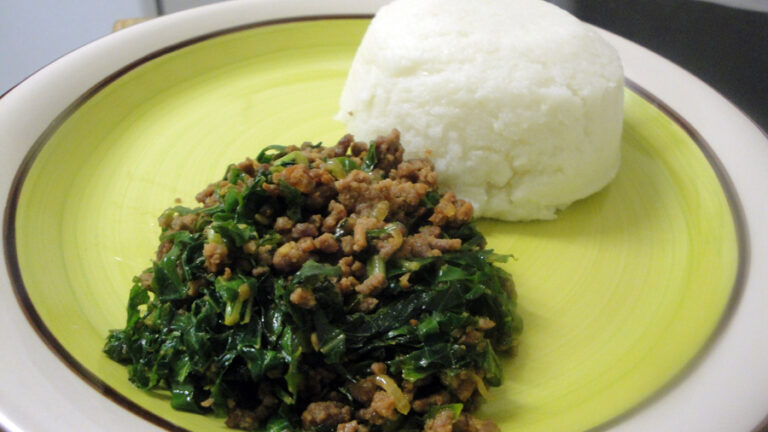
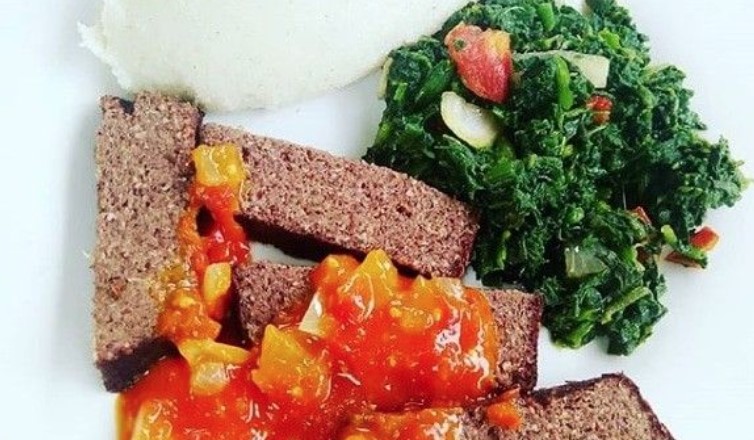
Sadza is a dish that is synonymous with the culture and traditions of Zimbabwe. It is a thick porridge made from white cornmeal, also known as maize meal, and is the country’s staple food. Sadza is often served with a variety of relishes, including meat, vegetables, and beans, making it a versatile meal that can be enjoyed at any time of the day.

Historical and Cultural Significance of Sadza

Sadza has a long history in Zimbabwean culture, dating back to the time of the Shona people who were the first to cultivate maize in the region. The dish was initially used as a form of currency, and it was also considered a sign of wealth and prosperity. Sadza played a vital role in social gatherings and ceremonies, symbolizing unity and the coming together of families and communities.

Preparation and Serving of Sadza in Zimbabwean Culture

To prepare sadza, maize meal is mixed with water and cooked over a low heat until it forms a thick porridge. It is then served in a large communal dish, with each person using their hands to scoop up a portion of the sadza and dip it into the accompanying relish. Sharing a communal dish of sadza is a sign of togetherness and respect, as it is a way of sharing a meal and connecting with others.

Social Significance of Sadza in Zimbabwean Culture

Sadza is much more than just a meal in Zimbabwean culture. It is a symbol of unity and togetherness, representing the values of community and sharing. Sharing a meal of sadza is a way of bringing people together, and it is often used as a tool for resolving conflicts and building relationships. It is also a way of showing hospitality and respect, as guests are always offered a portion of sadza when they visit someone’s home.

The Role of Sadza in Celebrations and Ceremonies

Sadza plays a significant role in celebrations and ceremonies in Zimbabwean culture. It is often served at weddings, funerals, and other important events, symbolizing the coming together of families and communities. Special relishes are prepared for these occasions, and the meal is often shared in a large communal dish, emphasizing the importance of togetherness and unity.

Future of Sadza in Zimbabwean Culture

Despite the influence of Western culture and the increasing availability of foreign foods, sadza remains an essential part of Zimbabwean culture. Its cultural significance means that it will continue to be a staple food for generations to come. However, there are concerns about the availability of maize due to droughts and other factors, which could have a significant impact on the future of sadza in Zimbabwean culture. Efforts are being made to promote the cultivation of other crops in the region, but it will take time and investment to ensure that sadza remains a vital part of Zimbabwean culture.

Introduction: Understanding Nshima

Nshima is a staple food in Zambia, made from ground maize and water. It is a thick porridge-like dish that is eaten with various stews and soups. Nshima is the most popular and widely consumed food in Zambia and is an essential component of the Zambian cuisine. It is prepared and served in virtually every household, eaten across all social classes, and is a significant aspect of Zambian culture.

Historical Background of Nshima

Nshima has been a part of the Zambian culture for centuries. It is believed that the dish originated in Southern Africa and was introduced to Zambia by the Bantu people who migrated to the country. The dish was made using various grains, depending on what was available, but maize eventually became the preferred grain for making nshima. Today, nshima is the most consumed food in Zambia, and it has become an essential part of the Zambian identity.

Preparation and Serving of Nshima

The preparation of nshima is a lengthy and labor-intensive process. The maize grain is first dried, then milled into a fine flour. The flour is then mixed with water and boiled until it forms a thick, smooth consistency. Nshima is typically served in a large, communal bowl, and diners use their hands to scoop up portions of the dish. It is often eaten with stew or soup, and the combination of nshima and stew provides a complete meal.

Significance of Nshima in Zambian Cuisine

Nshima is a vital component of Zambian cuisine. It is the most consumed food in the country and is often served at special occasions such as weddings, funerals, and other community events. It is a dish that is loved by the people of Zambia for its simplicity, affordability, and versatility. Nshima is also a source of pride for the Zambian people, and it has become a symbol of their culture and heritage.

Nshima in Zambian Culture: Symbolism and Rituals

Nshima is more than just a dish in Zambian culture; it is a symbol of unity and togetherness. In many communities, nshima is served in a communal bowl, and diners use their hands to scoop up portions of the dish. This communal act is a representation of the importance of sharing and coming together as a community. Nshima is also a staple food during traditional ceremonies and rituals, such as weddings and funerals. It is believed that serving nshima at these events is a way of honoring the departed or celebrating the union of two families.

Conclusion: Nshima, a Cultural and Culinary Heritage

In conclusion, nshima is more than just a dish; it is a cultural and culinary heritage of the Zambian people. It is a symbol of unity, togetherness, and pride for the Zambian people. Nshima has been a part of the Zambian culture for centuries, and it continues to be a vital component of the Zambian cuisine. Whether it is served at a communal event or enjoyed in the comfort of one’s home, nshima represents the heart and soul of Zambia.

Introduction: What is Kava?

Kava is a popular drink in the South Pacific, made from the root of the kava plant, also known as Piper methysticum. The drink has a long history of use in traditional ceremonies and as a social drink in Vanuatu, Fiji, and other Pacific Island nations. Kava is said to have a calming and relaxing effect, and is often used as a natural remedy for anxiety, stress, and insomnia.

Kava in Vanuatu Culture: A Brief History

Kava has been an important part of Vanuatu culture for centuries. The drink is believed to have originated in Vanuatu, and was used by the island’s indigenous people in traditional ceremonies and rituals. Kava was also used as a social drink, and was often shared among members of the community during gatherings and celebrations. Today, kava plays an important role in Vanuatu’s cultural identity, and is considered an integral part of the country’s heritage.

The Role of Kava in Traditional Ceremonies

Kava is still used in traditional ceremonies in Vanuatu today. The drink is often served at weddings, funerals, and other important events, and is believed to have a spiritual significance. Kava is used to help people connect with the spiritual world, and is often consumed before or after important rituals or ceremonies. The preparation and consumption of kava is also seen as a way of honoring ancestors and connecting with the island’s cultural heritage.

Kava Preparation and Consumption in Vanuatu

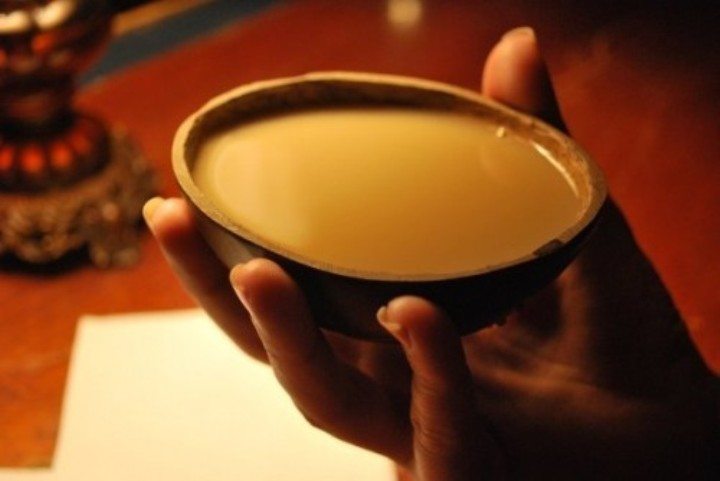
Kava is prepared by grinding the root of the kava plant into a powder, which is then mixed with water to form a thick, muddy drink. The drink is often consumed out of a traditional coconut shell, and is passed around among the participants in a ceremony or social gathering. Kava is often consumed in the evening, and is seen as a way of relaxing and unwinding after a long day.

Kava in Vanuatu Cuisine: Recipes and Uses

Kava is not only consumed as a drink in Vanuatu, but is also used in cooking. The root of the kava plant is often grated and added to dishes such as soups, stews, and curries. Kava is also used as a marinade for fish and meat, and is believed to add a unique flavor to these dishes. Kava leaves are also used in cooking, and are often wrapped around food before it is cooked, similar to the way that banana leaves are used in other parts of the world.

The Significance of Kava in Modern Vanuatu Society

Kava continues to play an important role in modern Vanuatu society. The drink is still consumed as a social drink, and is often served during political and business meetings. Kava is also seen as a way of bringing people together, and is often used to resolve conflicts and build relationships. In recent years, kava has also become an important export for Vanuatu, with the country exporting kava to other parts of the world for use in natural remedies and as a health supplement.