Tag

the

Browsing

Introduction: Congolese Cuisine Overview

Congolese cuisine is influenced by various cultures, including Arab, Portuguese, and French. It is characterized by the use of grains, vegetables, fruits, and different types of meat and fish. Congolese cuisine varies by region, but common staples include cassava, maize, plantains, and peanuts. The cuisine is also known for its use of spices and herbs, such as garlic, ginger, and coriander.

Fish in Congolese Cuisine: A Staple Food

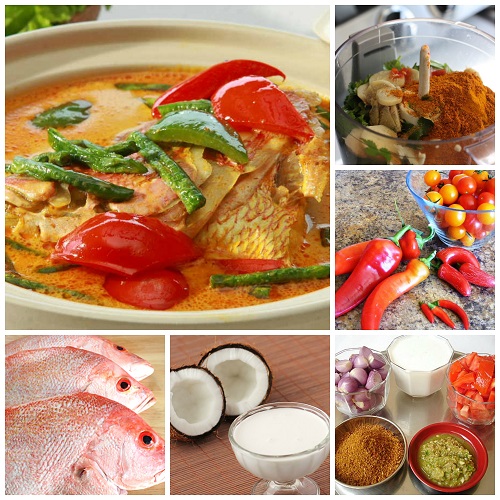
Fish is a staple food in Congo due to the country’s proximity to the Congo River and the Atlantic Ocean. Freshwater fish, such as tilapia and catfish, are commonly used in Congolese cuisine. Fish is often grilled or fried and served with a side of vegetables and rice or cassava. Fish is also used in soups and stews, such as the popular dish, “maboke,” which consists of fish steamed in banana leaves with spices and herbs.

Meat in Congolese Cuisine: A Source of Protein

Meat is also a common source of protein in Congolese cuisine. Beef, chicken, and goat are the most commonly consumed meats in Congo, though bushmeat, including antelope, monkey, and crocodile, is also consumed in some regions. Meat is often stewed or grilled and served with a side of vegetables, rice, or cassava. Meat is also used in soups, such as “sauce graine,” a stew made with beef or chicken and a sauce made from ground peanuts.

Classic Congolese Fish Dishes: Recipes and Ingredients

One classic Congolese fish dish is “kapenta,” which consists of small freshwater sardines cooked in a tomato-based sauce with onions, garlic, and chilies. Another classic dish is “ngulu,” which is made with smoked fish served with a side of cassava leaves stewed in peanuts.

Classic Congolese Meat Dishes: Recipes and Ingredients

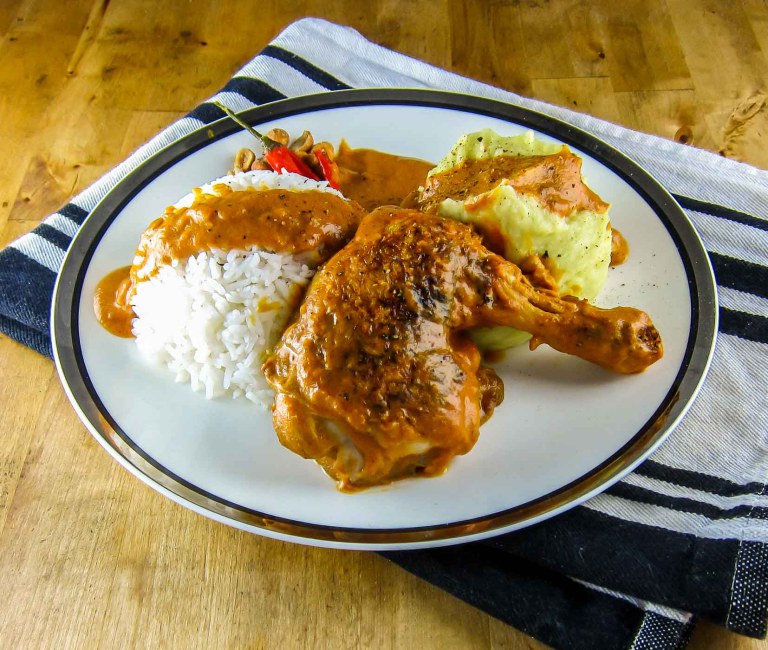
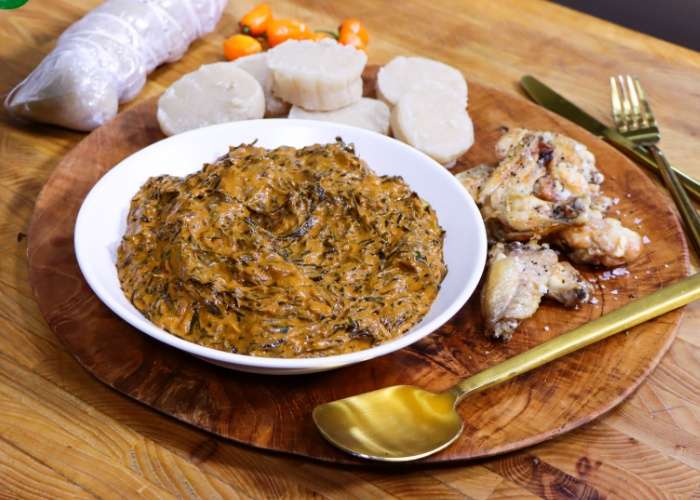
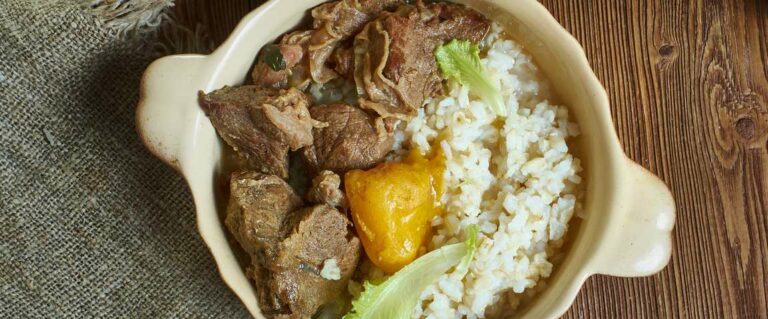
One classic Congolese meat dish is “saka saka,” which consists of tender beef cooked in a sauce made from cassava leaves, palm oil, and spices. Another classic dish is “moambe chicken,” which is made with chicken cooked in a sauce made from palm nuts, onions, and chilies.

Cultural Significance of Fish and Meat in Congolese Cuisine

Fish and meat hold cultural significance in Congolese cuisine. They are often served during special occasions and celebrations, such as weddings and funerals. They also hold symbolic meaning, representing wealth, status, and hospitality.

The Impact of Geography on Fish and Meat Consumption in Congo

Geography plays a significant role in fish and meat consumption in Congo. Regions close to the coast and rivers have greater access to seafood and freshwater fish, while regions further inland rely more on bushmeat and domesticated animals for their meat consumption.

Conclusion: Fish and Meat in Congolese Cuisine, a Rich Culinary Experience

Fish and meat are essential components of Congolese cuisine, providing a rich culinary experience. The use of different spices, herbs, and cooking methods results in a variety of unique and flavorful dishes. The cultural significance and impact of geography on fish and meat consumption in Congo make them an integral part of the country’s cuisine and identity.
Introduction: French Influence on Congolese Cuisine

French cuisine is renowned the world over for its exquisite dishes, refined techniques, and luxurious ingredients. Its influence extends beyond the borders of France, however, and has left its mark on the culinary traditions of many other countries. One such country is the Democratic Republic of Congo, where French cuisine has had a significant impact on the local dishes and cooking methods.

Historical Context: Colonialism and Culinary Exchange

The French influence on Congolese cuisine can be traced back to the period of colonialism, when Congo was under the control of Belgium and France. During this time, French culinary culture was introduced to the Congolese through European colonizers and missionaries. The Congolese people, in turn, incorporated French techniques and ingredients into their own cooking, resulting in a unique fusion of the two culinary traditions.

French Ingredients in Congolese Dishes

Some of the most notable French ingredients used in Congolese cuisine include butter, wine, and cheese. These ingredients were not traditionally used in Congolese cooking, but have been incorporated into many popular dishes, such as chicken in white wine sauce and potatoes au gratin. In addition, French herbs and spices such as thyme, rosemary, and tarragon are commonly used in Congolese cooking.

French Techniques in Congolese Cooking

The French have a reputation for their precise and refined cooking techniques, and many of these techniques have been adopted by Congolese chefs. For example, the French technique of braising, which involves searing meat and then slowly cooking it in liquid, is commonly used in Congolese stews. French pastry techniques have also influenced Congolese baking, with croissants, eclairs, and other French pastries being popular in Congo.

Congolese-French Fusion Dishes

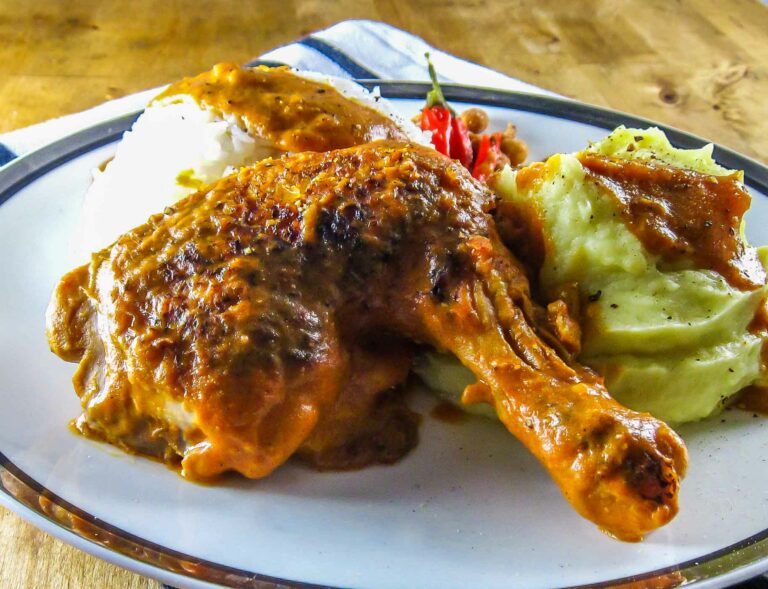
One of the most exciting aspects of the French influence on Congolese cuisine is the creation of fusion dishes that combine both culinary traditions. One example of such a dish is “poulet à la moambe”, a Congolese chicken stew made with palm nut pulp and cooked in a tomato sauce with onions, garlic, and spices, which is often served with French-style baguettes.

Influence on Congolese Fine Dining

The French influence on Congolese cuisine has also had an impact on fine dining in the country. Many high-end restaurants in Congo serve French-inspired dishes alongside traditional Congolese cuisine. This fusion of culinary traditions has created a unique dining experience that is both sophisticated and rooted in local culture.

Critiques of the French Influence

While the French influence on Congolese cuisine has undoubtedly had a positive impact on the culinary landscape of Congo, it has also been subject to criticism. Some argue that the adoption of French cooking techniques and ingredients has led to a loss of traditional Congolese culinary culture. Others argue that the French influence perpetuates the legacy of colonialism and reinforces social and economic inequalities.

Conclusion: The Ever-evolving Congolese Cuisine

Despite these critiques, it is clear that the French influence on Congolese cuisine has had a lasting impact. The fusion of French and Congolese culinary traditions has created a rich and varied cuisine that continues to evolve today. Whether in the form of classic French dishes with a Congolese twist or modern fusion cuisine, the French influence on Congolese cuisine is a testament to the power of culinary exchange and cultural exchange.

Introduction: Street Food in Congo

Street food is an important aspect of the culinary culture in Congo. It serves as a source of livelihood for many people, as well as a convenient and affordable food option for customers. Street food vendors sell a variety of food items, including grilled meat, fried snacks, and traditional dishes. However, the safety and hygiene of street food can be a concern, particularly in a developing country like Congo.

The Importance of Hygiene in Street Food

Ensuring hygiene in street food is crucial to prevent the spread of foodborne illnesses. Poor hygiene practices can lead to contamination of food with harmful bacteria, viruses, and parasites, which can cause diarrhea, vomiting, and other illnesses. Moreover, consumers who are already vulnerable, such as children and the elderly, are at a greater risk of developing severe health complications from foodborne illnesses. Therefore, it is essential to maintain high hygiene standards in street food to guarantee the safety of consumers.

Hygiene Standards in Congo

The Ministry of Health in Congo has established hygiene standards for street food vendors to follow. The standards cover various aspects of food handling, preparation, storage, and transportation. For instance, vendors are required to use clean and potable water for cooking and cleaning utensils. They are also expected to have proper handwashing facilities and to wear clean clothing and gloves while handling food. Additionally, vendors must ensure that their cooking equipment and utensils are thoroughly cleaned and sanitized regularly.

Food Handling and Preparation Practices

Street food vendors in Congo are expected to follow safe food handling and preparation practices to prevent contamination. For instance, they should use separate cutting boards and knives for raw and cooked meat to avoid cross-contamination. They should also cook food thoroughly, especially meat, to kill harmful bacteria. Moreover, vendors should avoid reusing oil for frying, as it can become rancid and contaminated with bacteria.

Storage and Transportation of Street Food

The storage and transportation of street food also play a crucial role in maintaining hygiene standards. Vendors must store food at safe temperatures to prevent bacterial growth. They should also use clean and covered containers to transport food from their preparation site to the selling site. Additionally, vendors should avoid placing food on the ground or in other unsanitary locations.

Monitoring and Enforcement of Hygiene Standards

The government of Congo is responsible for monitoring and enforcing hygiene standards in street food. Local health authorities conduct regular inspections of food vendors to ensure compliance with hygiene standards. Vendors found to violate the standards may face fines or have their licenses revoked. Moreover, consumers can report any concerns about the hygiene of street food to the authorities.

Common Foodborne Illnesses in Congo

Some of the common foodborne illnesses in Congo include cholera, typhoid fever, and diarrhea. These illnesses can be caused by consuming contaminated food or water. Symptoms may include abdominal pain, fever, nausea, and vomiting. Consumers should seek medical attention if they experience any of these symptoms after consuming street food.

Conclusion: Ensuring Safe Street Food in Congo

Hygiene standards play a critical role in ensuring safe street food in Congo. It is essential for vendors to follow safe food handling and preparation practices, as well as proper storage and transportation methods. The government must also monitor and enforce hygiene standards to protect consumers from foodborne illnesses. By working together, vendors and authorities can provide safe and delicious street food options for consumers in Congo.

What is “saka-saka” in Congolese cuisine?

Saka-saka is a traditional Congolese dish made from cassava leaves. It is a highly nutritious and delicious dish that is popularly served across the country. The dish is a staple food in many parts of Congo and is an essential part of the Congolese diet. Saka-saka is known for its unique taste and is an integral part of Congolese culture and cuisine.

Origin and history of saka-saka

Saka-saka originated in the central and eastern parts of Congo, where cassava is a prevalent crop. The dish has been a part of Congolese culture for centuries and is considered a traditional dish. Saka-saka was originally prepared by the indigenous people of Congo, who used the cassava leaves as a primary ingredient in their dishes. Over time, the dish has become widespread and is now a popular dish across Congo.

Ingredients used to make saka-saka

The primary ingredient used to make saka-saka is cassava leaves, which are harvested from the cassava plant. Other ingredients used in the preparation of saka-saka include onions, tomatoes, peppers, and various spices. The leaves are washed, drained, and then chopped into small pieces. The other ingredients are then added, and the mixture is cooked until the cassava leaves are tender.

How is saka-saka prepared and cooked?

To prepare saka-saka, the cassava leaves are washed and cut into small pieces. The other ingredients, including onions, tomatoes, and peppers, are also chopped and added to the leaves. The mixture is then cooked in water until the cassava leaves are tender. Some variations of saka-saka also include the addition of peanut butter, which gives the dish a creamy texture.

Nutritional value of saka-saka

Saka-saka is a highly nutritious dish that is rich in vitamins and minerals. Cassava leaves are a good source of protein, calcium, iron, and vitamin A, making saka-saka an excellent addition to a healthy diet. The dish is also low in fat and calories, making it an ideal food for those looking to maintain a healthy weight.

Variations of saka-saka across Congo

There are many variations of saka-saka across Congo, with different regions and tribes adding their unique twist to the dish. In some parts of Congo, saka-saka is made with groundnuts instead of peanut butter, while in other regions, the dish is made with fish or meat. The variations of saka-saka reflect the diversity of Congolese culture and cuisine.

Saka-saka in popular Congolese dishes

Saka-saka is an essential ingredient in many popular Congolese dishes, including Moambe chicken, a dish made with chicken cooked in palm oil with saka-saka and spices. Another popular dish that includes saka-saka is Kwanga, a dish made with cassava flour and saka-saka. Saka-saka is also often served as a side dish with rice or fufu.

Conclusion: significance of saka-saka in Congolese culture

Saka-saka is a traditional dish that has been a part of Congolese culture for centuries. The dish is an essential part of the Congolese diet, and its popularity reflects the importance of cassava leaves in Congolese cuisine. Saka-saka is not only a delicious dish, but it is also highly nutritious, making it an excellent addition to a healthy diet. The variations of saka-saka across Congo reflect the diversity of Congolese culture and cuisine, and the dish’s popularity is a testament to its significance in Congolese culture.

Introduction: Exploring Traditional Breakfast in Congo

Congo is a country located in Central Africa that boasts a rich cultural heritage and diverse culinary traditions. Breakfast, known as “le petit déjeuner” in French, is an essential meal of the day in Congo, providing energy and nourishment to start the day. The traditional breakfast options in Congo are a reflection of the country’s abundant natural resources and cultural influences from neighboring countries.

Fufu and Soup: A Popular Breakfast Dish in Congo

Fufu and soup is a popular breakfast dish in Congo, especially in rural areas. Fufu is a starchy dough made from cassava or plantains, which is mixed with hot water and pounded until smooth. The soup is made from a variety of ingredients such as fish, meat, vegetables, and spices, and is usually served hot. Fufu and soup are a filling and nutritious breakfast option that provides energy and sustenance for the day ahead.

Makayabu: A Healthy and Filling Breakfast Option

Makayabu is a traditional Congolese breakfast dish made from fermented cassava leaves. The leaves are cooked with onions, tomatoes, and spices, and served with a side of cassava fufu or rice. Makayabu is a healthy and filling breakfast option that is rich in vitamins and minerals, and is often enjoyed by people of all ages.

Kwanga: A Tasty and Nutritious Breakfast Delight

Kwanga is a popular breakfast dish in Congo made from fermented cassava flour. The flour is mixed with water and pounded until smooth, and then baked into round, flat cakes. Kwanga is a tasty and nutritious breakfast delight that is enjoyed by many people in Congo, particularly in the western region of the country.

Saka-Saka: A Staple Dish to Start the Day

Saka-saka is a staple dish in Congo that is often eaten for breakfast. It is made from cassava leaves that are finely chopped and cooked with onions, tomatoes, and spices, and served with a side of cassava fufu or rice. Saka-saka is a hearty and flavorful breakfast option that is enjoyed by many Congolese people.

Moambe: A Classic Congolese Breakfast Recipe

Moambe is a classic Congolese breakfast recipe that is made from chicken or fish, cooked in palm oil and served with a side of cassava fufu or rice. The dish is seasoned with spices such as garlic, onion, and ginger, and often includes vegetables such as okra or tomatoes. Moambe is a delicious and filling breakfast option that is enjoyed by many people in Congo.

Chapati: A Delicious Add-On to Congolese Breakfast

Chapati is a popular breakfast add-on in Congo, particularly in the eastern region of the country. It is a type of flatbread made from wheat flour, oil, and water, and is usually served with tea or coffee. Chapati is a delicious and easy-to-make breakfast option that is enjoyed by many people in Congo.

Cassava Bread: A Gluten-Free Breakfast Alternative

Cassava bread is a gluten-free breakfast alternative that is popular in Congo. It is made from cassava flour, water, and a variety of other ingredients such as milk, sugar, and eggs. The bread is baked until golden brown and can be enjoyed plain or with a variety of toppings such as butter, jam, or honey. Cassava bread is a tasty and nutritious breakfast option that is enjoyed by many people in Congo, particularly those who are allergic to gluten.

Introduction: Costa Rican cuisine

Costa Rican cuisine is known for its fresh and flavorful ingredients, blending indigenous, Spanish, and Afro-Caribbean influences. The country is blessed with a rich variety of fruits, vegetables, and seafood, which are used in everything from street food to fine dining restaurants. Rice and beans are the staple base of Costa Rican cooking, but the cuisine also includes a diverse range of meats, herbs, spices, and dairy products.

The base of Costa Rican cooking: rice and beans

Rice and beans are the foundation of most Costa Rican dishes, providing a filling and nutritious base for other ingredients. The most common type of rice is white rice, which is usually boiled and served with a side of red or black beans. The beans can be either whole or mashed, and are often seasoned with garlic, onion, and cilantro. Other grains like corn and quinoa are also popular in Costa Rican cuisine, particularly in indigenous dishes.

The national dish: Gallo Pinto

Gallo Pinto is the national dish of Costa Rica, and is a staple of breakfast across the country. It is made with leftover rice and beans, which are fried with onion, bell pepper, and garlic. The mixture is then seasoned with Lizano sauce (a tangy, vegetable-based sauce), Worcestershire sauce, and Salsa Lizano (a slightly sweet, spicy sauce). Gallo Pinto is usually served with eggs, cheese, and fried plantains, and is a filling and flavorful way to start the day.

Meat and seafood: essential ingredients in Costa Rican cuisine

Meat and seafood are important ingredients in Costa Rican cuisine, with dishes like arroz con pollo (rice with chicken), chifrijo (a mixture of rice, beans, pork, and avocado), and ceviche (marinated raw fish) being popular across the country. Beef, pork, and chicken are the most common meats, but seafood like shrimp, fish, and octopus are also widely used. Costa Rica is known for its sustainable fishing practices, and many coastal towns have a thriving seafood industry.

Spices and herbs: flavoring Costa Rican dishes

Costa Rican cuisine uses a variety of spices and herbs to add depth and flavor to dishes. Cumin, oregano, and paprika are common spices, while herbs like cilantro, parsley, and culantro (a long-leafed herb similar to cilantro) are used to add freshness and color. Salsas, hot sauces, and marinades are also popular, with many families having their own secret recipes.

Fruits and vegetables: tropical flavors in Costa Rican cooking

Costa Rica is home to a wide variety of tropical fruits and vegetables, which are used in both sweet and savory dishes. Mango, pineapple, papaya, and guava are common fruits, while yucca, plantains, and sweet potatoes are popular vegetables. The country is also known for its avocados, which are used in dishes like guacamole and as a topping for Gallo Pinto.

Dairy products: a key component in Costa Rican desserts

Dairy products like cream, cheese, and condensed milk are key ingredients in many Costa Rican desserts. One popular dessert is tres leches cake, which is a sponge cake soaked in three types of milk (condensed, evaporated, and cream). Another popular dessert is arroz con leche (rice pudding), which is made with milk, cinnamon, and sugar.

Beverages: traditional drinks of Costa Rica

Costa Rica has a variety of traditional drinks, including coffee, horchata (a sweet rice milk drink), and refrescos (fruit smoothies). However, the most famous beverage is probably guaro, a clear, slightly sweet liquor made from sugarcane. It is often mixed with fruit juice or soda to create refreshing cocktails like a guaro sour or a guaro and tonic.

Introduction: Costa Rican cuisine

Costa Rican cuisine is known for its use of fresh ingredients and vibrant flavors. Many of the country’s traditional dishes feature rice and beans as two of the primary ingredients. These staples have been an essential part of Costa Rican cuisine for centuries, reflecting the country’s rich culinary heritage.

Staple ingredients: rice and beans

Rice and beans are two of the most commonly used ingredients in Costa Rican cuisine. Both are versatile and can be used in a variety of dishes, from soups and stews to side dishes and main courses. The combination of rice and beans also provides a complete protein, making it an essential part of the traditional Costa Rican diet.

Historical importance of rice and beans

The use of rice and beans in Costa Rican cuisine dates back to pre-Columbian times, when indigenous peoples relied on these staples to sustain themselves. The combination of rice and beans was also popular among African slaves brought to the country during the colonial period. Today, rice and beans are still an important part of Costa Rican cuisine, reflecting the country’s diverse cultural heritage.

Traditional dishes featuring rice and beans

Some of the most popular Costa Rican dishes featuring rice and beans include gallo pinto, a rice and bean dish often served for breakfast; casado, a traditional lunch dish featuring rice, beans, meat, plantains, and salad; and arroz con pollo, a chicken and rice dish seasoned with a variety of spices.

Ways to cook and season rice and beans

Rice and beans can be cooked in a variety of ways, depending on the dish being prepared. They can be boiled, steamed, or fried, and seasoned with a variety of spices and herbs. Common seasonings include cumin, garlic, onion, and cilantro.

Nutritional value of rice and beans

Rice and beans are a nutritious combination, providing a complete protein, plenty of fiber, and essential vitamins and minerals. They are also low in fat and cholesterol, making them a healthy addition to any diet.

Variations on rice and beans in Costa Rican cuisine

While gallo pinto and casado are two of the most well-known dishes featuring rice and beans, there are many variations on these staples in Costa Rican cuisine. For example, rice and beans may be served separately, or mixed together with other ingredients to create new dishes.

Conclusion: versatile and essential ingredients

Rice and beans are essential ingredients in Costa Rican cuisine, reflecting the country’s diverse cultural heritage and rich culinary traditions. They are versatile, nutritious, and can be used in countless ways to create a wide variety of delicious dishes. Whether you’re a fan of traditional Costa Rican cuisine or looking to try something new, rice and beans are a must-try ingredient.

Introduction to Congolese cuisine

Congolese cuisine is a reflection of the diverse cultures and traditions present in the Democratic Republic of Congo. It is a blend of local and international flavors, with influences from neighboring countries such as Uganda, Rwanda, and Burundi. The cuisine is characterized by its use of fresh ingredients, aromatic spices, and bold flavors.

Staple foods in Congolese dishes

The staple foods in Congolese cuisine include cassava, plantains, rice, and corn. Cassava is a root vegetable that is used to make fufu, a starchy dough that is often served with soups and stews. Plantains, a type of banana, are boiled, fried, or roasted and served as a side dish. Rice is a common accompaniment to many Congolese dishes, and corn is used to make a type of porridge called ugali.

Meat and protein sources

Meat is an important part of Congolese cuisine, with beef, chicken, goat, and fish being the most commonly consumed. In rural areas, game meat such as antelope and monkey may also be eaten. Protein sources also include beans, peanuts, and soybeans. These are often used to make vegetarian versions of traditional dishes.

Vegetables and fruits commonly used

Congolese cuisine is rich in vegetables and fruits, with tomatoes, onions, garlic, and eggplant being some of the most commonly used. Okra, spinach, and cassava leaves are also used to make soups and stews. Fruits such as mangoes, bananas, and papayas are used in desserts and smoothies.

Spices and seasonings used for flavor

Congolese dishes are known for their bold and flavorful tastes, and this is achieved through the use of aromatic spices and seasonings. Some of the most commonly used spices include cumin, coriander, ginger, and chili peppers. Salt, pepper, and bouillon cubes are also used for seasoning.

Popular Congolese dishes and their ingredients

Some of the most popular Congolese dishes include fufu, cassava leaves with peanut butter, and moambe chicken. Fufu is made from cassava flour and is often served with a soup or stew. Cassava leaves with peanut butter is a vegetarian dish made with cassava leaves and ground peanuts. Moambe chicken is a stew made with chicken, palm oil, and vegetables.

Regional variations in ingredients and dishes

There are many regional variations in Congolese cuisine, with different parts of the country having their own unique dishes and ingredients. For example, in the northern regions, millet is a common staple food, while in the eastern regions, fish and other seafood are more commonly eaten.

Cultural significance of Congolese cuisine

Congolese cuisine plays an important role in the country’s culture and traditions. It is often served at social gatherings and celebrations, and is a way to bring people together. The cuisine also reflects the history and influences of the country, with ingredients and dishes reflecting the diverse cultural influences in the region.

Introduction: Exploring Costa Rican Breakfasts

Costa Rica is a country known for its vibrant culture, stunning landscapes, and delicious cuisine. One of the highlights of any trip to Costa Rica is sampling the traditional breakfast options. From Gallo Pinto to Huevos Rancheros, the country offers a range of flavorful dishes that are sure to satisfy any palate. In this article, we will explore some of the most popular breakfast options in Costa Rica.

Gallo Pinto: The Quintessential Costa Rican Dish

Gallo Pinto is a dish that is beloved by locals and tourists alike. This traditional breakfast dish consists of rice and beans that are cooked together with a blend of spices and vegetables. The dish is typically served with a side of scrambled eggs, corn tortillas, and sour cream. Gallo Pinto is a hearty and filling breakfast option that is perfect for starting the day off right.

Huevos Rancheros: A Hearty Breakfast Option

Huevos Rancheros is another popular breakfast option in Costa Rica. This dish consists of fried eggs that are served on top of a bed of tortillas and smothered in a spicy tomato sauce. The dish is typically served with a side of refried beans and avocado. Huevos Rancheros is a filling breakfast option that is perfect for those who need a little extra energy to start their day.

Tamales: A Festive and Filling Breakfast Treat

Tamales are a festive and filling breakfast treat that is typically served during the holiday season. This traditional dish consists of a mixture of corn dough, meat, and vegetables that are wrapped in a banana leaf and steamed. Tamales are often served with a side of salsa and sour cream. This dish is a true taste of Costa Rican culture and is sure to satisfy any appetite.

Chorreadas: Costa Rican Corn Pancakes

Chorreadas are a traditional Costa Rican breakfast dish that is similar to pancakes. These corn pancakes are made with a mixture of cornmeal, milk, and eggs, and are typically served with a side of sour cream and cheese. Chorreadas are a sweet and savory breakfast option that is perfect for those who want to try something new.

Arroz con Leche: A Sweet and Creamy Breakfast Dessert

Arroz con Leche is a sweet and creamy rice pudding that is often served for breakfast in Costa Rica. This dish consists of rice that is cooked in milk and sweetened with sugar and cinnamon. Arroz con Leche is typically served with a side of fresh fruit and is a great way to start the day off on a sweet note.

Casado: A Balanced Breakfast Meal with Everything You Need

Casado is a balanced breakfast meal that consists of rice, beans, meat, salad, and plantains. This dish is a great option for those who want a filling and nutritious breakfast that will keep them going throughout the day. Casado is typically served with a side of salsa Lizano, a popular condiment in Costa Rica that is made with vegetables, spices, and vinegar.

Salsa Lizano: The Must-Have condiment for Costa Rican Breakfasts

Salsa Lizano is a must-have condiment for any Costa Rican breakfast. This sauce is made with a blend of spices, vegetables, and vinegar and is often used to add flavor to Gallo Pinto, Huevos Rancheros, and other traditional breakfast dishes. Salsa Lizano is a versatile condiment that can be used in a variety of dishes and is a staple in Costa Rican cuisine.

In conclusion, Costa Rican breakfasts are a delicious and diverse part of the country’s cuisine. From Gallo Pinto to Tamales, there is a dish to suit every taste and preference. Whether you are a foodie or simply looking to try something new, be sure to explore the traditional breakfast options during your next trip to Costa Rica.

Introduction: Costa Rican Cuisine

Costa Rican cuisine features a delightful blend of traditional indigenous, Spanish and African influences, with a focus on fresh ingredients and simple preparation. The country’s tropical climate and abundant plant and animal life make for a rich and varied culinary culture, replete with colorful and flavorful dishes. One of the most popular and beloved dishes in Costa Rican cuisine is “casado.”

What is “Casado”?

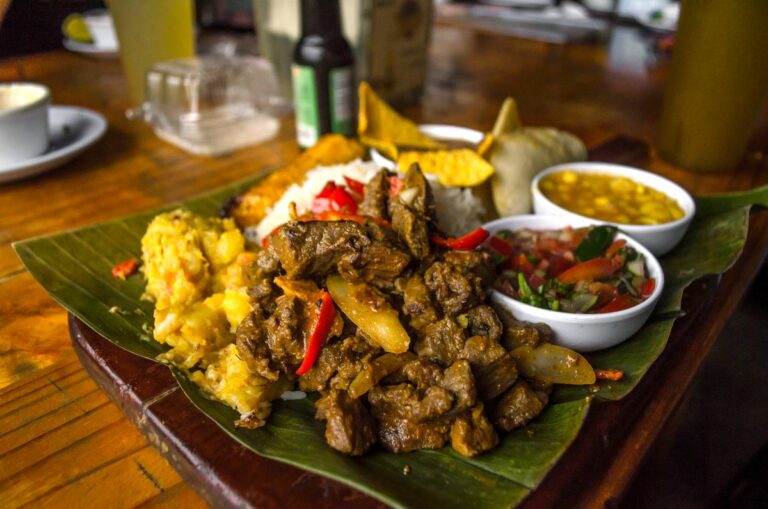
“Casado” is a traditional Costa Rican meal that typically includes rice, beans, plantains, salad, and a choice of protein such as meat, chicken, or fish. The word “casado” literally means “married” in Spanish, and the dish is said to be called this because it is a complete and balanced meal, with a little bit of everything on the plate.

Origin and History of Casado

The origins of casado are somewhat murky, with some sources tracing its roots to the lunchboxes of rural workers who needed a hearty and filling meal to sustain them throughout the day. Others suggest that it was a dish created in urban areas, where people were seeking a quick and affordable meal that could be eaten on the go. Regardless of its origins, casado has become an iconic and ubiquitous dish in Costa Rican cuisine, found in restaurants and homes throughout the country.

Ingredients in a Traditional Casado

The ingredients in a traditional casado vary somewhat depending on the region and the cook, but generally consist of rice, black beans, sweet plantains, salad with cabbage and tomato, and a protein such as grilled chicken, beef, or fish. Some variations may also include a fried egg, avocado, or picadillo (a mixture of ground beef, vegetables, and spices).

Variations of the Casado

While the basic components of a casado remain the same, there are countless variations to be found throughout Costa Rica. Some cooks may use red beans instead of black, or add additional vegetables such as carrots or green beans to the salad. Others may substitute yucca or potatoes for the plantains, or use pork or shrimp instead of chicken or beef. Regardless of the specific ingredients, the key is to create a balanced and satisfying meal that incorporates a variety of flavors and textures.

How to Prepare a Casado at Home

To make a traditional casado at home, start by cooking rice and beans separately. For the rice, use a long-grain variety such as jasmine or basmati, and add a pinch of salt and a bit of oil or butter for flavor. For the beans, you can use canned black beans or cook dried beans from scratch with onions, garlic, and spices. While the rice and beans are cooking, fry or grill your choice of protein and slice sweet plantains into rounds. For the salad, chop cabbage and tomato and season with a bit of vinegar, oil, and salt. Assemble all the components on a plate and serve hot.

Where to Find the Best Casado in Costa Rica

Casado can be found everywhere in Costa Rica, from roadside stands to high-end restaurants. Some particularly famous spots for casado include Soda Tapia in San Jose and Soda Viquez in Cartago. The beauty of casado is that it can be found and enjoyed in nearly every corner of the country, from beach towns to mountain villages.

Conclusion: Celebrating Casado in Costa Rica

Casado is more than just a dish in Costa Rican cuisine – it embodies the spirit of simplicity, balance, and tradition that is so revered in the country’s food culture. Whether enjoyed at a roadside stand or in a fancy restaurant, casado is a true taste of Costa Rica, and a must-try for anyone visiting the country.