
Tag

the

Browsing

Introduction: Street Food in Colombia

Street food is an integral part of Colombian culture and cuisine. From the bustling cities of Bogota and Medellin to the coastal cities of Cartagena and Santa Marta, the streets are lined with vendors selling delicious and affordable food. However, with the rise of foodborne illnesses, many people are concerned about the safety and hygiene of street food in Colombia.

Colombian Street Food Culture

Street food in Colombia is a reflection of the country’s diverse culinary traditions and cultural influences. Some of the most popular street foods include empanadas (deep-fried pastry stuffed with meat or cheese), arepas (corn cakes filled with cheese or meat), and churros (fried dough pastry coated in sugar). Vendors often set up their carts or stalls in busy areas like plazas, markets, and near bus stations, making it easy for people to grab a quick and tasty meal on the go.

Hygiene Standards for Street Food Vendors

The Colombian government has set up strict hygiene standards for street food vendors to ensure that the food sold is safe for consumption. Vendors are required to have a food handler’s permit, which means they have undergone training on proper food handling, storage, and preparation. They must also follow basic hygiene practices like wearing gloves, hairnets, and aprons, and have access to clean water and soap for handwashing.

How to Identify Safe Street Food

One of the best ways to identify safe street food is to look for vendors who have a clean and organized cart or stall. The food should be stored in clean containers and covered to protect it from dust and insects. Avoid buying food that has been sitting out for a long time or is lukewarm, as this can increase the risk of foodborne illness. Finally, it’s important to trust your gut – if something doesn’t look or smell right, it’s best to avoid it.

Common Street Food Safety Concerns

One of the biggest concerns with street food is the risk of contamination from bacteria, viruses, and parasites. This can happen when vendors use dirty utensils or don’t wash their hands properly. Another concern is the presence of allergens like peanuts or shellfish in the food, which can be dangerous for people with food allergies. Finally, street food can sometimes be cooked using unclean fuel sources like charcoal or wood, which can lead to respiratory problems.

Government Regulations and Inspections

The Colombian government has established a regulatory body called the National Institute of Food and Drug Surveillance (INVIMA) to oversee food safety and hygiene in the country. INVIMA conducts regular inspections of street food vendors to ensure they are complying with the regulations and guidelines. Vendors who fail to meet the standards can face fines, closures, or even criminal charges.

Steps to Ensure Safe Street Food Consumption

To minimize the risk of illness from street food, it’s important to take certain precautions. Always wash your hands before and after eating, and bring hand sanitizer with you in case there is no access to clean water. Avoid eating raw or undercooked meat, and choose foods that are cooked to order. Finally, stick to vendors who have a good reputation and who are busy with customers – this is a sign that their food is fresh and safe.

Conclusion: Enjoying Street Food in Colombia Safely

Street food is a beloved part of Colombian culture, and with the right precautions, it can be enjoyed safely. By following simple guidelines like choosing vendors carefully, washing your hands, and avoiding risky foods, you can savor the delicious flavors of Colombia without worrying about getting sick. So next time you’re in Colombia, don’t be afraid to try some of the amazing street food – just remember to be smart and stay safe!
Introduction: The Fusion of Cultures in Colombian Cuisine

Colombian cuisine is a melting pot of various cultures. The country’s diverse landscape and history contribute to the unique flavors and ingredients found in Colombian dishes. Indigenous and Afro-Colombian cultures have played a significant role in shaping the country’s cuisine. These cultures have influenced the ingredients used, cooking techniques, and spices that make Colombian food rich and flavorful.

The Influence of Indigenous Cultures on Colombian Dishes

Indigenous cultures in Colombia have a deep connection to the land, and their cuisine reflects this relationship. Indigenous ingredients commonly used in Colombian dishes include corn, yuca, beans, and potatoes. These ingredients are used in various ways, from tamales to soups and stews. Indigenous cuisine also relies heavily on herbs and spices to add flavor to dishes. Achiote, cumin, and coriander are some of the most commonly used spices in indigenous cooking.

Corn: The Staple Food of Indigenous Cuisine

Corn is a staple food in indigenous cuisine, and it’s used in many Colombian dishes, including arepas, tamales, and chicha. Chicha is a fermented corn drink that has been a part of indigenous culture for centuries. It’s believed to have spiritual and healing properties and is often used in religious ceremonies. Corn is also used to make a popular Colombian snack called “mazorca,” which is a grilled corn cob served with salt and butter.

Plantains: An Afro-Colombian Contribution to Colombian Cuisine

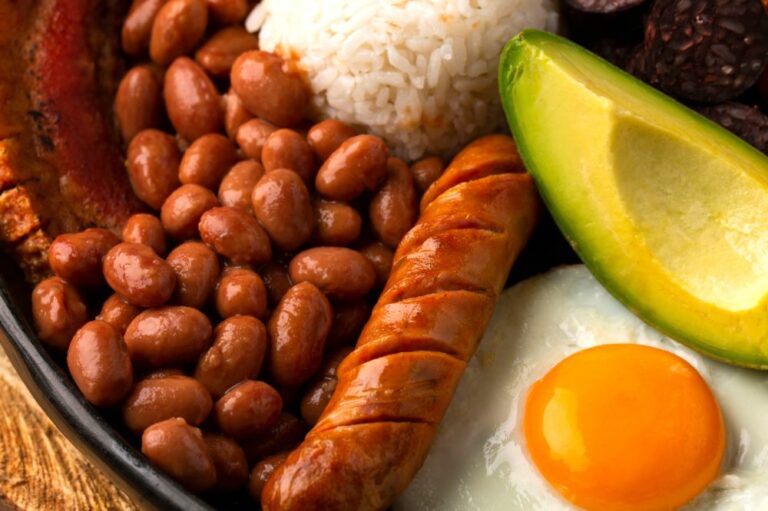
Plantains are a staple in Afro-Colombian cuisine and have become an essential ingredient in Colombian dishes. Plantains are similar to bananas but are typically larger and have a firmer texture. They can be boiled, fried, or baked and are used as a side dish or in main courses. Fried plantains, or “tostones,” are a popular snack in Colombia and are often served with traditional dishes like bandeja paisa.

The Role of Indigenous and Afro-Colombian Spices in Colombian Food

Spices are an essential part of Colombian cuisine, and indigenous and Afro-Colombian cultures have influenced the spices used in Colombian dishes. Indigenous cuisine typically uses achiote, a red-colored spice made from annatto seeds. Afro-Colombian cuisine, on the other hand, relies on ingredients like garlic, onions, and ginger to add flavor to dishes. The combination of these spices creates a unique flavor profile that is characteristic of Colombian food.

The Legacy of Indigenous and Afro-Colombian Techniques in Cooking

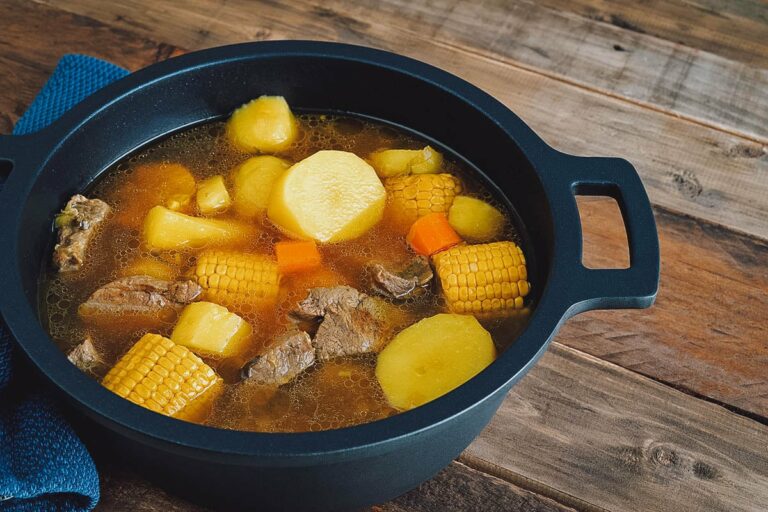
Indigenous and Afro-Colombian cultures have also influenced the cooking techniques used in Colombia. Indigenous communities often use a technique called “sancocho,” which involves boiling meat and vegetables in a pot to create a flavorful soup or stew. Afro-Colombians have contributed to the technique of frying food, which is now a common cooking method used in Colombian cuisine.

Traditional Indigenous and Afro-Colombian Dishes in Colombian Cuisine

Colombian cuisine is full of traditional dishes with indigenous and Afro-Colombian roots. One of the most popular dishes is “ajiaco,” a soup made with chicken, potatoes, corn, and herbs. Another traditional dish is “sancocho,” a stew made with meat, vegetables, and herbs. Afro-Colombian cuisine has also contributed to dishes like “bandeja paisa,” a hearty meal that includes meat, beans, rice, and plantains.

Conclusion: The Rich and Diverse Cultural Influences in Colombian Cuisine

Colombian cuisine is a testament to the country’s rich and diverse cultural heritage. The influence of indigenous and Afro-Colombian cultures can be seen in the ingredients used, cooking techniques applied, and spices incorporated in Colombian dishes. From the staple food of corn to the contribution of plantains, Colombian cuisine is an exciting amalgamation of different cultures that uniquely represents the country’s history and heritage.

Introduction: Comorian Cuisine Overview

Comorian cuisine is a blend of African, Arabic, and French influences, reflecting the nation’s history and geographic location. The Comoros Islands are located in the Indian Ocean, between southern Africa and Madagascar, and the cuisine is predominantly based on seafood, spices, and coconut. Comorian dishes are known for their aromatic flavors, and the coconut is a key ingredient that is used in a variety of recipes.

Health Benefits of Coconut

Coconut is a versatile ingredient that offers numerous health benefits. Coconut is rich in fiber, vitamins, and minerals, and it contains healthy fats that can improve heart health. Coconut is also known for its antibacterial and antifungal properties, and it can boost the immune system. The oil extracted from coconut is used in many beauty and skincare products due to its moisturizing and nourishing properties.

Coconut in Comorian Cuisine

Coconut is an essential ingredient in Comorian cuisine, and it is used in a variety of ways. Coconut milk is a common ingredient in curries, stews, and soups, and it is used to add creaminess and flavor to dishes. The flesh of the coconut is used in desserts, and it is also grated and used as a garnish on savory dishes.

Coconut-based Dishes in Comoros

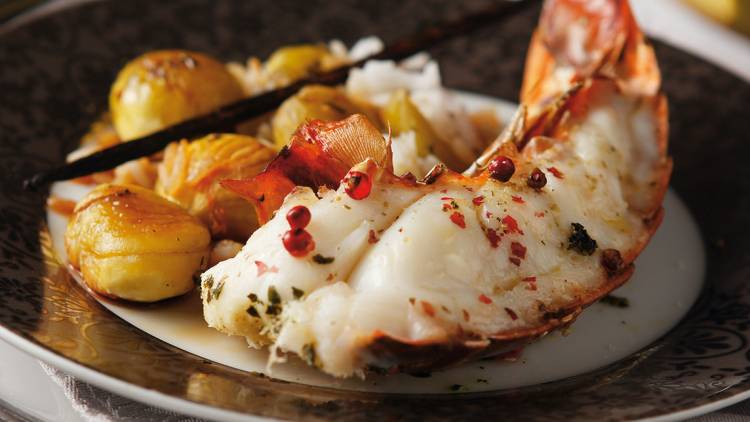
The Comorian cuisine boasts a variety of coconut-based dishes, including the popular “Langouste au Coco” (lobster with coconut), “Mataba” (a spinach and coconut dish), “Pilao Coco” (a coconut rice dish), and “Ravitoto” (a meat and coconut stew). These dishes are loved for their rich and flavorful taste, and the coconut adds a unique twist to the traditional African and Arabic recipes.

Traditional Comorian Recipes with Coconut

One of the most popular traditional Comorian recipes with coconut is “Mabawa,” a dish made with coconut milk, cassava leaves, onions, and garlic. The dish is simmered until the cassava leaves are tender and the flavors are infused. Another traditional recipe is “Bouillon de Poisson au Coco,” a fish soup made with coconut milk, tomatoes, onions, and garlic. The soup is garnished with fresh herbs and served with rice.

Modern Comorian Recipes with Coconut

In recent years, Comorian chefs have started to experiment with coconut and incorporate it into modern recipes. One such dish is “Crevettes Coco,” a shrimp dish made with coconut milk, ginger, garlic, and chili. Another modern recipe is “Coco Curry,” a chicken curry made with coconut milk, curry powder, and vegetables. These dishes have become popular among locals and tourists alike, and they showcase the versatility of coconut in Comorian cuisine.

Variations of Coconut-based Comorian Dishes

The use of coconut in Comorian cuisine varies from region to region, and each island has its own unique dishes. For example, on the island of Anjouan, “Mkatra” is a coconut-based dish made with chicken, cassava leaves, and spices. On the island of Moheli, “Mataba” is made with taro leaves instead of spinach. These regional variations add to the diversity of Comorian cuisine and showcase the different ways in which coconut can be used in cooking.

Conclusion: Coconut’s Role in Comorian Cuisine

Coconut is a staple ingredient in Comorian cuisine, and it plays a significant role in the flavor and texture of many dishes. The health benefits of coconut, combined with its unique flavor and versatility, make it an essential part of Comorian cooking. Whether in traditional or modern recipes, coconut adds a distinct flavor and richness to Comorian dishes, and it is a key ingredient that sets the cuisine apart from others in the region.