Tag

the

Browsing

The Role of Food in Costa Rican Culture

Food plays a crucial role in Costa Rican culture, as it reflects the country’s history, geography, and social customs. Costa Ricans are known for their love of food and their commitment to using fresh, locally-sourced ingredients. Eating together is an important aspect of family life, and meals are often a time for socializing and bonding. Traditional Costa Rican dishes are often prepared at home and passed down from generation to generation, which helps to preserve the country’s culinary heritage.

History of Costa Rican Cuisine

The history of Costa Rican cuisine is closely tied to the country’s indigenous, African, and Spanish roots. Pre-Columbian diets were based on maize, beans, and squash, which were accompanied by regional fruits and vegetables. When the Spanish colonized Costa Rica in the 16th century, they introduced new ingredients such as rice, wheat, and livestock. African slaves brought over by the Spanish also contributed to the country’s culinary heritage by introducing dishes such as rice and beans and coconut milk-based soups. Today, Costa Rican cuisine is a fusion of these influences, with traditional dishes such as gallo pinto, ceviche, and arroz con pollo being popular throughout the country.

Traditional Ingredients in Costa Rican Food

Costa Rican cuisine makes use of a diverse range of fresh, local ingredients. Some of the most commonly used ingredients in traditional dishes include rice, beans, corn, plantains, yucca, and potatoes. Seafood is also a staple in coastal regions, with dishes such as ceviche and grilled fish being popular. Inland regions tend to rely more on meat dishes, with pork and beef being the most common. Spices such as cilantro, cumin, and oregano are often used to add flavor to dishes.

Cultural Influences on Costa Rican Cuisine

Costa Rican cuisine has been shaped by a variety of cultural influences over the centuries. Indigenous, Spanish, and African traditions have all contributed to the country’s culinary heritage, as have more recent immigrant communities. For example, Chinese and Italian immigrants have introduced new flavors and cooking techniques to the country. Additionally, Costa Rica’s proximity to other Latin American countries has led to the adoption of dishes such as tamales and empanadas.

Regional Variations in Costa Rican Cooking

Costa Rican cuisine varies from region to region, with different ingredients and cooking techniques being used depending on the local climate and geography. Coastal regions tend to rely more on seafood and tropical fruits, while inland regions favor meat and root vegetables. In the highlands, dishes such as chifrijo (a combination of rice, beans, pork, and pico de gallo) and olla de carne (a beef and vegetable stew) are popular. In contrast, Caribbean-inspired dishes such as rice and beans with coconut milk and spicy chicken can be found on the Atlantic coast.

Religious Significance of Costa Rican Foods

Costa Rican cuisine has a strong connection to religious traditions, especially when it comes to holiday celebrations. For example, during the Christmas season, many Costa Ricans prepare tamales, which are filled with pork, vegetables, and spices. The preparation of tamales is a time-intensive process that involves multiple family members, and the dish is often seen as a symbol of unity and community. Additionally, during Holy Week, many Costa Ricans abstain from eating meat and instead prepare dishes such as arroz con leche (rice pudding) and torrejas (a type of fried bread).

Social Significance of Costa Rican Cuisine

Food is a central part of social life in Costa Rica, and meals are often seen as a time for bonding and connecting with others. Family gatherings, holiday celebrations, and even business meetings often take place over a shared meal. Many traditional Costa Rican dishes are also associated with memories and nostalgia, as they are often prepared using family recipes that have been passed down through the generations.

Celebrations and Festivals with Costa Rican Food

Costa Rican cuisine is an integral part of many cultural celebrations and festivals. For example, during the Dia de los Muertos (Day of the Dead) celebrations in November, many Costa Ricans prepare traditional dishes such as arroz con leche and tamales to honor their loved ones who have passed away. The country’s Independence Day celebrations in September also often include food and drink, with dishes such as chicharrones (fried pork rinds) and corn-based snacks being popular. Additionally, many local fairs and festivals feature food stalls selling traditional Costa Rican dishes, providing visitors with a taste of the country’s culinary heritage.
Introduction: Exploring Costa Rican Cuisine

Costa Rican cuisine is a reflection of the country’s diverse culture and geography. The local cuisine is a blend of Spanish, Indigenous, and African influences that have been honed over centuries. The country’s tropical climate is ideal for growing a variety of fruits and vegetables. Costa Rican cuisine is characterized by its simplicity, freshness, and the use of local ingredients. One of the essential ingredients in Costa Rican cuisine is plantains.

Plantains: A Staple in Costa Rican Cooking

Plantains are a type of starchy fruit similar to bananas, but larger and less sweet. In Costa Rica, plantains are a staple in every kitchen. They can be found in almost every meal, from breakfast to dinner. Plantains are versatile and can be cooked in many ways, making them an essential ingredient in Costa Rican cooking. They are used in dishes such as soups, stews, and even desserts. Plantains are a rich source of carbohydrates and vitamins, making them a nutritious addition to any meal.

Plantain Varieties and Their Uses

There are two types of plantains commonly used in Costa Rican cuisine: green and ripe plantains. Green plantains are starchy and less sweet than ripe plantains. They are commonly used in savory dishes such as tostones, which are fried plantain slices. Ripe plantains, on the other hand, are sweeter and softer than green plantains. They are used in sweet dishes such as maduros, which are caramelized plantains. Ripe plantains are also used in savory dishes, such as black beans with ripe plantains.

Preparing Plantains for Cooking

Preparing plantains for cooking is simple. For green plantains, it is best to remove the skin before cooking. To do this, make a shallow slit lengthwise along the plantain and peel off the skin. For ripe plantains, the skin can be removed easily by cutting off both ends and slicing through the skin lengthwise. Plantains can be sliced, diced, or mashed before cooking, depending on the recipe.

Traditional Plantain Dishes in Costa Rica

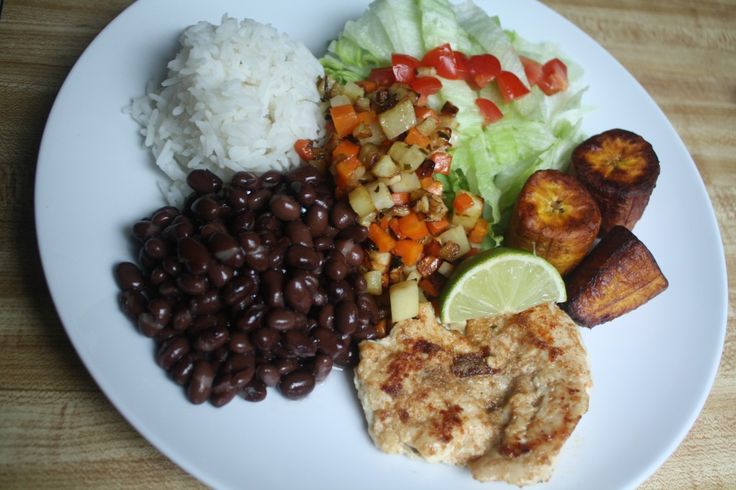
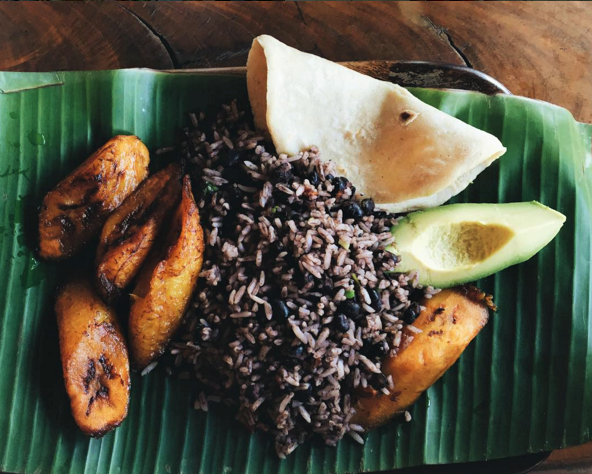
There are many traditional plantain dishes in Costa Rica that are still popular today. One of the most famous is Gallo Pinto, which is a breakfast dish made with rice, black beans, and diced plantains. Another popular dish is Casado, which is a lunch or dinner dish consisting of white rice, black beans, plantains, salad, and a choice of meat or fish. Tostones, fried plantain slices, are commonly served as a side dish or snack.

Modern Innovations with Plantains

In recent years, there have been many modern innovations with plantains in Costa Rican cuisine. One such innovation is plantain chips, which are thinly sliced and fried plantains that are a popular snack. Another innovation is plantain ceviche, which is made with diced ripe plantains, lime juice, onions, and cilantro. Plantain pancakes and waffles are also popular breakfast dishes in many cafes and restaurants.

Nutritional Benefits of Plantains

Plantains are a rich source of carbohydrates, fiber, and vitamins. They are also low in fat and cholesterol-free. The high fiber content in plantains helps keep the digestive system healthy. Plantains are also rich in potassium, which is essential for maintaining healthy blood pressure.

Conclusion: Embracing the Versatility of Plantains

Plantains are a staple in Costa Rican cuisine and are essential in many traditional dishes. They are also versatile and can be used in many different ways, from sweet to savory dishes. Plantains are also a rich source of nutrition, making them a healthy addition to any meal. Whether you are a local or a tourist, embracing the versatility of plantains in Costa Rican cuisine is an excellent way to experience the country’s rich culinary heritage.

Overview of Street Food in Croatia

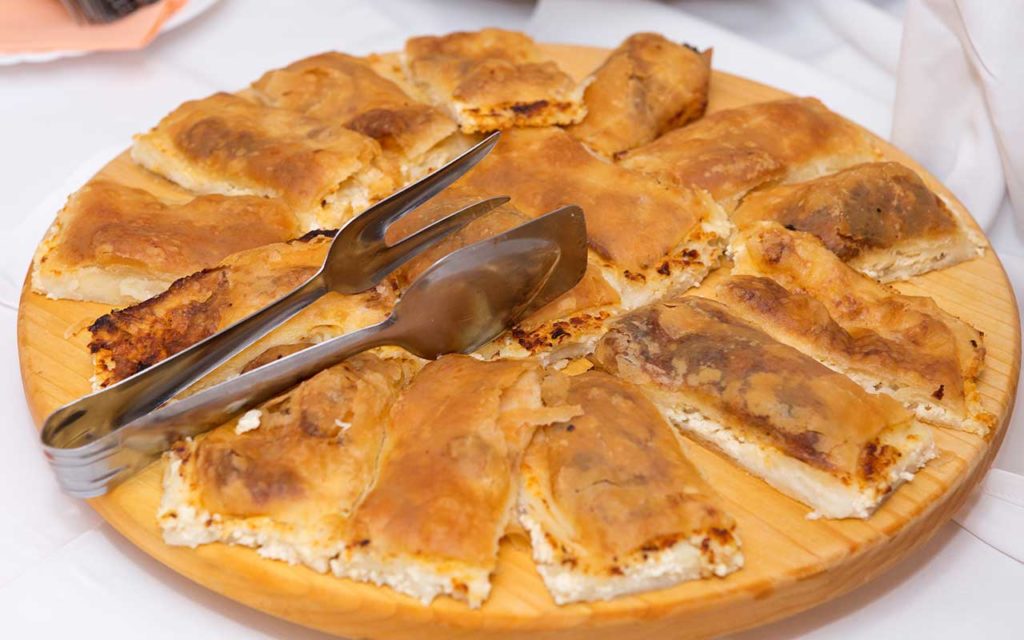
Street food is an integral part of Croatia’s food culture, offering locals and tourists alike an array of delicious and affordable food options. From savory pastries such as burek and strudel to sweet treats like kroštule and fritule, street food in Croatia has something for everyone. Many street food vendors operate out of small food carts or stands, often clustered around popular tourist attractions or local markets.

Regulations and Guidelines for Street Food Vendors

In Croatia, street food vendors are required to obtain a license from the local health authority. The license ensures that the vendor has undergone food safety training and is knowledgeable about proper food handling and storage techniques. Additionally, street food vendors must adhere to specific regulations and guidelines, including maintaining clean and sanitized equipment, storing food at appropriate temperatures, and displaying clear and accurate product information.

Food Safety Standards for Street Food in Croatia

Food safety is a top priority for street food vendors in Croatia, who are required to follow strict food safety standards to ensure the health and well-being of their customers. These standards include proper hand washing and personal hygiene practices, regular cleaning and disinfection of equipment and surfaces, and using only high-quality, fresh ingredients.

Inspection and Certification Process for Street Food

Street food vendors in Croatia are subject to regular inspections by the local health authority to ensure compliance with food safety regulations. Vendors who pass the inspection receive a certificate of compliance, which they are required to display at their food cart or stand. In addition to these routine inspections, the health authority also conducts random spot checks to ensure ongoing compliance.

Common Street Food Items and Their Safety Measures

Some of the most popular street food items in Croatia include burek, cevapi, and kroštule. To ensure their safety, vendors of these products must follow strict food safety standards, including cooking meat to the appropriate temperature, using fresh, high-quality ingredients, and storing food at the correct temperature.

Tips for Safe Street Food Consumption in Croatia

To ensure safe street food consumption in Croatia, it is important to choose vendors who display their license and certificate of compliance. Additionally, it is recommended to opt for freshly prepared food items and to avoid any food that appears to have been sitting out for a long period. It is also advisable to wash your hands before and after eating, and to carry hand sanitizer with you.

Complaint Procedure for Unsafe Street Food

If you encounter unsafe street food in Croatia, you should report it to the local health authority as soon as possible. The health authority will investigate the complaint and take appropriate action to ensure that the vendor is following food safety regulations. You may also consider reporting the issue to your hotel or tour operator.

Conclusion: Ensuring Safe Street Food in Croatia

Overall, street food in Croatia can be a safe and delicious way to experience the country’s food culture. By choosing licensed vendors, opting for freshly prepared food items, and following basic food safety practices, you can enjoy street food in Croatia without compromising your health and well-being. Remember that if you encounter any unsafe food practices, you should report them to the appropriate authorities to help ensure a safe and enjoyable experience for all.

Introduction: Croatian Cuisine and its Influences

Croatian cuisine is a reflection of the country’s unique cultural heritage and geographic location. As a meeting point of different civilizations, Croatia has been influenced by a variety of culinary traditions, including those of Italy and the Mediterranean. These influences have impacted the way Croatians eat and cook, resulting in a cuisine that is rich in flavors and textures.

Early Italian Influence on Croatian Cuisine

The Italian influence on Croatian cuisine can be traced back to the medieval period when the city-states of Venice and Dubrovnik had trade relations. As a result of this contact, Italian ingredients and cooking techniques were introduced to Croatian cuisine. One of the most significant contributions was the use of tomatoes, which are now a staple in many Croatian dishes, such as the popular tomato-based sauce called “blitva.” Another example is “pasticada,” a traditional Dalmatian dish that is made with beef, red wine, and spices, and is similar to the Italian “brasato.”

The Mediterranean Diet and Croatian Cooking

The Mediterranean diet has played an essential role in shaping Croatian cuisine. This eating pattern emphasizes the consumption of whole grains, fruits, vegetables, legumes, nuts, and olive oil, and has been associated with numerous health benefits. Many Croatian dishes incorporate these elements, such as “soparnik,” a type of savory pie made with Swiss chard, garlic, and olive oil, and “manestra,” a vegetable soup that includes beans, potatoes, and vegetables.

The Role of Olive Oil in Croatian Dishes

Olive oil is a fundamental ingredient in Croatian cuisine, and it is used in almost every dish. Olive trees have been growing in Croatia for centuries, and the country produces high-quality extra virgin olive oil. Croatians use olive oil to sauté vegetables, dress salads, and prepare meat and fish dishes. It is also a key ingredient in traditional dips and spreads, such as “ajvar” and “satarash.”

Seafood and the Adriatic in Croatian Cuisine

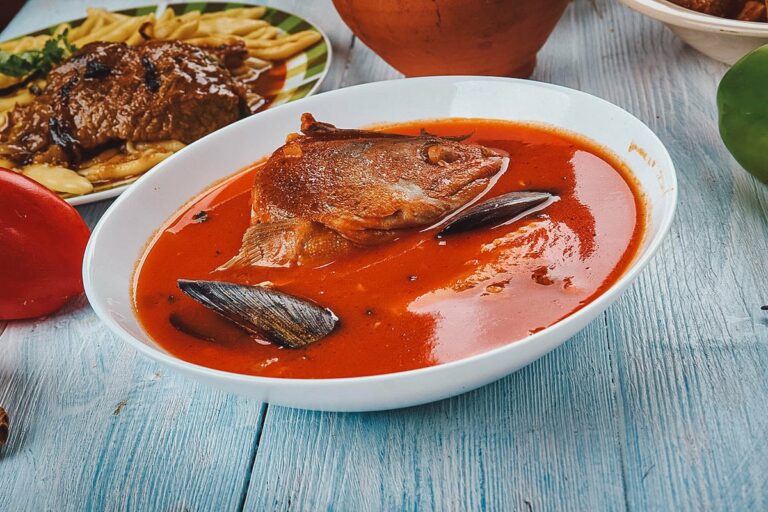
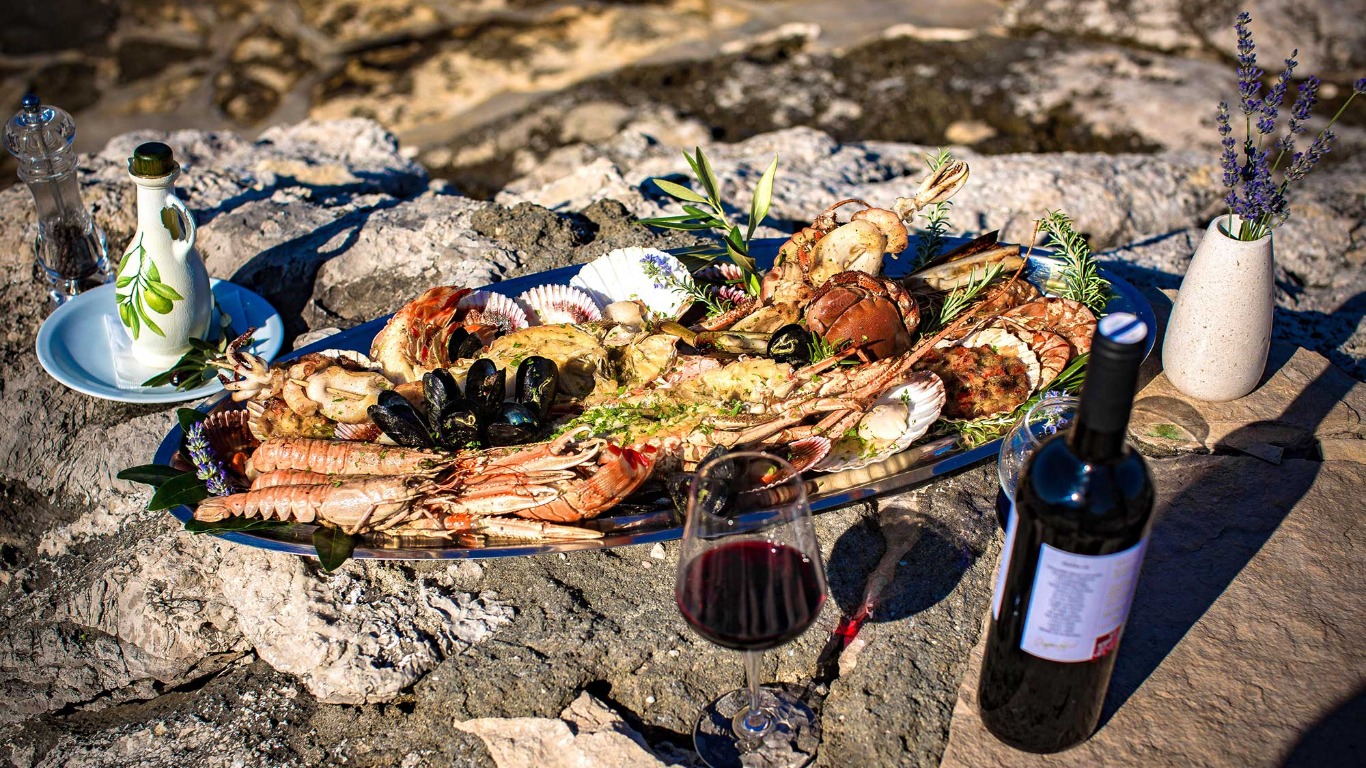
Croatia’s location on the Adriatic Sea has influenced its cuisine significantly. Seafood plays a central role in many dishes, such as “brodet,” a fish stew that includes various types of fish, shellfish, and vegetables. The Adriatic also provides a variety of fresh fish that are grilled or roasted with herbs and olive oil and served with traditional side dishes such as “blitva” or “peka.”

Pasta and Risotto in Croatian Cooking

Pasta and risotto are two Italian dishes that have become staples in Croatian cuisine. They are usually served as a side dish or a main course, and they are prepared with local ingredients such as mushrooms, truffles, and seafood. “Rizi-bizi” is a popular Croatian dish that combines rice, peas, and bacon, while “pljukanci” is a type of hand-rolled pasta that is often served with meat or fish sauce.

The Influence of Italian Wine on Croatian Gastronomy

Italy is famous for its wine, and its influence can be seen in the Croatian wine regions. Many of the grape varieties that grow in Croatia are similar to those found in Italy, such as Malvasia and Sangiovese. Italian winemaking techniques have also been adopted in some Croatian vineyards, resulting in high-quality wines that are enjoyed both domestically and internationally.

Conclusion: The Fusion of Italian and Croatian Cuisine

Croatian cuisine has been shaped by its geographic location and cultural heritage, including the influence of Italian and Mediterranean culinary traditions. These influences are evident in the ingredients, flavors, and cooking techniques used in Croatian dishes, resulting in a fusion cuisine that is unique and delicious. Croatians have embraced Italian and Mediterranean cuisine, adapting it to their tastes and incorporating it into their culinary traditions, creating a diverse and vibrant food culture.

Introduction: Croatian cuisine and Peka

Croatian cuisine is a reflection of the country’s diverse cultural influences and is known for its rich and varied flavors. One of the most iconic dishes of Croatian cuisine is Peka, which is a traditional way of cooking meat and vegetables in a special dome-shaped oven. Peka is not only a dish but also an integral part of Croatian culinary heritage, and it has been enjoyed for centuries by people across the country.

The origins and history of Peka

The origins of Peka can be traced back to the rural areas of Dalmatia and Istria, where it was traditionally prepared by shepherds and farmers. The word “Peka” is derived from the Italian word “peccia,” which means a cooking pot made of clay. Over time, Peka became a staple dish in Croatian cuisine, and it is now enjoyed by people across the country, particularly during special occasions such as weddings, christenings, and family gatherings.

What is Peka and how is it made?

Peka is a dish that consists of meat, vegetables, and herbs that are slow-cooked in a dome-shaped oven made of clay or metal. The oven is heated using a combination of wood and charcoal, which gives the dish its distinctive smoky flavor. The meat used in Peka is usually lamb, veal, or chicken, and it is marinated with a mixture of garlic, olive oil, and herbs such as rosemary, thyme, and bay leaves. The vegetables used in Peka are typically potatoes, onions, and bell peppers, which are sliced and arranged on top of the meat.

The ingredients used in Peka

The ingredients used in Peka are simple and wholesome, and they reflect the natural bounty of the Croatian countryside. As mentioned earlier, the meat used in Peka is usually lamb, veal, or chicken, and it is always fresh and locally sourced. The vegetables used in Peka are also fresh and are usually sourced from local farmers’ markets. The herbs used in Peka are typically rosemary, thyme, and bay leaves, which give the dish its distinctive aroma and flavor.

The cooking process of Peka

The cooking process of Peka is a slow and laborious one, but it is worth the wait. First, the meat is marinated for several hours in a mixture of garlic, olive oil, and herbs. Next, the vegetables are sliced and arranged on top of the meat, and the dome-shaped oven is heated using a combination of wood and charcoal. Once the oven is hot enough, the dish is placed inside and left to cook for several hours, during which time the meat and vegetables release their juices and flavors, creating a rich and savory dish.

Popular variations of Peka

There are several variations of Peka, which differ depending on the region and the ingredients used. In some parts of the country, for example, beef or pork is used instead of lamb or veal. In other regions, seafood such as octopus, squid, or fish is used, and the vegetables used in Peka may vary depending on the season. Despite these variations, the basic recipe for Peka remains the same, and the dish is always slow-cooked in a dome-shaped oven.

How Peka is served and eaten

Peka is typically served family-style, with the dish placed on a large platter in the middle of the table. The meat and vegetables are tender and succulent and are served with a side of potatoes or bread. Peka is usually eaten with a glass of red wine, which complements the rich flavors of the dish.

Conclusion: Why Peka is an essential part of Croatian culinary heritage

Peka is a dish that reflects the rich culinary history of Croatia and is an essential part of the country’s culinary heritage. The dish has been enjoyed for centuries by people across the country and is a symbol of community and tradition. Peka is not only a delicious and wholesome dish but also a celebration of the natural bounty of the Croatian countryside and the ingenuity of its people. For these reasons, Peka will continue to be a beloved and cherished dish for generations to come.
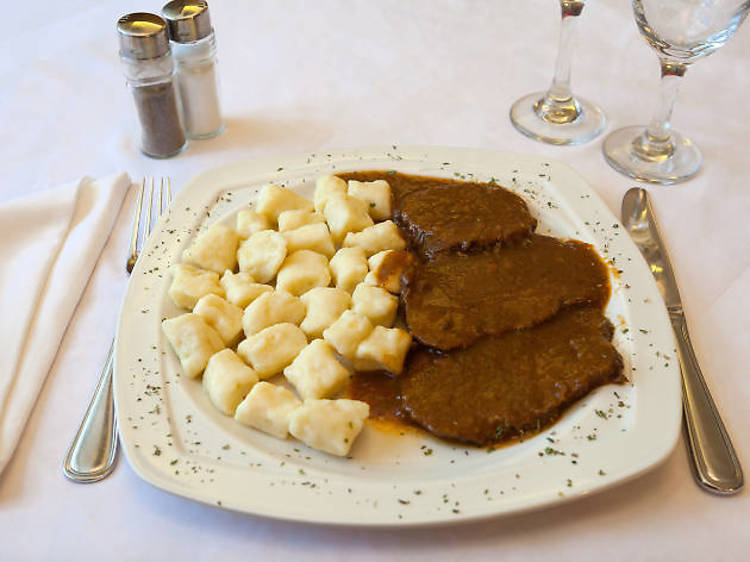
Introduction: Croatian Cuisine

Croatian cuisine is diverse and influenced by various neighboring countries such as Italy, Hungary, and Austria. The cuisine is known for its use of fresh ingredients and traditional cooking techniques. The cuisine also varies greatly across different regions of the country, each with its unique flavors and specialties.

Coastal Croatia: Seafood Paradise

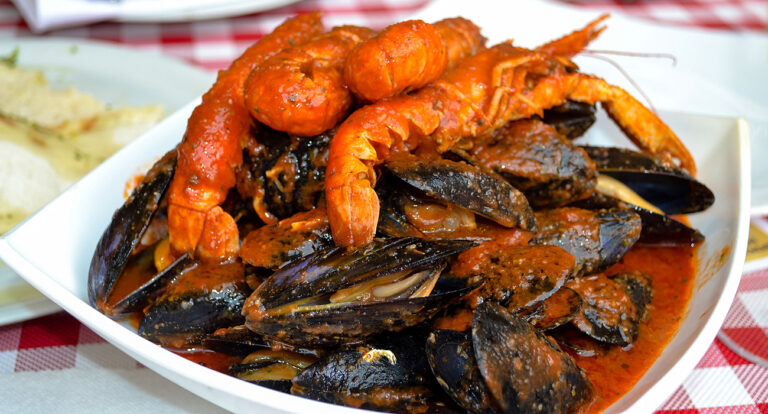
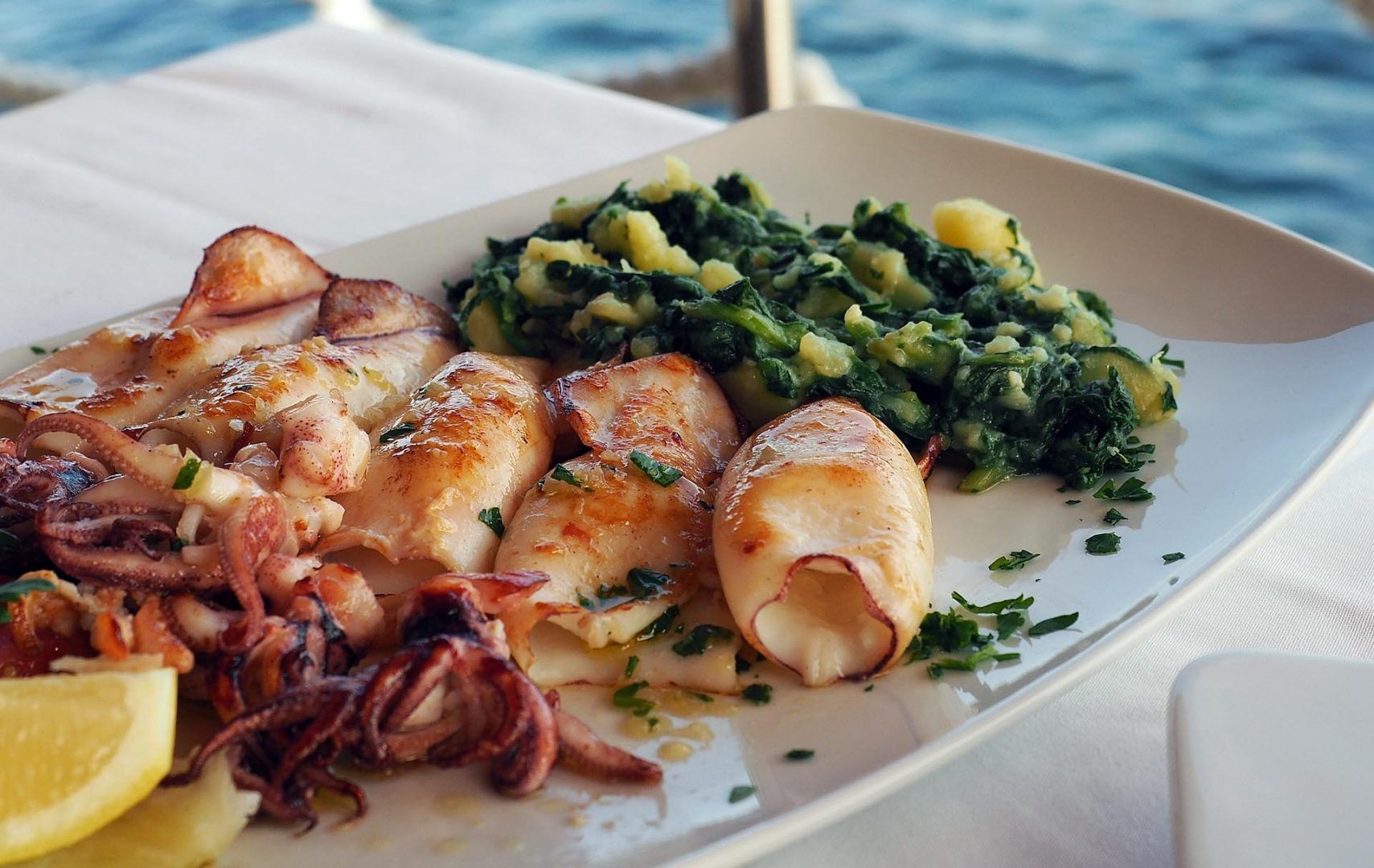
Coastal Croatia, with its long coastline and numerous islands, offers a plethora of seafood dishes. The cuisine is characterized by the use of fresh seafood such as prawns, squid, and octopus, usually grilled or served in stews. The dishes are often accompanied by olive oil, garlic, and parsley. Notable seafood dishes include black risotto, a dish made with squid ink and rice, and buzara, a seafood stew with tomatoes, garlic, and white wine.

Inland Croatia: Meat and Dairy

Inland Croatia is known for its meat dishes, particularly pork and lamb, often roasted or grilled. The cuisine also features dairy products such as cheese and sour cream, used in dishes like strukli, a pastry filled with cottage cheese and sour cream. Inland Croatia is also known for its hearty stews such as cobanac, a spicy meat stew with vegetables.

Zagreb: Fusion of Traditions

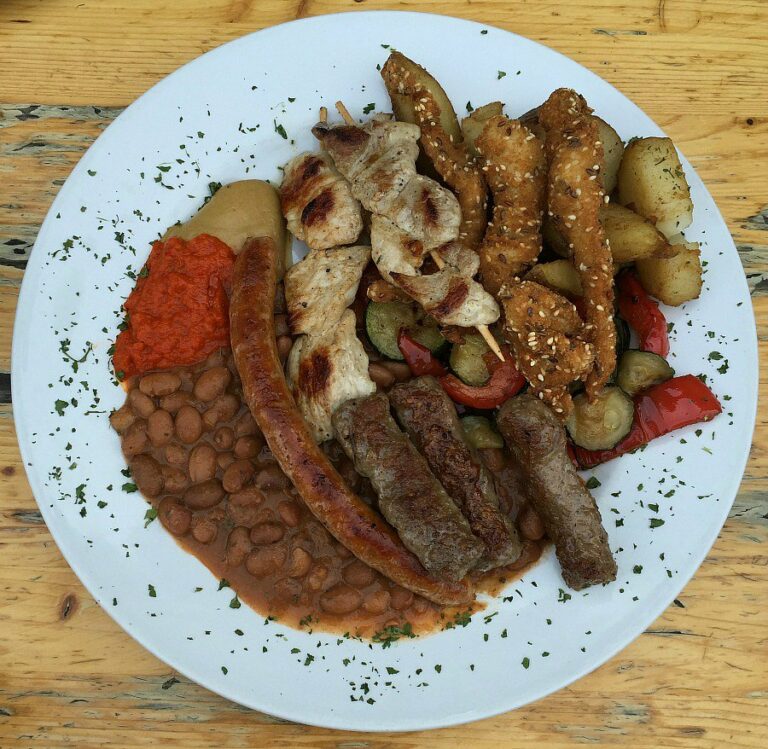
Zagreb, the capital city of Croatia, offers a fusion of traditional Croatian cuisine and international flavors. The cuisine features dishes such as ćevapi, a grilled dish of minced meat served with flatbread, and schnitzel, a dish of breaded meat usually served with potatoes. The city is also known for its street food, including the popular dish of langos, fried dough topped with cheese, sour cream, and garlic.

Dalmatia: Mediterranean Influence

Dalmatia, a region on the Adriatic coast, is influenced by Mediterranean cuisine. The cuisine features fresh seafood dishes such as octopus salad and grilled sardines, often accompanied by olive oil and vegetables. The region is also known for its wine, particularly red wines made from indigenous grape varieties.

Slavonia: Spicier and Heartier

Slavonia, a region in eastern Croatia, features spicier and heartier cuisine. The dishes are often made with pork, paprika, and garlic. Popular dishes include kulen, a spicy sausage, and čobanac, a stew made with various meats and vegetables. Slavonia is also known for its wine, particularly white wines made from local grape varieties.

Istria: Italian Flavors

Istria, a region in the northwest of Croatia, is influenced by Italian cuisine. The region features dishes such as fuži, a pasta dish served with a sauce made with truffles, and maneštra, a vegetable soup with beans and potatoes. The region is also known for its olive oil, wine, and truffles.

Conclusion: The Diversity of Croatian Cuisine

Croatian cuisine is diverse and influenced by various neighboring countries. Each region of the country has its unique flavors and specialties, from seafood dishes in coastal Croatia to hearty stews in Slavonia. Whether it’s meat, seafood, or vegetables, Croatian cuisine offers a range of delicious dishes for food lovers to savor.

Introduction: Croatian Breakfast Culture

Croatia is a country steeped in tradition, and its breakfast options reflect this. Breakfast in Croatia is typically a substantial meal, with a focus on locally sourced, fresh ingredients. While there are regional variations, there are several staples that can be found across the country, including bread, dairy products, cured meats, and sweet spreads.

The Classic Croatian Breakfast: Kava & Kruh

The classic Croatian breakfast consists of kava (coffee) and kruh (bread), usually served with butter and jam. The bread can be anything from a freshly baked sourdough to a traditional, round loaf called lepinja. In some regions, the bread is toasted and served with a soft-boiled egg for added protein. This breakfast may seem simple, but it is delicious and satisfying, perfect for fueling a day of sightseeing or outdoor activities.

Fresh Dairy Products: Sir, Kajmak, and Jogurt

Dairy products are an integral part of the Croatian breakfast spread. Sir (cheese) is a staple, and there are many varieties to choose from, including fresh cow’s milk cheese to aged sheep’s milk cheese. Kajmak is a creamy spread made from simmering milk until it thickens and forms a crust. It is often served on bread or with meat dishes. Jogurt (yogurt) is also popular and is often served with fresh fruit or granola for added texture.

The Savory Side: Šunka, Salama, and Kulen

Cured meats are a common addition to the Croatian breakfast table. Šunka (ham) is a staple, often served thinly sliced with bread and cheese. Salama (salami) and kulen (spicy sausage) are also popular choices and can be found in most markets and delis. These meats provide a protein-rich start to the day and are perfect for those who prefer a savory breakfast.

The Sweet Side: Med, Marmelada, and Čokolada

Sweet spreads are an essential part of the Croatian breakfast experience. Med (honey) is a popular choice and is often served with fresh bread and cheese. Marmelada (marmalade) is a sweet fruit spread that can be made from a variety of fruits, including orange, lemon, and fig. Čokolada (chocolate) is also a favorite, often spread on bread or served with hot milk for a sweet and decadent start to the day.

Traditional Croatian Pastries: Burek and Fritule

Croatia is famous for its pastries, and many of these delicacies can be found on breakfast menus. Burek is a savory pastry made with flaky dough and filled with meat, cheese, or spinach. Fritule are small, fried doughnuts that are often served with powdered sugar or honey. These pastries are perfect for those who want a heartier breakfast or a sweet treat to start the day.

Regional Breakfast Specialties: From Zagreb to Dubrovnik

Every region in Croatia has its own specialty breakfast dish. In Zagreb, štrukli (a savory pastry filled with cheese) is a local favorite. On the coast, fresh fish and seafood dishes are popular, with traditional breakfasts often featuring grilled sardines or octopus salad. Dubrovnik is famous for its rožata, a sweet custard dessert made with eggs, sugar, and lemon zest. Exploring the regional breakfast specialties is a great way to experience the diversity of Croatian cuisine.

Accompanying Beverages: Rakija, Čaj, and Sok

Beverages are an important part of the Croatian breakfast experience. Rakija is a traditional, fruit brandy that is often served as a digestif after meals. However, some Croatians enjoy it with breakfast as well. Čaj (tea) is also common, with many varieties to choose from, including herbal teas and blends made from local ingredients. Sok (juice) is a refreshing option and can be found in most cafes and restaurants, with cherry and grape juice being popular choices.

In conclusion, breakfast in Croatia is a delicious and varied affair, with something to suit every palate. Whether you prefer savory or sweet, hearty or light, the traditional breakfast options in Croatia have got you covered. So, next time you find yourself in Croatia, be sure to sample some of these delicious breakfast dishes and experience the rich culinary heritage of this beautiful country.

Introduction: The Importance of Seafood in Croatian Cuisine

Seafood has always played a crucial role in Croatian cuisine. With a coastline that extends over 1,100 miles, it is no surprise that seafood features prominently in the culinary traditions of the country. From ancient times, the Adriatic Sea has been a source of sustenance for the people living along its shores, and today, seafood remains an important part of Croatian culture and identity.

A Rich Maritime Tradition: Croatia’s Geographic Location

Croatia is situated at the crossroads of the Mediterranean, Central Europe, and the Balkans, and its cuisine reflects this diverse cultural heritage. The country’s long coastline, which stretches from Istria in the north to Dubrovnik in the south, is home to a rich variety of fish and seafood. Some of the most prized catches include sea bass, sea bream, sardines, and octopus. Croatian fishermen have been plying the waters of the Adriatic for centuries, and their expertise is reflected in the quality of the seafood that is served in the country’s restaurants and markets.

Croatian Seafood Dishes: From Traditional to Modern

Croatian cuisine is known for its simplicity and emphasis on fresh, locally sourced ingredients, and seafood is no exception. One of the most iconic Croatian seafood dishes is brodet, a rich fish stew that is traditionally made using a variety of fish and shellfish, such as cuttlefish, squid, mussels, and scampi. Other popular dishes include grilled fish, fish soups, and pasta dishes featuring seafood. In recent years, there has been a trend towards more modern and innovative seafood dishes, with chefs experimenting with new flavor combinations and presentations.

The Most Popular Fish in Croatian Cuisine

Some of the most commonly consumed fish in Croatia include sea bass, sea bream, mackerel, sardines, and tuna. These fish are typically prepared simply, using olive oil, garlic, and lemon juice to enhance their natural flavors. Octopus is another popular ingredient, and is often grilled or used in salads and pasta dishes.

Croatian Seafood Markets: Where to Find the Best Catch

Croatia’s seafood markets are a must-visit for anyone interested in trying the country’s fresh seafood. Some of the best markets are located in the coastal cities of Dubrovnik, Split, and Rijeka, where visitors can browse an array of fish and shellfish, including some of the lesser-known varieties. Local fishermen bring their catches directly to the markets, ensuring that the seafood is as fresh as possible.

The Influence of Italian Cuisine on Croatian Seafood

Croatia’s proximity to Italy has had a significant impact on its culinary traditions, and seafood is no exception. Italian dishes like risotto and pasta with seafood have become popular in Croatia, and many local chefs have put their own spin on these classic recipes. The use of olive oil, garlic, and other Mediterranean ingredients is also common in Croatian seafood dishes.

Pairing Croatian Seafood with Local Wines

Croatia has a rich wine-making tradition, and there are many local wines that pair perfectly with seafood. Some of the most popular varieties include white wines like Malvasia and Pošip, which have a crisp acidity that complements the flavors of seafood. Red wines like Plavac Mali and Teran can also be a good match, especially when paired with heartier dishes like grilled tuna.

Sustainable Seafood Practices in Croatia: A Growing Concern

As in many other countries, there is growing concern in Croatia about the sustainability of the seafood industry. Overfishing and pollution are major threats to the Adriatic Sea, and there are fears that some species of fish are being depleted. In recent years, there has been a push towards more sustainable fishing practices, and many restaurants and markets now offer certified sustainable seafood. By choosing to eat sustainably sourced seafood, consumers can help to ensure that this important part of Croatian cuisine is preserved for future generations.

Introduction: Croatian cuisine and olive oil

Croatian cuisine is known for its fresh ingredients, Mediterranean influence, and rich flavor. Olive oil is a staple ingredient in many Croatian dishes, providing a healthy and flavorful base. Olive oil is used in a variety of ways in Croatian cuisine, from cooking to drizzling over finished dishes. In this article, we will explore the history of olive oil in Croatian cuisine, its production, types used, health benefits, and traditional and modern dishes that feature this versatile ingredient.

History of olive oil in Croatian cuisine

Olive oil has been used in Croatian cuisine for centuries. The ancient Greeks and Romans introduced olive trees to Croatia, and olive oil quickly became an important ingredient in local dishes. Olive oil was used in cooking, as a dressing for salads and vegetables, and as a dip for bread. In coastal regions, olive oil was also used for preserving fish and other seafood.

Production of olive oil in Croatia

Croatia is a small but significant producer of olive oil, with over 4 million olive trees and over 60 olive varieties. Olive groves are mainly found in the coastal regions of Istria, Dalmatia, and the island of Brač. The olive harvest usually takes place in late autumn, and the olives are crushed and pressed to extract the oil. Croatian olive oil is known for its high quality and fruity flavor, and it is often sold in small batches by local producers.

Types of olive oil used in Croatian dishes

Croatian cuisine uses different types of olive oil depending on the dish. Extra virgin olive oil, made from the first pressing of the olives, is the highest quality and is often used for drizzling over cooked dishes or for making dressings. Virgin olive oil, made from the second pressing, is slightly lower in quality but still has a good flavor. It is often used for cooking or for making marinades. Light olive oil, made from a blend of cold-pressed and processed oils, is a milder oil that is sometimes used for frying.

Health benefits of olive oil in Croatian cuisine

Olive oil has many health benefits, and it is a key ingredient in the Mediterranean diet, which has been shown to have numerous health benefits. Olive oil is high in monounsaturated fatty acids, which can help lower cholesterol levels and reduce the risk of heart disease. It is also high in antioxidants, which can help protect against cancer and other diseases.

Traditional Croatian dishes made with olive oil

Olive oil is used in many traditional Croatian dishes. One popular dish is crni rižot, a black risotto made with squid ink, rice, and olive oil. Olive oil is also used in brodet, a fish stew that is a specialty of Dalmatia. In Istria, olive oil is used to make maneštra, a vegetable soup that is cooked with potatoes, beans, and other vegetables.

Modern twists on Croatian cuisine using olive oil

Chefs in Croatia are experimenting with new ways to use olive oil in their dishes. Some are using olive oil to create modern versions of traditional dishes, while others are using it in new and unexpected ways. For example, some chefs are drizzling olive oil over ice cream or using it to make salad dressings with unusual flavor combinations.

Conclusion: Olive oil in Croatian cuisine – a staple ingredient

Olive oil is a key ingredient in Croatian cuisine, and it has been used in local dishes for centuries. The high quality and fruity flavor of Croatian olive oil makes it a popular ingredient in many traditional and modern dishes. Whether used for cooking, dressing, or dipping, olive oil is an essential part of the rich and flavorful cuisine of Croatia.

Introduction: Understanding Croatian Cuisine

Croatian cuisine is a blend of various cultural influences that have shaped the country’s culinary traditions over time. Located at the crossroads of Central Europe, the Mediterranean, and the Balkans, Croatia’s food culture is a reflection of its diverse history and geography. From coastal seafood dishes to hearty meat stews, Croatian cuisine is known for its rich, flavorful, and often rustic flavors.

Historical Influences on Croatian Cuisine

Croatian cuisine has been shaped by various historical influences, including the arrival of the Illyrians, Romans, Slavs, and Hungarians. The country’s coastal regions were also influenced by Venetian and Ottoman cuisine. These cultural influences have left their mark on Croatian cuisine, evident in the dishes and ingredients used in traditional recipes. For example, the coastal region is known for its seafood dishes, while the continental regions are known for their meat-based stews and soups.

Food as a Symbol of Unity and Identity

Food is an essential part of Croatian culture, and it plays a significant role in bringing people together. Croatian cuisine has the power to unite people, regardless of their background or beliefs. Sharing food is a way of expressing hospitality and welcoming others into one’s home. It is also a way of preserving traditions and passing them on to future generations.

Regional Differences in Croatian Cuisine

Croatian cuisine is diverse, with significant regional differences in ingredients and culinary traditions. The coastal region is known for its seafood dishes, while the continental regions are known for their hearty stews and soups. The northern regions are known for their use of freshwater fish, such as carp and trout, while the eastern regions are known for their paprika-based dishes.

Traditional Croatian Dishes and Ingredients

Some of the most popular traditional Croatian dishes include Peka, which is a meat and vegetable dish cooked in a bell-shaped dome over an open fire, and Crni Rizot, a black risotto made with squid ink. Other popular ingredients in Croatian cuisine include lamb, pork, beef, and freshwater fish. Olive oil, garlic, and herbs such as rosemary, thyme, and bay leaf are also common ingredients in many Croatian dishes.

Importance of Food in Croatian Celebrations

Food plays a central role in Croatian celebrations, such as weddings, baptismal parties, and Christmas and Easter feasts. These events are often marked by the preparation of traditional dishes, such as turkey with mlinci (pasta-like side dish), sarma (cabbage rolls), and fritule (doughnut-like dessert). These dishes help to bring people together and create a sense of community and celebration.

Modern Takes on Traditional Croatian Cuisine

While traditional Croatian cuisine remains popular, there is also a growing trend towards modern, innovative cuisine in the country’s restaurants. Many chefs are incorporating traditional ingredients and techniques into modern dishes, creating a fusion of old and new. This approach has helped to promote Croatian cuisine and make it more accessible to a broader audience.

Conclusion: Preserving and Celebrating Croatian Food Culture

Croatian cuisine is a reflection of the country’s diverse history and geography. It is an essential part of the country’s cultural heritage, and it plays a vital role in bringing people together. By preserving and celebrating traditional dishes and ingredients, Croatian cuisine can continue to evolve and thrive, ensuring that it remains an integral part of the country’s cultural identity.