Tag

timorese

Browsing

Introduction: Timorese cuisine and its influences

Timorese cuisine is a unique blend of indigenous and colonial influences. It is a reflection of the country’s rich cultural heritage and its historical ties with neighboring countries like Indonesia and Australia. Despite being a small island nation, Timor-Leste is known for its diverse and flavorful dishes that use a wide range of ingredients, from seafood and coconut to rice and spices.

The historical and cultural context of Timor-Leste

Timor-Leste has a complex history that has shaped its cuisine over the centuries. The island has been inhabited by various ethnic groups, including Austronesian and Melanesian tribes, Portuguese colonizers, and Indonesian rulers. Each of these cultures has left their mark on Timorese cuisine, resulting in a diverse culinary tradition that is unique to the country.

Indonesian influences on Timorese cuisine

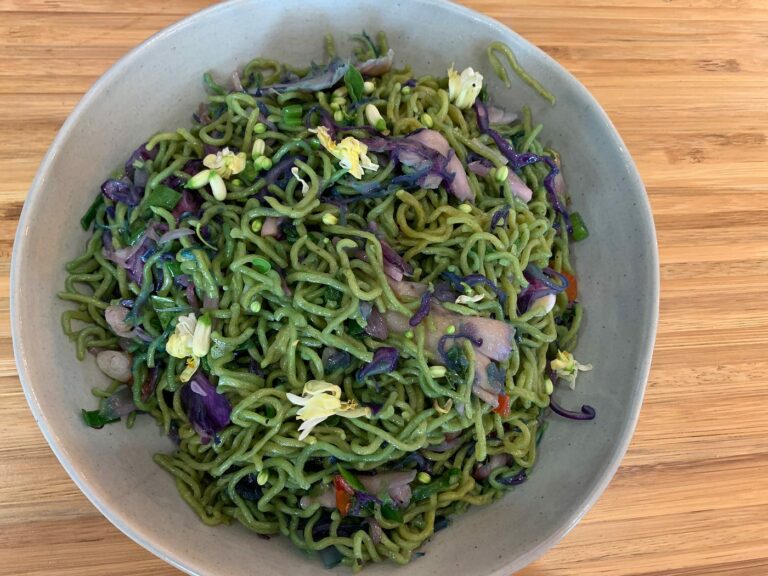
Indonesia is Timor-Leste’s closest neighbor, and the two countries share many cultural similarities. Indonesian cuisine has had a significant impact on Timorese food, particularly in the eastern part of the country. Some of the Indonesian-influenced dishes in Timor-Leste include nasi goreng, mie goreng, and sate. These dishes use similar ingredients to Indonesian cuisine, such as soy sauce, rice, noodles, and spices.

Australian influences on Timorese cuisine

Australia’s influence on Timorese cuisine is more recent than Indonesia’s but is still significant. During the Indonesian occupation of Timor-Leste, many Timorese people fled to Australia, where they shared their culinary traditions with the local population. As a result, some Australian dishes have made their way into Timorese cuisine, such as meat pies and sausage rolls. Additionally, Australian ingredients like beef and lamb are now commonly used in Timorese cuisine.

The fusion of Timorese and neighboring cuisines

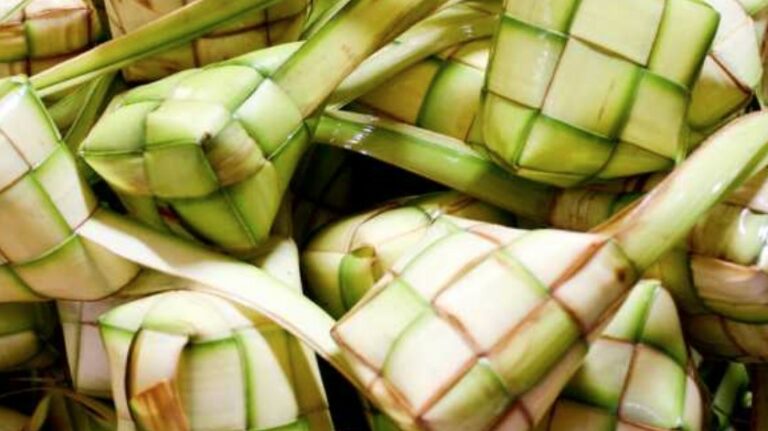
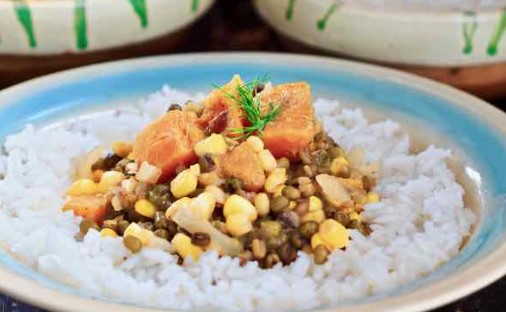
While Timorese cuisine has been influenced by neighboring countries, it has also evolved into its own unique style. Timorese cooks have combined traditional ingredients and cooking methods with foreign influences to create a fusion cuisine that is both familiar and distinct. For example, a popular Timorese dish called batar da’an is a mix of rice, corn, and coconut, cooked in banana leaves, and is similar to Indonesian nasi uduk.

Conclusion: The unique flavors of Timorese cuisine

In conclusion, Timorese cuisine is a fascinating blend of indigenous, Portuguese, Indonesian, and Australian influences. While some dishes are clearly influenced by neighboring countries, others are entirely unique to Timor-Leste. Timorese cuisine is a testament to the country’s diverse cultural heritage and is a must-try for anyone visiting the country. Whether you’re a fan of seafood, meat, or vegetables, there’s something for everyone in Timorese cuisine.
Introduction: Timorese cuisine

Timorese cuisine is a unique blend of Southeast Asian and Pacific Island flavors. The cuisine of Timor-Leste, also known as East Timor, reflects the country’s cultural diversity and history. The cuisine is heavily influenced by the Portuguese, who colonized the country for centuries, as well as neighboring countries such as Indonesia and Australia.

Importance of rice in Timor-Leste

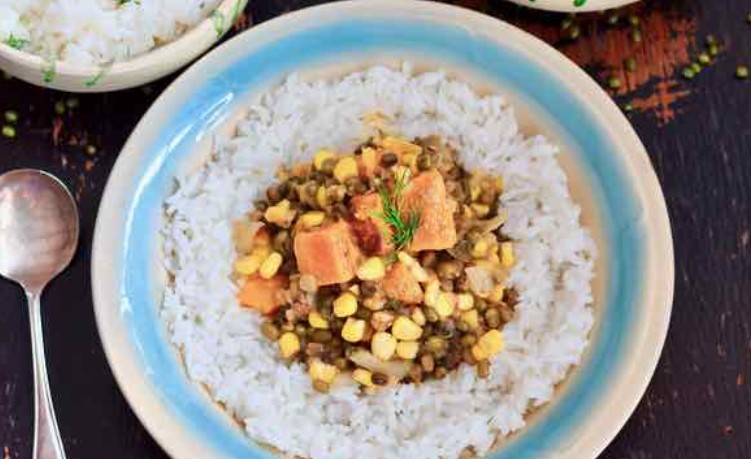
Rice is a staple food in Timor-Leste and is an essential part of the country’s cuisine. It is the primary source of carbohydrates and is used in most meals. Rice is considered a symbol of prosperity, and it is an integral part of Timorese cultural heritage. It is served at almost every meal, from breakfast to dinner, and is often consumed with vegetables, fish, meat, or beans.

Varieties of rice used in Timorese cooking

There are several varieties of rice used in Timorese cuisine, including white rice, black rice, and glutinous rice. White rice is the most commonly used variety and is usually served with a variety of side dishes. Black rice, also known as “forbidden rice,” has a nutty flavor and is used in sweet dishes such as rice pudding or cake. Glutinous rice, also known as sticky rice, is used in traditional Timorese desserts such as bolo de arroz.

Traditional rice-based dishes in Timor-Leste

Some of the traditional rice-based dishes in Timor-Leste include arroz maluco (crazy rice), nasi goreng (Indonesian-style fried rice), and arroz de coco (coconut rice). Arroz maluco is a spicy dish made with rice, vegetables, and meat or fish. Nasi goreng is a popular breakfast dish that is made with leftover rice, vegetables, and meat or seafood. Arroz de coco is a sweet dish made with rice, coconut milk, and sugar.

Rice cultivation and harvest in Timor-Leste

Rice cultivation is a vital part of Timor-Leste’s economy and society. Rice is grown in both upland and lowland areas, with most of the rice production occurring in the lowlands. The majority of the rice harvest is done by hand, and most of the farmers use traditional farming methods. However, modern farming techniques such as mechanization and irrigation are slowly being introduced to increase productivity and yield.

Future of rice in Timorese cuisine and economy

Rice will continue to play a significant role in Timorese cuisine and economy in the future. The government has implemented policies and programs to support rice production, including the establishment of a national rice research center and the distribution of high-yield rice varieties to farmers. The country’s rice exports have also been increasing, providing an opportunity for economic growth. As the country continues to develop, rice will remain an essential part of Timorese life and cuisine.

Introduction: Timorese cuisine during cultural festivals

Timor-Leste, a small island nation in Southeast Asia, is home to a rich and diverse cuisine that draws inspiration from both its Southeast Asian and Portuguese colonial influences. During cultural festivals or celebrations, Timorese cuisine takes center stage as families and communities come together to share meals and traditional dishes that have been passed down from generation to generation. From seafood to curries to desserts, Timorese cuisine offers a unique blend of flavors and textures that reflect the country’s rich cultural heritage.

Celebrating with Ikan Sabuko: a popular fish dish

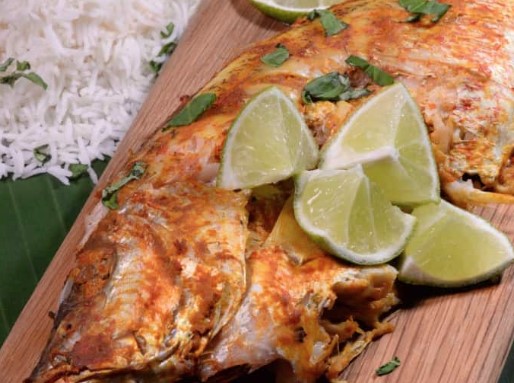
One of the most popular dishes during cultural festivals in Timor-Leste is Ikan Sabuko, a dish made with grilled or fried fish that is marinated in a blend of spices and herbs. This dish is typically served with rice and a side of vegetables or sambal, a spicy condiment made from chili peppers, onions, and lime. Ikan Sabuko is a versatile dish that can be prepared using a variety of fish, including snapper, tuna, or mackerel, and it is often served during weddings, baptisms, and other special occasions.

The significance of Batar Daan: a cultural staple

Batar Daan is a traditional Timorese dish that consists of rice cooked with grated coconut and served with a variety of side dishes, such as fish, meat, and vegetables. This dish is a cultural staple in Timor-Leste and is often served during cultural festivals and important events. Batar Daan is more than just a dish, however, as it symbolizes the importance of community and sharing in Timorese culture. It is common for families and communities to come together to prepare and share this dish, with each person contributing a different side dish or ingredient.

Exploring the flavors of Caril: chicken curry Timorese style

Caril is a spicy chicken curry that is a popular dish during cultural festivals in Timor-Leste. This curry is made with chicken, coconut milk, and a blend of spices and herbs that give it a unique flavor. Caril is typically served with rice and a side of vegetables or sambal, and it is a great dish for those who enjoy spicy food. The dish varies in spiciness depending on the recipe, but it is always filled with flavor and packed with nutrients.

Savoring the sweetness of Tukir: a festive dessert

Tukir is a traditional Timorese dessert that is typically served during cultural festivals and other special occasions. This dessert is made with coconut milk, sugar, and sago pearls, which are small, translucent balls made from the sago palm. Tukir is often served cold and is a refreshing treat that is perfect for hot summer days. It is also a great dessert to share with friends and family, as it can be prepared in large batches and served in small bowls.

The importance of sharing meals in Timorese culture

In Timorese culture, sharing meals is an important aspect of community and family life. During cultural festivals and celebrations, families and communities come together to share traditional dishes and enjoy the company of one another. The act of sharing a meal is more than just about eating; it is about bonding and strengthening relationships. This tradition is deeply ingrained in Timorese culture and is something that is cherished and valued by all who participate in it.

Introduction: Timorese Cuisine

Timor-Leste, also known as East Timor, is a small country located in Southeast Asia. With a unique blend of Portuguese, Indonesian, and Malayan influences, Timor-Leste has developed a distinct culinary scene. Timorese cuisine is known for its use of fresh, locally sourced ingredients and bold flavors. The food is often simple, hearty, and perfect for those seeking a taste of authentic Southeast Asian cuisine.

Rice-based Dishes

Rice is a staple food in Timor-Leste, and most traditional Timorese dishes are rice-based. One popular rice dish is Arroz Branco, which is simply boiled rice served with a variety of sides such as steamed vegetables, grilled meat, and spicy sambal sauce. Another popular rice dish is Batar Da’an, which is a mixture of rice, corn, and coconut milk cooked together to create a flavorful and creamy texture. This dish is usually served with fried fish or chicken.

Sopas: A Popular Soup

Sopas is a traditional Timorese soup that is often served as a main course. It is made with chicken, vegetables, and noodles, and is cooked in a rich, flavorful broth. This soup is typically served with bread or rice. Sopas is not only delicious but also a great way to warm oneself up during the cooler months.

Grilled Meat and Fish

Grilled meat and fish are popular dishes in Timor-Leste. Grilled fish such as Tuna, Marlin, and Swordfish are commonly found in local markets. These are usually marinated in a mixture of soy sauce, garlic, and lime juice before being grilled to perfection. Another popular dish is Carne de Porco Alentejana, which is a Portuguese-inspired dish made with pork, clams, and potatoes. The meat is diced and cooked in a spicy marinade with garlic, onion, and tomatoes before being served with the clams and potatoes.

Vegetarian Options

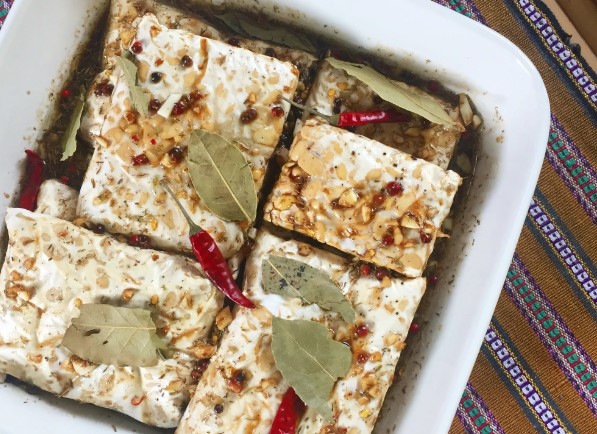
For those who prefer vegetarian options, Timor-Leste has a variety of dishes to choose from. One popular dish is Ikan Asin, which is a stir-fry made with dried salted fish, green beans, and chili. Another option is Feijoada, a hearty bean stew made with a variety of beans, vegetables, and spices. Vegetarian versions of these dishes are also available, with tofu or tempeh replacing the meat.

Sweets and Drinks

Timor-Leste has a variety of sweets and drinks to choose from. One popular sweet is Belecau, a dessert made with coconut milk, rice flour, and palm sugar. Another sweet is Koto, which is a rice cake made with caramelized sugar and coconut milk. As for drinks, coffee is a staple in Timor-Leste, with many locals growing and producing their coffee. Tea is also popular, and a popular local drink is Tuak, a fermented palm wine that is often served during celebrations and special occasions.

In conclusion, Timor-Leste has a unique and diverse culinary scene that is worth exploring. From rice-based dishes to grilled meat and fish, and vegetarian options, there is something for everyone. Don’t forget to try their sweets and drinks, a perfect way to end a meal or cool off from the tropical heat.

Introduction: Timorese cuisine

Timor-Leste, also known as East Timor, is a Southeast Asian country located on the eastern half of the island of Timor. Its cuisine is influenced by its colonial history and neighboring countries, such as Indonesia and Portugal. The traditional dishes incorporate rice, noodles, vegetables, and seafood, as well as spices like turmeric, ginger, and coriander. While Timorese cuisine may not be as well-known as other Southeast Asian cuisines, it offers a variety of unique and flavorful dishes.

Traditional Timorese sweets

The Timorese are known for their love of sweets and desserts. Although they may not have a wide variety of desserts like other Southeast Asian countries, the ones they do have are delicious. Many of the traditional sweets are made with ingredients like coconut, palm sugar, and rice flour. They’re often served during special occasions like weddings, festivals, and other celebrations.

Ondel-ondel: a popular Timorese treat

One of the most popular Timorese sweets is ondel-ondel. It’s a deep-fried pastry that’s filled with coconut and palm sugar. The dough is made with rice flour and coconut milk, then wrapped around the filling before being fried until crispy. Ondel-ondel has a sweet and slightly salty flavor, making it a popular snack or dessert.

Tukir: Timorese cake with coconut

Tukir is a cake made with grated coconut and rice flour. It’s similar to a sponge cake but has a more dense and chewy texture. Tukir is often served during festivals and celebrations and is a popular snack in Timor-Leste. It’s typically eaten on its own or with a cup of coffee or tea.

Sagu: Timorese pudding made with sago

Sagu is a pudding made with sago, a type of starch extracted from palm stems. The sago beads are cooked in a sweet coconut milk mixture until they turn translucent and gelatinous. Sagu is often served chilled and topped with fruit or coconut. It has a refreshing and sweet flavor that makes it a popular dessert in Timor-Leste.

Conclusion: Timorese sweets worth trying

Although Timor-Leste may not be as well-known for its sweets as other Southeast Asian countries, it has a variety of delicious and unique desserts worth trying. From the crispy ondel-ondel to the chewy tukir and refreshing sagu, Timorese sweets offer a different and exciting taste experience. If you ever visit Timor-Leste, be sure to try these traditional sweets and indulge in the country’s rich and flavorful cuisine.

Introduction: Timorese Cuisine

Timorese cuisine is a blend of Portuguese, Southeast Asian, and Indonesian influences. The small island nation of Timor-Leste, located in Southeast Asia, boasts of a diverse array of traditional and contemporary dishes that utilize exotic spices and fresh seafood. The unique blend of cultures and flavours make Timorese cuisine, and its accompanying condiments and sauces, a must-try for food lovers around the world.

The Role of Condiments and Sauces

Condiments and sauces are an essential part of Timorese cuisine, as they add flavour and texture to the dishes. They are typically served on the side, allowing diners to add as much or as little as they like to customize their meals. They are also used as marinades or dips for various appetizers and snacks.

The Most Common Timorese Condiments

One of the most popular Timorese condiments is batar da’an, a spicy sauce made from diced tomato, onion, garlic, and chili pepper. It is commonly used as a dip for roasted sweet potato or cassava. Another popular condiment is tukir, a paste made from grated coconut, shallots, chili pepper, and lime. It is often served with grilled fish or meat dishes.

The Popular Timorese Sauces

Sambal is a spicy sauce made from chili pepper, garlic, and vinegar that is commonly used in Timorese cuisine. It is used as a condiment for various dishes, including grilled meats and seafood. Another popular sauce is molho cru, a mixture of lime juice, chopped onion, and chili pepper. It is typically served as a topping for grilled fish.

Traditional and Modern Flavours

Some traditional Timorese condiments and sauces, such as batar da’an and tukir, have been around for centuries. However, there are also modern variations that incorporate ingredients like mayonnaise and ketchup. For example, some restaurants serve a fusion dish called burger Timor, which features a beef patty topped with a spicy mayonnaise sauce made from chili pepper and lime juice.

Conclusion: Diverse Timorese Flavours

The condiments and sauces of Timorese cuisine are a testament to the diverse mix of cultures and flavours that make up the island nation’s culinary scene. From traditional recipes passed down for generations to modern fusions that incorporate global ingredients, Timorese condiments and sauces are a must-try for those looking for something unique and flavourful.

Introduction: Timorese Desserts

Timor-Leste, also known as East Timor, is a small country located in Southeast Asia. The country is known for its rich cultural heritage and diverse cuisine, including its unique desserts. Timorese desserts are not as well-known as other Southeast Asian desserts, but they are just as delicious and worthy of recognition.

Flavors and Ingredients in Timorese Desserts

Timorese desserts are known for their exotic flavors and ingredients. Many traditional desserts are made with coconut milk, palm sugar, and pandan leaves. Pandan leaves are used to add a sweet, floral flavor to desserts and are often used as a natural food coloring. Other common ingredients in Timorese desserts include cassava, sweet potatoes, and rice flour. These ingredients are used to create a variety of desserts, including cakes, custards, and puddings.

Influence from Portuguese Colonialism

Timor-Leste was a Portuguese colony for over 400 years, and the country’s cuisine has been heavily influenced by Portuguese culture. Many of the country’s desserts have Portuguese origins, such as the popular dessert Bolo de Laranja, which is a citrus cake often served during special occasions. Other desserts that have Portuguese influences include Bebinca, a layered cake made with coconut milk, and Pudim de Leite, a custard made with condensed milk.

Comparing Timorese Desserts with Other Southeast Asian Desserts

Timorese desserts are unique compared to other Southeast Asian desserts because of their use of pandan leaves and Portuguese influences. However, like many other Southeast Asian desserts, they are often made with coconut milk and rice flour. Some popular Southeast Asian desserts include Thai Mango Sticky Rice, Vietnamese Banh Flan, and Malaysian Kuih Lapis.

Sweet Snacks and Street Food in Timor-Leste

In Timor-Leste, there is a variety of sweet snacks and street food available. Some popular sweet snacks include Kue Putu, a steamed cake made with rice flour, and Kue Lumpur, a custard-filled cake. Street food vendors also sell a variety of sweet snacks, including fried bananas, sweet potato balls, and coconut rice cakes.

Traditional Timorese Desserts and Their Significance

Traditional Timorese desserts play an important role in the country’s culture and are often served during special occasions such as weddings and religious holidays. One traditional dessert is Sagu, a sweet porridge made with sago pearls and coconut milk. Another traditional dessert is Kue Kukus, a steamed cake made with rice flour and pandan leaves. These desserts have been passed down through generations and are an important part of Timorese culinary heritage.

In conclusion, Timorese desserts are a delicious and unique part of Southeast Asian cuisine. Their use of pandan leaves and Portuguese influences set them apart from other Southeast Asian desserts, but they share many common ingredients and flavors. Traditional Timorese desserts are an important part of the country’s culture and are enjoyed during special occasions.

Introduction: Timorese Cuisine

Timor-Leste, commonly known as East Timor, is a small island nation located in the eastern part of the Indonesian archipelago. The country’s cuisine is a fascinating blend of flavors and influences from its Southeast Asian and Portuguese colonial past. Timorese cuisine is characterized by the use of a wide variety of spices and seasonings, making it flavorful and aromatic.

The Importance of Spices in Timorese Cooking

Spices play a crucial role in Timorese cuisine, as they add depth and complexity to the dishes. Timor-Leste is surrounded by a rich variety of spices, which are easily accessible and widely used in their cooking. They use spices to enhance the flavors of their meat, fish, and vegetables. Moreover, spices are also used for medicinal purposes. Many spices are believed to have healing properties and are used to treat various ailments.

Basic Timorese Spices: Coriander and Cumin

Coriander and cumin are two of the most common spices used in Timorese cuisine. They are used in both whole and ground forms. Coriander is known for its citrusy, slightly sweet flavor and is often used in curries, soups, and stews. Cumin, on the other hand, has a warm, earthy flavor and is used in marinades, spice blends, and meat dishes.

Unique Timorese Spices: Tamarind and Galangal

Tamarind and galangal are two unique spices used in Timorese cuisine. Tamarind, which has a sour and tangy flavor, is used to add acidity to dishes and is often used in soups and curries. Galangal, which has a pungent and slightly sweet taste, is used in marinades, curries, and stir-fries. It is also believed to have medicinal properties and is used to treat digestive problems.

Must-Have Seasonings: Garlic and Shallots

Garlic and shallots are two essential seasonings in Timorese cuisine. They are used in almost all dishes and are often sautéed in oil before adding other ingredients. Garlic has a pungent and slightly sweet flavor, while shallots have a milder flavor and a slightly sweet taste. They are used to add depth and aroma to dishes, and also have various health benefits.

Timorese Spice Blends and Sauces: Sambal and Bumbu

Sambal and bumbu are two popular spice blends and sauces used in Timorese cuisine. Sambal is a chili-based sauce that is often used as a condiment or dipping sauce. It has a spicy and tangy flavor and is made from a variety of chili peppers, garlic, and other spices. Bumbu is a spice blend that is used as a base for many dishes, including curries, soups, and stews. It typically contains a blend of spices such as coriander, cumin, turmeric, and ginger. Bumbu adds depth and complexity to dishes, and is often used in combination with other seasonings and spices.

Introduction: Timorese Cuisine

Timor-Leste, or East Timor, is a small country in Southeast Asia that boasts a diverse and unique cuisine. Influenced by its Portuguese colonizers and neighboring countries such as Indonesia and Australia, Timorese cuisine is characterized by a fusion of flavors and ingredients.

Breakfast in Timor-Leste

Breakfast is often considered the most important meal of the day in Timor-Leste, and it typically consists of a variety of dishes that are hearty and filling. Traditionally, breakfast is eaten before starting the day’s work and is often shared with family and friends.

Traditional Timorese Breakfast Dishes

One of the most popular traditional breakfast dishes in Timor-Leste is bubur manis, a sweet rice porridge made with coconut milk, pandan leaves, and palm sugar. Another common dish is mihun, a thin rice noodle soup typically served with chicken or beef, vegetables, and spices such as turmeric and lemongrass.

Contemporary Timorese Breakfast Dishes

In recent years, Timorese cuisine has seen a rise in contemporary breakfast dishes that incorporate modern cooking techniques and ingredients. One example is the avocado toast, which has become a popular breakfast option in cafes and restaurants in the capital city of Dili. Another example is the acai bowl, a nutrient-rich dish made with acai berries, granola, and various toppings such as fruits and nuts.

Eating Habits and Timorese Breakfast Culture

In Timor-Leste, breakfast is often seen as a communal activity, with families and friends gathering around the table to share a meal. It is also common for people to buy breakfast from street vendors or small cafes, where they can enjoy a quick and affordable meal.

Conclusion: Timorese Breakfast Cuisine

Timorese breakfast cuisine is a reflection of the country’s history and cultural diversity, with traditional dishes that have been passed down for generations and contemporary options that cater to modern tastes and lifestyles. Whether it’s a bowl of bubur manis or a plate of avocado toast, breakfast in Timor-Leste is a delicious and important part of the country’s culinary heritage.

Introduction to Timorese Cuisine

Timorese cuisine is a unique blend of Indonesian and Portuguese flavors, influenced by the country’s colonial history and geographical location. The cuisine is characterized by the use of spices, herbs, and fresh ingredients such as seafood, coconut, and tropical fruits. Timorese cuisine is diverse, reflecting the different ethnic groups that live on the island, including the Atoni, Tetum, and Mambai.

Indonesian Influence in Timorese Cuisine

Indonesia has had a significant influence on Timorese cuisine, given the close proximity of the two countries. Timorese dishes are often spicy and rich in flavor, with an emphasis on rice, noodles, and seafood. Indonesian spices like turmeric, coriander, and cumin are commonly used in Timorese cooking, as well as ingredients like lemongrass, tamarind, and chili peppers. Indonesian dishes like nasi goreng (fried rice) and satay (skewered meat) are popular in East Timor.

Portuguese Influence in Timorese Cuisine

The Portuguese arrived in East Timor in the 16th century and ruled the country for over 400 years. Portuguese influence on Timorese cuisine is still evident today, with dishes like feijoada (bean stew) and bacalhau (salt cod) being commonly consumed. The Portuguese introduced foods such as bread, olive oil, and wine, which are now widely consumed in East Timor. The use of vinegar and tomato in Timorese cooking also reflects Portuguese influence.

Fusion of Indonesian and Portuguese Flavors

The fusion of Indonesian and Portuguese flavors has resulted in a unique and delicious cuisine. Timorese dishes like caril (curry), which combines Indonesian spices with Portuguese meat, and sarapatel, a spicy stew made with pork or chicken, reflect this fusion. The use of coconut milk, a common ingredient in Indonesian and Portuguese cooking, is also prevalent in Timorese cuisine. The result is a cuisine that is at once spicy, savory, and sweet.

Popular Timorese Dishes and Ingredients

Some popular Timorese dishes include babi kecap (sweet and sour pork), ikan panggang (grilled fish), and batar da’an (corn soup). Timorese cuisine also features a variety of fresh fruits and vegetables, such as mango, papaya, and cassava. Coconut milk and palm sugar are commonly used in many dishes, giving them a sweet and creamy flavor.

Conclusion: The Unique Taste of Timorese Cuisine

Timorese cuisine is a fascinating blend of Indonesian and Portuguese flavors, with a unique taste all its own. The use of spices, fresh ingredients, and a fusion of cultural influences has resulted in a cuisine that is rich and diverse. Whether you are enjoying a spicy curry, a sweet corn soup, or a delicious grilled fish, Timorese cuisine is a must-try for anyone interested in exploring new flavors and cultures.