Tag

Home

Browsing

In addition to the necessary treatment with medication, home remedies can also help with a bladder infection. Even then, people knew helpful tips against the symptoms. Kidney and Bladder teas are highly valued because they use herbal substances and have been known for several centuries. The following are additional measures that can support the healing process:

Drink a lot and pee often

  • Use of a hot water bottle, compresses, or sitz baths.
  • cranberry juice and blueberry or lingonberry juice.
  • Avoid lemon juice, coffee, and alcohol.

These tips are very effective and useful in addition to treatment with medication. However, those affected should not only rely on the measures, because if the symptoms do not subside promptly, a doctor must also be contacted.

Home remedies for cystitis work

It is recommended that those affected drink enough. The intake of liquids is of particular relevance in the case of a bladder infection. This means that patients who drink a lot often have to go to the toilet to “flush out” the pathogen. Anyone who rarely goes to the loo risks the germs multiplying. These can quickly extend to the ureters and renal pelvis. Those affected should drink more than two liters a day and not go to the toilet, even if it is painful. Also, note our home remedies for nocturnal urges to urinate.

Avoid alcohol and coffee!

It is not just the amount of liquid that that affected take in that is important. It also plays a big role in what patients drink. Many drinks contain substances that irritate the urinary tract and cause additional susceptibility. These include e.g. B. coffee and various lemon juices and alcohol. Those affected should also avoid drinks that are particularly sugary (sodas and iced tea). Elevated sugar levels promote bacterial growth, which is why diabetics, in particular, are often affected by bladder infections. Drinks such as tap water or unsweetened teas are recommended.

The effect of bladder and kidney teas

Special teas from the pharmacy or from the health food store contain herbal active ingredients. Teas that contain birch leaf extracts, for example, also have a diuretic effect. Also worth mentioning is the goldenrod herb, which not only promotes urine excretion but also relieves cramps and inhibits inflammation. There are also bearberry leaves that have a disinfecting effect.

The effect is further strengthened if those affected add a pinch of baking soda. Other herbal remedies are also suitable for cystitides, such as B. nettle, juniper, and horsetail. It is enough if those affected drink four to five cups a day. The bearberry tea should be consumed before going to bed so that the active ingredient can unfold in the bladder overnight. The teas are available in pharmacies as sachets or powder. Simply stir in hot water and leave to infuse. Patients do not need a prescription for the teas. However, people who have heart or kidney disease should speak to their doctor first.

Cranberry juice as a miracle cure?

For a long time, cranberry juice has been said to have effective powers in the fight against bladder infections. In fact, there is a positive effect, but it cannot be called a miracle cure. The useful substance of the fruit is called proanthocyanidins.

This obviously makes it more difficult for pathogens to attach themselves to the urinary tract. Regular consumption of cranberry juice can therefore help reduce infection. In addition, patients can use it to prevent repeated bladder infections. Blueberries and cranberries also contain the protective substance proanthocyanidin.

Warmth relaxes with a bladder infection

A hot-water bottle or warm compresses can have a relaxing effect on the cramping muscles and alleviate the symptoms. In addition, foot baths are also helpful. Those affected should be careful not to place the hot-water bottle on bare skin, as burns can occur. It is better to wrap the bottle in a towel. Also, read our tips against bladder weakness.

We have collected many natural home remedies for dry skin. Now fight your dry and chapped skin with the power of nature. Cracked skin or stressed skin can also be treated with these home remedies.

With natural ingredients, you declare war on dry skin. You already have most of the ingredients at home. As a result, you can quickly prepare a gentle peeling or gentle care bath.

1) Yoghurt scrub against dry skin

An effective peeling can be produced in a very simple manner. If you feel that your skin is dry and sagging, grab a pack of natural yoghurt.
They must first cleanse their skin and then smooth out a tablespoon of the yoghurt and spread it on their face. After approx. After 15 minutes your skin has noticeably more moisture due to the peeling effect of the yoghurt.

2) Tea tree oil against dry and stressed skin

If your skin is dry and lacks moisture, we recommend tea tree oil as a home remedy for dry, stressed skin. So you can do your skin good without expensive creams and in a natural way. It is often enough to take a bath made of tea tree oil once or twice a week. The application is very simple: you should add 5 drops of tea tree oil and three tablespoons of olive oil to your bath water and let it soak into your skin. After just a short time you can feel your skin becoming more and more moisturized and visibly more beautiful.

3) Olive oil peeling against calloused and dry skin

Do you suffer from brittle or calloused skin? Then you can easily make your own body scrub with just two ingredients. Use olive oil (half a cup) and stir in enough sea salt to give it a smooth texture and stop it dripping. Then spread the peeling over the body and simply rub away dead skin cells and calluses (e.g. on elbows, knees and feet). Then shower as usual and apply moisturizing cream to your skin. If you treat yourself to this peeling once a week, the skin remains well moisturized and supple. In addition, note other healthy oils and their use.

4) Cream mask against dry and rough skin

If you feel that your tired skin has become rough and dry, you should treat yourself to a mask with cream and high-quality honey. To do this, first, mix 2 tablespoons of sour cream with a tablespoon of honey and mix the mixture with wheat germ flakes to a firm paste.

This mask is best used in the evening so that it can take effect overnight. After spreading the mask on your face, you should leave it on for 15 minutes before removing the mask. This is how the home remedy can work optimally against dry skin.

Natural home remedies for vomiting will help you to stop the urge to vomit or puke. Vomiting is a very unpleasant situation. Therefore, some home remedies for throwing up are presented below, which prevent vomiting or, if it cannot be prevented, soften the course.

Reasons for vomiting

Anyone who has to vomit should know that the body wants to help the person to get rid of toxic or unhealthy stomach contents. The patient usually feels better afterward. The reasons can be different. From a gastrointestinal infection or salmonella poisoning to too much alcohol, tablets, or drugs. An allergy can also trigger vomiting or it occurs as a side effect of medication that is not well tolerated. For whatever reason. With a few home remedies for vomiting, you can try to counteract the vomiting.

Home remedies for vomiting

Home remedies for vomiting can always help you to relieve the symptoms of discomfort. This natural treatment can work gentle miracles in addition to medical treatment from a doctor. However, home remedies usually do not replace a visit to the doctor, especially if the vomiting occurs frequently throughout the day.

1) Put your fingers down your throat

If you have eaten something that has spoiled, it is often enough to simply erupt the contents of the stomach to suddenly free yourself from the burden. Although it costs a certain effort, it is the oldest and simplest method of all home remedies. If you stick your finger all the way down your throat, your body reacts with a gag reflex and you vomit. Particularly suitable for a full stomach and the first unpleasant sign of vomiting.

2) Fresh air

If you feel like throwing up, you can try standing by the open window and breathing deeply and slowly in and out a few times. A lack of oxygen is often the cause of the discomfort. As a result, a walk in the fresh air can provide relief and also reduce stress.

3) Ginger Tea

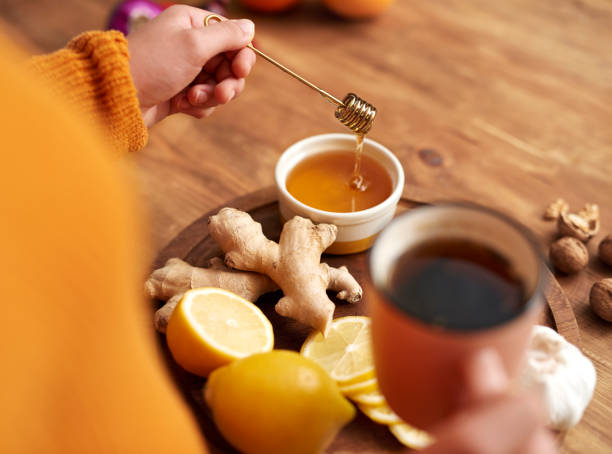
Ginger tea has proven particularly effective as a home remedy (pregnant women should refrain from drinking it, as the tea can induce labor.) It is best if fresh ginger is available. Then simply cut the ginger into thin slices and pour boiling water over it. After 15 minutes it can be drunk while still hot. If you don’t like the taste, you can sweeten the tea with a little honey. Nausea and the feeling of having to throw up quickly subside thanks to the active ingredients gingerol and shogaol. These active ingredients absorb the acid in the stomach and therefore calm it down fairly quickly. Fennel or peppermint tea are good for children and pregnant women.

4) Healing Earth

Another tip would be to use the home remedy healing earth. slowly add a tablespoon of healing earth to a glass of warm water, stir carefully and drink in small sips. If you don’t like that, you can cut an apple in half and brown one half and then eat it.

5) Acupressure

Acupressure can also help. It can be helpful not only against nausea and vomiting but also as a remedy for psychological anxiety. The patient is in the right place when the inside of the wrist is up and the two palpable tendons, which are about two finger widths between the flexor creases, can be felt. This spot should be massaged on both sides for two minutes. If the desired effect does not occur, the acupressure should be repeated within 20 minutes.

6) Carrots with salt and dextrose

If you can eat something light, you should boil half a kilogram of carrots in a liter of water until soft and then press them through a sieve. Season the carrots with salt and dextrose, because that’s exactly what the body needs. It can then be eaten in small portions throughout the day. It is easier to buy asparagus powder in the pharmacy and dissolve a teaspoon of it in lukewarm water. Then drink this mixture in slow, small sips.

7) Sheaf

If the patient has a glass that can be closed, fill it with fresh yarrow and add 40% alcohol. Then put it in a warm room and wait a month or 1 1/2 months. If the patient feels bad, he can take a tablespoon of it. This option should be prepared in advance, as it cannot be used in a current case due to the longer storage time.

Natural home remedies for thin hair help you to give your hair more volume. Care and styling products for thin hair, such as shampoos containing caffeine, promise more volume or strong hair. However, these synthetically manufactured products often contain substances that can permanently damage the hair. So if you prefer to care for your hair as naturally as possible in order to get the best out of it, you can use home remedies, which also have an effect and are harmless.

Cause of thin hair

Thin hair can be genetic, but it’s often a result of lifestyle. For example, too much heat styling, too much coloring, or an unbalanced diet can cause thin or dull, unhealthy hair. Both women and men can be affected by this problem, which cannot be solved overnight but can be improved in the long term with special care and a little patience.

Home remedies for thin hair

With a few home remedies and a little patience, everyone can get the most out of their hair and prevent it from looking thin and lifeless. By applying some home remedies externally, you can optimally supply your hair with nutrients and moisture. Since beauty is known to come from within, one should not forget that nutrition also plays a major role. If there is a deficiency, the hair roots cannot be properly supplied and the hair cannot grow healthily. A balanced and healthy diet is reflected in full, strong, shiny hair and can also be a good home remedy for brittle and dry hair.

1) Eggs vs Thin Hair

Eggs, for example, can correct a protein deficiency, which is often to blame for dull and thinning hair. To make a hair mask, raw eggs can be mixed with yogurt or cottage cheese (also high in protein). This mask is distributed in dry or damp hair and should act for as long as possible. In addition, yolk helps as a remedy for oily hair.

2) Castor Oil

Castor oil is particularly well absorbed by the scalp. There it provides moisture and ensures optimal conditions. This promotes hair growth. This can cause new hair to grow as well, causing the hair to become thicker. Castor oil also gives the hair shine and strength. The oil can be massaged into the scalp, mid-lengths, and ends. In addition, note other valuable oils and their effects.

3) gelatin

Gelatine also makes hair grow stronger and stronger. Gelatin powder (previously dissolved in warm water) can be added to ordinary shampoo or conditioner. So it is worth making your own shampoo.

4) Rosemary Oil

The blood circulation of the scalp is stimulated by the essential oil obtained from rosemary. It promotes healthy hair growth. With regular use, hair growth can be increased, making the hair stronger and fuller. Rosemary oil, like the previously mentioned castor oil, can be spread on the scalp, mid-lengths, and ends and left to absorb.

5) beer

It may sound strange at first, but beer is also good for your hair. It supplies you and the scalp with important vitamins, minerals, and trace elements. It also gives strength, shine, and fullness. Water mixed with a beer in a ratio of 2:1 can be used as a rinse. This means that the mixture is used to rinse the hair after washing, i.e. it is poured over the head in such a way that the hair can soak up the liquid. The beer rinse can but does not have to, be washed out. Also read how to care for beautiful, long hair.

6) Proper blow-drying for thin hair

Long hair looks fuller and more voluminous when blow-dried upside down. In order to protect the hair, the hairdryer should be set as cold as possible.

7) The right haircut for thin hair

The right haircut can also make a difference. If you have fine, long hair, a layered cut can make your hair appear fuller and have more structure instead of just hanging flat.

Many people are plagued by hay fever every year and can no longer enjoy the fresh air and nature during the main flowering period. The symptoms are severe sneezing, a runny nose, and red, itchy eyes. Coughs and skin rashes can also occur.

There is a lot you can do to prevent hay fever

There are many medications available on the market to treat the symptoms, mostly in the form of tablets or sprays. However, every drug has its side effects, and tiredness when taking the pill is often a side effect. For this reason, many people would like to avoid medication altogether or only resort to it during the main flowering period of their allergy trigger.

Most people are simply concerned about taking these drugs for a long period of time each year. Another type of relief is injections, but this option has its pros and cons. Home remedies are a good alternative for anyone who wants to reduce symptoms naturally.

What can home remedies for hay fever do?

It must be clear to everyone that home remedies cannot completely eliminate hay fever. But neither can most medicines. You have to decide for yourself whether you want to do without medication entirely or take it additionally during the main flowering period. With a few simple tips, you can already achieve good results. So that you don’t use up too many paper handkerchiefs during this time, also note our tips for washing handkerchiefs.

Avoid the allergy trigger

It should go without saying that people who are allergic to grass do not voluntarily walk across meadows. Unfortunately, pollen is in the air almost everywhere, and if you live near meadows, you can hardly escape it. It can be helpful for people suffering from allergies to plan their vacation in such a way that they can escape the allergy trigger for at least a few days. It has been proven that the load is lower in the mountains and also by the sea. You can do something good for yourself with a holiday during the main flowering period.

Rain does not necessarily mean relief

You often hear that rain washes the pollen out of the air. This statement should be treated with caution, it only applies to longer periods of rain. A brief downpour can even aggravate the symptoms. Grass pollen, for example, bursts open when it rains, and smaller particles penetrate deep into the respiratory tract. So instead of getting relief, you will see your symptoms worsening.

Ensure a quieter night

During the day, the pollen settled in the hair. So it’s a good idea to take a shower in the evening and wash your hair. This will make your sleep a lot more restful. Likewise, it is advisable not to leave the clothes you wore during the day in the bedroom overnight.

Proven remedy for hay fever

You can relieve the itching with a saline steam bath. This moistens the nasal mucosa. Simply bring water to a boil and add a teaspoon or two of table salt. Then you can inhale the saline vapor for about ten minutes. With a nasal rinse with table salt, you can flush the pollen from the nasal mucosa. You can buy this conditioner or mix it yourself.

Discover the effects of different oils

Peppermint oil can provide good relief. To do this, you need to dribble several drops of it into a bowl of water. This way you can breathe easier again and the oil has an expectorant effect at the same time.

Inhalation with eucalyptus oil also has a good effect on hay fever. It is equally recommended as a bath. Fennel oil or dill oil can also be helpful. Also, note other healthy oils and their effects.

Soothing for the eyes

As a remedy for itchy eyes, you can use a damp cloth to help. Simply dampen a cloth with cold water and place it over your eyes for a few minutes. If you want, you can also add eyebright to the water. For contact lens wearers, it is better to use glasses during allergy season.

Eat a healthy diet

In general, allergy sufferers should eat a varied and vitamin-rich diet. For example, walnuts contain magnesium, which protects against cramps, and vitamin E, which protects against inflammation. So they work well against allergies. However, nut allergy sufferers have to be careful, so this tip does not generally apply to everyone. Drinking water moistens the mucous membranes, which has a beneficial effect.

Many useful tips against sunburn on the face. And when it’s already too late: Home remedies for sunburn on the face. The sun’s rays lure us outside and we enjoy the sun to the fullest. Of course, you don’t immediately think of sunscreen. But once the first sunburn has set in, you can hardly get rid of it for the whole summer. That’s why we give you a few tips on how to avoid sunburn before it occurs:

Lots of moisture and makeup with UV protection

Even if the temperatures are not yet reminiscent of summer, the sun’s UV radiation can still be strong enough to cause sunburn. The sun should never be underestimated. Even in spring, while the rest of your body is still wrapped up, you need to protect your face from too much radiation.

In general, good care for the face that provides it with enough moisture helps. As soon as the first rays appear, it is advisable to wear makeup with UV protection. This is quite conventional makeup, which includes additional UV protection. Especially with high-quality makeup, UV protection is usually integrated. There are also powders with UV protection. So if you like to do without makeup and only use a little powder against a shiny face, you will certainly find a suitable product here that protects you against the sun.

Which parts of the body are particularly at risk?

Protruding parts of the body are very prone to sunburn. In the face, of course, the nose is one of them. These areas should therefore also be specially protected in order to avoid severe sunburn. Especially people who quickly suffer from skin irritations on the cheeks tend to get sunburned here as well. If you have your hair pulled back, your ears are also exposed to the sun, which can quickly become sunburned. These areas should be specially protected on the face and require extra care.

A pair of sunglasses protect the eyes

Even if your eyes don’t get sunburned, you still need to be protected from the radiation. Sunglasses with UV protection are helpful here. But make sure that the glasses also have UV protection. Protection varies depending on how darkened the lenses are. In addition, sunglasses are a chic accessory in summer that spice up every outfit. A beautiful appearance is combined with effective protection against radiation. What more could you ask for?

A hat against particularly strong radiation

If you are exposed to particularly strong sunlight, you should use a sun hat. As a result, the entire head and face are well protected. The parting of the hair, which is prone to sunburn, can also be protected. A hat is also totally modern and can be used as a pretty accessory. It also provides shade and protects you from sunburn.

Be careful with sunburnt makeup

Sunburn should of course be avoided entirely, but if it does happen and the face is also affected, foundation and/or powder should never be used. They dry out the skin even more and you can also see dandruff. It is better to mix an after-sun lotion with a liquid concealer and gently apply it to the skin.

Home remedies as natural antibiotics as an alternative to conventional medicine at a glance. This way you avoid the side effects of antibiotic medication. That is why it has proven itself to produce a natural antibiotic itself.

It is beneficial to make your own anti-inflammatory remedies. You can easily make your own antibiotic from good food. How does this work? Benefit from the treasures of our nature.

1. Juice made from fresh ingredients

You can prepare your own individual antibiotic from ingredients of organic quality.

  • Garlic fights viruses and fungi of all kinds. Garlic with onions acts as a “police in the body” and is particularly well suited for maintaining intestinal flora. The spicy mixture prevents all inflammation.
  • The spiciness of ginger and chili strengthens the immune system. Therefore, ginger stimulates circulation. Ginger also kills viruses and can prevent inflammation.
  • Apple cider vinegar helps to better absorb calcium from food. Apple cider vinegar is also effective against bacteria, fungi, and viruses. This makes apple cider vinegar the best ingredient against inflammation of all kinds.
  • Organic honey has an antiseptic effect and fights viruses and fungi in the body. Manuka honey is particularly well known for its enormous healing powers.

You can only see a few of the ingenious ingredients in this recipe, which is a home remedy from natural cuisine that acts as an antibiotic.

All organic ingredients should combine well with apple cider vinegar. Please chop and mix all the ingredients as shown in the video. Leave this mixture in a glass for about two weeks. After an intensive exposure time, drain the porridge in a cloth and collect the liquid. This liquid contains all of nature’s antibiotics in the form of juice.

How do you drink the antiseptic juice?

It is best to drink the drink diluted (about a tablespoon in a glass of water) every morning. The liquid freezes well. This makes it very easy to treat yourself to the natural healing juice when it is medically necessary. It is best to freeze small portions.

The juice can also be consumed daily as a preventive measure, which protects and strengthens your immune system. The best thing about the juice: It will not burden you with any complaints of side effects. Clever and natural – just great!

2. Chamomile as a medicinal plant and natural antibiotic

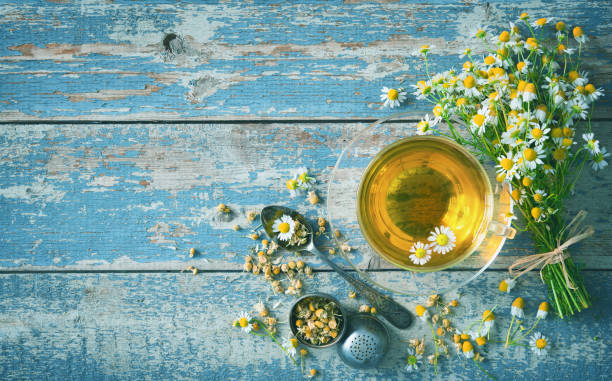
Chamomile is considered a long-established medicinal plant with tradition. Chamomile tea helps with stomach pains, chamomile paste relieves all kinds of inflammation. Many ointments contain high-dose active ingredients from chamomile. As a result, the medicinal plant, which Hildegard von Bingen valued, is often used in natural medicine for its antibacterial, blood-cleansing effect.

Chamomile flowers not only have an analgesic and calming effect but also have an antiseptic and even blood-cleansing effect. Chamomile relieves the pain of all kinds with no side effects.

As a bath additive, chamomile has an anti-inflammatory effect on the skin, and the plant is often used as an inhalant for colds.

In the case of stubborn inflammation, it is advisable to use high-dose chamomile extract or chamomile oil. Because this tincture with chamomile works wonders for many superficial inflammations.

Find out what helps you. Finding good chamomile oil at home is worth its weight in gold. No household should be without chamomile oil, chamomile paste, and traditional chamomile tea. For injuries and skin infections, creams or tinctures with chamomile will help.

3. Sage as a natural antibiotic

In our nature, there are now more than 900 different species of sage. The vital Chia seeds also come from a sage plant, which you can easily grow yourself in the garden.

Sage is literally bursting with vital substances and vitamins. Therefore, healing essential oils work wonders for inflammation. These oils are responsible for the antibacterial and anti-inflammatory effects of the peculiarly-smelling plant.

Sage tastes and smells unique and is helpful for the healing process, especially with sore throats, sore throats, and all kinds of inflammation in the mouth and throat. The leaves of sage can be collected and dried by yourself. The sage tincture bought in the pharmacy, which can fight inflammations of all kinds, has a more intensive effect. Therefore, sage is mainly used for digestive problems.

4. Aloe vera plant as an all-rounder

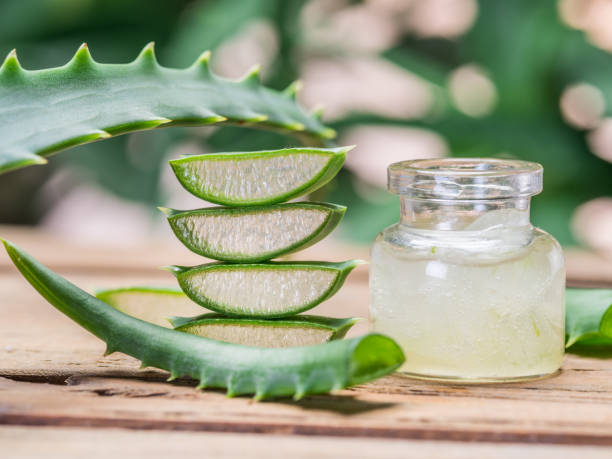
Aloe vera gel belongs in every medicine chest. You are certainly familiar with its strengthening effect if you have already treated a sunburn with it. Aloe vera as a gel has a pain-relieving and antibacterial effect on all inflammations that appear to be stubborn. Aloe vera binds moisture and has a strong calming effect. Fungi and viruses of all kinds are no longer proliferated and killed. With every external application, wounds heal faster without any side effects. Aloe vera consumed as a juice is good at helping fight internal inflammation. The syrup or juice has a mild laxative effect. This allows pathogens to be flushed out of the body more quickly.

5. Tea Tree Oil

An exotic but purely herbal antibiotic is tea tree oil, which is easy to store in small bottles. The essential oil is extracted from the well-known Australian tea tree. The oil combats fungal infestation on the skin and has an antiseptic and anti-inflammatory effect. Therefore, even stirred creams often contain extracts of tea tree oil. This medicinal plant helps against small wounds of all kinds. Also psoriasis or acne. Herpes or various eczema can be treated with tea tree oil.

A sore throat can quickly develop into a severe cold. Above all, the body needs rest and relaxation so that it can activate its self-healing powers. These counteract the common cold. After a successful recovery, it is also possible to fulfill everyday duties again without any problems. But what if time is of the essence and there is no improvement after just a few days?

The way to the doctor is then an option. The doctor will prescribe medicines that will speed up the healing process. A very effective remedy for bacterial infections is antibiotics. However, these also have some side effects, so the doctor decides whether their use makes sense. In many cases, however, it is not bacteria that are responsible for the infection, but viruses. Antibiotics do not help against these. The body has to fight the virus itself. The doctor may prescribe supportive medication. You can also try natural home remedies.

Supporting drugs from the pharmacy

The medications that you can get at the pharmacy, such as nasal sprays and lozenges, provide relief but do not work directly against the virus. Vitamin and mineral preparations are intended to strengthen the immune system but do not work directly against viruses.

Herbal products from the pharmacy

One herbal product that is commonly used is purple coneflower extract. In some clinical studies, the plant has been found to have an antiviral effect by stimulating the immune system. However, the effect remains controversial, in other clinical studies, the effect could not be proven.

Another herbal remedy that is commonly used is an extract of pelargonium root. This has an expectorant and antibacterial effect. This supports the body. It also has a positive effect on the immune system, which inhibits viral replication. However, the effectiveness of the Perlagonium extract has not been scientifically proven.

Home remedies: prevention, exercise, and nutrition

The most effective way to fight a cold is prevention. Endurance sports and the intake of vitamin C and zinc can strengthen the immune system in the long term, which then reduces susceptibility to infections. When it comes to nutrition, make sure you eat plenty of fruit and vegetables. The essential oils of garlic, ginger, and onion have a strong antibacterial effect, which helps the immune system. Adequate, healthy sleep also helps the body regenerate and is essential for a healthy immune system.

Stress avoidance

The immune system is sensitive to stress. If possible, you should avoid this. Regular relaxation baths can also be beneficial for the immune system by promoting stress reduction and having an expectorant effect. Yoga or special relaxation exercises can also help to reduce stress again and again so that the body can regenerate completely. This in turn benefits your immune system and thus strengthens your resistance to harmful environmental influences of all kinds.

A sinus infection can cause excruciating pain. Here it is necessary to first recognize what the symptoms are that could indicate your frontal sinusitis.
Anyone who suffers from headaches and constantly feels exhausted should take this as a warning sign of sinusitis.

If you experience pressure on your cheeks and head with every movement or bend down, or if you even lose your sense of smell, you should get checked out. There are many causes that point to frontal sinusitis: allergies, polyps that block the airways, and colds that have not been cured can result in frontal sinusitis. And now?

If you don’t want to swallow antibiotics right away, you can help yourself with the following natural home remedies. The tips are simple and have no side effects.

1. Drink a lot

Those who drink a lot can flush the secretions out of the body more easily. Drinking a lot, preferably unsweetened tea, water, and light fruit juice spritzers, helps with all inflammations that the body has to endure. We recommend drinking at least 3 liters a day. Tip: It is best to put the amount of liquid you want to drink throughout the day on the table in the morning so that you don’t forget to drink.

2. Thyme helps against frontal sinusitis

The garden herb thyme has a liquefying effect on solidified secretions. Thyme helps to reduce swelling of swollen mucous membranes and has a strong calming effect. Thyme tea, brewed from real flowers from the garden, is an ideal natural product against sinusitis.

Inhale tea with thyme and drink plenty of it. This tea can be perfectly combined with point 1. Thyme oil for rubbing on the forehead or as a fragrance oil at home increases the effect so that your inflammation subsides quickly. If you add thyme oil to the water as a bath additive, you support the effect of the natural product on frontal sinusitis. Tip: Thyme oil is an irreplaceable helper in every medicine cabinet.

3. Nasal douches help

Admittedly, the application takes some getting used to. However, nasal douches help very efficiently against inflammation of the paranasal sinuses and frontal sinuses. The nasal douche gets rid of germs and keeps the mucous membranes moist. Pollen, dust, and bacteria are simply flushed out of the frontal sinus.

How does it work? Simply fill a small glass with lukewarm water and add 2 heaped tablespoons of salt. Now hold one nostril shut and draw the water into the other nostril. Open your mouth wide. So you just inhale the saline solution. Then the salt solution should run out again. Repeat this process 3-4 times per nostril. If you want it easier, rinse with the saline solution in a nasal douche, which can be bought in any pharmacy.

Tip: Please keep your mouth wide open. This will prevent the saline solution from going down your throat. The nasal douche requires some practice but is very effective against sinusitis.

4. Garlic – the all-rounder against frontal sinusitis

With its anti-inflammatory substances, garlic acts as a natural antibiotic. Garlic loosens the mucus and is, therefore, an optimal active ingredient against painful frontal sinusitis.

Simply add fresh garlic to the food, finely chop the garlic and mix it into salads or soups. If the taste and smell seem too strong: Simply add fresh parsley and let the mixture steep in the oil. This takes away some of the intense taste of garlic. Parsley neutralizes and contains a lot of vitamin C. Tip: Garlic can also be used externally. Rubbing the sinuses with intensively enriched garlic oil often works wonders.

5. Apple cider vinegar helps

Apple cider vinegar acts as an antiseptic home remedy in natural medicine. It can help wonderfully and effectively against frontal sinusitis.

Just drink apple cider vinegar mixed with water daily for your immunity. To do this, stir 1 teaspoon of apple cider vinegar into 1 glass of still water. This mixture is generally effective against infections and strengthens your immune system. Tip: This apple cider vinegar cure has a supplementary effect, but usually does not fight the sinusitis on its own.

6. Inhale with active ingredients from nature

You should inhale with all inflammations of the paranasal sinuses or the frontal sinus. This frees the respiratory tract from germs and bacteria, secretions runoff, and this clears your head. If you don’t have an inhaler, you can simply inhale yourself over a bowl of hot water. Put 3 liters of boiling water in a saucepan. Natural oils such as chamomile, mint, or tea tree oil help to cleanse the sinuses, as does salt.

Now put your face as close as possible to the bowl of water (be careful not to burn yourself from the steam) with a towel over your head to keep the steam in. You sweat, the skin is supplied with blood and the frontal sinus is freed from secretions. This efficient cleaning of the frontal sinuses is an effective remedy for all types of facial inflammation.

Tip: You can use simple remedies such as the steam bath 2-3 times a day to combat frontal sinusitis.

Quickly prepare natural home remedies for inflammation. Tips against inflammation. Treat inflammation yourself without medication.

Inflammation is a completely normal and healthy defense reaction of the body to various stimuli. Not every inflammation requires medical treatment. Inflammation can often be treated with home remedies or antibacterial foods.

What is inflammation?

Inflammation is the body’s defense reaction to external stimuli or pathogens. The inflammatory process begins with reduced blood flow, followed by increased blood flow. White blood cells (leukocytes) are transported to the focus of inflammation in order to fight foreign bodies such as viruses and bacteria. Therefore, the leucocyte count in the blood is a clear indicator of inflammation.

If there is an inflammation, the question arises as to whether it is absolutely necessary to go to the doctor. If the inflammation is mild and the cause is known, the healing process can usually be completed without medical products such as e.g. B. painkillers or antibiotics taking place. The body has self-healing mechanisms that are stimulated by using appropriate methods. Various natural remedies that you can quickly make yourself are able to slow down the spread of the inflammatory focus and alleviate the symptoms.

1) Cold against inflammation

Acute inflammation on the skin’s surface often feels hot. In such a case, cooling pads can relieve the symptoms. An ice pack from the freezer can be wrapped in a kitchen towel and placed directly on the inflamed area. The external inflammation should be continuously cooled for a period of at least 20 minutes.

2) Balm for external use in inflammation

Open, inflamed wounds can be treated with marigold ointment. You can easily make this yourself:

Melt 2 tablespoons of clarified butter (how-to video for making clarified butter) in a saucepan. Then 2 tablespoons of marigold blossoms (available online or in pharmacies) are added. Swirl the compound in the pot over low heat for 12 minutes. The butter must not turn brown, if necessary the temperature must be reduced. Then the mixture is passed through a sieve, separating the marigold blossoms from the butter.
The finished skin cream can be stored in the refrigerator for a few weeks.

3) Curd soap for inflammation and splinters

If the nail bed on the hand or foot is inflamed, the curd soap is suitable. It is a pure soap product without fragrances and can therefore also be used by allergy sufferers without hesitation. Curd soap has a stronger cleaning character than conventional soaps. It can also be used for splinters on hands or feet. you do this, a warm water bath is enriched with some curd soap. The affected part of the body is soaked in soapy water for several minutes and then not rinsed with clear water, but only dried.

4) Medicinal plants against inflammation

Chamomile preparations have a soothing effect on inflammation. Chamomile can unfold its antiseptic effect in a variety of ways: as a tea to drink or to gargle with inflammation of the throat (mix peppermint leaves, chamomile blossoms, rose blossoms, and Dabei in the same ratio and pour boiling water over it). Or as a bath additive e.g. B. for impure skin (2 chamomile tea bags and 1 bag of lemon balm tea are added to the bathwater. The water temperature should not exceed 38 degrees. After 20 minutes, the chamomile water is drained and the body is rinsed with clear water so that the pores of the skin close again ).

5) Anti-inflammatory foods

allium plants

Garlic and onions are antibacterial leeks. These contain sulfur compounds (onion in A and the antioxidant quercetin in onions, ajoene, and allicin in garlic), which strengthen the immune system and thus have an anti-inflammatory effect. Onions and garlic can help with internal inflammation by taking them orally (neat, juice, powder).

Ginger


Ginger is particularly good for fighting inflammation in the muscles and boosting metabolism. The ginger can simply be added to the food when cooking or consumed in the form of homemade tea. For homemade ginger tea, water is first boiled. The ginger is peeled and cut into small pieces. The pieces of ginger are then added to the already cooled water if it is still at a pleasantly warm drinking temperature.

Omega-3 fatty acids

Omega-3 fatty acids, such as those found in e.g. in fish, and linseed oil. Nuts and seeds are of crucial importance in nutritional therapy for infections, but also preventively.

Arachidonic acid is responsible for the increased production of inflammatory cells. Omega-3 fatty acids contain alpha-linolenic acid, which can neutralize arachidonic acid.

Alpha-linolenic acid is an essential fatty acid that can be obtained from food alone. For this reason, it is particularly important to regularly consume foods that contain omega-3 fatty acids.